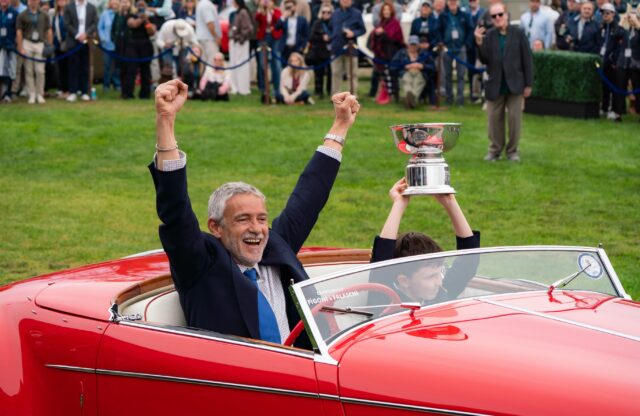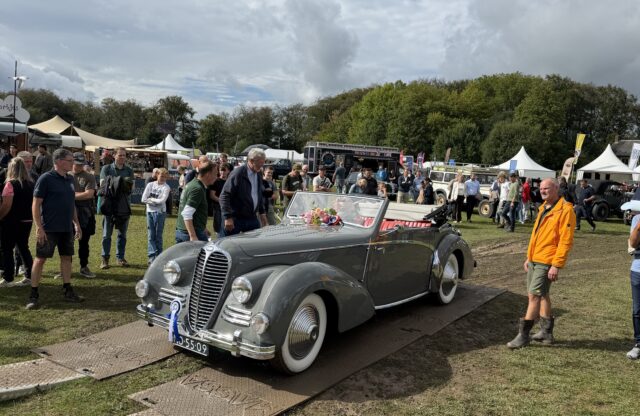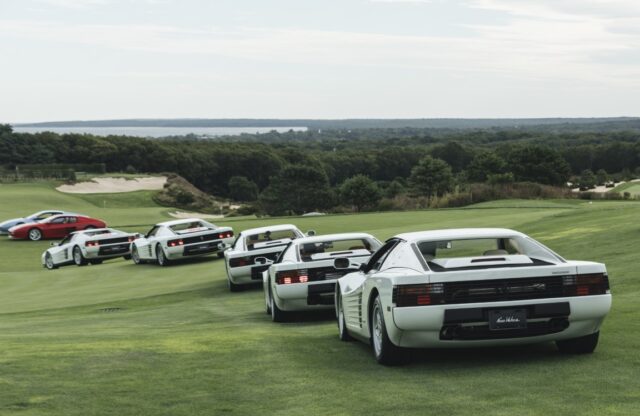


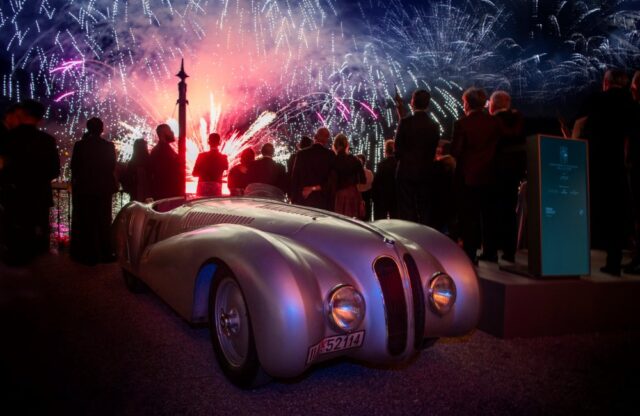
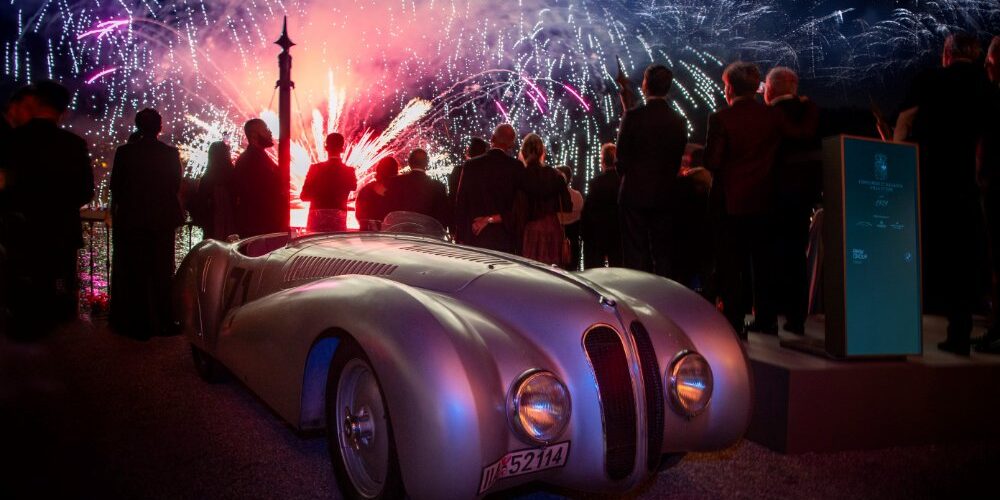
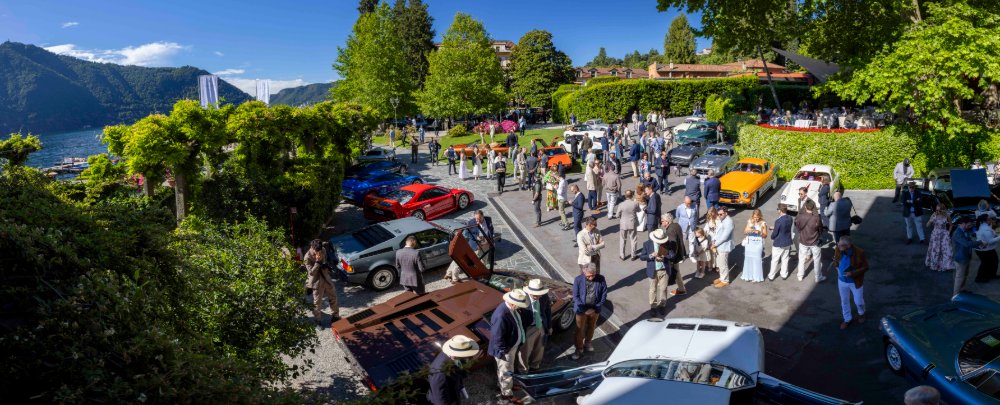
A 1937 BMW 328 ‘Bügelfalte’ has been named Best of Show at the Concorso d’Eleganza Villa d’Este 2026. It won the Trofeo BMW Group accolade at the end of the three-day event on Lake Como, Italy, which was held on May 15-17.
The model celebrates it 90th birthday this year, and the winning car takes its nickname from the distinctive metal edging running along the top of its front wings. It is described by BMW as the only special roadster of its type produced at the company’s Munich plant. Built in May 1937 for BMW’s development department under Rudolf Schleicher, chassis 85032 was entered by the Works in a number of international events, including Le Mans and the Tourist Trophy.
In autumn 1939, the car was dismantled by BMW’s racing department and rebuilt for the 1940 Mille Miglia with an open, streamlined body. The distinctive Bügelfalte (trouser-crease) edging on the front wings was designed by Wilhelm Kaiser in the styling department. The brakes and gearbox were upgraded, and engine output was increased to 130bhp, while the weight decreased to 725kg.
The Bügelfalte, carrying race number 71, finished sixth overall in the 1940 Mille Miglia, and in 1945 it was sent to Moscow as part of post-war reparations. It later came into the possession of Artem Ivanovich Mikoyan, co-creator of the MiG fighter aircraft. In 1972, Mikoyan’s son exchanged the BMW for a new Lada.
After the fall of the Berlin Wall, the car headed back west and, following a brief period at the BMW Museum in 2001, it was sold to a collector in the US. The Bügelfalte is currently in Italian hands with ownership via Stefano Martinioli; the car also won Class B, Future Couture – Dressed For Speed, 1928-1939 at Concorso d’Eleganza Villa d’Este 2026.
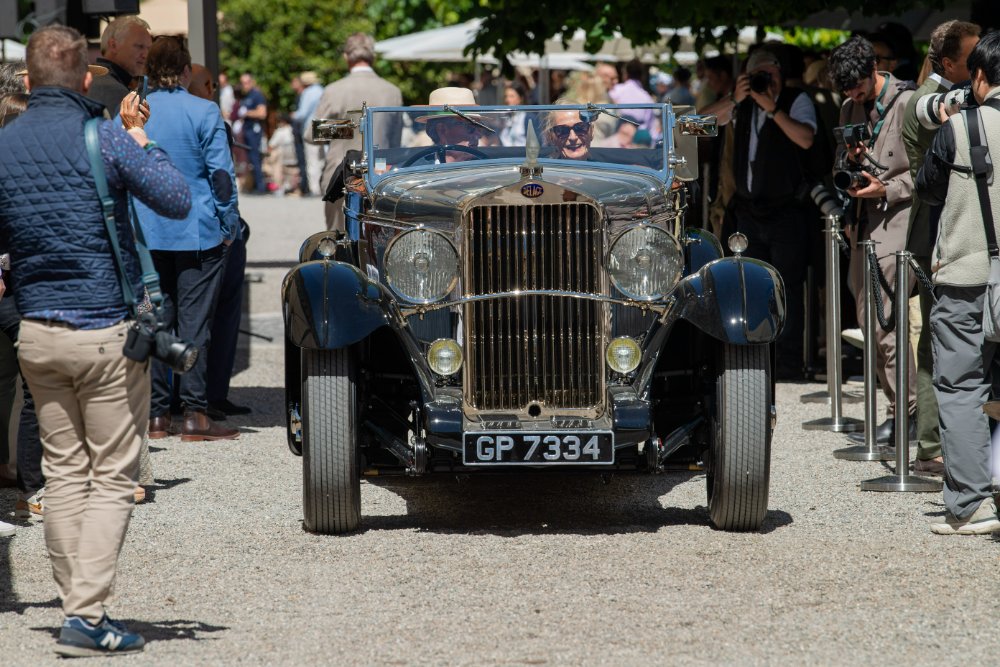
Class A, Automotive Tailoring – Over A Decade Of Opulence, 1923-1934, went to Hans Jörg Hübner’s 1931 Delage D8. It was built in right-hand-drive form, delivered new via London dealer Smith and fitted with a four-seater convertible body by Henri Chapron.
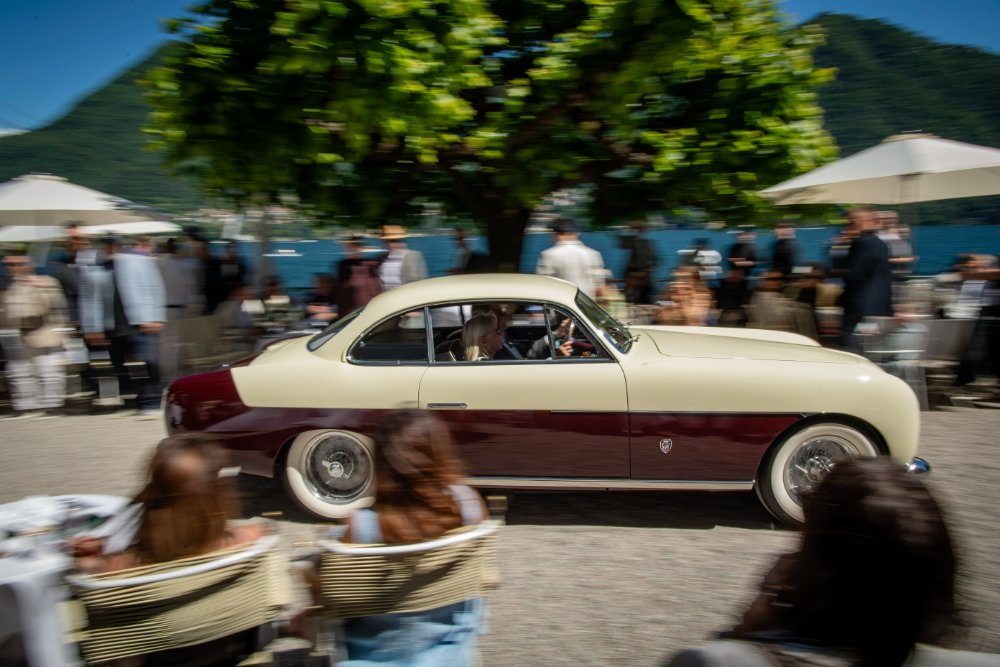
Classic C, Viva Villa d’Este – Extravagant 1950s Style was won by Dennis Garrity’s 1952 Ferrari 212 Coupé Speciale. It is the only 212 Inter (73 cars in total) to feature Ghia bodywork, and it was created for the 1952 Paris Motor Show, where it was displayed on Ferrari’s stand. It is also one of only 34 Prancing Horse chassis in total bodied by Carrozzeria Ghia.
The car’s first owner was Juan Perón, president of Argentina between 1946 and 1955. Perón saw the 212 at the Paris Motor Show and bought it immediately. The Ferrari was exported to Argentina in 1953. After Perón was overthrown in 1955, it became state property and was subsequently sold. It remained in Argentina for many years, passing through several owners before being rediscovered in poor condition during the 1990s. The car was then returned to Europe and restored, although that work was later reconsidered after further historical research into its original specification.
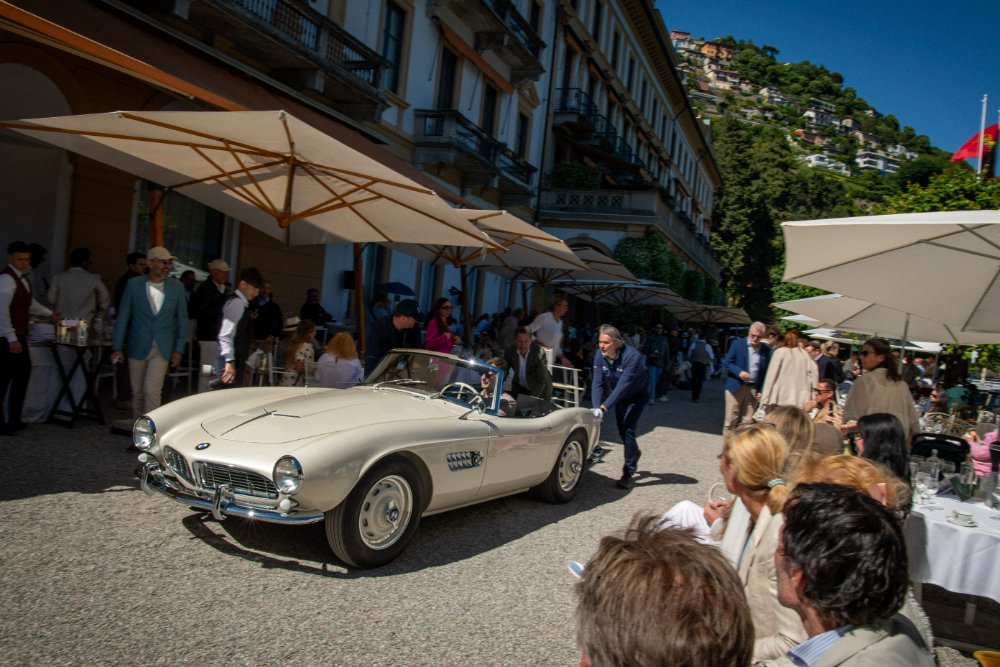
Class D, The Top Goes Down, The Price Goes Up – Selling Sunshine was won by John Stafford’s 1958 BMW 507. It was supplied new to AMOL Precision founder and BMW’s first US motorcycle dealer Oscar Liebmann in Fish Silver, a pearlescent colour that used guanine as an additive and is understood to have been applied to only two cars. The interior was black, and the specification included a hard-top, Rudge knock-off wheels, a Becker Mexico radio and higher-performance camshafts.
Liebmann and his wife travelled to Germany for the handover of the 507, which took place in April 1958 at the Starnberg premises of BMW dealer and motorcycle racer Georg Meier. Liebmann then drove the car to his former home town of Jena and through the Alps before it was shipped to America. He kept the 507 until his death in 1983, after which it remained with his family until 2001.
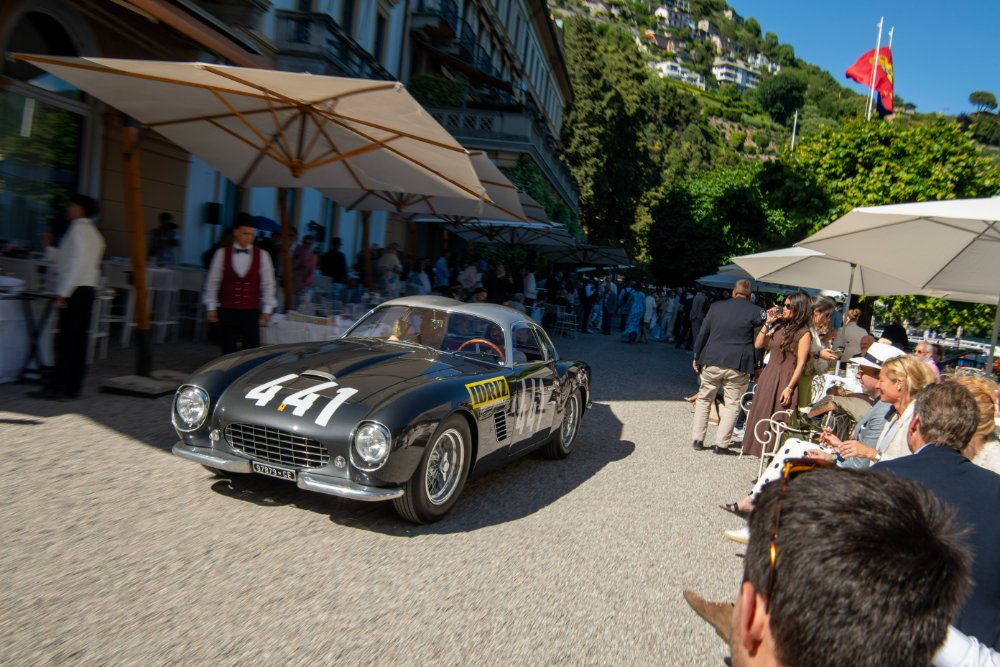
Class E: They Earned Their Names: Enzo’s Endurance Legends went to Collezione Abetone’s 1957 Ferrari 250 GT by Zagato. Chassis 0665 GT was built by Ferrari in early 1957, before its Zagato bodywork was completed between January and April. It was ordered by Genoese businessman and gentleman driver Camillo Luglio, who had already raced a Zagato-bodied 250 GT during the 1956 season.
The car was the third of five Zagato-bodied 250 GT Tour de France Berlinettas produced, and was the only Zagato 250 GT to receive covered lamps, reducing drag on faster road and circuit sections. The car was completed in April 1957 and entered almost immediately in the Giro di Sicilia. Despite difficult weather and road conditions, Luglio finished fifth overall and second in class. A class victory followed at the Coppa Costantini at Monza.
In May, Luglio took the start of the Mille Miglia in 0665 GT, running as car number 441. He finished sixth overall and second in the over-2000cc GT category, beaten only by Olivier Gendebien’s works Ferrari. The remainder of the season was also successful. Luglio placed sixth overall and second in class on the Aosta-Gran San Bernardo Hillclimb, then took another class win at the Coppa Inter-Europa at Monza. He ended the year with victory in class on the Pontedecimo-Giovi Hillclimb, securing the 1957 Italian Championship in the over-2000cc GT category. The results were so good, Enzo Ferrari sent Luglio a personal letter of congratulations, before offering him the chance to test for a Formula 1 seat. Luglio declined.
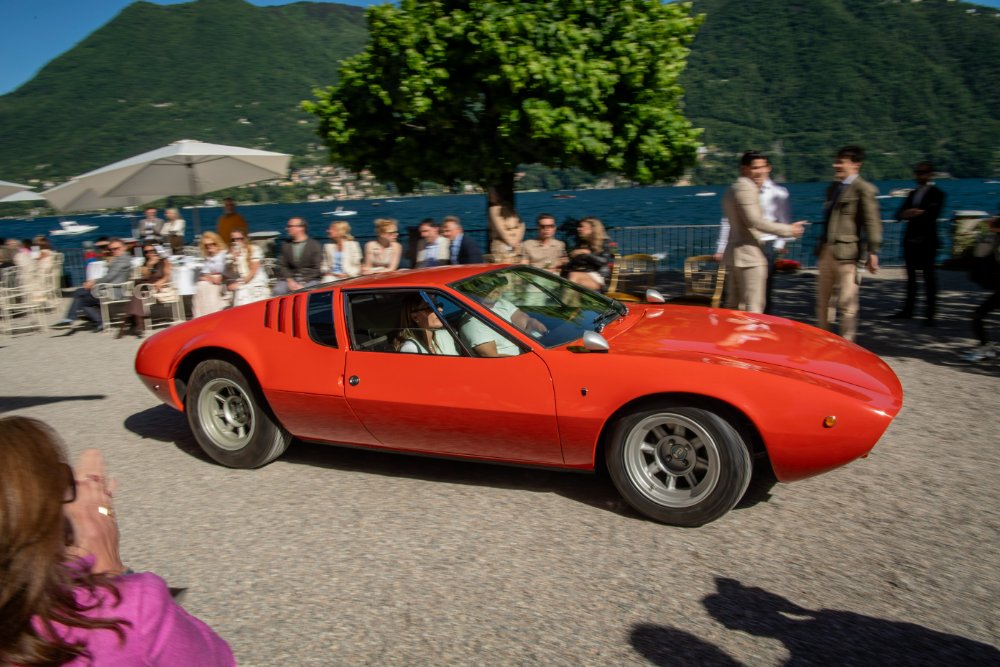
Thomas Shannon’s 1969 DeTomaso Mangusta took home Class F – Every Scratch Tells A Story – Aging Gracefully Without Restoration. The car was supplied new through Auto Engineering of Lexington, Massachusetts, and stayed with its original owner for more than five decades, not changing hands until 2021. It has covered only 6271 miles and remains unrestored. It was used by Bill in Kill Bill: Volume 2 , chosen deliberately by Quentin Tarantino for its name. A mongoose is known for killing snakes, while Bill heads the Deadly Viper Assassination Squad, whose members all use snake-related codenames.
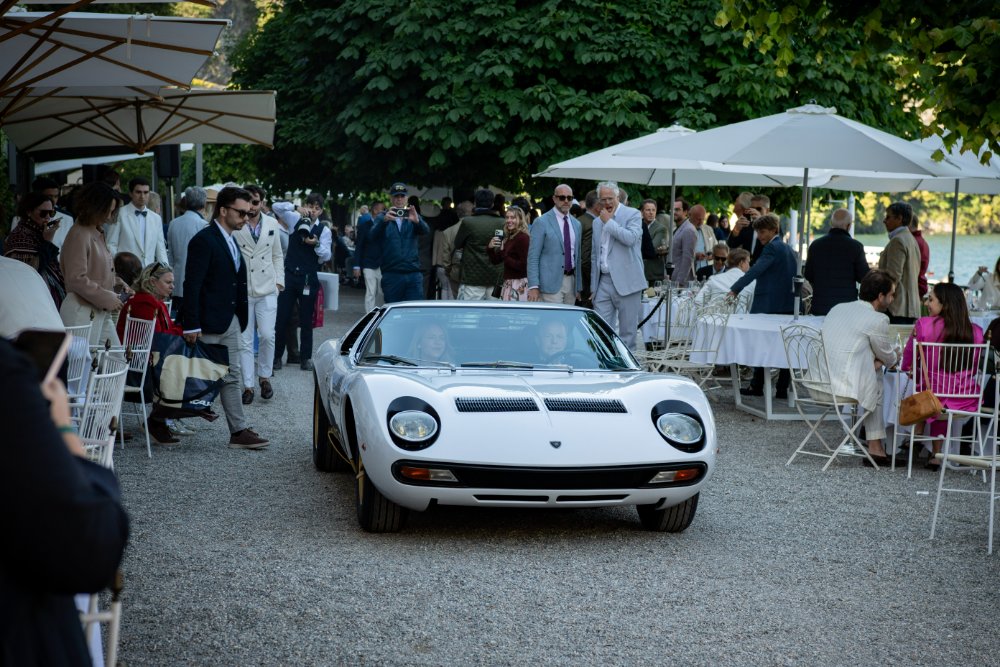
The 1971 Lamborghini Miura SV of Allan McDonnel took home Class G: From Carnaby Street To The Autostrada – The Swinging GT Driver. Chassis 4928 was supplied new by Lamborauto of Turin on September 10, 1971. It was the first Miura SV finished in Bianco and is understood to be the only factory-built example pairing white bodywork with a blue interior.
The car later spent more than four decades in the collection of Kuemmerling, the long-established German spirits company, where it remained from 1976 until 2019. It was then sent to Italy for a comprehensive restoration, carried out between 2019 and 2023. Following completion, the restored Miura SV made its public debut at Pebble Beach in 2023.
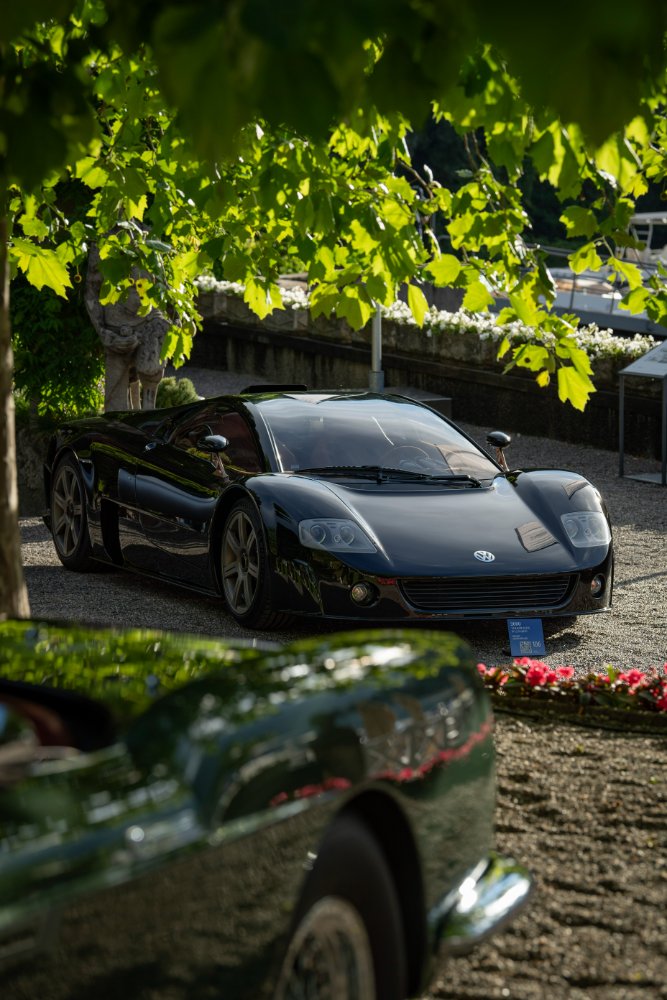
Class H: The Pace Race – The Supercar Comes Of Age was won by Gregor Piëch’s 2000 Volkswagen W12 Nardò. It is the only production-spec car built of the three examples made; the original plan was to produce 200. Power comes from a W12 engine comprised of two VR6 engines.
A version of the W12 Coupé covered a distance of 4809.7 miles in 24 hours at Nardò in southern Italy, setting several new landmarks in the process. These included driving at a world-record average speed of 200.6mph for 24 hours, a record that stands to this day.
Inside, however, Piëch was adamant that the car should showcase the entirety of VW’s production capabilities – as such, the instrument binnacles are from a VW Lupo. This example has been fully restored and will soon be made road legal. Fabrizio and Giorgetto Giugiaro were reunited with the car at Villa d’Este 2026, and ably showed how the fitted carbon luggage slotted into the engine bay – although they advised against transporting chocolate.
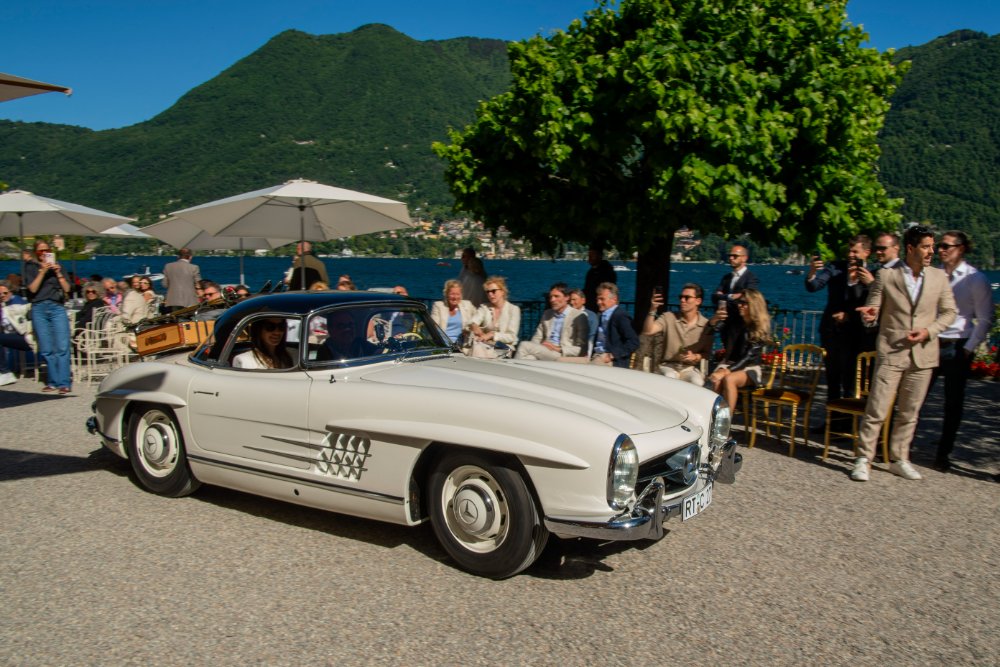
The Trofeo Coppa d´Oro Villa d´Este (Best of Show by public referendum) went to the 1963 Mercedes-Benz 300 SL of Eric Blumencranz. This 300 SL was among the final Roadsters built, and was delivered to its first owner in May 1963. It remains in original, unrestored condition, retaining its factory White paintwork, coded DB 50, and Black leather interior, coded 953. The specification also includes disc brakes and the original hard-top, finished in Black. Before being exported to the US in 2025, the car had only two subsequent owners, both based in Reutlingen, Germany.
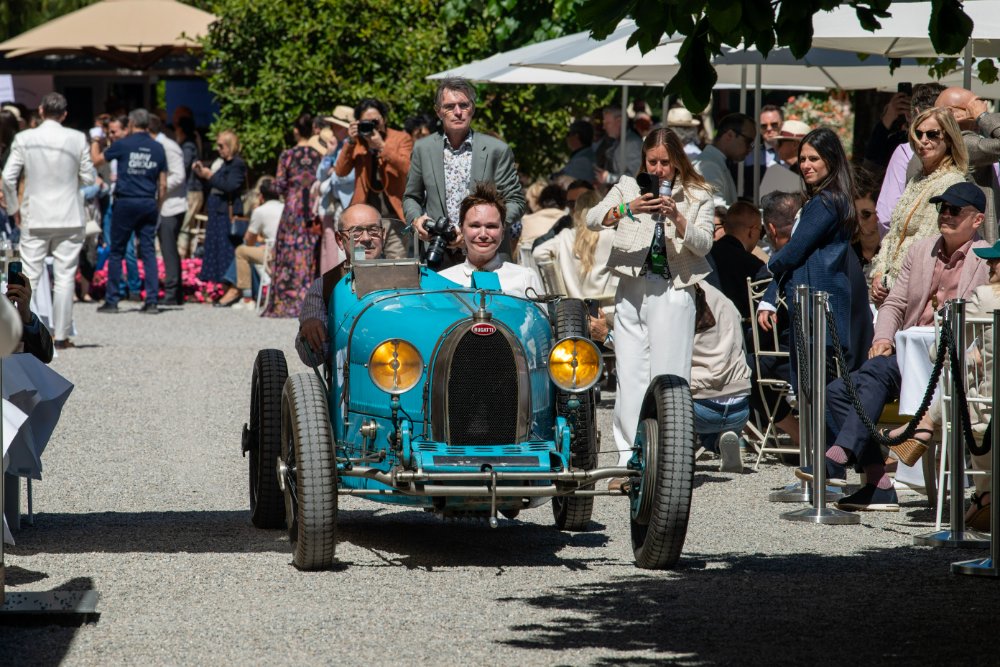
The Trofeo BMW Group Ragazzi (by Young People’s Referendum) went to the 1928 Bugatti Type 37 of HMG van der Anker. The car was originally ordered by Charles Faroux, editor-in-chief of La Vie Automobile, co-founder of the Le Mans 24 Hours and a close associate of Ettore Bugatti. In early August 1929, soon after taking delivery, Faroux sold it to the Paris-based post-impressionist painter René Durey. Durey retained the Bugatti from 1929 until his death in 1959.
There is no indication that he used it in competition, and in the late 1960s the car passed to Jean de Rochechouart de Mortemart, a member of the French nobility. It was sold at auction in Paris in 1972 to Louis Blériot, grandson of the aviation pioneer of the same name. The Bugatti later moved to Belgium in 2015.
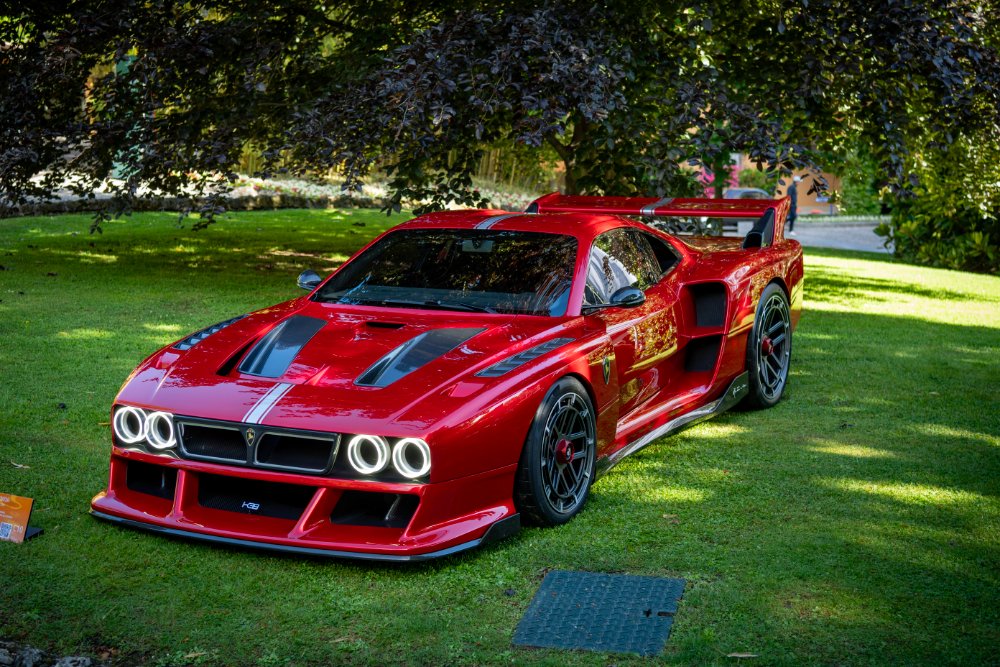
The Concorso d’Eleganza Design Award For Concept Cars & Prototypes went to the Kimera K-39 – you can read more about that car, plus an interview with marque founder and CEO Luca Betti, here.
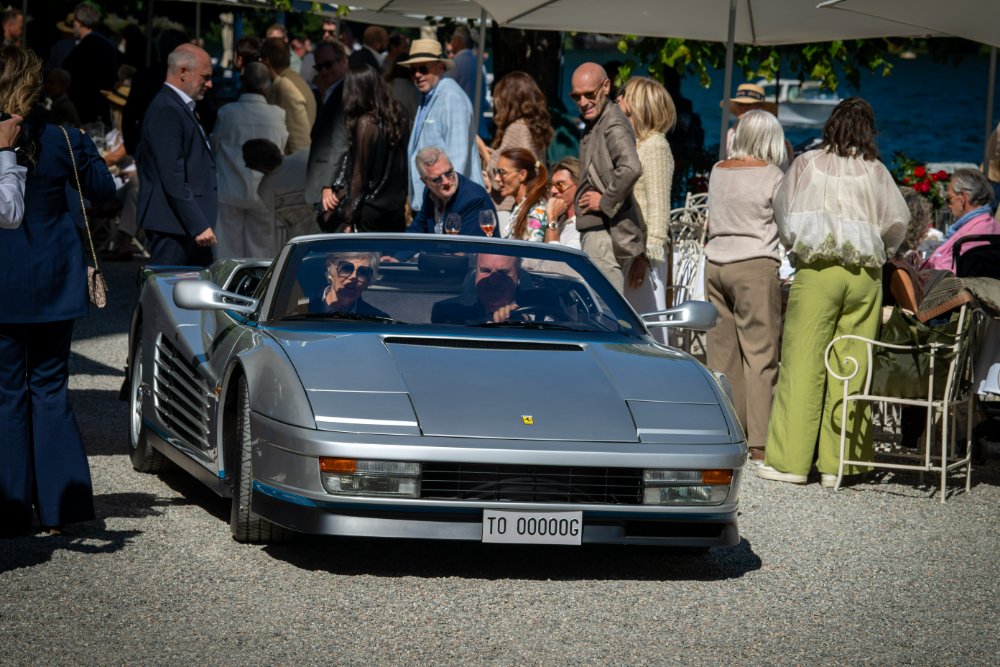
The Trofeo del Presidenti della Giuria (presented by the President of the Jury, Lorenzo Ramaciotti) went to a car he was no doubt familiar with from his Pininfarina days: Ronald Stern’s 1986 Ferrari Testarossa Spider. Gianni Agnelli received this Spider in June 1986, when it was given to him to commemorate two decades as president of the Fiat Group. Owing to the lasting effects of a serious road accident in 1952, which had left him with problems in his left leg, the car was specified with a button-operated automatic clutch.
It was not simply a standard Testarossa with its roof removed. Ferrari created a unique open version with an electrically operated fabric hood and additional structural reinforcement to offset the loss of stiffness caused by the drop-top conversion. The familiar Testarossa styling was otherwise preserved, including the side strakes and air intakes.
Following Agnelli’s death in 2003, the Spider stayed with a close friend. It was later offered for sale by that owner’s family at Rétromobile in Paris in 2016.
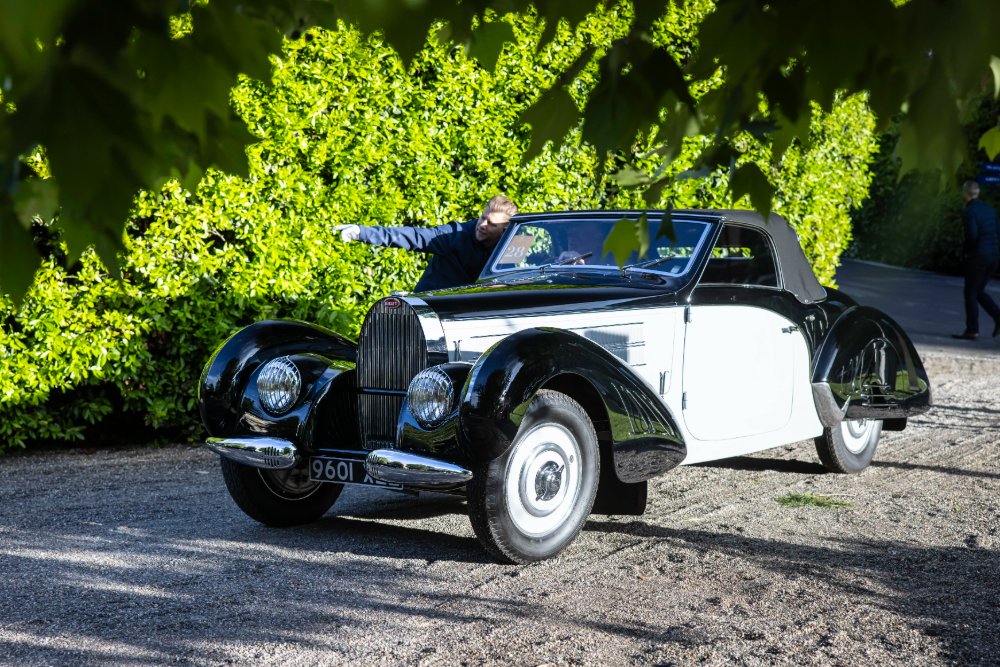
The Trofeo dei Presidente (by the Presidents of International Concours) went to the 1939 Bugatti 57C bodied by Gangloff in Aravis form. Just six were built due and just three remain, and this was one was first ordered by Dr André Chauvenet, a doctor from Thouars, via Bugatti dealer JB Arnaud.
Chauvenet was already an established Bugatti client, having owned several cars from the marque, including a Type 57S also bodied by Gangloff. Surviving correspondence between Gangloff and Arnaud indicates that the body combined elements from two design drawings. Further small changes were then added, including headlamp guards.
The finished car was delivered in January 1939. During World War Two, Chauvenet became an important figure in the French Resistance. He survived the war, as did the Aravis. In 1946, the car was sold to Switzerland, where it remained until the mid-1980s. It was then exported to the US, passed through several noted Bugatti collections and later underwent a comprehensive restoration.
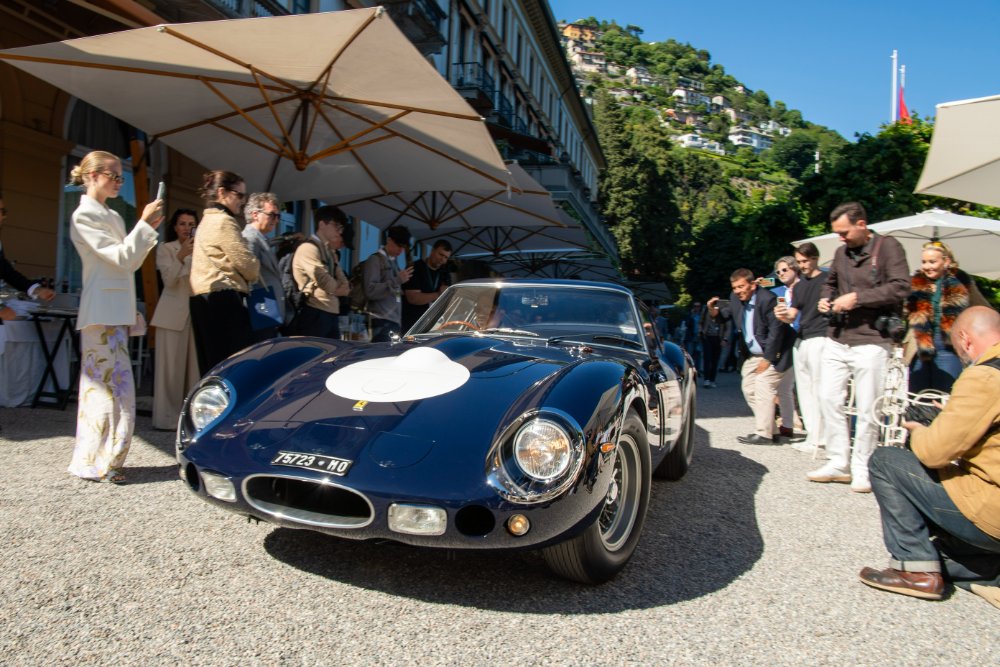
The Villa d’Este 2026 Trofeo BMW Group Classic (for the most sensitive restoration) went to the 1962 Ferrari 250 GTO of the Keybridge Collection. Chassis 3589GT is one of eight Ferrari 250 GTOs built in right-hand drive. Ferrari produced 36 first-series GTOs, and was supplied in April 1962 through Maranello Concessionaires to Tommy Sopwith’s Equipe Endeavour team. It was finished in Dark Blue with a dark red leather and cloth interior.
Its first race came at Goodwood in the Easter Monday Sussex Trophy, driven by Mike Parkes. The car finished second overall and won the GT class. Over the following 12 months, 3589GT entered 11 races, taking five outright victories, multiple class wins and several lap records. Its results included wins at Silverstone, Mallory Park, Brands Hatch and Snetterton, plus third overall in the Goodwood Tourist Trophy.
Later in 1962, the car was sold to Tom O’Connor’s Rosebud Racing Team in Texas and began racing in the US. Innes Ireland was among those who drove it, finishing third at Bahamas Speed Week. At the Sebring 12 Hours, the GTO placed sixth overall and third in class.
In 1964, O’Connor donated the Ferrari to Victoria High School in Texas. It saw little use there, and was later left on a trailer behind Joe Kortan’s house in Ohio, exposed to the elements for around 15 years until 1987. The car was subsequently found and restored by Swiss collector Engelbert Stieger. After more than 30 years with his family, it received a further factory restoration at Ferrari Classiche before passing to its current owner.
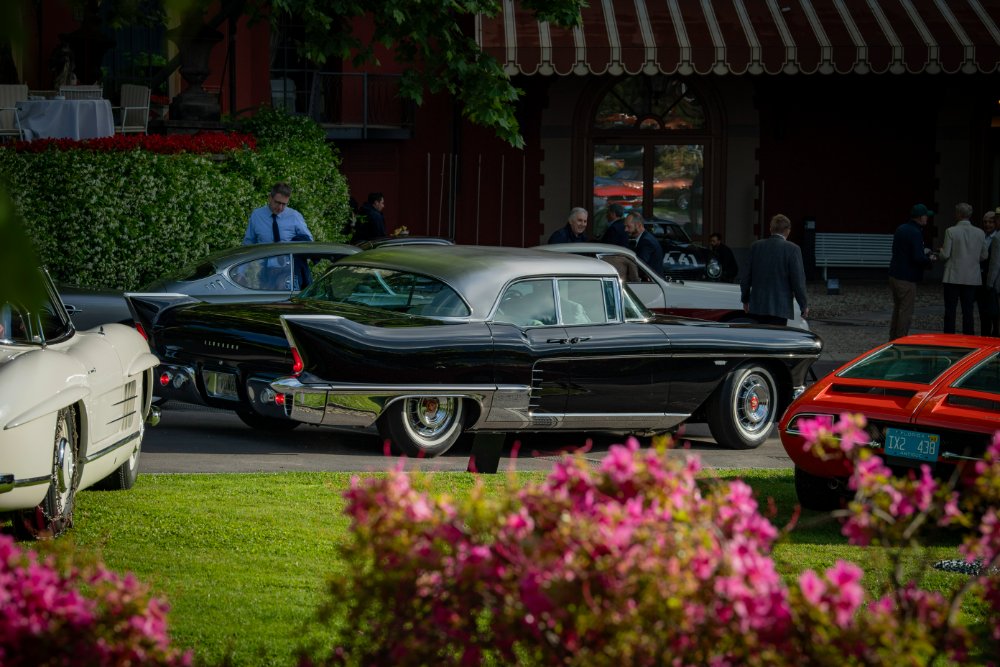
The 1957 Cadillac Eldorado Brougham of Don Ghareeb won the Trofeo Vranken-Pommery for the best iconic car; it’s number 221 out of 704 built.
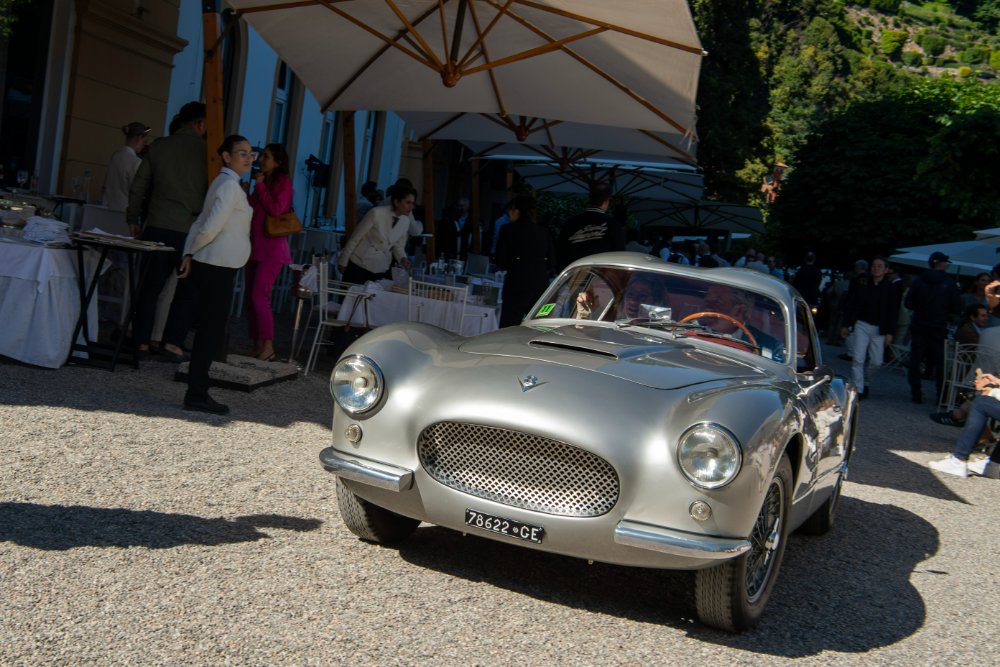
The Trofeo ASI (for the best preserved post-war car) went to the 1954 Fiat 8V Zagato of Johan Lont. This second-series Fiat 8V was built in September 1954 and registered in March 1955 to Emanuele Quartara of Genoa. Quartara campaigned the car regularly in hill climbs and national GT events between 1955 and 1958. During its competition career, it was sent to Zagato to receive Elaborata-specification bodywork; only five cars were built as such. After its racing life ended, the Otto Vu moved to the US in 1961. It joined a Swiss collection in 2016, where it remains.
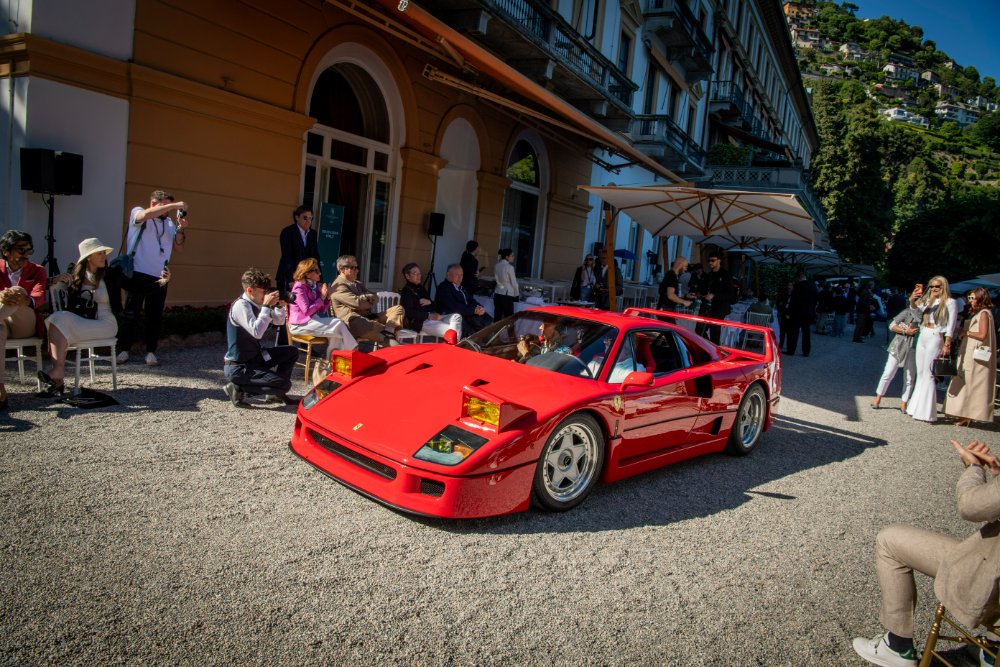
Christopher Stahl took home the Trofeo Auto & Design (for the most exciting design) for his 1989 Ferrari F40.
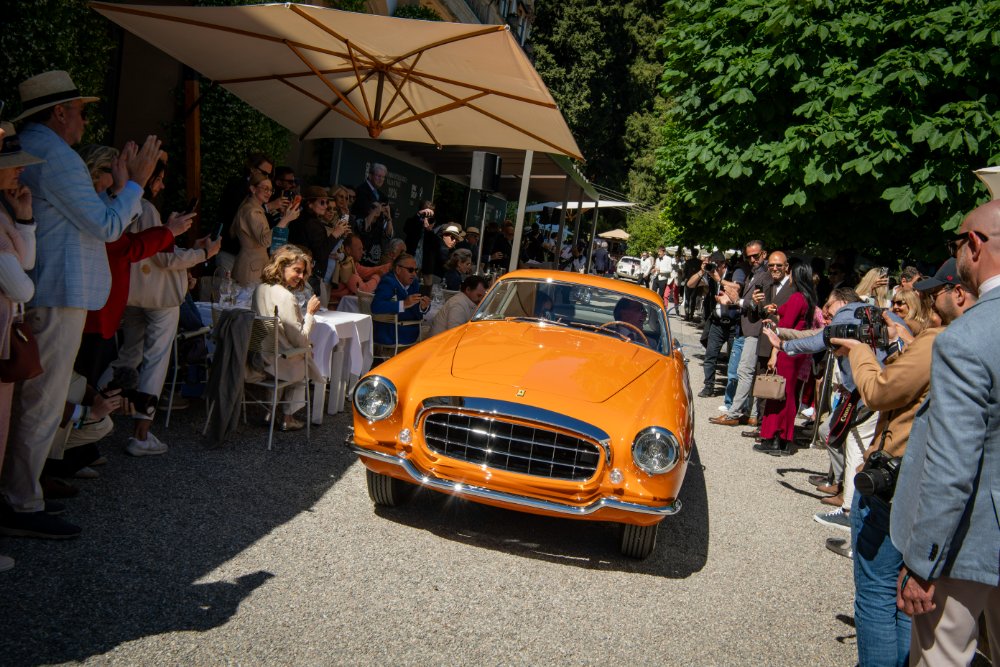
The 1965 Ferrari 375 MM of Thomas Peck took home the Trofeo Il canto del motore (for the best engine sound) at Villa d’Este 2026. In June 1954, American businessman Robert Wilkie commissioned Ferrari to build a road-going racing car based on a 375 MM chassis. It was specified with a Lampredi V12 derived from Ferrari’s Formula 1 engines, with the completed chassis then sent to Carrozzeria Ghia for bodywork. Design work at Ghia was overseen by Luigi Segre. Wilkie submitted ideas of his own, although most were set aside because they did not align with Ghia’s established design language. The shape was revised several times over the winter of 1954-55.
The final result was an aluminium coupé with a long bonnet, semi-fastback roofline and discreet tail fins, drawing influence from Ghia’s Supersonic design language and the DeSoto Adventurer II show car. Its two-tone orange and anthracite grey finish was chosen to emphasise the body’s surfacing. Although Wilkie initially felt the car risked looking too close to an American production model, the finished design was unique.
It was displayed at the Turin Motor Show in spring 1955. Delays before completion caused some friction between Wilkie, Ferrari and Ghia, but by summer 1955 chassis 0476 AM had been shipped to the US and delivered to Wilkie in Milwaukee. Chassis 0476 AM was the last of nine road-legal Ferrari 375 MM coupés built, the only one bodied by Ghia and the final Ferrari to receive Ghia coachwork. It later underwent extensive refurbishment, although not a full restoration, and today has covered fewer than 15,000km.
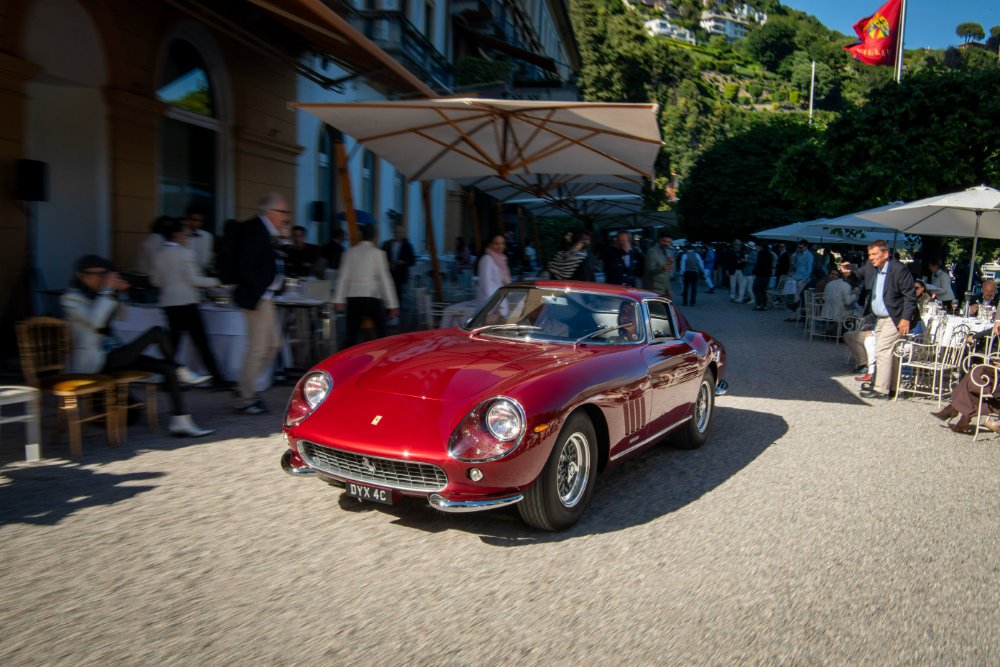
The Trofeo Automobile Club Como (for the car driven from farthest away) went to the 1965 Ferrari 275 GTB of Salon Privé co-founder Andrew Bagley. Chassis 07127 was built in 1965 and supplied new in Rosso Rubino. It is a rare right-hand-drive example fitted from new with the six-carburettor specification, one of only 11 cars built in that configuration. Its first owner also chose Borrani wire wheels as a factory option, rather than the Campagnolo ‘Starburst’ alloy wheels more commonly specified at the time.
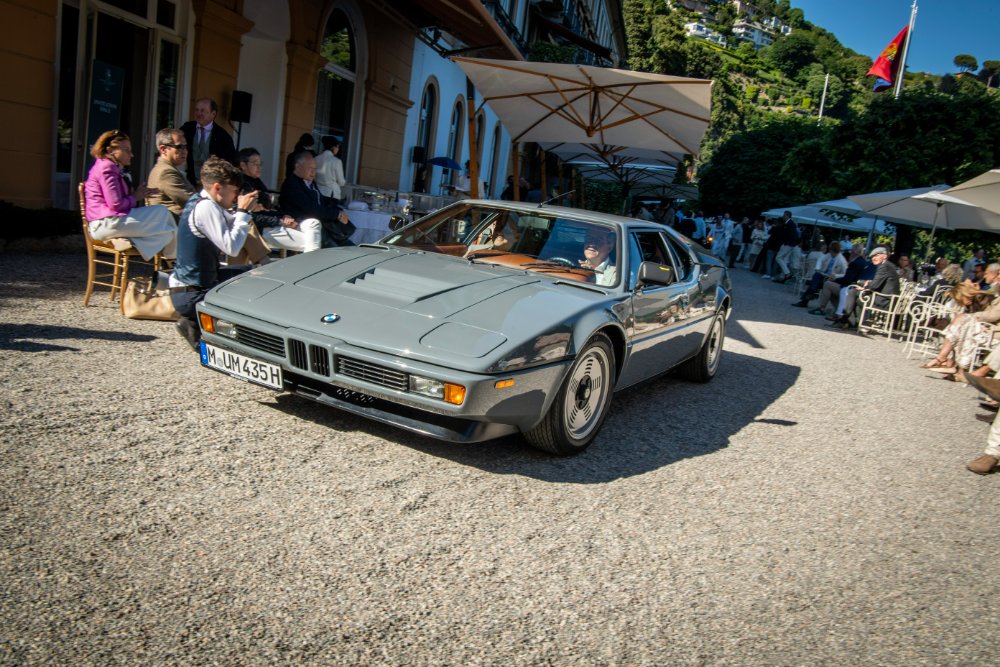
Finally, the Trofeo dei Schedoni Modena (for the car with the best-preserved leather interior) went to Marcus Wolsdorf’s 1980 BMW M1 at Villa d’Este 2026. It was first delivered to Jochen Neerspach of BMW Motorsport in this unique colour combination.
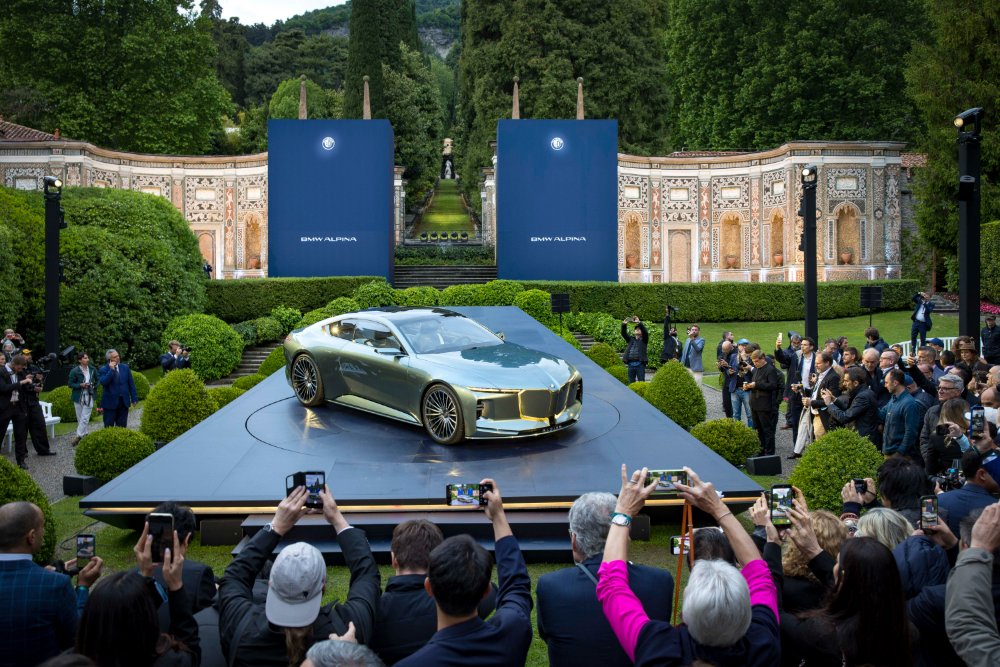
Villa d’Este 2026 also saw the launch of the Vision BMW Alpina concept car, the first sight of what Alpina’s future direction under direct BMW control. Take a look at our dedicated article here.
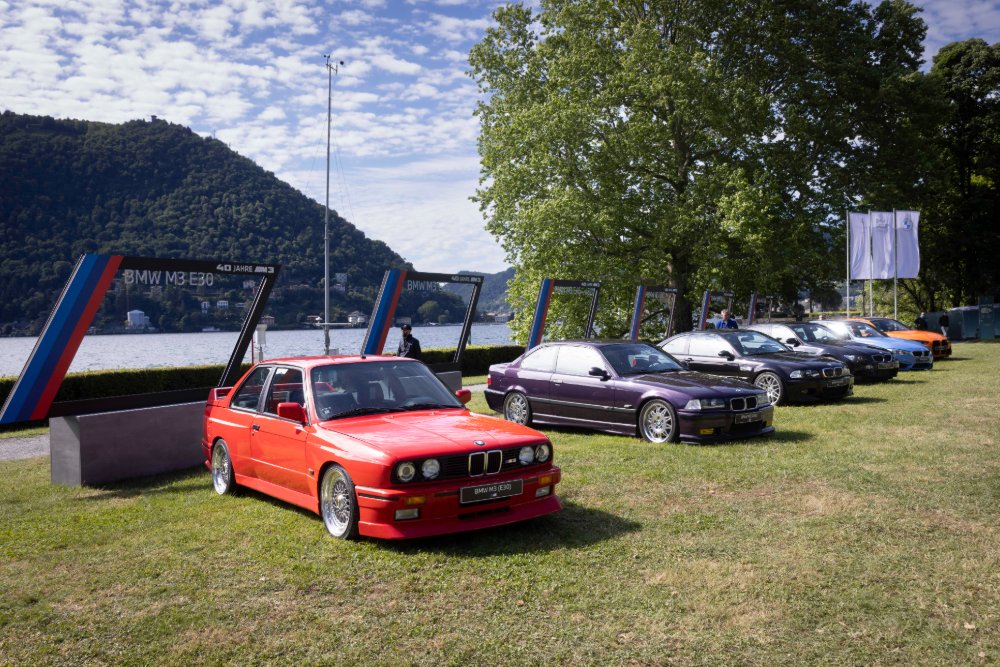
The Concorso d’Eleganza Villa d’Este 2026 weekend incorporated the €40 show at Villa Erba on Sunday, where 40 years of the BMW M3 was celebrated, along with the Broad Arrow two-day auction (you can read our report on that here).
More details on the Concorso d’Eleganza Villa d’Este 2026 can be found here.
Concorso d’Eleganza Villa d’Este 2026 results
Trofeo BMW Group – Best of Show by the Jury: 1937 BMW 328 Bügelfalte (Stefano Martinoli). Also won Class B, Future Couture – Dressed For Speed, 1928-1939.
Class Winners
Class A: Automotive Tailoring – Over A Decade Of Opulence, 1923-1934: 1931 Delage D8 (Hans Jörg Hübner).
Class C: Viva Villa d’Este – Extravagant 1950s Style: 1952 Ferrari 212 Coupé Speciale (Dennis Garrity).
Class D: The Top Goes Down, The Price Goes Up – Selling Sunshine: 1958 BMW 507 (John Stafford III).
Class E: They Earned Their Names: Enzo’s Endurance Legends: 1957 Ferrari 250 GT by Zagato (Collezione Abetone).
Class F: Every Scratch Tells A Story – Aging Gracefully Without Restoration: 1969 DeTomaso Mangusta (Thomas Shannon).
Class G: From Carnaby Street To The Autostrada – The Swinging GT Driver: 1971 Lamborghini Miura SV (Allan McDonnel).
Class H: The Pace Race – The Supercar Comes Of Age: 2000 Volkswagen W12 Nardò (Gregor Piëch).
Special Prizes
Trofeo BMW Group Ragazzi (by Young People’s Referendum): 1928 Bugatti Type 37 (HMG van der Anker).
Concorso d’Eleganza Design Award For Concept Cars & Prototypes: 2026 Kimera Automobili K-39
Trofeo del Presidenti della Giuria (by the President of the Jury, Lorenzo Ramaciotti): 1986 Ferrari Testarossa (Ronald Stern).
Trofeo dei Presidente (by the Presidents of International Concours): 1939 Bugatti 57C (Thomas Price).
Trofeo Coppa d´Oro Villa d´Este (best of show by public referendum): 1963 Mercedes-Benz 300 SL (Eric Blumencranz).
Trofeo BMW Group Classic (for the most sensitive restoration): 1962 Ferrari 250 GTO (Keybridge Collection).
Trofeo Vranken-Pommery (for the best iconic car): 1957 Cadillac Eldorado Brougham (Don Ghareeb).
Trofeo ASI (for the best preserved post-war car): 1954 Fiat 8V Zagato (Johan Lont).
Trofeo Auto & Design (for the most exciting design): 1989 Ferrari F40 (Christopher Stahl).
Trofeo Il canto del motore (for the best engine sound): 1954 Ferrari 375 MM (Thomas Peck).
Trofeo Automobile Club Como (for the car driven from farthest away): 1965 Ferrari 275 GTB (Andrew Bagley).
Trofeo dei Schedoni Modena (for the car with the best-preserved leather interior): 1980 BMW M1 (Marcus Wolsdorf).