

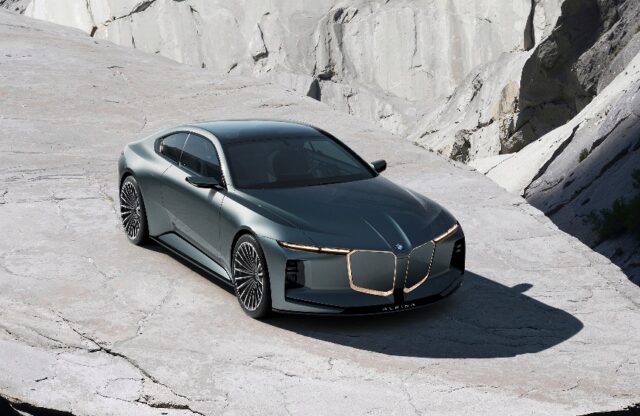
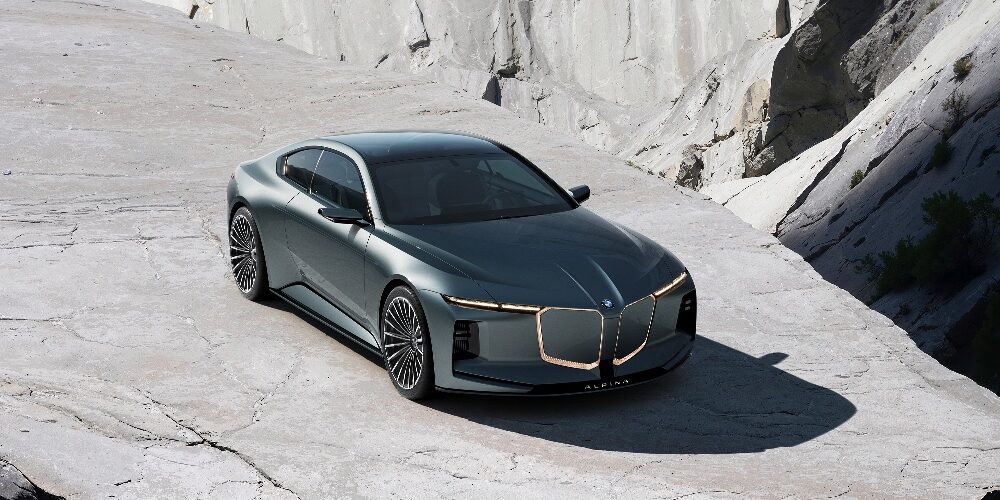
BMW has revealed the Vision BMW Alpina, a one-off concept car that previews how the Alpina brand may develop under BMW Group ownership. Unveiled at the 2026 Concorso d’Eleganza Villa d’Este, the design study is not a production model, but it gives an indication of the themes BMW intends to carry forward for Alpina: long-distance performance, driver comfort and understated luxury.
To understand how BMW intends to translate those themes into production, Magneto was invited to a pre-Villa d’Este preview and an audience with Oliver Viellechner, vice-president of BMW Alpina, and Maximilian Missoni, vice-president of BMW Design.
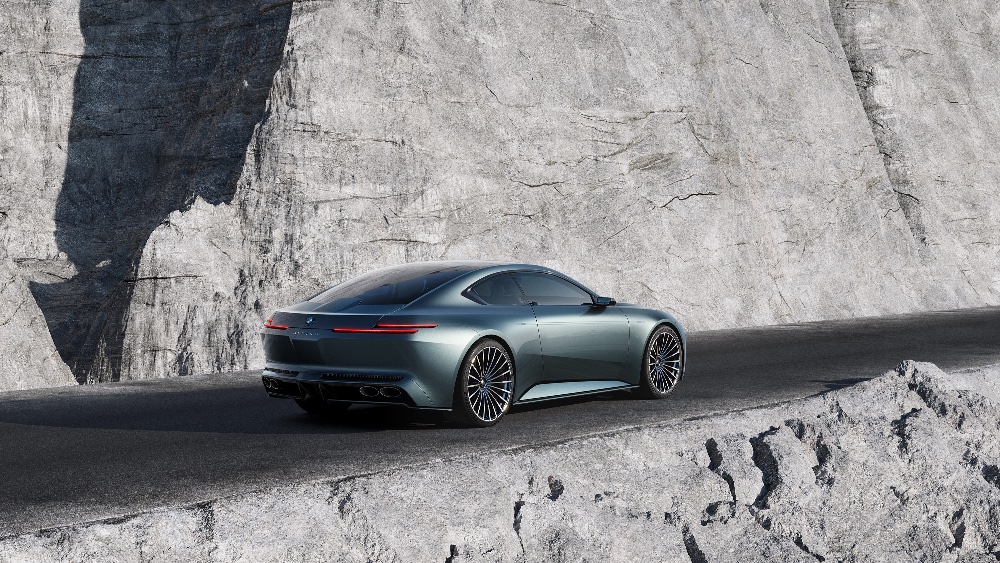
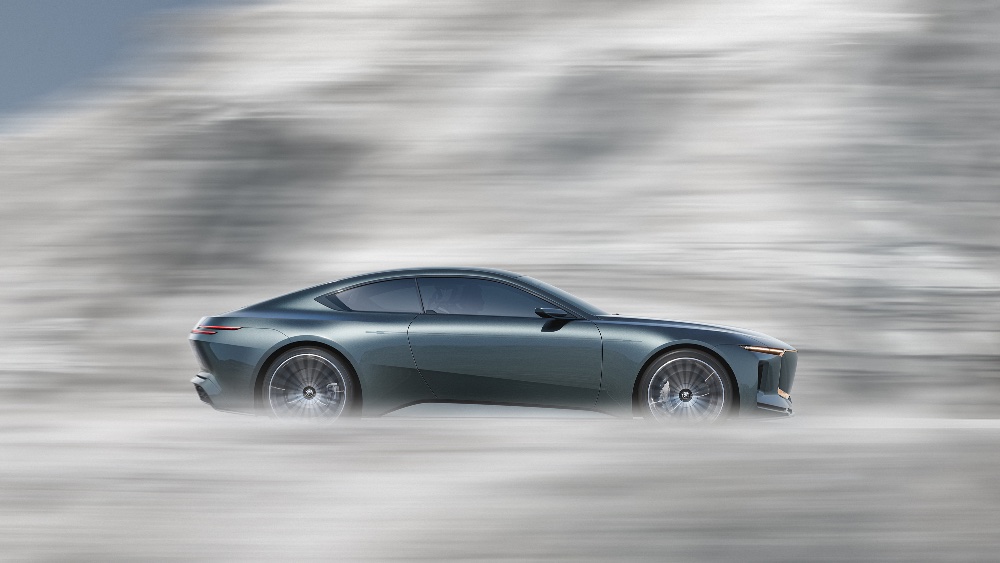
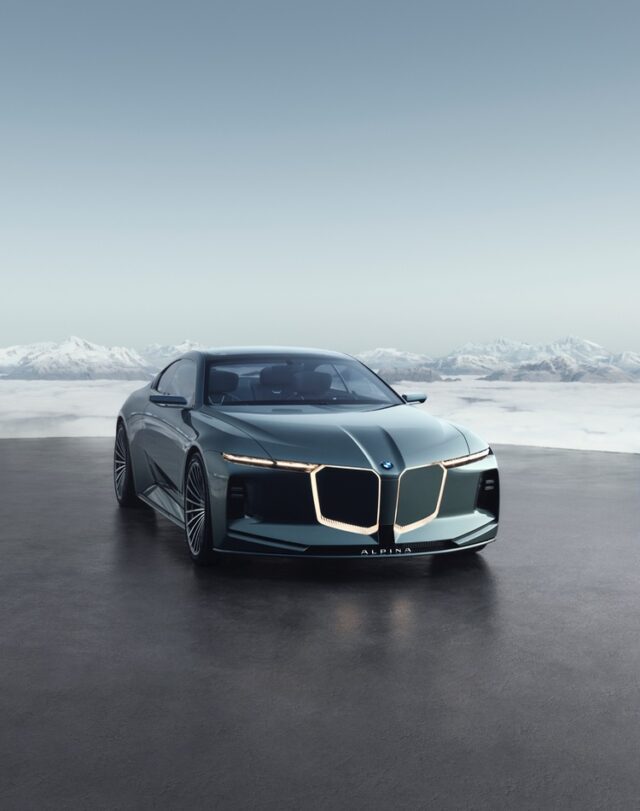
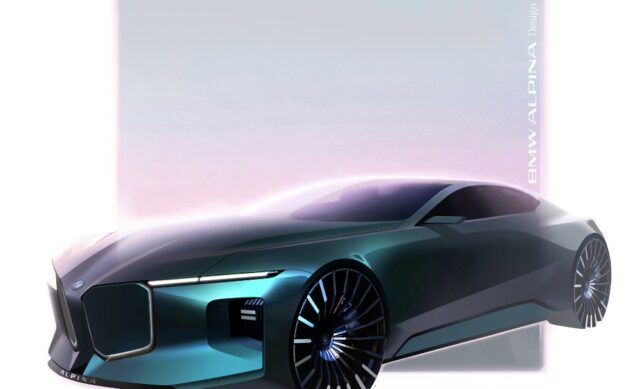
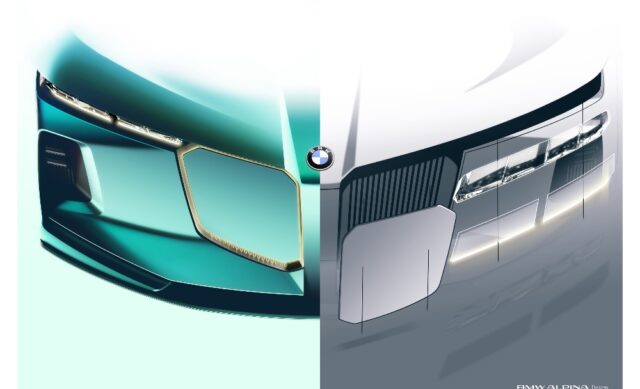
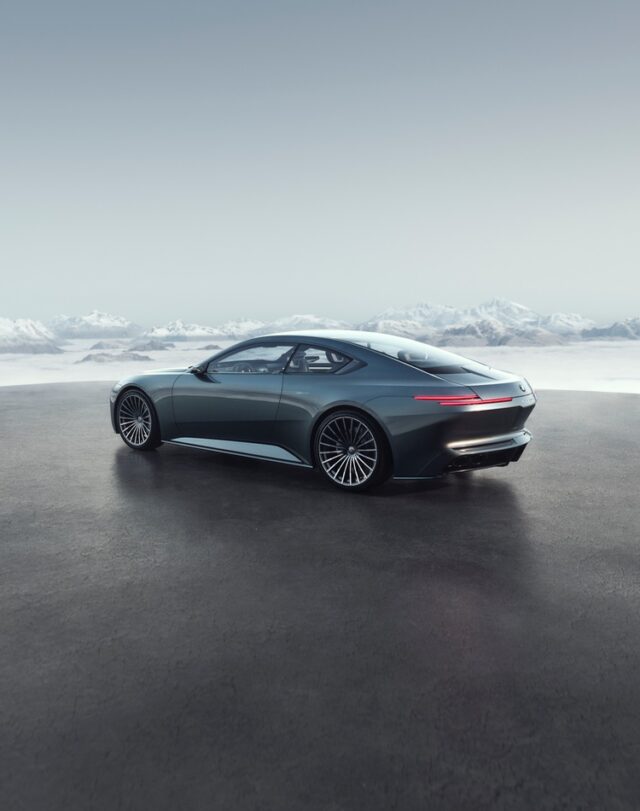
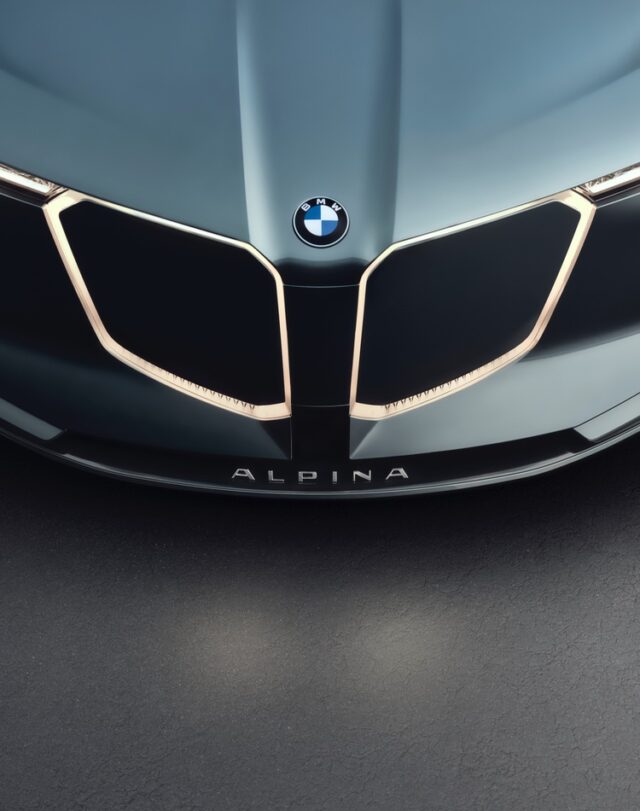
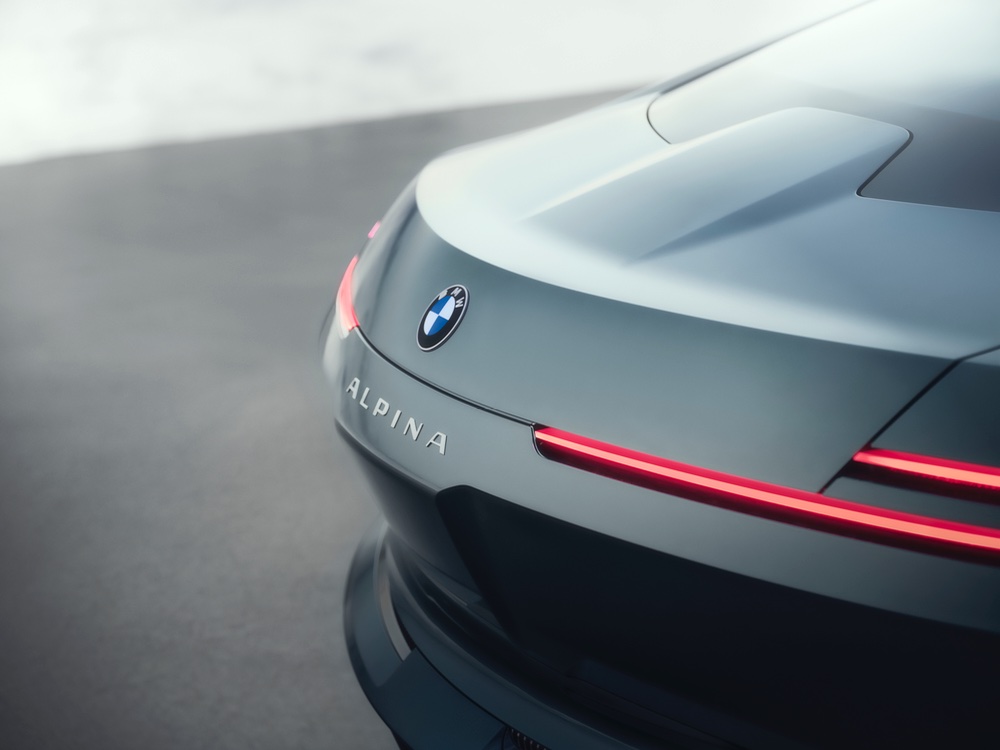
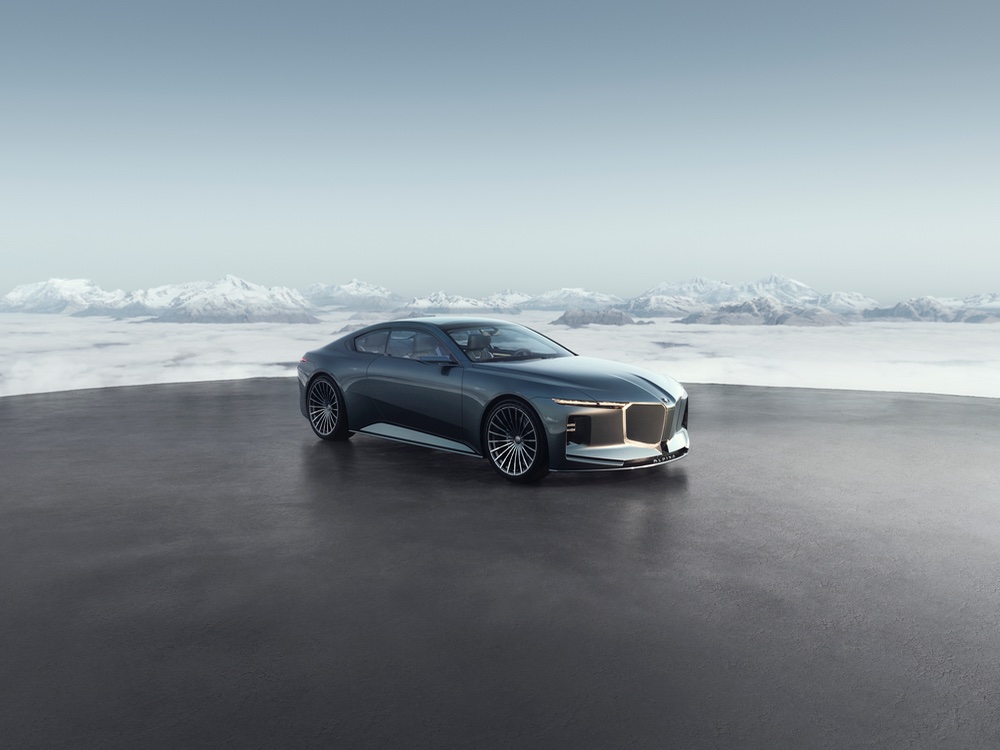
The Vision BMW Alpina is a large four-seat coupé measuring 5200mm in length, powered by a V8 engine, although no output, performance figures or production-related specifications have been released. The car’s proportions draw on several familiar Alpina cues. It has a long bonnet, low roofline and broad stance, with a front-end treatment referencing the ‘shark nose’ associated with earlier Alpina models, including the late-1970s B7 Coupé based on the BMW E24 6-Series.
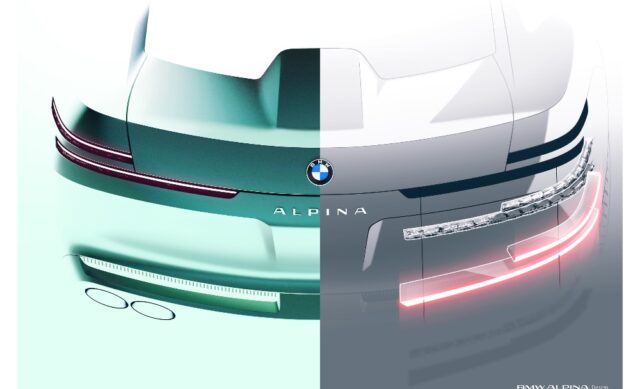
A six-degree feature line runs from the lower front corners, along the sides of the car and around the rear. BMW says this line is intended to structure both the exterior and the interior design. Alpina-style deco-lines also appear, but rather than being applied as external graphics, they are painted beneath the clear coat.
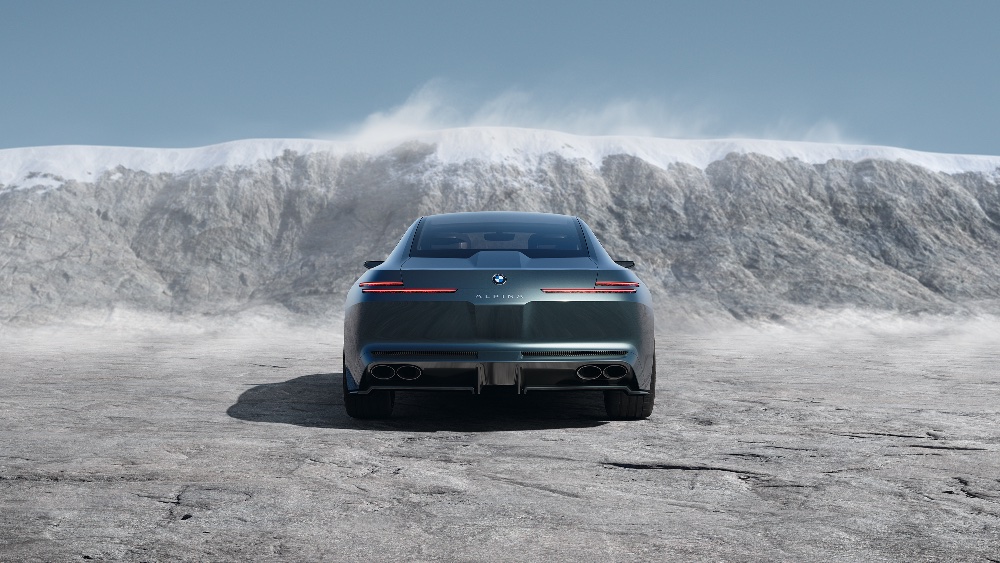
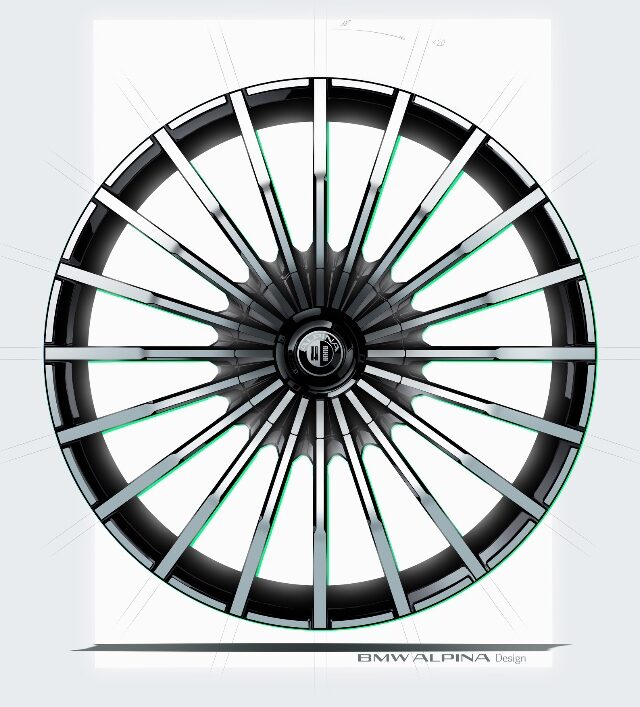
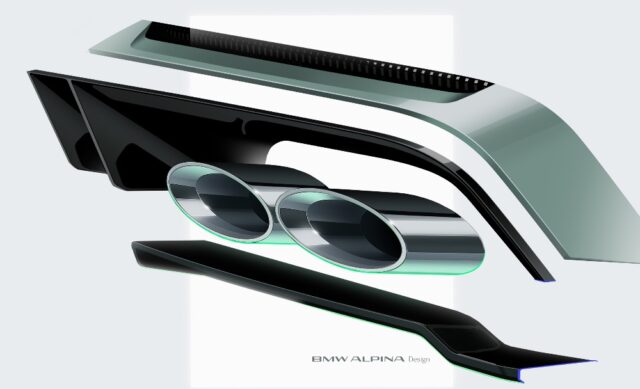
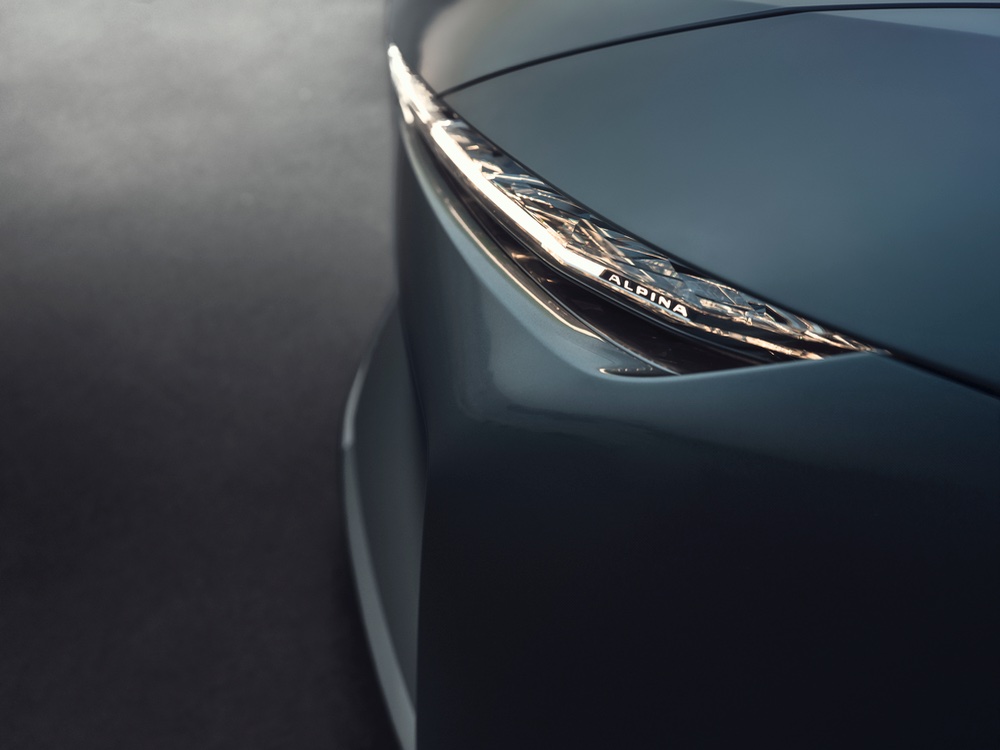
Other recognisable Alpina details include 20-spoke wheels, measuring 22 inches at the front and 23 inches at the rear, four elliptical exhaust outlets and ‘Alpina’ lettering on the lower front apron. The lighting incorporates warm-white daytime running lights, illuminated grille surrounds and crystal elements in the headlamps.
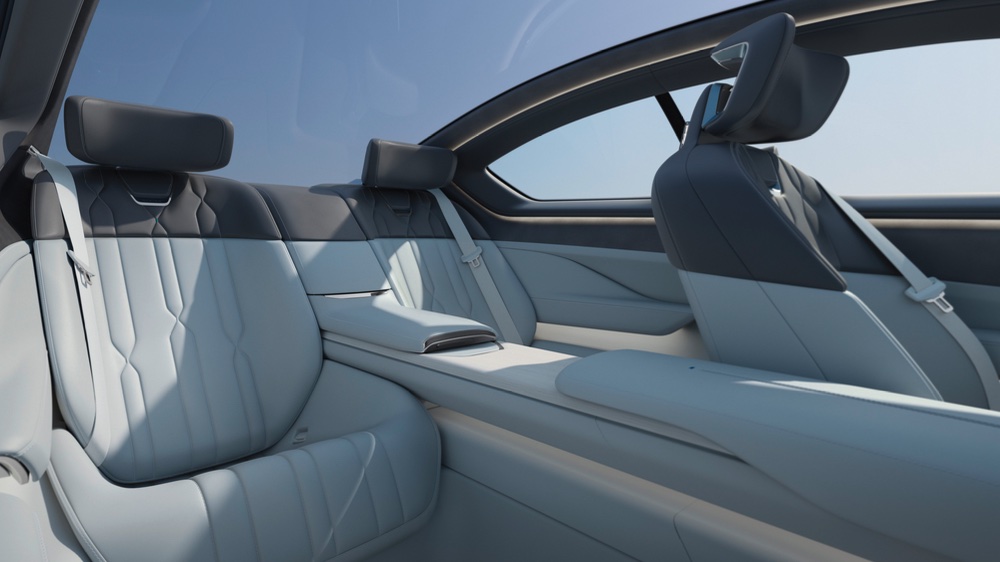
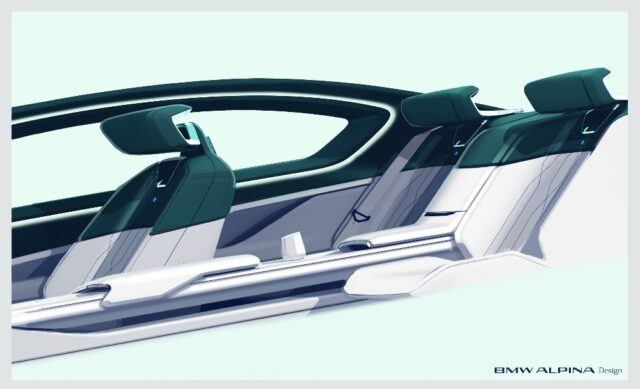
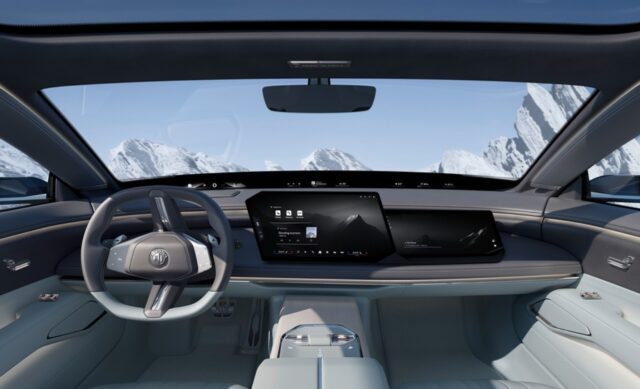
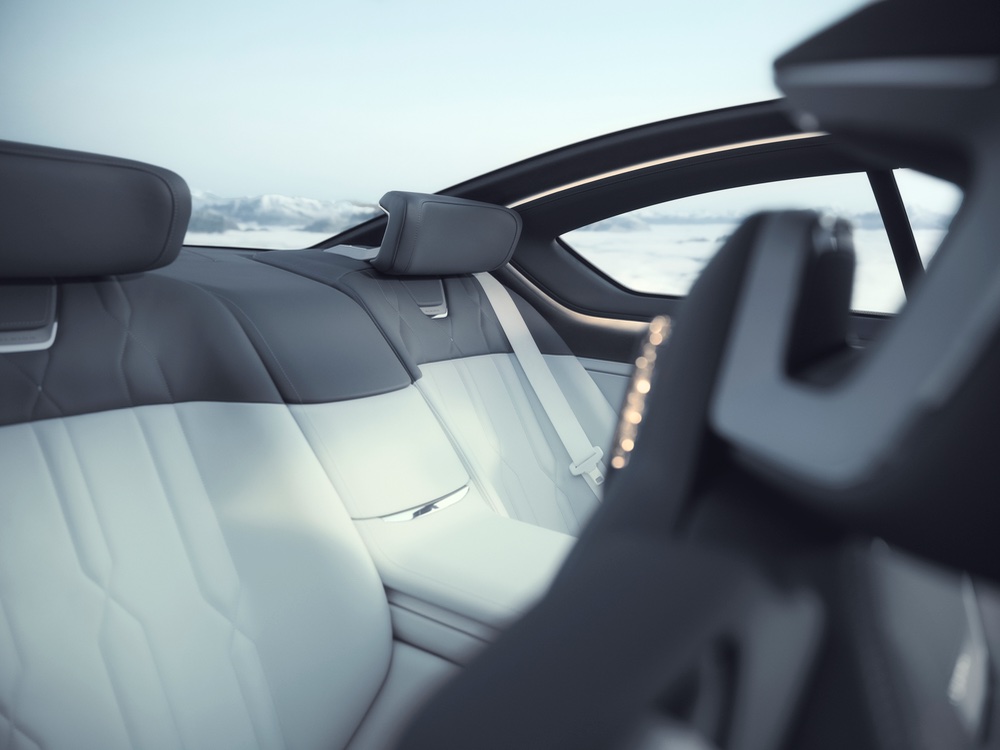
Inside, the concept continues the grand-touring theme. The cabin has four seats, full-grain leather sourced from the Alpine region, metal trim plus restrained blue and green detailing. These colours have long been associated with Alpina, but here they are used mainly for stitching and digital display graphics rather than as prominent exterior decoration.
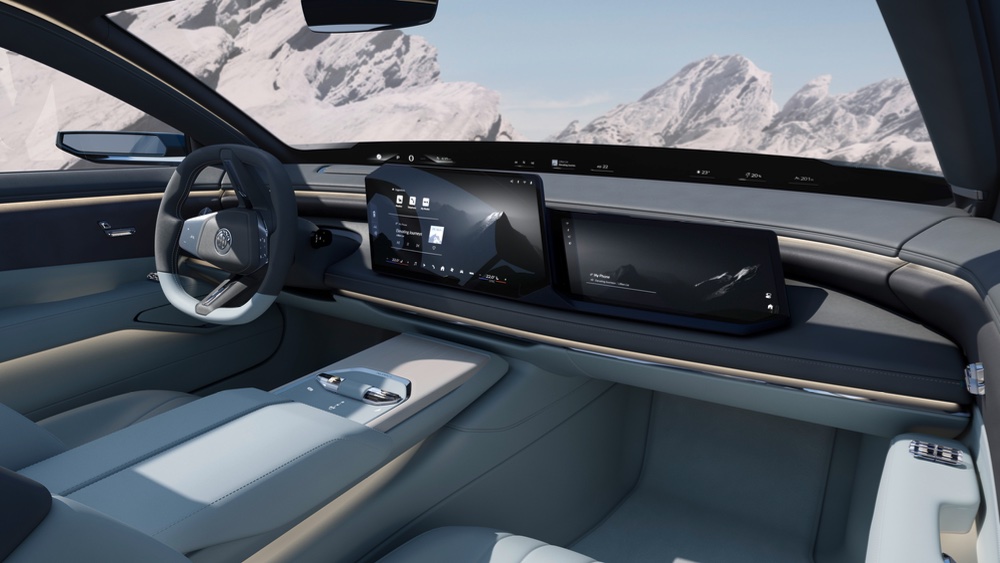
The dashboard includes BMW Panoramic iDrive, along with a passenger screen and Alpina-specific interface graphics. BMW says the display changes its use of blue and green tones as the driver moves between Comfort+ and Speed modes.
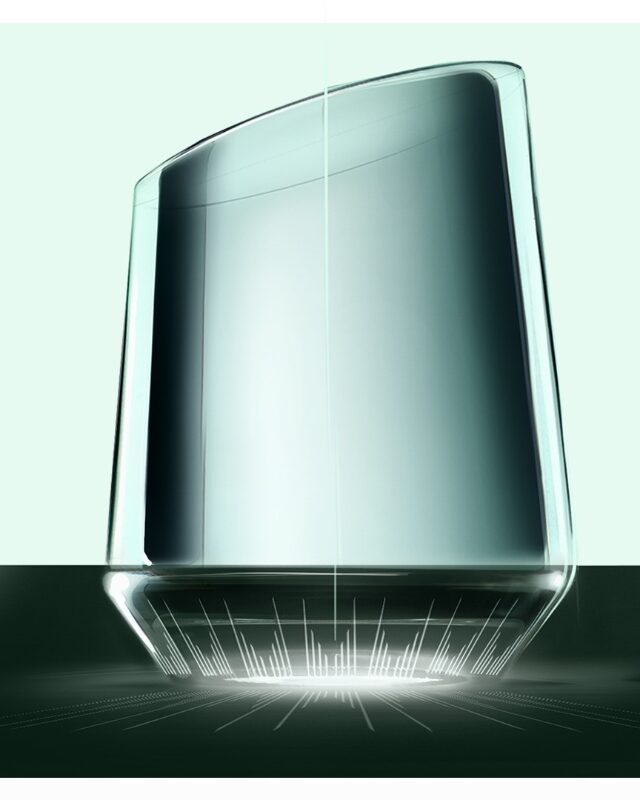
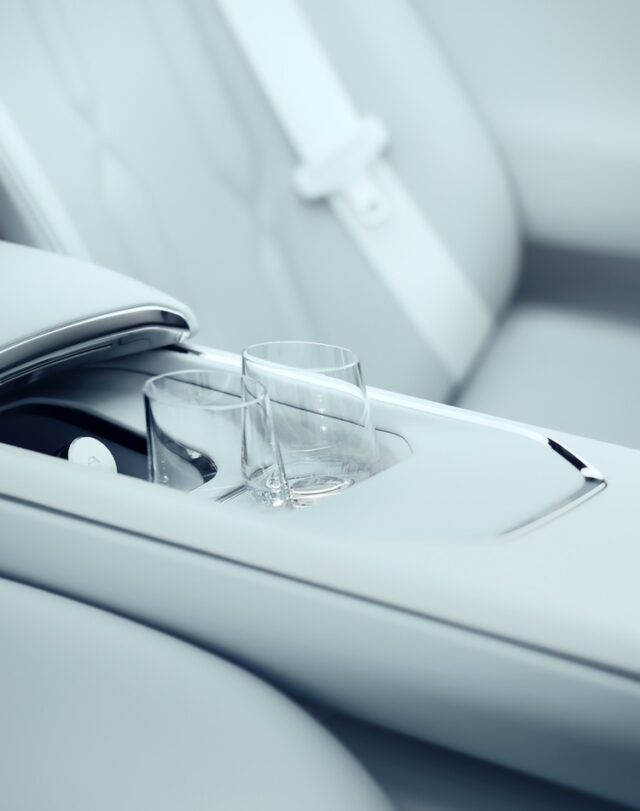
What has traditionally set Alpina apart, however, is ride quality. Comfort+ is described as a setting beyond BMW’s standard comfort calibration, intended to give the car a softer and more refined character. There are also several details aimed at rear-seat passengers. Behind the rear console is a glass water bottle and a set of Alpina-branded crystal glasses, which rise on a self-deploying mechanism. Each is engraved with deco-line detailing and held in place with concealed magnets.
While the Vision BMW Alpina is not pencilled in for production, the first BMW Alpina customer model under the new arrangement is expected in 2027. BMW has not confirmed the model, although Oliver Viellechner said the brand would begin “from the top down”, making the upper end of the BMW range the likely starting point. Previous Villa d’Este design studies have entered low-volume production, so the concept’s role as a purely visual marker should not be dismissed entirely.
Looking to the future
Magneto was invited to London’s The Cocochine for an audience with Viellechner and Missoni. The first question regarded why BMW took the decision to acquire the Alpina trademark rights. It did not buy the Buchloe company itself, which now builds its own Bovensiepen Zagato GT and runs the Alpina Classic division, dedicated to keeping historic Alpina models on the road. So, where does the brand fit within the BMW constellation?
Viellechner points to three reasons. “One is clearly that there are very attractive offerings out there at the top end of the automotive market, wonderful cars by very successful brands. We know there is market pressure out there, also in that segment, but many of those brands show great resilience,” he observes.
“If I look at Range Rover, for instance, it sells 50,000 to 60,000 Range Rovers; you can easily configure such a car to £200,000 and even above. Maybach also shows quite good resilience in China, in a very, very difficult overall market. In that segment, there is still good price realisation and strong upselling from S-Class into Maybach; that is really successful.”
He also sees that growth as likely to continue. “In our view, one key driver is simply the number of wealthy individuals globally, the very famous high-net-worth and ultra-high-net-worth individuals. You can pick any study that is out there: continuous growth is projected. That is important for us, because it is always better to bet on something that has a solid underlying trend,” Viellechner says.“What is also important is that we see people in that segment spending differently now than they did a few years ago. We believe the understated character of Alpina fits very well with that.”
There is also a gap within the BMW pricing structure. “We clearly see a quite substantial gap between the most expensive BMW so far and where Rolls-Royce starts,” he adds. “I think Rolls-Royce pricing starts at around €280,000, and the average Rolls-Royce sold is much higher. In between, there is quite an empty space, and other companies are successfully sitting there: Porsche, Bentley, Range Rover and so on.”
BMW Alpina’s identity is hinged around founder Burkard Bovensiepen, whose legacy of engineering credibility, endurance racing and meticulous design remains central to how the brand is being positioned today. “When you talk about Alpina, everything starts with him,” Missoni says. “Of course, we studied him quite deeply.”
Bovensiepen, the son of a typewriter manufacturer, was “not so much into typewriters”, Missoni says, but was instead drawn to tuning cars. His opportunity came soon after BMW followed the 1500 with the more powerful 1800. Bovensiepen saw a chance to extract another 20-odd horsepower from the car, a meaningful increase at the time, and began offering performance kits to customers.
That early work helped establish one of Alpina’s defining qualities: trust. “That was the first time that trust was built,” Missoni says. “We came across this notion of trust during the whole research phase quite a lot. Not only between customers and Alpina, because there is this really strong following, real fans in the community, but also between BMW and Alpina over time.”
That trust eventually grew to the point where BMW extended warranty coverage to Alpina products, underlining the depth of the relationship between the two companies. BMW studied Bovensiepen extensively, including his “sometimes quite charmingly random decisions”, Missoni says.
While he is not directly comparing Bovensiepen with figures behind brands such as Bugatti, Bentley or Ferrari, Missoni says BMW looked closely at how those companies continue to reference their founders’ legacies while still innovating. “We do not want to compare them directly with Burkard Bovensiepen,” he says. “But what is really interesting is how these companies always reference back to the legacy of their founders, and how they use that to keep innovating in their mindset.”
BMW is taking a similar approach with Alpina. “There is one true commonality between Enzo Ferrari and Bovensiepen: they were both mechanics in their early 20s,” Missoni says.
Bovensiepen later took Alpina into motor sport, not simply to chase results but to prove the strength and durability of his engines. Endurance racing became a natural arena for the company, particularly because Bovensiepen focused not only on reducing weight but also on improving comfort for drivers.
“Long distance was his thing,” Missoni says. “He had this special edge because he created additional comfort for his drivers. So he was not just interested in taking weight out of the cars, he also added comfort – and that increased their focus and made it easier for them to sustain their distances.”
After cars such as the E30 B6 3.5 S and E34 B10 Biturbo, Alpina’s later Buchloe years leaned increasingly into the luxury side of the market, just as BMW M evolved from homologation specials into an integral part of the brand pyramid. Despite Alpina’s competition history, including providing BMW with early touring-car success, its most recent motor sport programme was the B6 GT3, which ended more than a decade ago. As such, Alpina has a clear distinction from BMW M: “Speed, not Sport.”
“That is not only looking back at the history of the brand, but also clearly differentiating it from its M sibling. In our work going forward, we focused a lot on portraying this motto in the products,” Viellechner says.
But BMW’s definition of Alpina performance is not intended to mirror BMW M. Viellechner says the new cars must preserve the “unique Alpina driving experience” familiar to existing owners: “The driving experience must be unique, it must be serene, it must be in balance.”
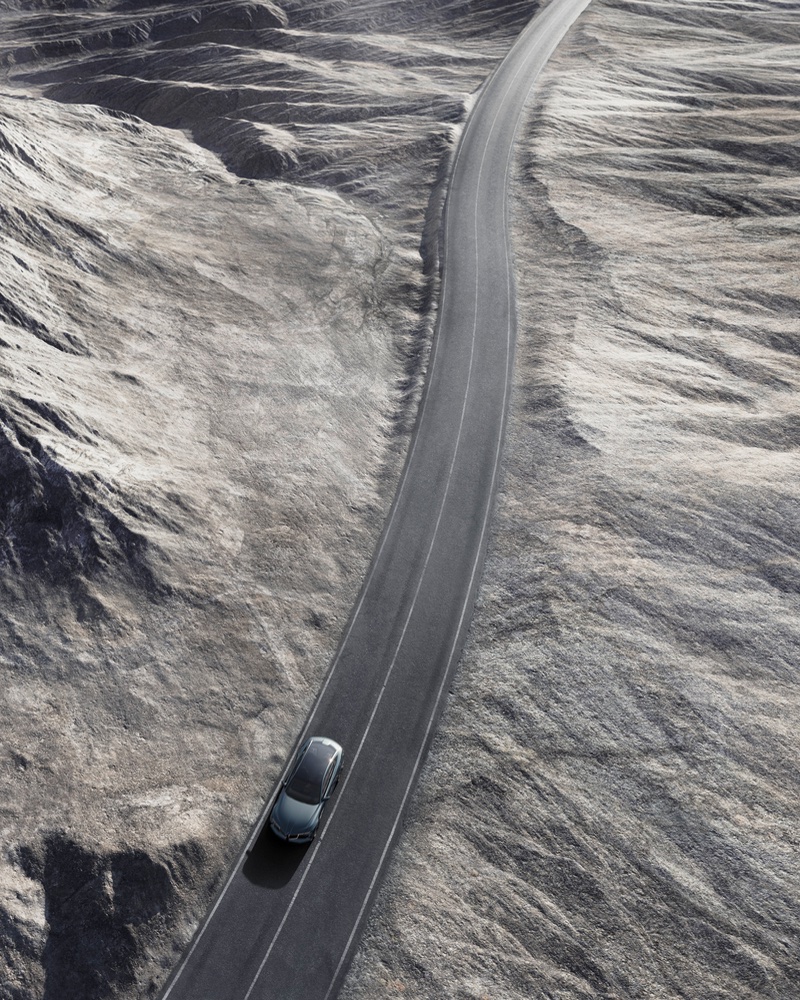
That balance is central to how BMW now defines the brand. “It is also the reason why we love to call those cars distance-shrinking machines,” Viellechner says. “It is just a car you love to spend a couple of hours in on a highway, driving 400km in a row, driving fast but without being totally exhausted afterwards. That is what Alpina represents for us.”
The same thinking extends beyond chassis tuning. Viellechner says Alpina’s next phase will also be shaped by “refinement, craftsmanship and individualisation”, particularly as customers in this part of the market expect greater personalisation. “For us, it is not about over-decoration. It is not about being ostentatious,” he says. “It must be restrained, much more in the background and more coded.”
“Three hundred kilometres per hour plus will be something that is absolutely realistic for the first product. When you talk to colleagues from the engineering side, all the best BMW engineers will be keen to get their hands on these new BMW Alpinas, to do their magic and perfect them and take them further into the performance levels.”
He is unequivocal about the importance of those performance levels. “Top speed is very important for Alpina; it will remain so in the future,” he says. “Alpina cars will always be open; there is no driver’s package you need as an addition. They go as fast as they can, there is no limitation. We will see what the cars can do.”
However, what has traditionally set Alpina apart is ride comfort. It is something the engineering team is aware of, particularly with regards to Comfort+. “The ability to talk about this unusual comfort setting of one step further, to give an extra level of supple driving, is also a function that we will keep going forward. We will even make it the start-up mode,” Viellechner says.
“For us, however, it is even more than a function. It is also a bit of a philosophy. So everything we touch in an Alpina must feel really above and beyond. Everything you feel, touch and smell must really be of perfect touch: the quality of the materials, the execution.”
He says that philosophy has already led to challenging internal discussions. “I remember quite a few discussions with our engineers when we reached that 90 percent perfection in a car. Engineers said: ‘Look, we got all the way to this. Isn’t that great?’ The thing in the Alpinas is that we must not make a single mistake anywhere. A small patch of cheap plastic will ruin the whole experience. That is why I said it is a philosophy for us.”
Alpina will remain an exclusive, low-volume brand but with a more global sales strategy. Viellechner would not discuss exact volumes, adding that Alpina would be steered very differently from BMW. The brand was historically limited not only in volume but also geographically. BMW intends to change the latter, without substantially changing the former. “It continues to be really exclusive,” Viellechner says.
The first new BMW Alpina production car is due to be shown next year. Viellechner says the model will start from the top down, meaning the brand’s initial focus will be on the upper end of the range rather than traditional Alpina heartland models such as the 3-Series and 5-Series. Those smaller models could return in the longer term, but not at launch and not as an immediate second step. “It would be wrong to do that as a start,” he says.
The next Alpina will have its own differentiated engine, power output, torque, top speed and chassis tuning. Viellechner also confirms that the car will not simply be a collection of standard BMW parts, saying there will be components used only on Alpina models. Asked whether bespoke items such as differentials, cooling systems or reinforced gearboxes could feature, he says: “This could very much happen. There will be no rule against that.”
Viellechner also says Alpina will continue to be defined by powertrain, chassis and driving attributes, rather than by styling alone. While the brand will not focus on racing in the way BMW M does, Alpina will still “make a strong statement on a strong car”.
The distinction, according to Viellechner, is use case. Alpina customers are seen less as track-day users and more as owners who cover long distances quickly and regularly. Viellechner says many used Alpinas carry high mileages, often around 250,000km or more, underlining their role as fast daily drivers rather than occasional-use performance cars.
What will lie under the bonnet? Combustion engines will remain important to the new Alpina positioning. Viellechner refers specifically to a V8 “without a plug” and says a technology-neutral approach will apply to Alpina, while also acknowledging that electrification could form part of the company’s future.
Design and branding will be handled separately from mainstream BMW, with dedicated teams working on colours, materials and Alpina-specific identity. “We want to avoid overlap between the two brands, particularly in areas where Alpina needs clear differentiation,” Viellechner says.
The same approach will apply to retail. Not every BMW dealer will sell Alpina. Instead, Viellechner explains that BMW will use a selective dealer network, with dedicated showroom areas, individualisation studios and a brand environment intended to present Alpina as a distinct marque rather than a trim level.
The cars will be built using a combination of line production and additional hand-finishing in a dedicated manufacture area. The brand is also expected to lean heavily into leather, bespoke colour choices and individualisation, although non-leather interiors may be possible in future.
On that note, some parts of Alpina history did not make the cut, including the sometimes lurid mid-1980s cloth seat colours. “Once you start to dig into this rabbit hole of Alpina and these little stories of history, you cannot help but notice that they had some very expressive ways of playing with colour. There were the typical green and blue on the seats in the 1980s vehicles, which is quite exciting and quite cool in a way,” Missoni says.
“As a designer, you do not know if you should love it or hate it, but it was clear that it could not be applied in the same generosity as they did in the past for a luxury vehicle in this class. But we really wanted to use it because we thought it was very challenging.”
Instead, his team became inspired by Alpina’s steering-wheel stitching: “There is a typical Alpina thing with radial stitches being finished by a hand-stitched bridge stitch. We placed them in many places on the interior, hand-applied. It is a tiny detail, but it gives you that moment of reflection of the past.
“We also found out that Alpina fans really like their production plaque on the centre console or overhead console, and the little Alpina emblems in the carpets. So that is also something that we do not want to miss going forward.”
It’s clear that there’s been plenty of attention to detail – whether this enough to satiate the Alpina faithful remains to be seen, particularly if there’s a move away from the traditional 3-Series and 5-Series favourites. While it’s likely that the first car will be 7-Series based – it was confirmed that the first production Alpina will have four doors – Magneto expects an SUV to be part of the line-up sooner rather than later. Under Old Alpina, of the 2000 cars allocated to the Buchloe firm on BMW’s line, 700 each year were the XB7 large SUV. With projected moves forthcoming from Audi with its Horch brand, we expect to see an Alpina SUV on the bill very soon. As for the Vision BMW Alpina concept car – let us know your thoughts.
More information on Alpina can be found here.