

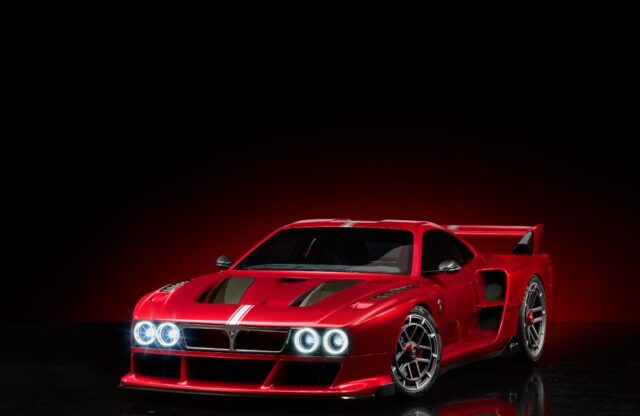
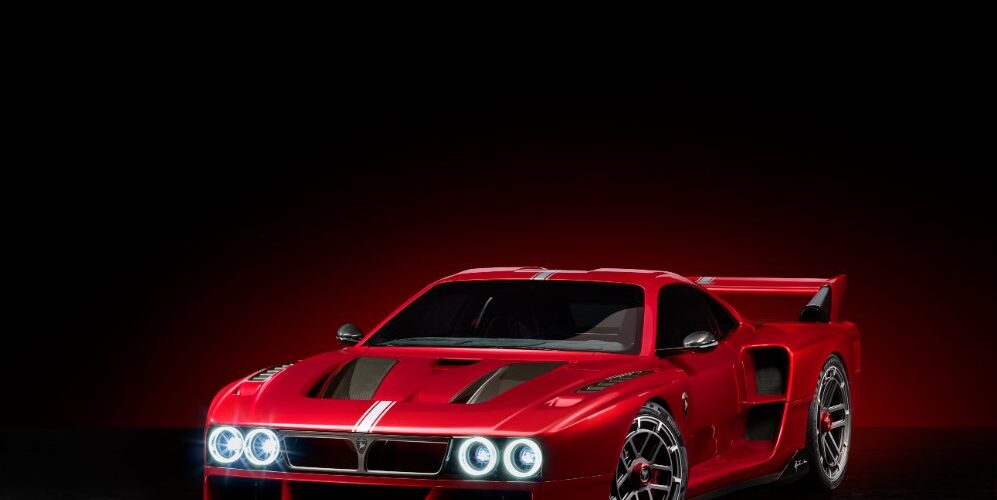
Kimera Automobili has revealed the K-39, its first fully original hypercar. The twin-turbocharged V8 comes courtesy of Koenigsegg, and there are plans to take on Pikes Peak.
The new model, launched at the Concorso d’Eleganza Villa d’Este 2026, marks a significant shift for the Italian company, which has built its reputation with the EVO37 and EVO38 modern reinterpretations of Lancia rally cars of the Group B era. The K-39 is not an evolution of an existing car, which is why it does not use Kimera’s familiar EVO prefix. Instead, the ‘K’ stands for Kimera, while ’39’ refers to the project number. Kimera says the result is intended to establish a new branch of the company’s identity. Magneto spoke to Luca Betti about the project and the wider plans for the Kimera brand – but first here’s more on the K-39.
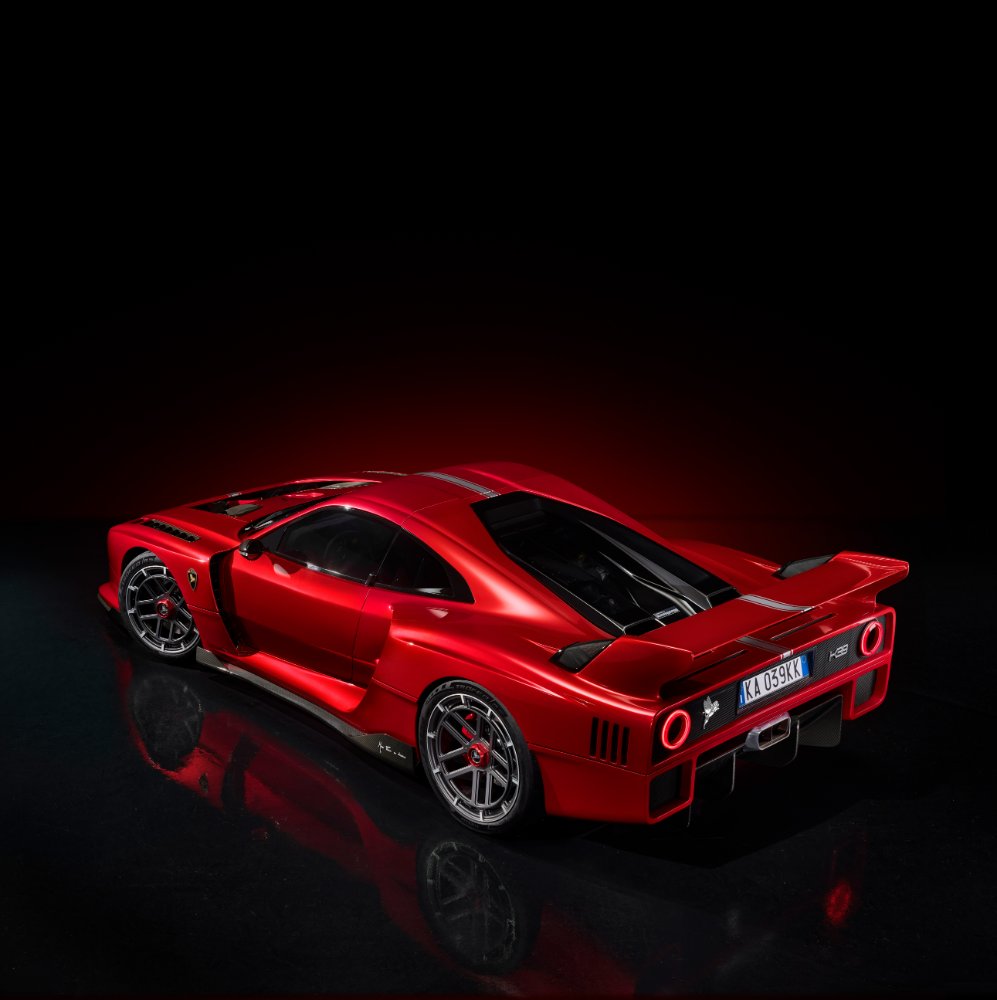
The K-39’s reference points are still drawn from the 1980s, but this time the influence shifts from rallying to endurance racing, particularly the sports-prototype and silhouette racers that competed in the World Endurance Championship period.
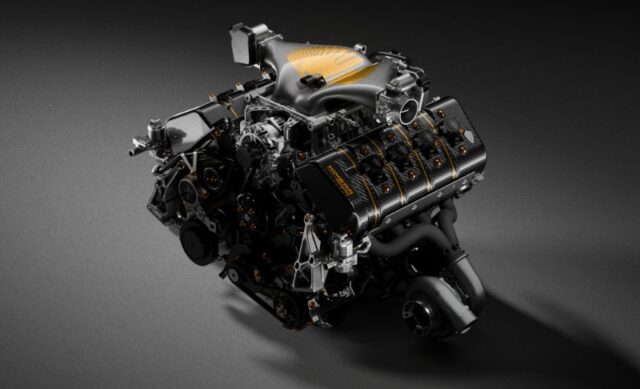
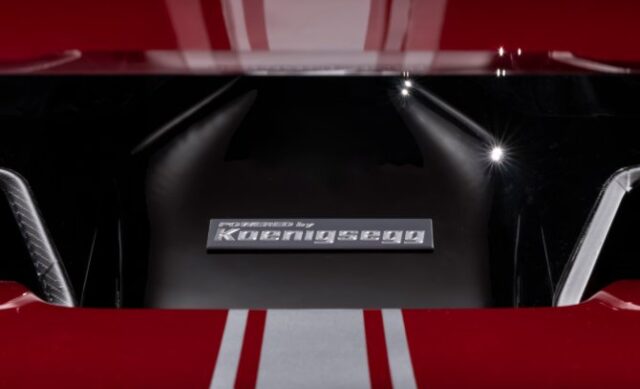
The most notable part of the project is its engine. Kimera has worked with Koenigsegg on a bespoke twin-turbocharged V8, developed for the K-39 rather than lifted unchanged from an existing application. In Kimera specification it produces 1000bhp at 7350rpm and 885lb ft of torque at 5500rpm, with an 8250rpm maximum engine speed.
Kimera says the turbocharging system has been resized and lightened compared with higher-output Koenigsegg engines, with the intention of improving response and driveability. The engine has also been adapted for current emissions and OBD requirements, is monitored through Koenigsegg Cloud and can receive over-the-air updates. Kimera says the car has been calibrated to deliver full performance across major markets.
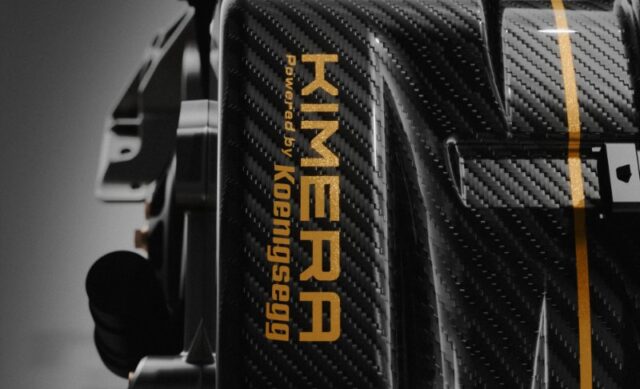
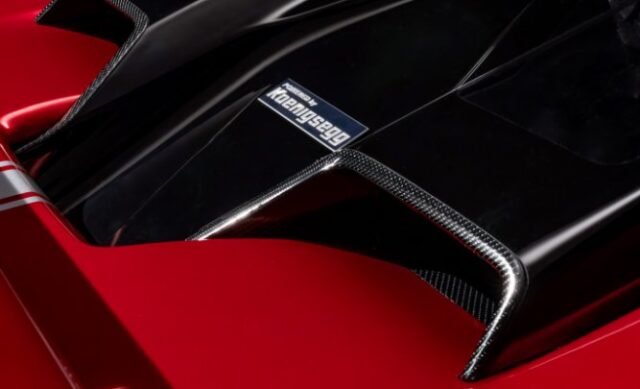
For Koenigsegg, the arrangement is part of a broader move to make some of its technology available to selected external projects. The Swedish company’s involvement is not limited to combustion engines; its wider technical base includes electric motors, batteries, inverters, electrical architecture, cloud connectivity, data logging and OTA software. In the K-39, however, the headline contribution is the V8.
Christian von Koenigsegg described the project as “independent, emotional, technically ambitious and built with a clear sense of purpose”, adding that his company had developed a dedicated version of its twin-turbo V8 to suit the character Kimera wanted for the car.
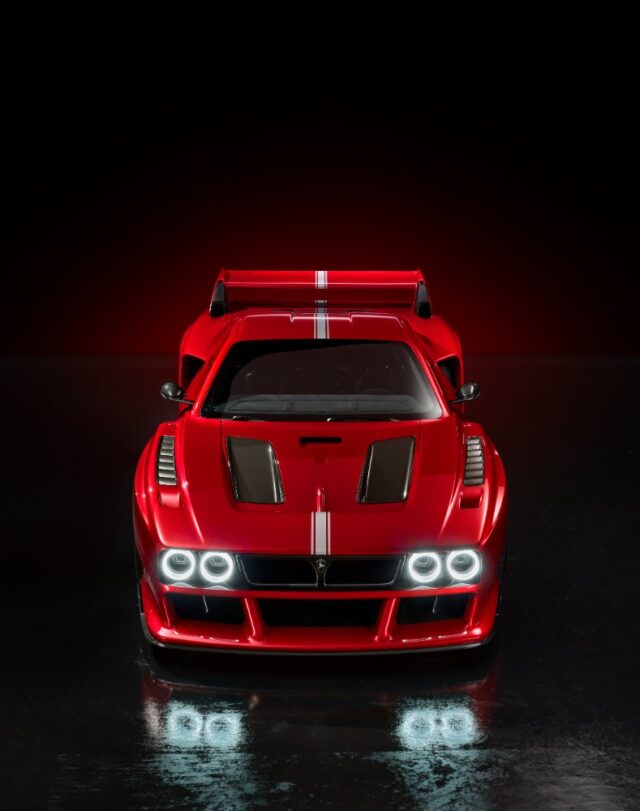
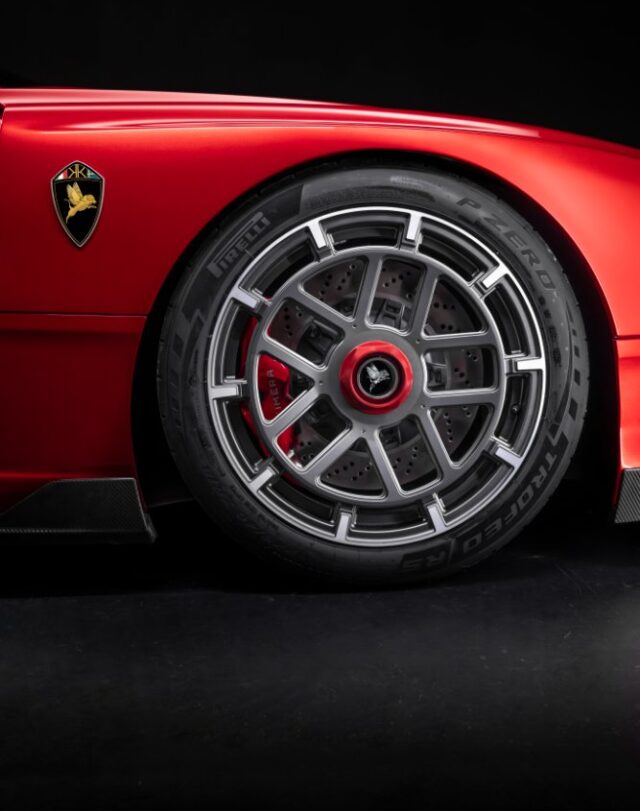
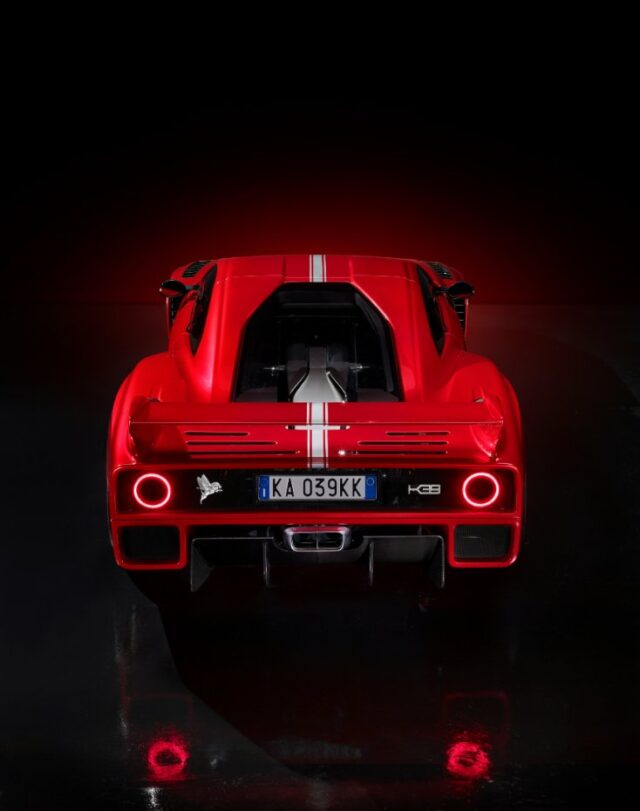
Kimera Automobili is also trying to define the car visually on its own terms. The company says there is a family link with the EVO37 and EVO38 in the front and rear graphic treatment, but the proportions are intended to be those of an endurance-inspired hypercar rather than a rally-derived machine.
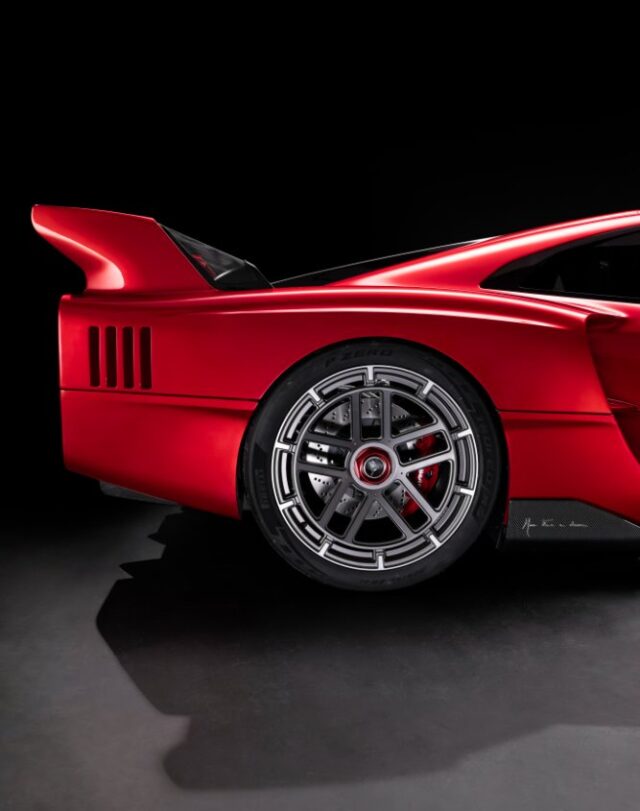
The front end has been shaped around airflow management, with the headlight clusters integrated into the broader aerodynamic treatment. Kimera also references the use of an S-duct. At the rear, the screen, extraction surfaces and wing have been conceived as a single aerodynamic arrangement, with the wing also serving as a nod to the racing cars that informed the design.
Kimera also refers to a relationship with Dallara, although it is careful not to describe this as a formal technical partnership. Instead, it is presented as an exchange of ideas and a point of continuity with Italian motor sport engineering, particularly the endurance-racing culture that informs the K-39. In practical terms, the main confirmed technical partner remains Koenigsegg.
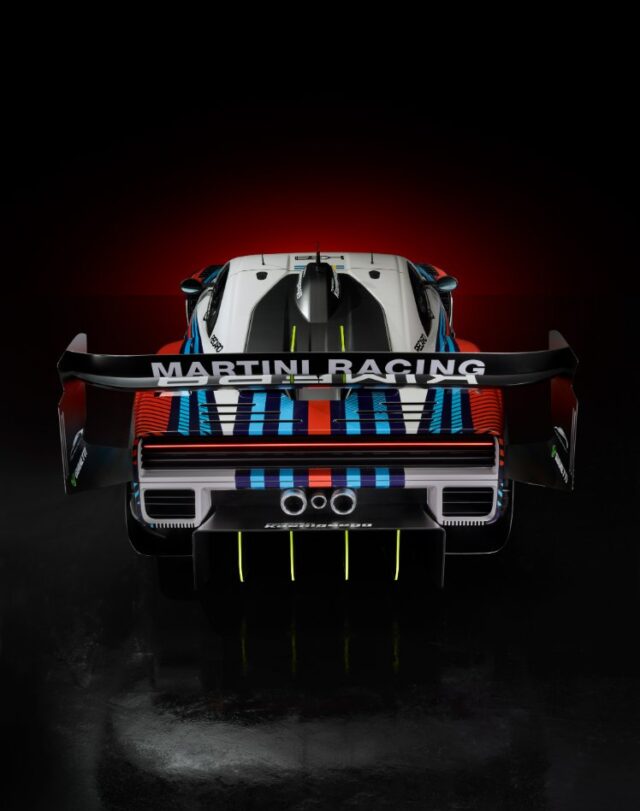
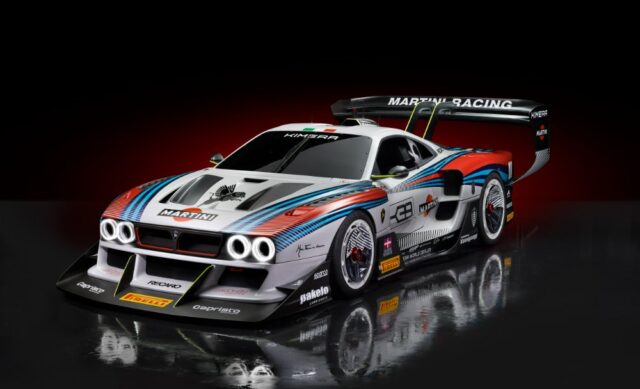
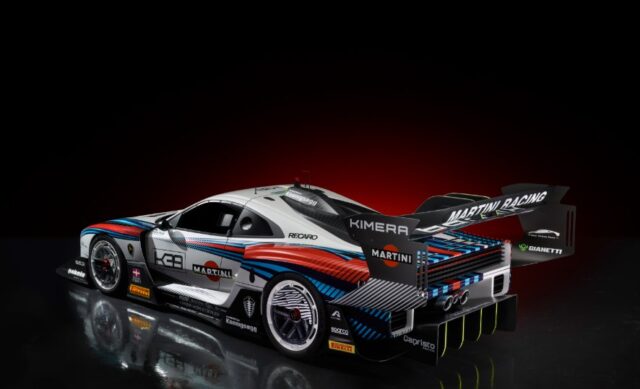
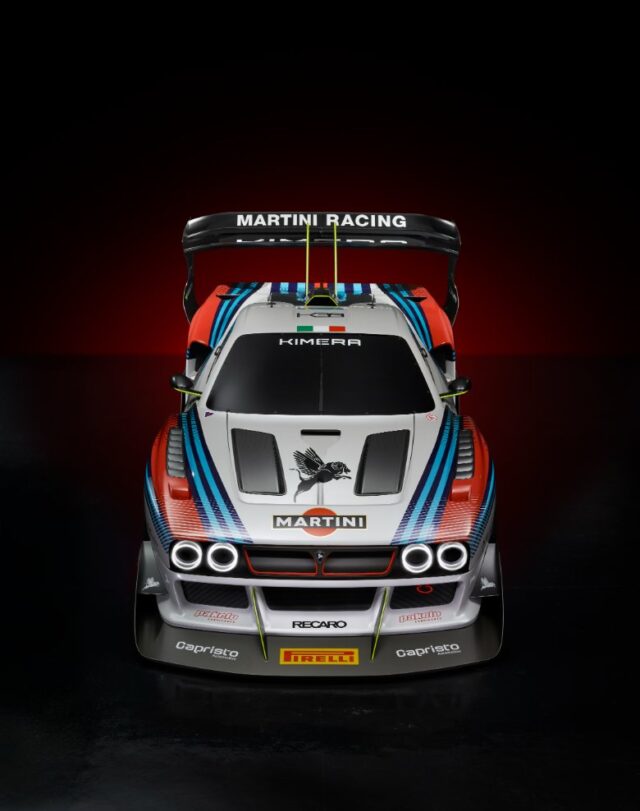
The K-39 is also being developed with Pikes Peak in mind. Kimera has previously stated its intention to compete in the Race to the Clouds, and the K-39 now gives that programme a more tangible basis. The company says its aim is to take a highly developed internal-combustion car to the event, presenting the project as an argument that combustion technology still has room to evolve.
A specific Pikes Peak configuration will form part of the K-39 programme. It will be offered only to the first ten customers who committed to the project and will include a dedicated aerodynamic package, additional appendages and rapid-adjustment solutions for track and track-day use. Kimera says the configuration will retain road legality.
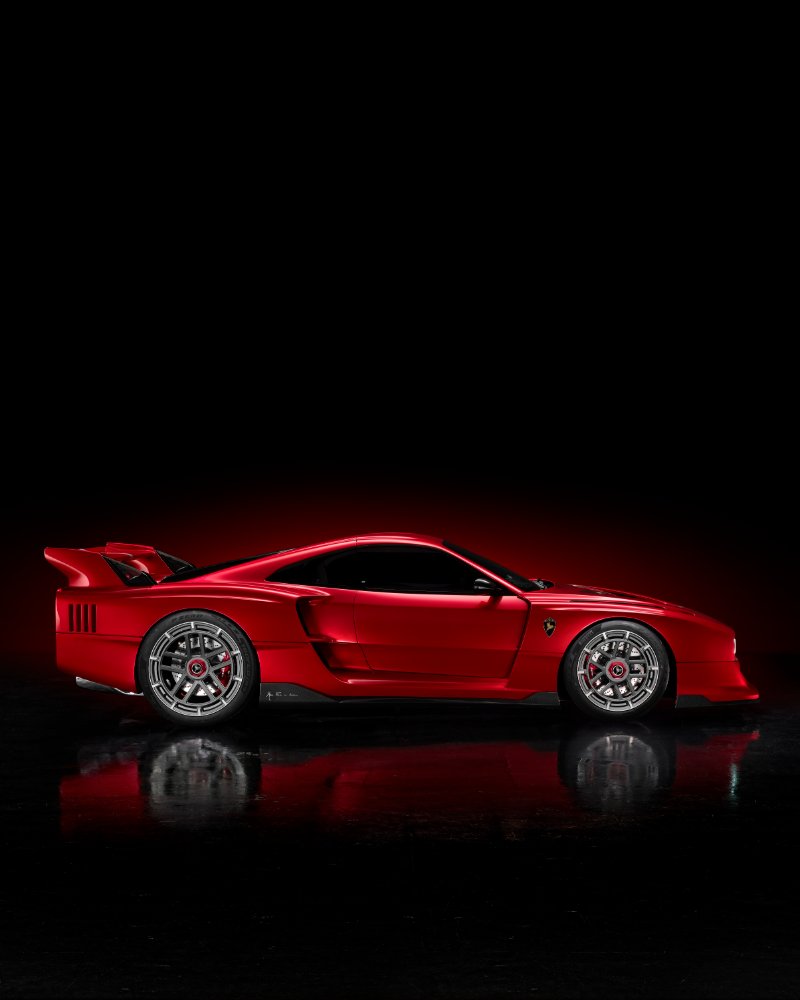
The company has not yet confirmed total production numbers for the K-39, although it says the car will be built as a limited series. More than 20 examples had been allocated before the model’s first public appearance at Villa d’Este. We caught up with Luca Betti after the launch at nearby Villa Flori, to see how the brand has developed over the past few years.
And it has been only a few years – the brand was launched in 2021 with the two-wheel-drive EVO-37 homage to the Lancia 037, using a Beta Montecarlo/Scorpion as its basis; that sold out by the end of 2023, with a special Martini series following. A year later, work began on developing the four-wheel-drive EVO-38.
“That is now ready to be industrialised and go into production; in June we will start delivering the first EVO-38s; those are all planned for this year and next year,” Betti says. “In two years, we will deliver all the cars.”
The EVO-38 is available all around the world, including the US. “Our process starts with the purchasing of the donor car. We have two dealers, HK Motorcars and Graham Rahal Performance; they provide the old cars for the customer, then they ship them to us. We transform them, then temporarily export and re-import them into the US,” Betti explains. “The process takes around 15 weeks, but we have the tail of production, so actually we have a delivery time of about 18 months to two years.”
Each cars is made on demand, so there’s plenty of scope for customisation: “We have an out-of-series car. Our customer comes to us and has the chance to build the car with us, literally configuring everything: the chassis, the calipers, the suspension, all the carbonfibre parts. It is a huge process to connect with them and create something together.”
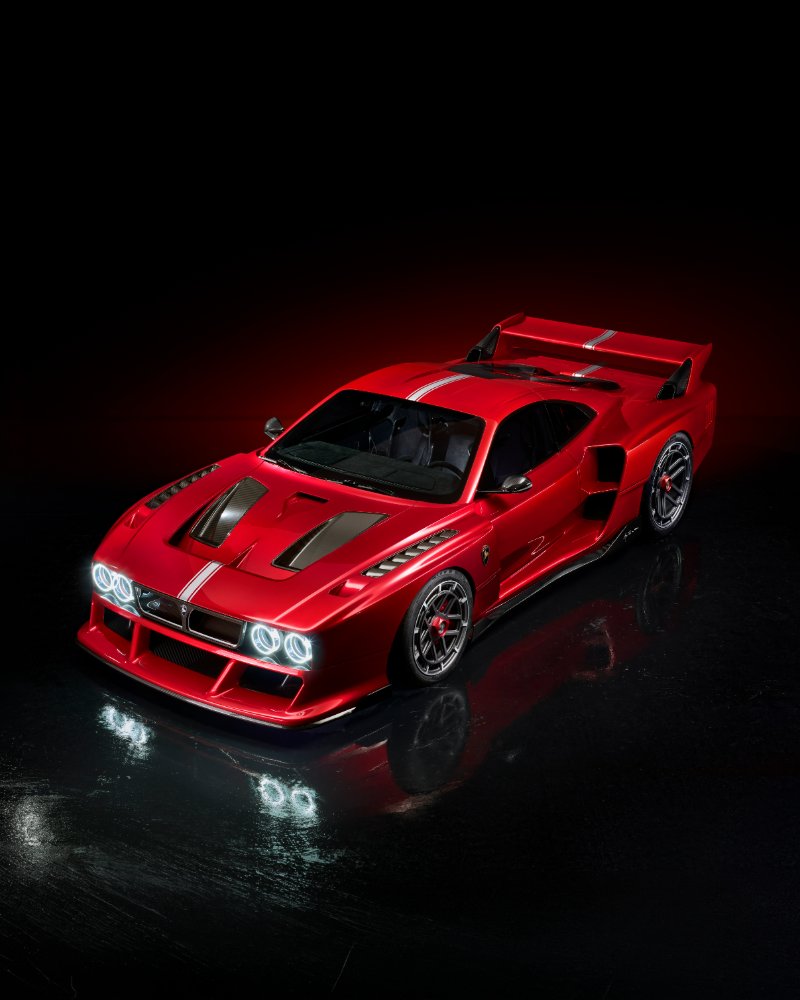
The K-39 is a very different beast, and moves away from the rally-car aesthetic. “When we started thinking about the third Kimera project, so the creation of a new generation of cars, we aimed to continue our celebration [of Lancia]. As we did a celebration of the old 037, we chose a celebration of the Beta Montecarlo Turbo, and of course that car was built just for racing,” Betti explains.
“So first we started to imagine the race car, and considering the race that we aimed to do – Pikes Peak – it was exactly in our target. We started to conceive the race car, but in the meantime, of course, we are a brand that has to build cars for customers. Alongside that, we started to design the road-legal car.”
The K-39 will be produced alongside the four-cylinder EVO-38, with Koenigsegg’s twin-turbo V8 producing nigh-on twice the power of the EVO-38.
“[The engine] partnership began when we started to design the car. Thanks to a common friend, we were introduced to Christian, and it was incredible how naturally we started to dream together about Pikes Peak, and then started to talk about the K-39 for the road-legal version,” Betti explains. “Then we found an agreement that is a win-win solution, because it is good for Christian to have another brand that can develop the technology that Koenigsegg has, with a huge factory and huge technology. For us, it gives us a shortcut in development and a huge partner for Pikes Peak and for the production car.”
The K-39 will have its own carbonfibre monocoque, which will be produced elsewhere. With the brand in the ascendancy, and no versions of the 037/Beta Montecarlo left to inspire the next Kimeras, the next question is where he sees the brand going. “I have a clear vision for my brand, and I dream that it will become a big player in the automotive market in some years. Of course, it takes time, but our philosophy is to look at our roots, look at Italy, look at motor sport and celebrate this in our car models,” Betti smiles. “We already have some other projects in the pipeline, and I’m excited to see what the future permits us to do.”
Find out more about Kimera here.