

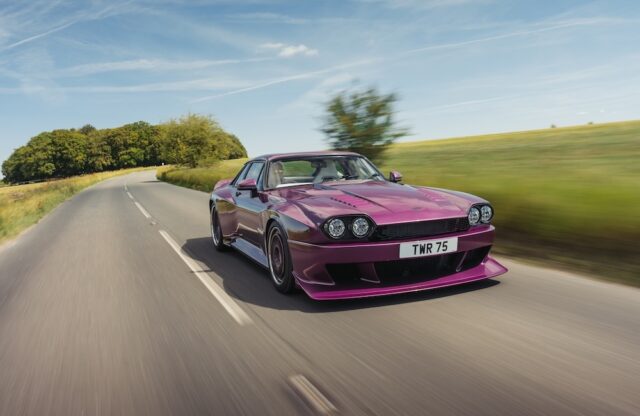
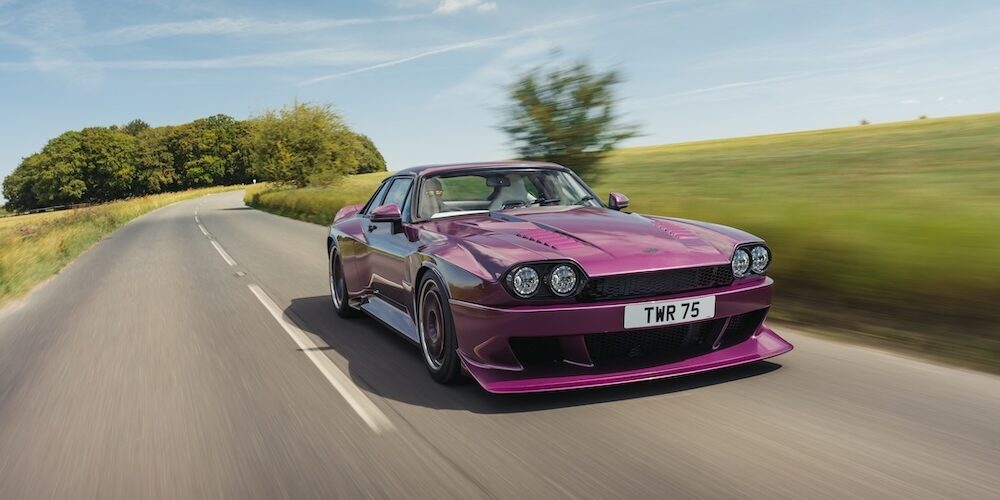
You know the joke. Chap pulls over to ask for directions and the reply comes back, “well, if I wanted to get there, I wouldn’t have started from here”. With that in mind, meet the TWR Supercat. It is, conceptually and philosophically, miles and miles away from where it started. You don’t often see this with restomods. They usually aim to flatter the original, stay true to its origins and themes.
Not here. I can’t think of a restomod that has travelled further from where it was to where it is now. Jaguar’s luxury grand tourer has morphed into a hardcore muscle car.
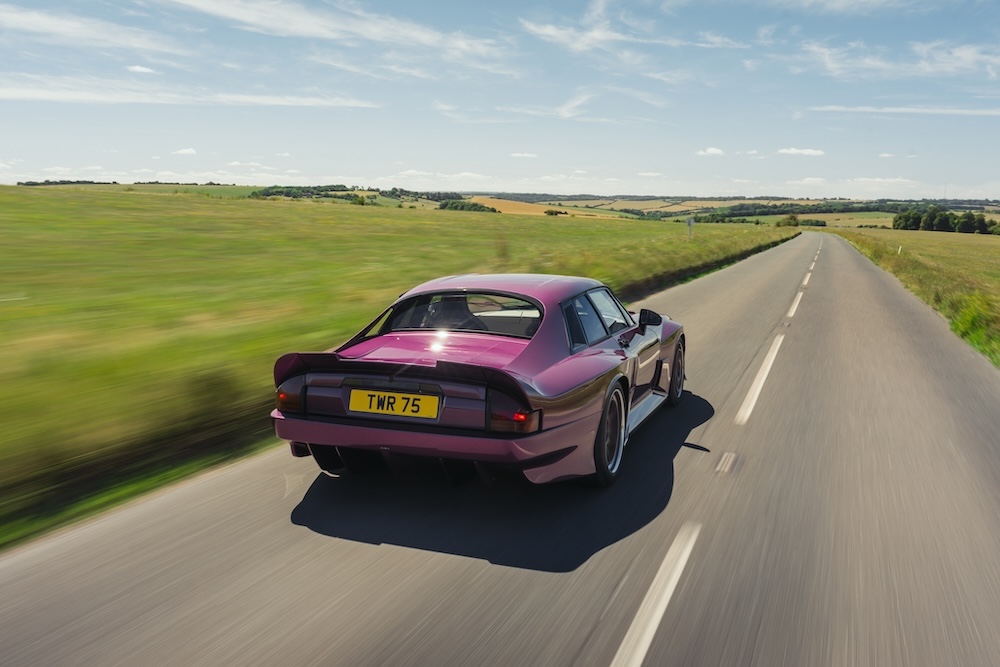
Is this diminishing an icon? Hardly. The XJ-S, it’s worth reminding ourselves, may have been the legendary E-type’s replacement, but the Malcolm Sayer-designed coupé isn’t regarded as a jewel in Jaguar’s crown. Launched in 1975, it was criticised for not having the E’s dash and glamour, while despite aiding aerodynamics the buttresses were widely hated and the electronics caused issues from the start. Values today lurk in the £10,000-15,000 range.
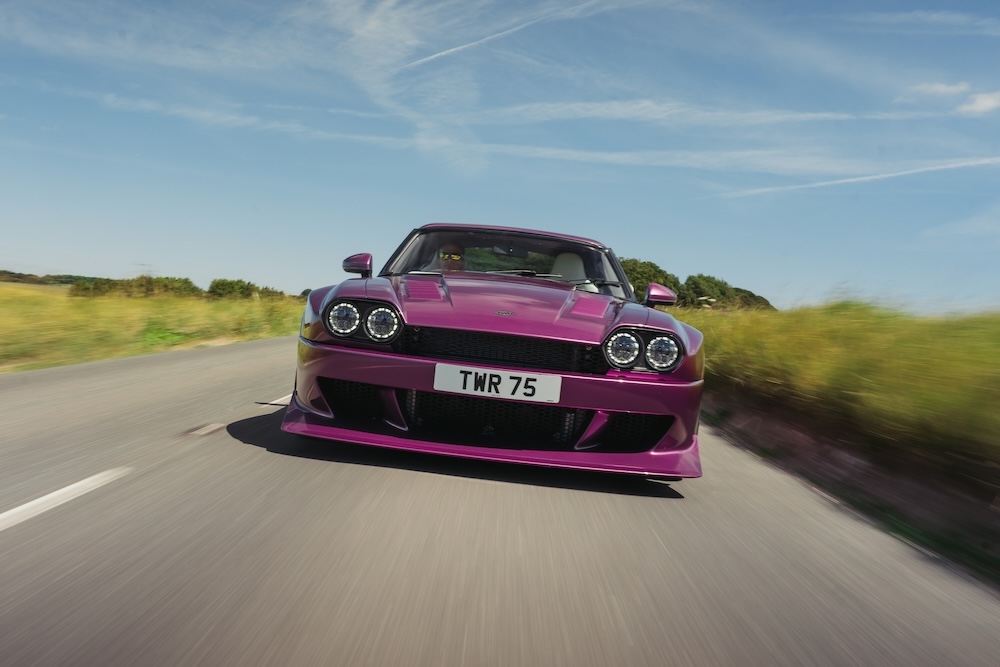
The £395,000-plus-VAT TWR Supercat exists on another level altogether. But at its core and – most importantly – according to its VIN plate, it remains an XJ-S. And this is something TWR has previous with. Back in 1988 it helped Jaguar create the most sporting XJ-S of all, the 328bhp XJR-S. Debatable whether Jag’s heart was in it, though, given that the car retained the three-speed automatic gearbox.
TWR has undergone a similarly radical transformation to its new car. The original Tom Walkinshaw Racing folded back in 2002 having over-reached itself with an ambitious F1 plan. Today, Tom’s son Fergus is bringing the name back. The Supercat is project one.
A V12 donor car is the starting point, everything stripped away until all that remains is the chassis and engine block. The only other common XJ-S components are the windscreen-wiper system, interior and exterior door handles, handbrake lever and rear light cluster. After that, everything is new. The chassis is massively reinforced and significant components repositioned. The rear seats are ditched, the exhaust now exiting where bums would have been. The fuel tank (now 100 litres) is relocated under the boot floor, allowing the bulkhead to feature a through-load facility. The boot is shallow, but vast.
Factor in the supercharged V12 and it has all the ingredients to be a wonderful grand tourer. That is TWR’s intention. Well, part of it. Because it didn’t want the Supercat to be a soft and wafty cruiser. The plan was for it to drive like it looks. The styling, the work of concept designer Khyzyl Saleem, is an unashamed 1980s throwback, brash and loud. Box arches have blown the width out by almost 200mm, and the car sits 60mm lower over split-rim wheels. Dive planes, vents and sweeping wings mean you barely notice the buttresses any more.
And it’s purple. A colour deliberately chosen as a nod back to Jaguar’s XJR-9 Silk Cut racer that won Le Mans in 1988. Even sober colours will struggle to tone down the lines. Look, this isn’t a sophisticated piece of design, but it is fun.
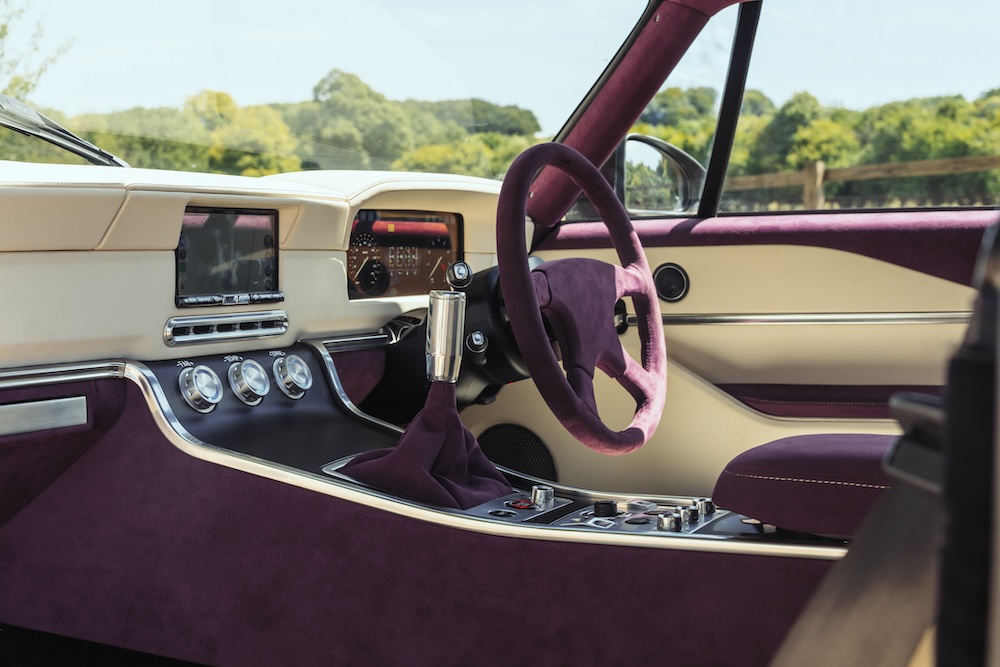
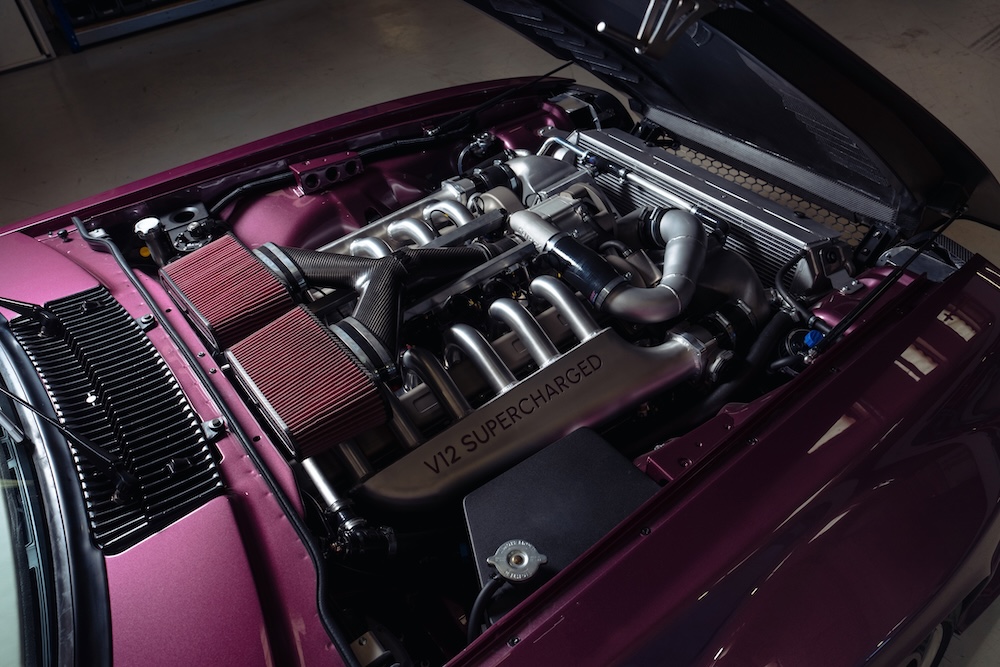
Underneath it is more serious. And attractive. The V12 looks stunning and packs a huge punch: 660bhp and 538lb ft. The Rotrex supercharger is centrifugal rather than screw-type, so doesn’t have that characteristic whine – but don’t worry, there’s more than enough noise and drama from the V12. The original 5.3 was smooth and silent, this is anything but. The power delivery is progressive, so until 3000rpm you might be asking yourself what the fuss is about. Above that, it takes flight, the V12 rasping round to 7500rpm like an Italian V12.
The powertrain is endlessly absorbing to use, not least because the gearbox is a short-throw, tight-shifting, six-speed manual. It’s robust and, as with every other control in the Supercat, has significant heft. This muscle car requires muscle to operate. Meanwhile the handling has its work cut out to keep up with the performance potential. The 325-width rear Michelins and adaptive TracTive suspension help keep things under control, and the car has lovely natural balance, but it’s not a machine to take liberties with.
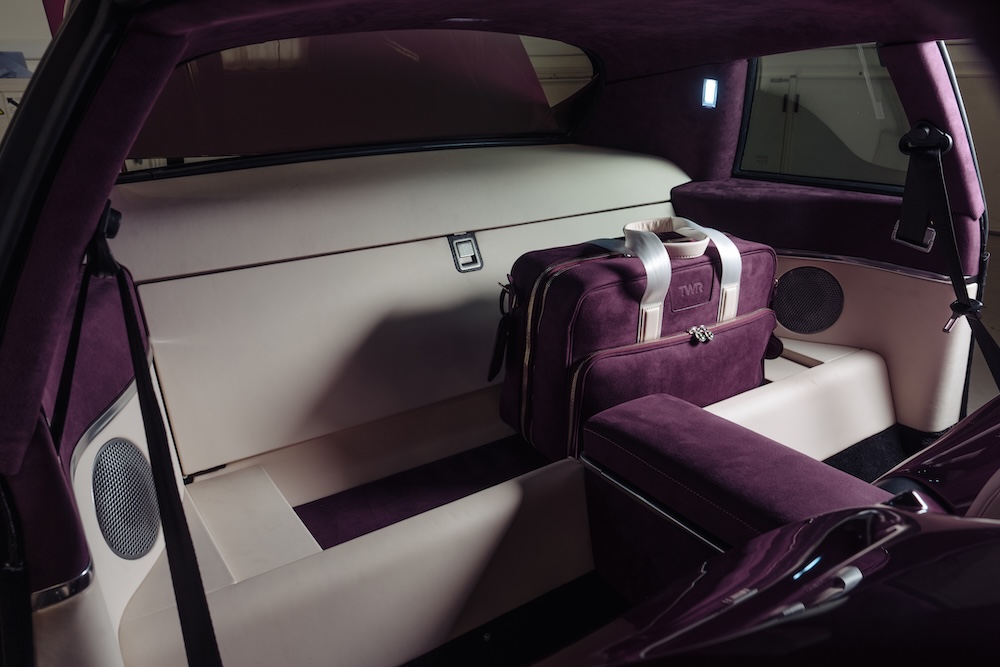
This is mostly because of the sensory bombardment. Modern cars filter signals, this one doesn’t, so inside there’s noise and vibration. Settle it down and it will cruise – you will be able to talk to your passenger without raising your voice. But you won’t be able to escape the background commotion, the sense of the car working away underneath you. There are still a few tweaks to make – this is the final validation prototype before the first of 88 cars goes into production.
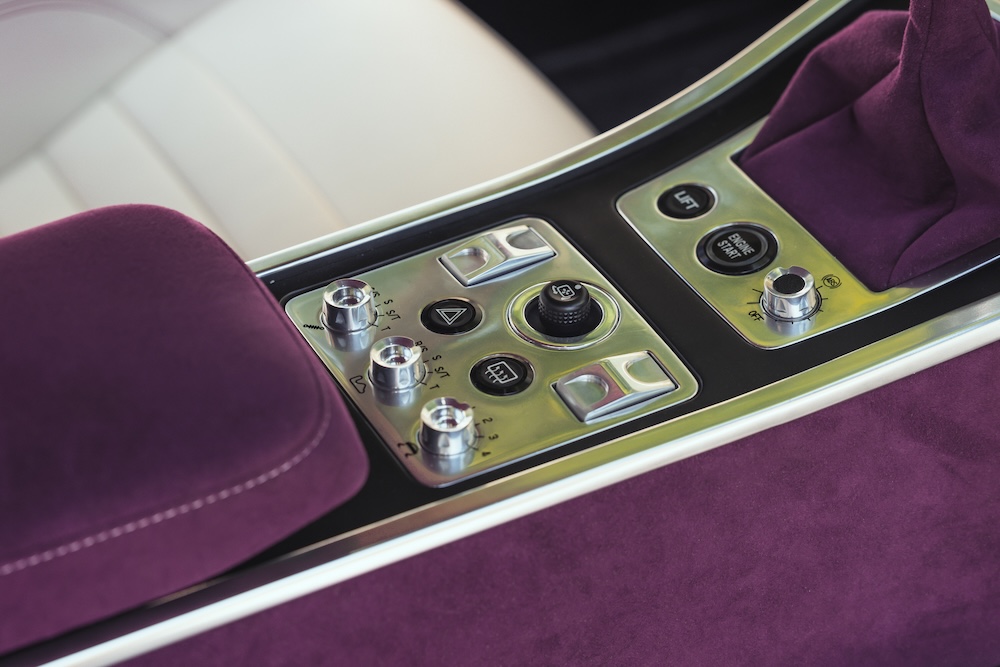
It might gain a little more polish, but it won’t lose its wild side. Personally I love its brutish nature. No one else has really done a restomod with a sense of humour, let alone one so firmly anchored in the 1980s. The TWR Supercat is a pastiche delivered with love and understanding. It doesn’t set out to offend, but it probably will. Never mind, its shoulders are broad enough to cope.
You can find out more about the TWR Supercat here.