

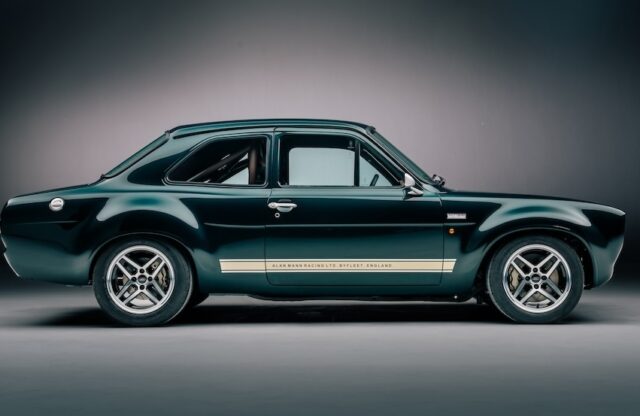
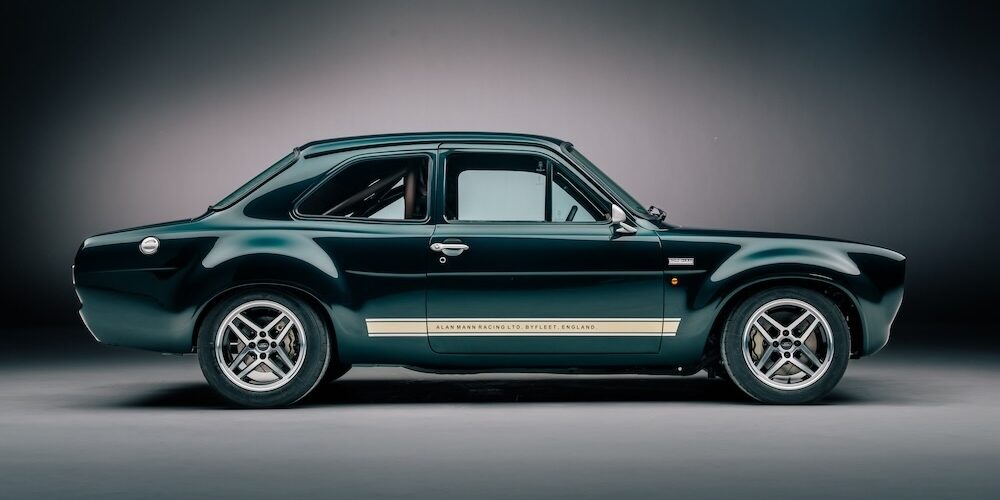
A brand-new road-legal Escort Mk1 producing 330PS (325bhp)? Sign us up! And did we mention that it revs to 10,000rpm? Or that it’s fully sanctioned by the Ford Motor Company?
You may remember that we drove the Boreham Motorworks Alan Mann 68 Edition historic race Escort Mk1 Continuation last year, which is the Ford-sanctioned Continuation of the famous 1968 British Saloon Car Championship winner. At its launch a road car was promised by Boreham Motorworks… and this is it, the Escort Mk1 RS.
Just 150 will be made, with a choice of the remanufactured 1960s Twin Cam unit of the race car or the all-new 2152cc inline-four ‘TEN-K’ engine developed by parent company DRVN. So far, all the advance orders have been for the TEN-K-equipped version, which is no surprise given its performance. Back to that in a moment.
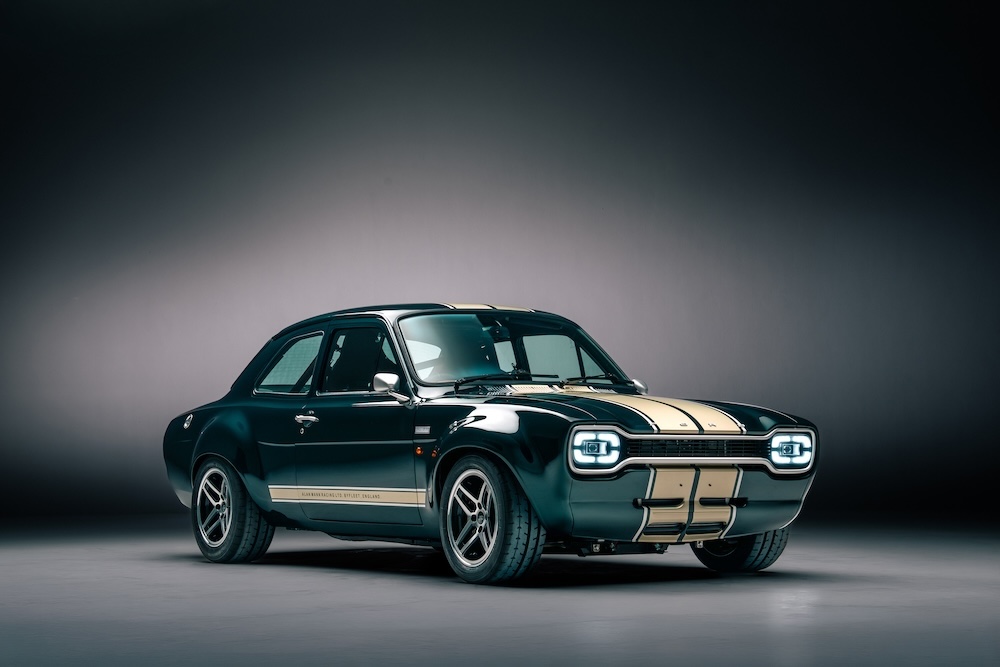
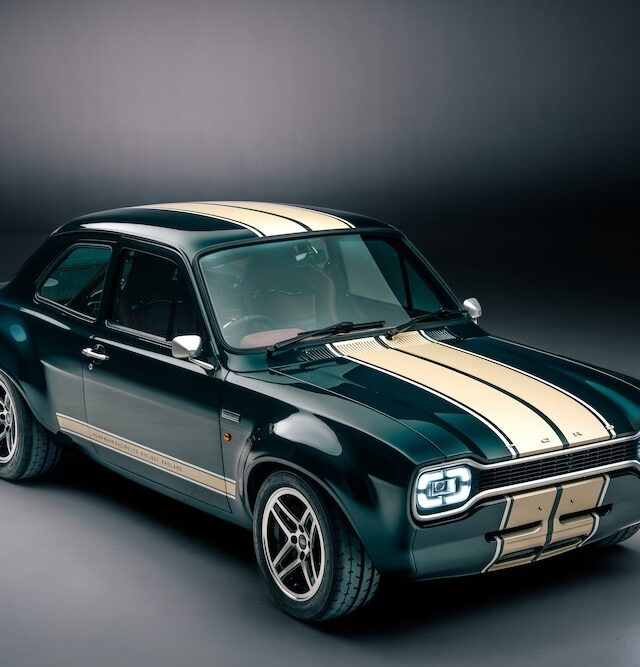
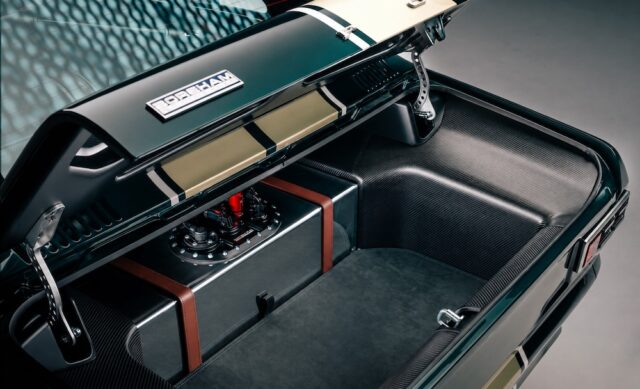
First the basics: the new car is built on an all-new steel shell unique to Boreham Motorworks, the result of a long programme of scanning, digitising and analysing original Escort Mk1 bodyshells. The bonnet and bootlid are carbonfibre, and the wheelarches are accurate copies of those on the Alan Mann car, which is acknowledged as the first to use bubble arches.
Using CAE studies of the original bodyshell design, the Boreham Motorworks team was able to optimise the shell and strengthen it where necessary while keeping it as light as possible. Just like the 1968 Alan Mann race car, the front axle line is 30mm further forward than the original production machine’s, but in the new Escort Mk1 RS the front suspension is mounted on an all-new subframe design. This allows lower wishbones in place of the original cost-saving single track-control arms but retains the era-defining MacPherson struts.
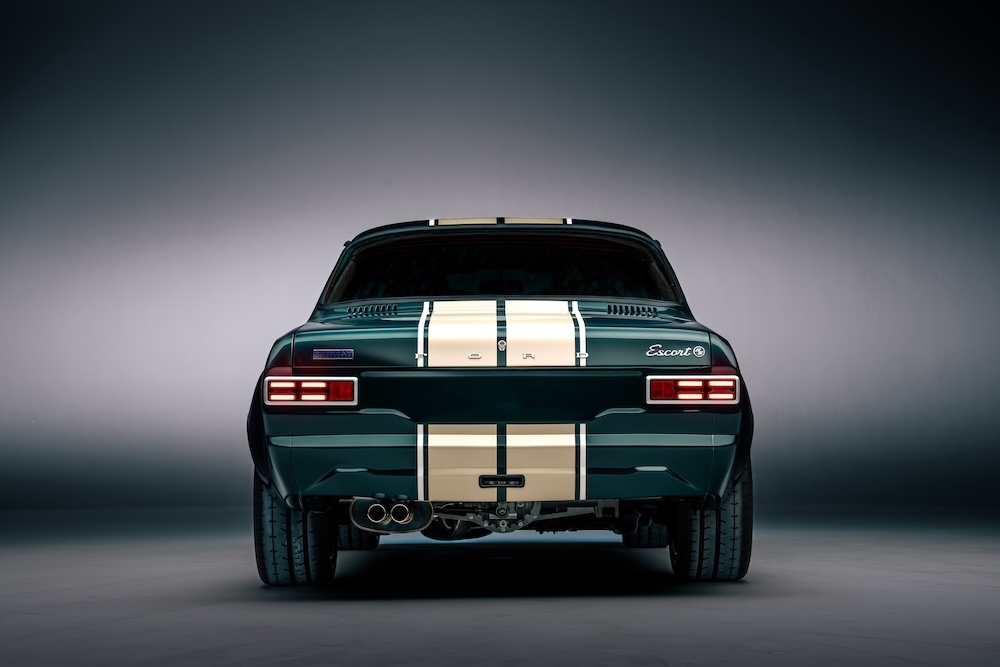
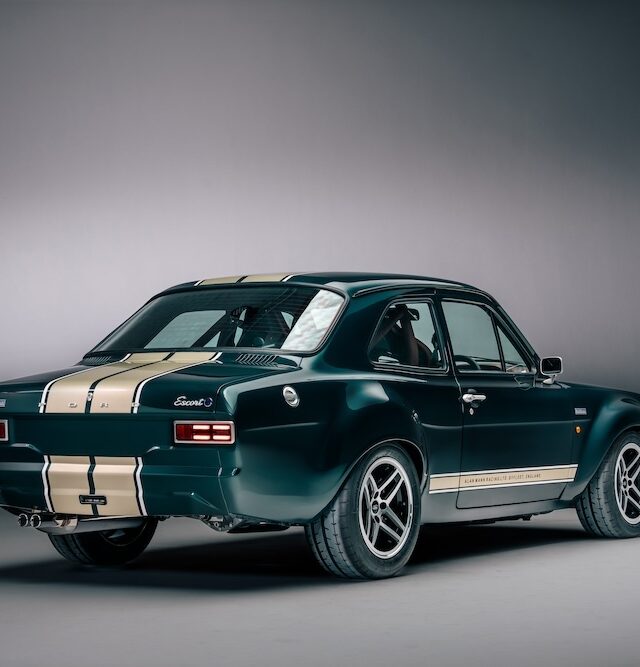
At the rear, the re-engineering goes to another level: the Escort RS retains a live axle, as it should, but this axle isn’t the big old chunk of cast iron and steel tubing of old. Instead, it uses a lightweight alloy differential case and titanium axle tubes, which weighs just 50kg – half that of the original. It’s truly a thing of beauty, as you can just about see in the picture of the car’s back end.
The rear axle is located by four radius arms and a twin Watts linkage, unrecognisable in quality from anything we’ve seen before on rear-wheel-drive Escorts. The finishing touch to the suspension is the set of two-way-adjustable dampers from R53. Yes, that’s the same R53 that supplies Gordon Murray Automotive. They’re set up specifically for the car, so there’s no opportunity for owners to fiddle with myriad settings. A good move, we think.
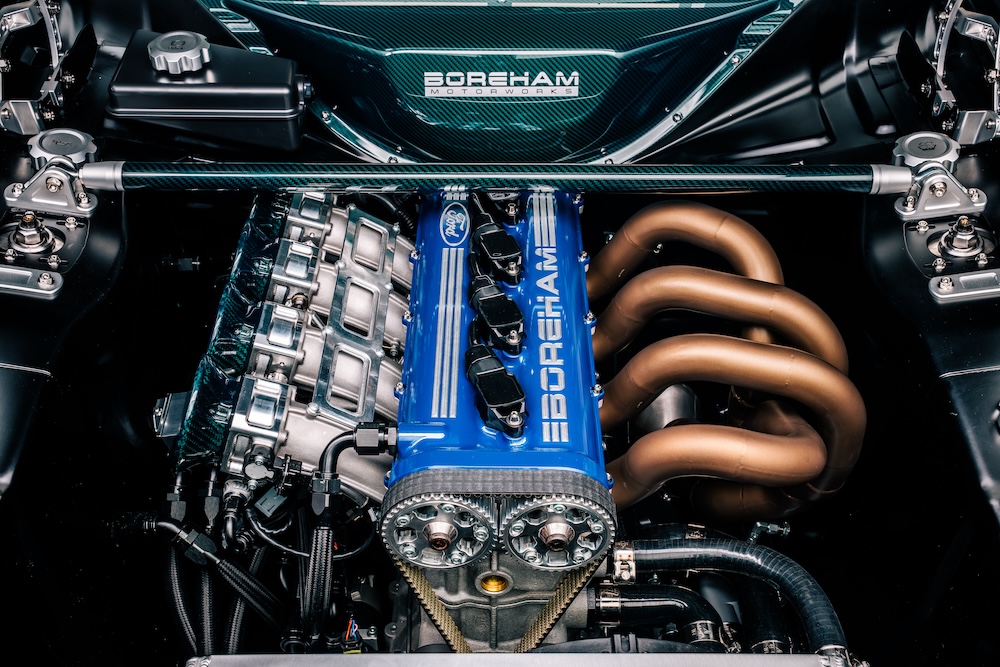
So back to that engine before we get into the details. It really is all new, rather than being based on an existing unit. Modern powerplants are mostly too tall for the compact Escort engine bay, because they’re usually relatively long stroke to aid emissions.
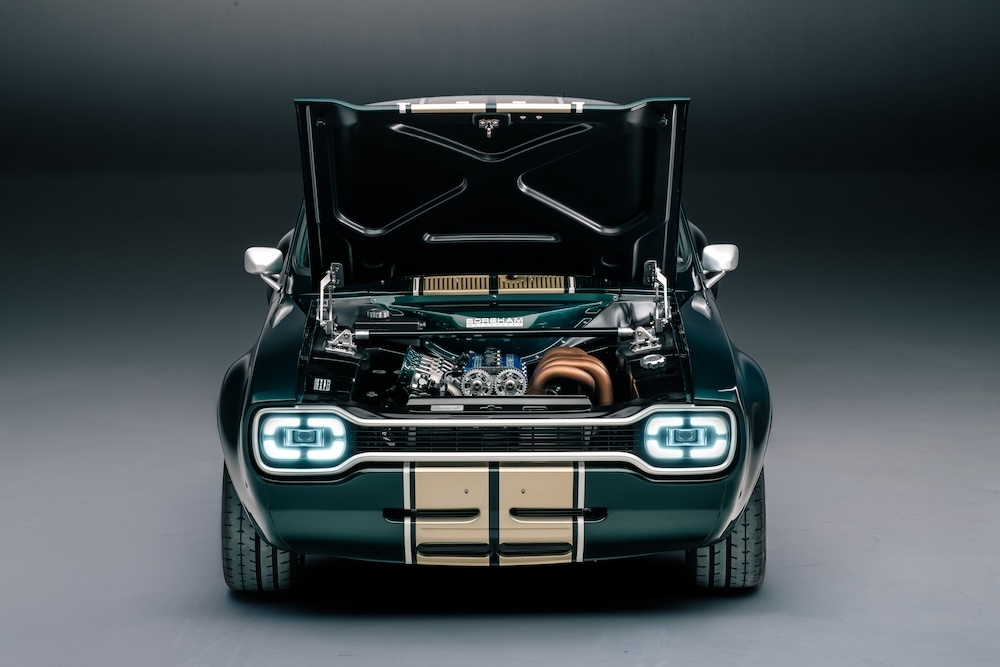
The normally aspirated TEN-K uses a bespoke 16-valve cylinder head with porting inspired by existing Formula 1 designs and belt-driven double overhead camshafts. The new engine block was 3D metal-printed to the smallest size possible, with thin walls that hug the rotating parts (you can see how it follows the profiles of the crankshaft main bearing caps) with the most compact water galleries possible. It’s dry sump, which also reduces the height but also ensures the most efficient lubrication and oil-cooling at those super-high revs.
The water pump and the heating and air-con unit are both electric, for efficiency of packaging as much as power use, and the pump for the dry-sump system is mounted low under those magnificent individual fuel-injection trumpets (which will be protected by a carbonfibre airbox in the production car).
Apparently the first iteration of this new engine produced 400PS at 10,000rpm. It has since been tamed with more sensible camshafts for road use – although there’s still talk of a hotter version that will rev to 11,000rpm. As it is, the 330PS version idles at 1400rpm to aid smooth getaways and is said to pull adequately until around 4000-4500rpm, at which point it goes ballistic. The first power and torque curves back this up: the torque climbs steadily from idle to 4500rpm and then remains flat, while the power increases rapidly from that point, showing no sign of tailing off even past 10,000rpm. It’s not the engine’s breathing that limits the revs, it’s the 20,000-mile warranty on the engine.
The gearbox is a bespoke five-speed unit built in partnership with Holinger Engineering in a ZF casing. It has a dog-leg first gear and a long race-style gearlever that, from sitting in the static car, we know feels as precise and mechanical as you’d ever hope.
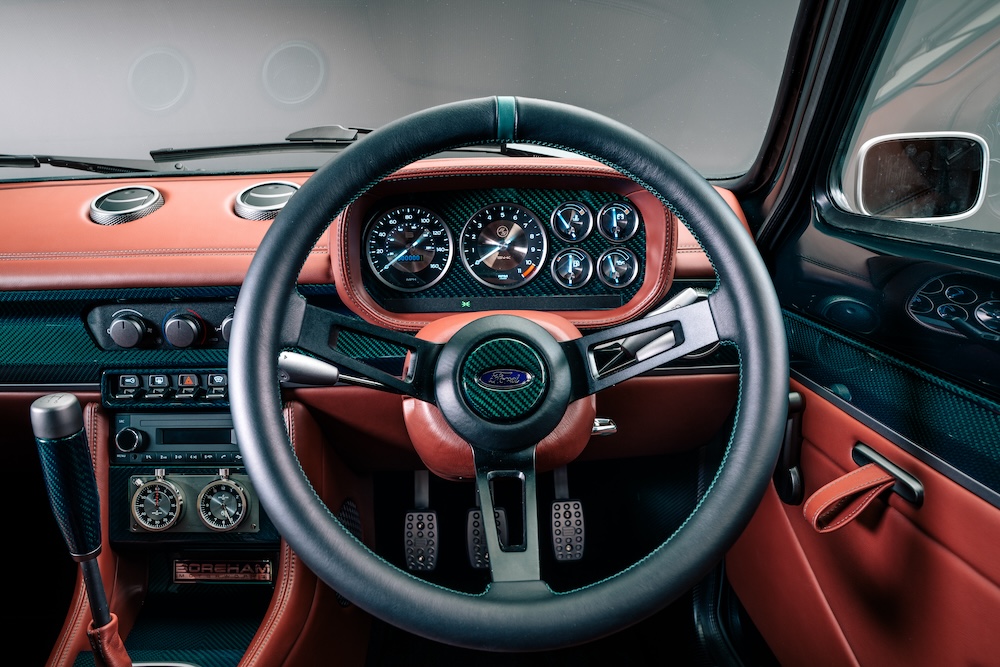
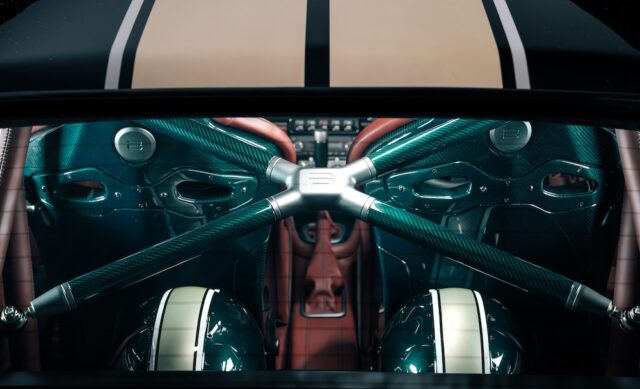
Buyers of the Escort Mk1 RS are able to comprehensively customise their builds, even to the point of specifying original-style interiors if they desire, although none has so far. Instead, the inside of the Mk1 is a world apart from the original despite retaining its style, including the iconic six-dial instrument panel and dished steering wheel. All switchgear is new and re-engineered, and there’s extensive use of carbonfibre and leather.
There’s a choice of five wheel designs, all 15in, that include the famous four-spoke RS alloys shown here, as well as options in the style of Minilites, BBS crosswires and Revolutions. There will be a red and gold Alan Mann livery edition, but buyers can of course choose their own paint and interior colour schemes.
So let’s get back to that price point: around £295,000 in the UK or $400,000 in the US, according to specification. Punchy, when you consider that most of us are still shocked that the best Mk1 RS1600s and Twin Cams can now fetch £60,000-plus. Reframe this for a moment, though: this cost is in a similar ballpark to that of an Alfaholics GTA, and less than an Eagle E-type or a Singer. But only the Escort Mk1 RS is 100 percent brand new and sanctioned by its original manufacturer. Makes you think, doesn’t it…
For more on the Escort RS, visit the Boreham Motorworks website here.
If you’d like to read more on the Alan Mann 68 edition, there was a full track test in the July 2025 issue of our sister magazine Octane.