


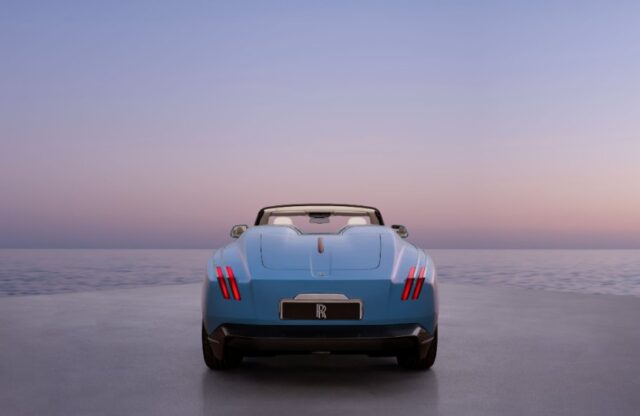
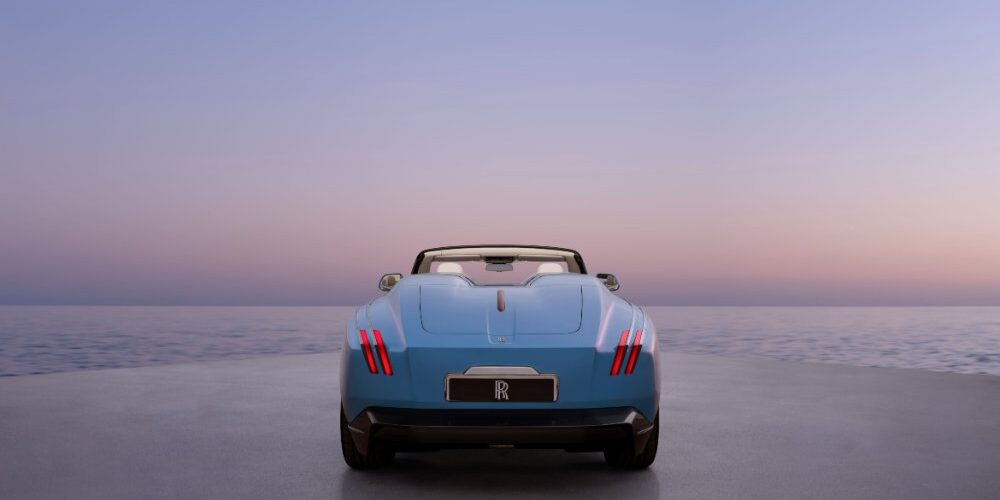
Rolls-Royce Motor Cars has unveiled Project Nightingale, a new Coachbuild Collection concept that previews a limited-production open two-seat motor car. Named after ‘Le Rossignol’ – French for nightingale as well as the name of the Côte d’Azur house Sir Henry Royce’s designers and engineers used near his winter residence, the project introduces a new design direction for the marque.
The concept is defined by its grand proportions and fully electric drivetrain, which is intended to deliver a near-silent open-top driving experience. Rolls-Royce says the project draws inspiration from the 1920s and 1930s, and that the creative vision is largely complete, with remaining elements requiring new manufacturing techniques currently in development.
A total of 100 examples are planned, each to be coachbuilt by hand at the marque’s Goodwood facility. Deliveries are scheduled to begin from 2028, with access to the programme by invitation only. Project Nightingale has been developed as part of Rolls-Royce’s Coachbuild Collection programme, aimed at a small group of clients engaged in a multi-year commissioning process. This includes curated events and design consultations, as well as access to private gatherings organised by the company – more details on that can be found here.
Design for the Project Nightingale concept draws heavily on Streamline Moderne principles associated with late Art Deco, favouring clean surfaces and uninterrupted forms over decorative elements. The car also references early experimental Rolls-Royce ‘EX’ models of the 1920s, including 16EX and 17EX, which were designed to explore higher-speed capabilities for the marque.
Rolls-Royce says three key design principles underpin Project Nightingale: a transition from upright to flowing forms; a central fuselage defined by a continuous hull line; and sculptural ‘flying wing’ volumes that emphasise rearward movement. These are expressed through a long bonnet, a compact two-seat cabin and a tapered rear deck.
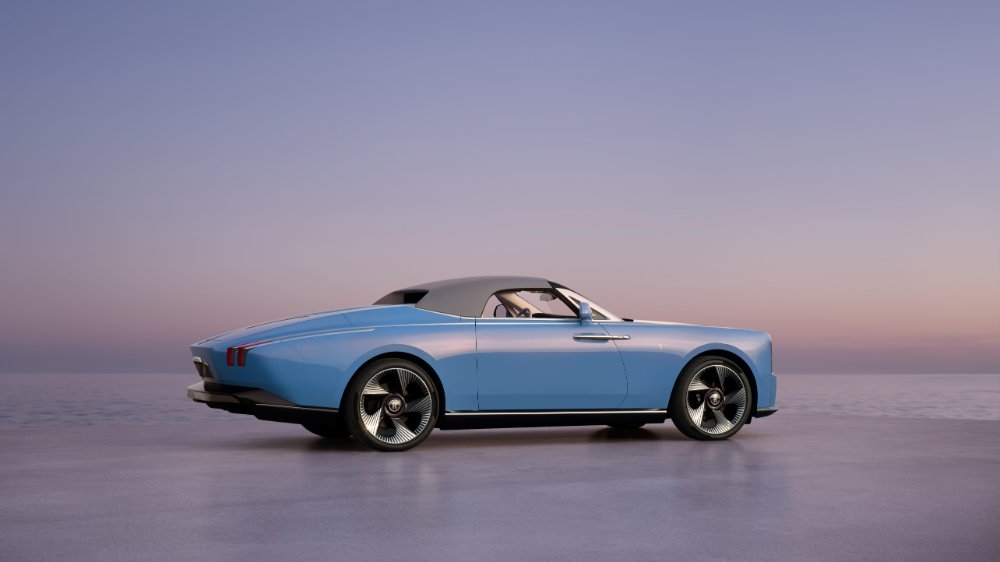
At 5.76 metres in length, the car is comparable in size to the Rolls-Royce Phantom but configured as a two-seat convertible. The absence of a conventional combustion engine allows for simplified front-end surfacing, with fewer cooling requirements.
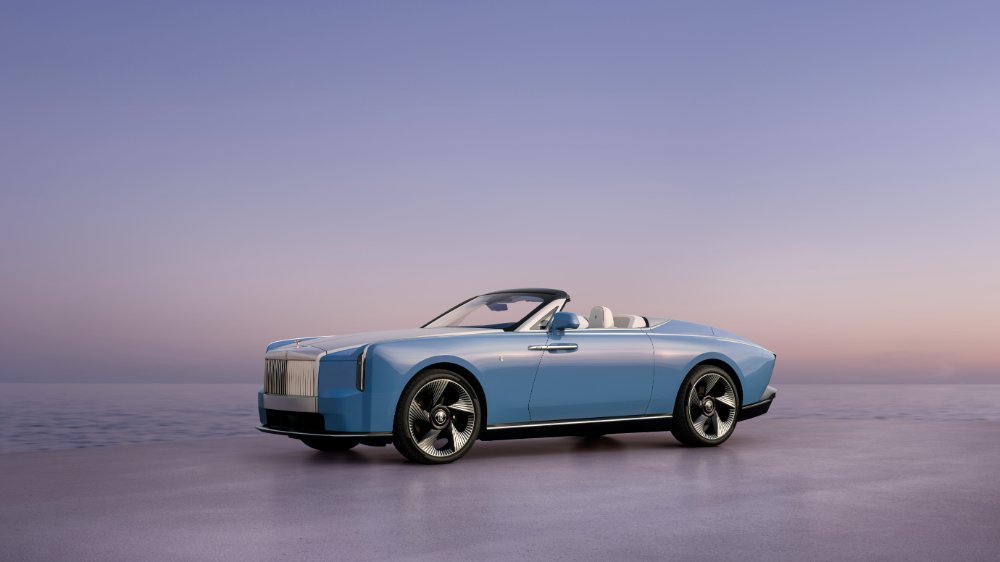
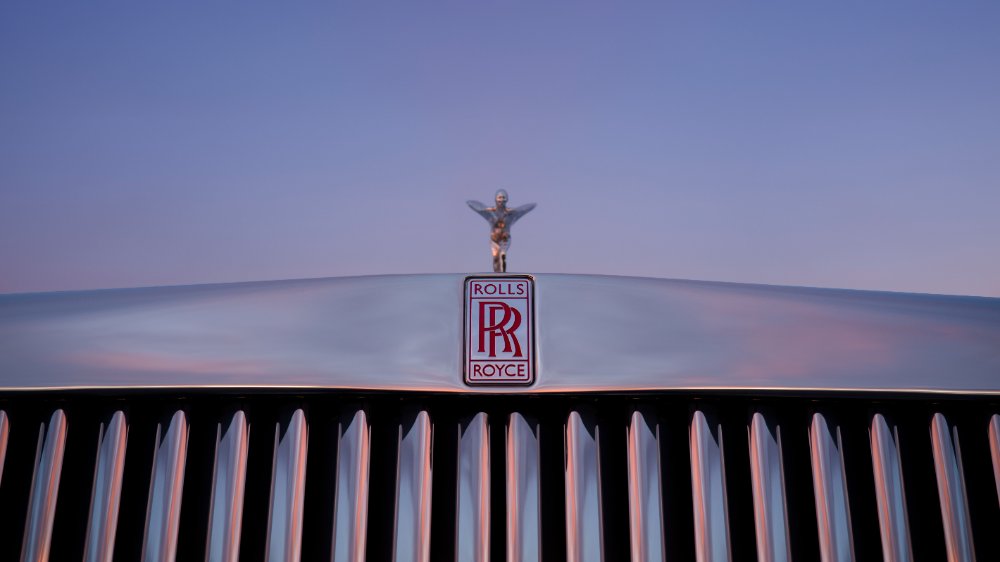
The Pantheon grille has been reinterpreted with a wide stainless-steel surround and 24 inset vanes, while the Spirit of Ecstasy is integrated into the bonnet line. Slim vertical headlamps are positioned at the outer edges of the front wings, with stainless-steel bands running the length of the car.
In profile, the model adopts a torpedo-like form, with a long bonnet, a steeply raked windscreen and a compact cabin set deep within the body. A single continuous line runs from front to rear, inspired by yacht design, while an upswept section behind the seats provides an additional enclosure for occupants.
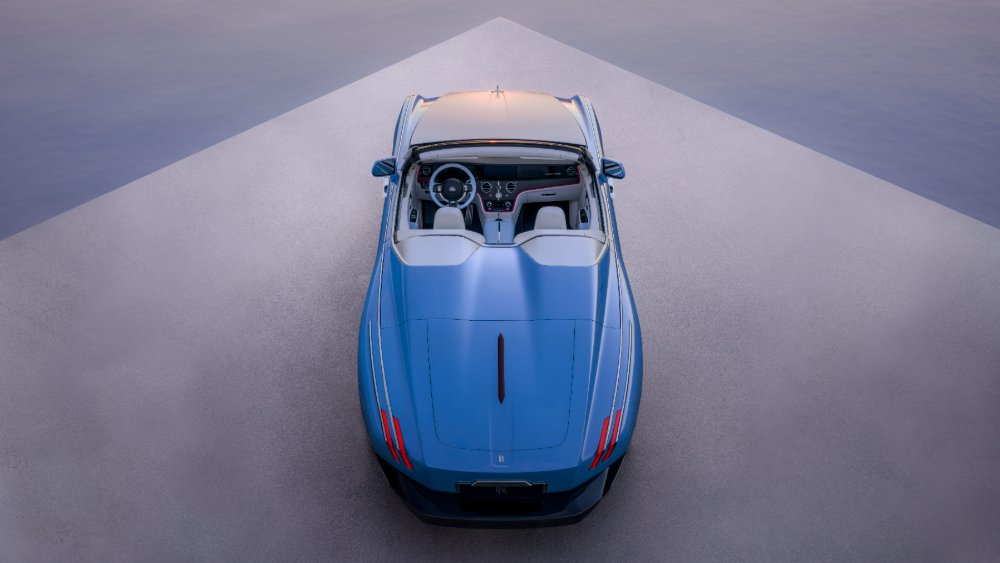
The rear design features a horizontal deck, slim vertical tail-lamps and a side-opening ‘Piano Boot’. A central brake light runs along the car’s centreline, while a carbonfibre rear diffuser, enabled by the electric drivetrain, contributes to high-speed stability without the need for additional aerodynamic elements.
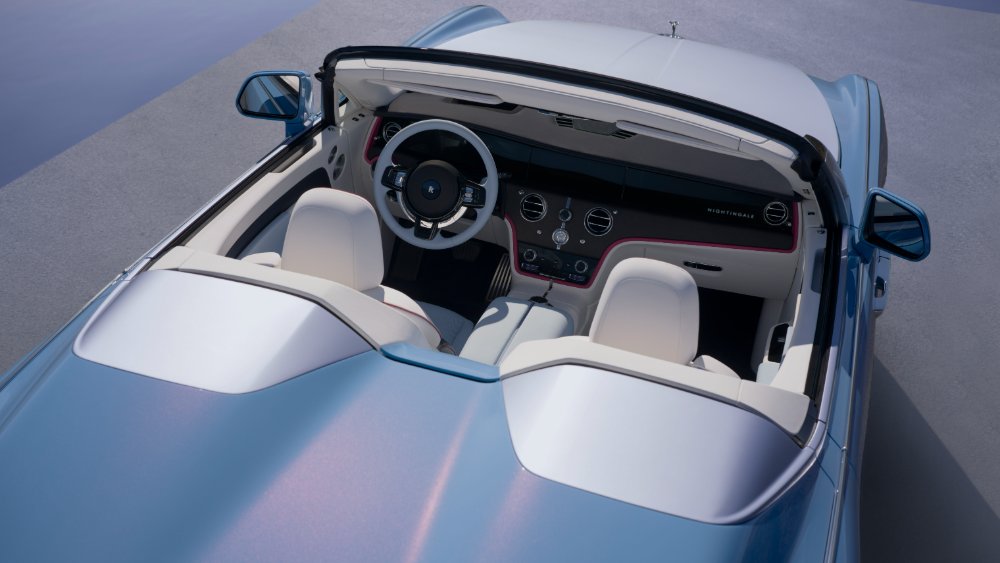
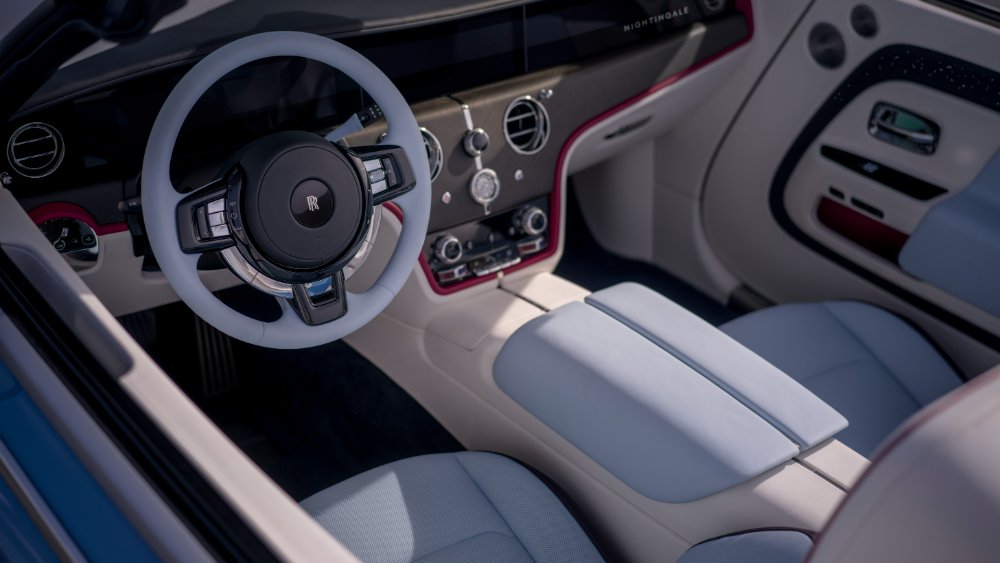
The interior centres on a two-seat configuration with a focus on minimal controls and integrated design. A feature known as ‘Starlight Breeze’ incorporates 10,500 illuminated elements inspired by soundwave patterns derived from birdsong, forming part of a wider ambient lighting concept. This is housed within a structural form referred to as the ‘Horseshoe’, which frames the occupants. Materials include leather, wood and machined-metal components, with a limited number of physical controls integrated into the cabin. Additional features include concealed storage areas and bespoke detailing throughout.
The technical specifications of the electric drivetrain have not yet been disclosed. Rolls-Royce states that the system supports both the car’s acoustic refinement and its overall design freedom.
Each of the 100 planned examples will be individually specified, with a new palette of colours and materials developed exclusively for the Coachbuild Collection. More details are available here.


