

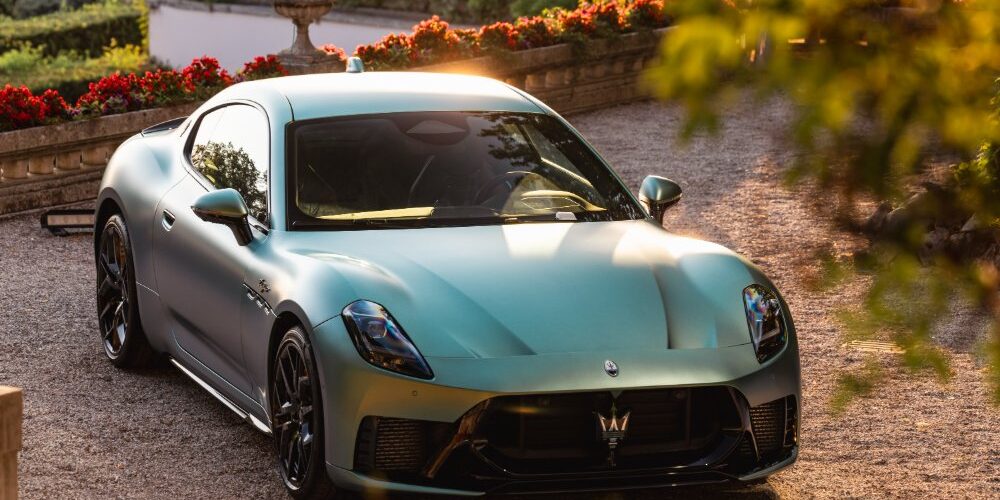
Maserati could hardly have chosen a more appropriate place than Trieste to relaunch its fortunes. Franco Bordoni won the Trieste-Opicina hillclimb in a 300S in 1955, Adolfo Tedeschi did it again in a 200SI two years later and now the company itself has a fairly substantial climb ahead of it.
Trieste works on another level, too. Tucked against the Slovenian border, it is one of the nearest Adriatic destinations for much of Central Europe, and a concentrated hit of Italian architecture, food and theatre. Germans, Austrians, Croatians and Slovenians have travelled there for decades to experience Italy without venturing too far south.
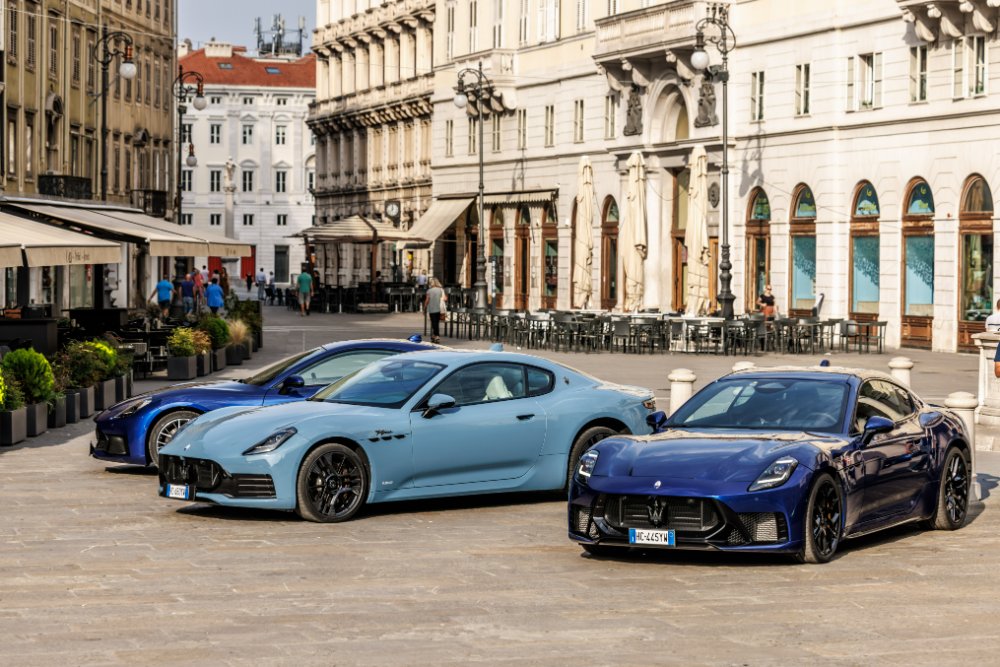
That is roughly the pitch Maserati is now making to Germany and the US, two of its priority markets. Forget chasing volume. The renewed emphasis is on craftsmanship, personalisation, finer detailing and making each car feel more Italian and more special. There are contradictions in the message. An entirely AI-generated World Cup advertisement sits rather awkwardly alongside all the talk of artisanship and human craft. However, the wider intention is clear: raise the quality, increase the exclusivity and make the cars feel worthy of the badge and the price.
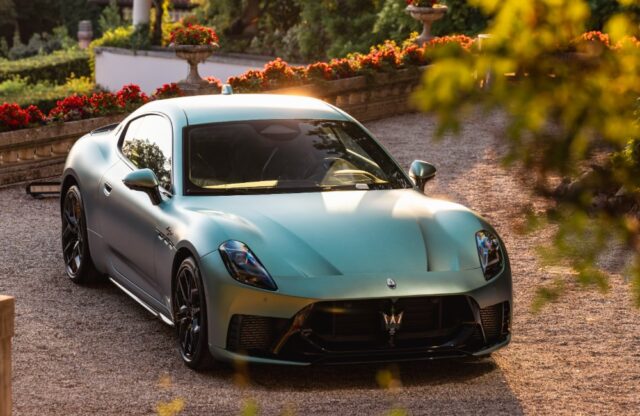
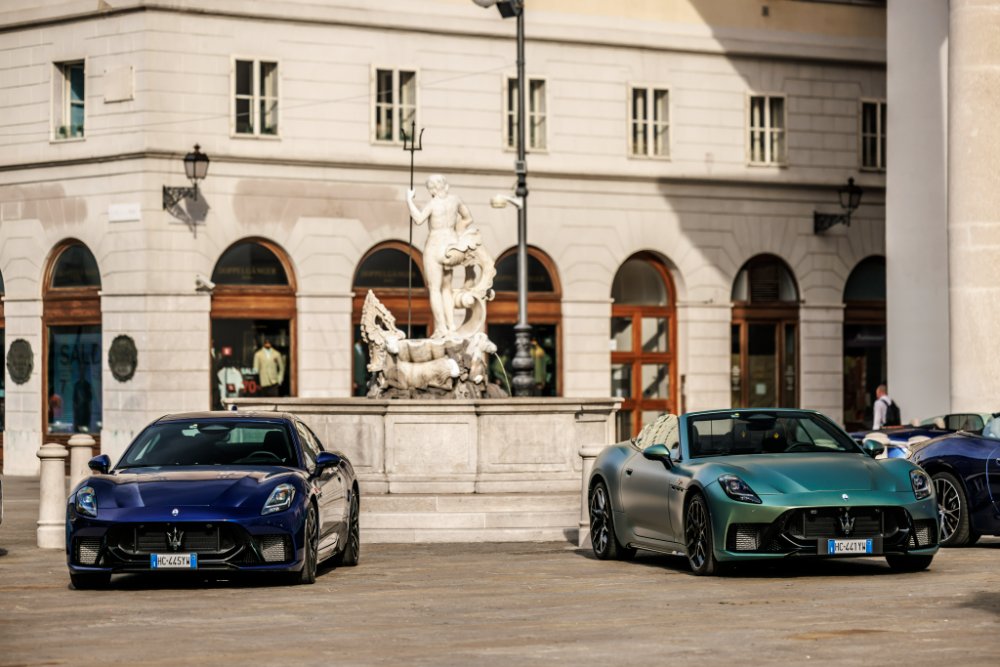
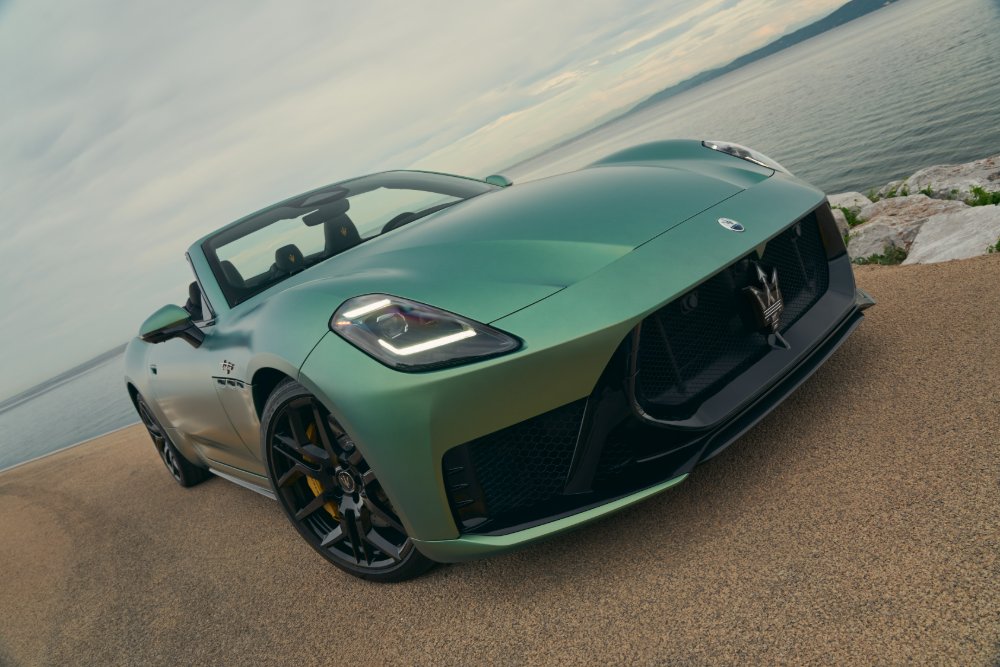
That last point is particularly important. Some of the touchpoint missteps of the Ghibli, sixth-generation Quattroporte and Levante era cannot be repeated. Maserati has therefore dedicated serious engineering effort to improving what was already a highly accomplished but slow-selling range. The revised GranTurismo, GranCabrio and Grecale represent evolution rather than revolution. Each receives a reprofiled nose intended to bring it closer to the visual language established by the MCPura, as well as improve cooling. The original cars were hardly ugly, but the changes give them greater definition. The GranTurismo and GranCabrio looked particularly striking in matte green, while the Grecale, always more of a love-it-or-feel-indifferent-about-it design, has gained some much-needed sharpness.
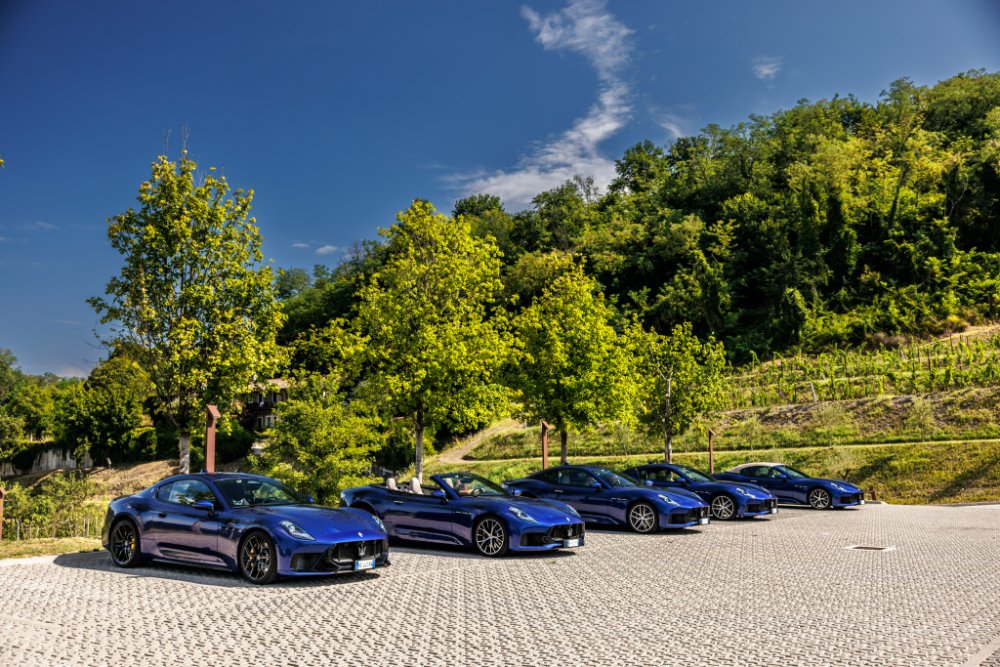
The more tangible work has gone into the powertrains and the bits you prod, pull and swear at every day. I started my test drive in the entry point to the GranTurismo and GranCabrio range, powered by the 490 CV, or approximately 483bhp, version of Maserati’s 3.0-litre twin-turbocharged Nettuno V6. The 490 CV model gains a new Country driving mode, shared with the electric Folgore but absent from the range-topping Trofeo. It raises the car by 20mm at speeds of up to 75mph, which proved useful as I headed onto the more broken roads above Trieste.
The real strength of any Maserati using this architecture, however, is its ride. Sport mode usually means a manufacturer has swapped the dampers for lengths of scaffolding pole. Not here. The GranTurismo still breathed with the road, rounding off broken surfaces without becoming loose or floaty. Even the knottier bumps were dealt with calmly. It delivers precisely the sort of smooth, unhurried progress you would hope for from a proper grand tourer.
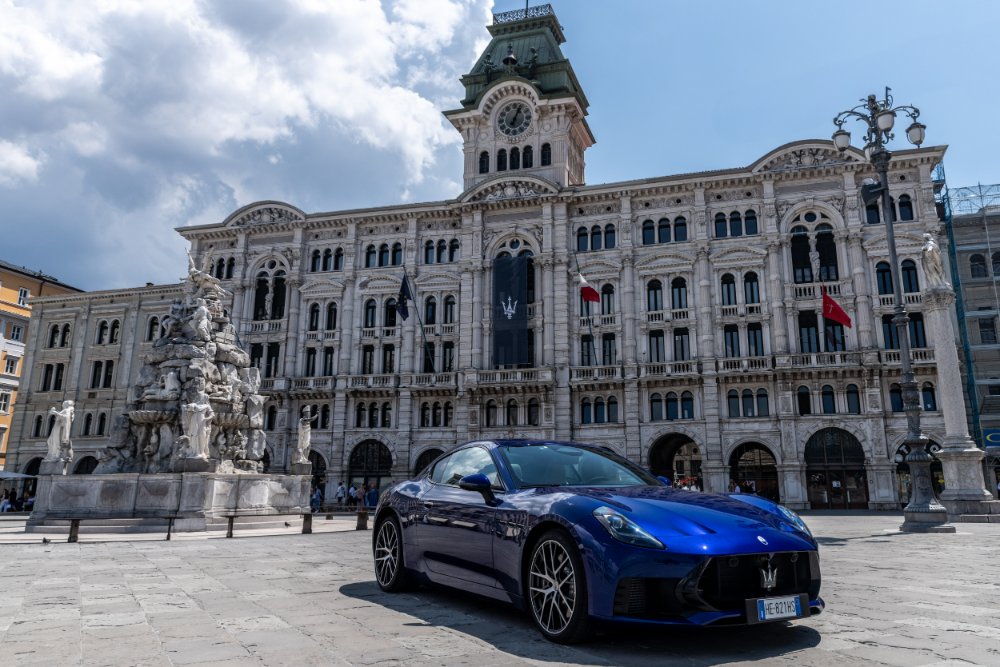
That comfort does not come at the expense of steering response or body control. The GranTurismo turns accurately and provides considerably more engagement than you might expect from an electrically assisted rack in a car of this size and weight. There is genuine texture through the wheel and a natural build-up of effort as the front tyres load.
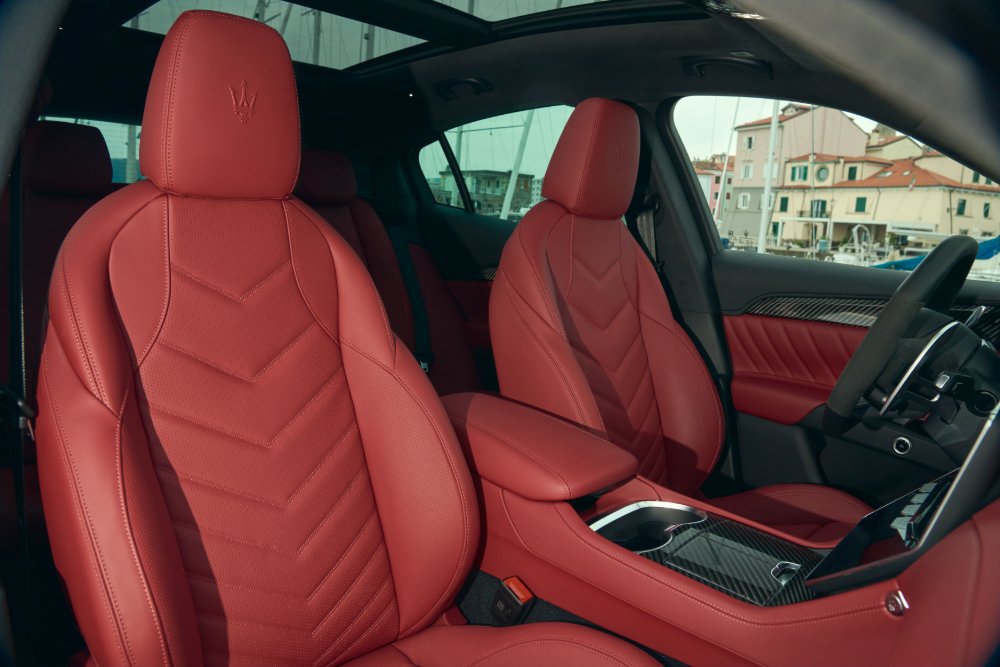
The morning route was hardly the Nürburgring with fishing boats, so there was plenty of time to poke around the revised interior while the sat-nav introduced me to several Trieste housing estates I had not requested. The old interior was the GranTurismo’s weakest hand. There were too many buttons that felt as though they belonged in something costing half as much, and no amount of leather stitching could entirely distract from them.
Maserati has addressed the controls it could change without undertaking major structural work. The new steering wheel feels richer thanks to Alcantara trim, while the raised metal PRND selector buttons provide much better tactile feedback than the previous flat controls. During parking manoeuvres, the steering-wheel paddles can now be used to switch between Drive and Reverse, avoiding the need to stab repeatedly at the centre console. The large, cool aluminium paddles remain magnificent. They look expensive, feel expensive and provide the sort of solid mechanical action that makes you use them even when the automatic gearbox is doing a perfectly adequate job on its own.
The graphics on the much-criticised digital displays have also been improved. The system is still not the most intuitive, particularly when adjusting the seats or climate control, while the sat-nav occasionally responds more slowly than it should. Hence those unexpected tours of suburban Trieste.
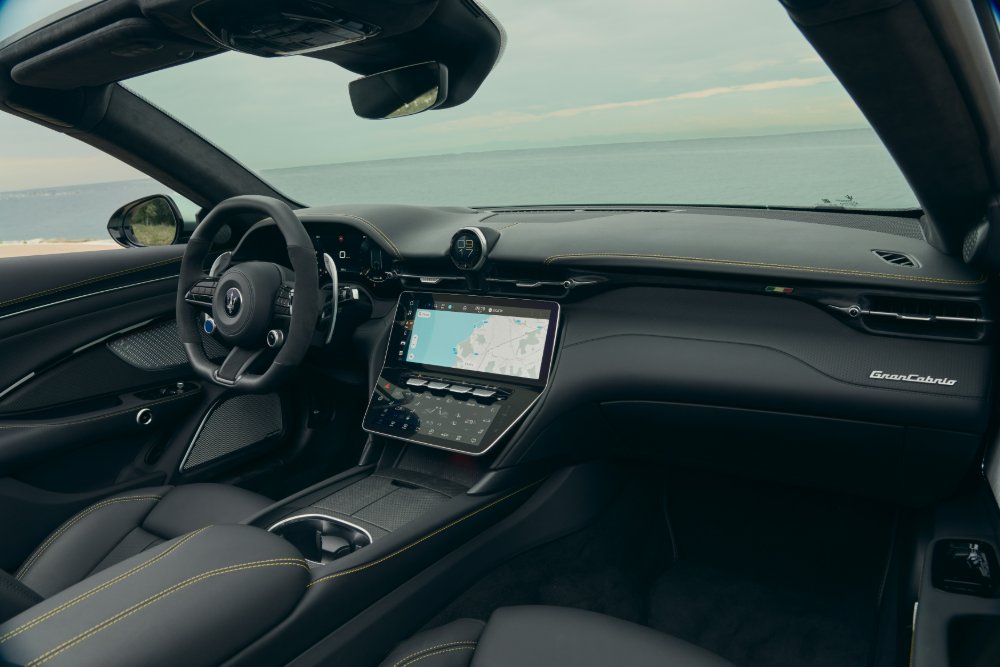
Not all issues have been cured. Some of the door and steering-wheel switches still feel disappointingly ordinary. Maserati says the door release cannot simply be replaced because it is tied into the structure of the door and the side-airbag homologation. In other words, the Fiat 500e-derived button is not there because somebody forgot to visit the posh-button cupboard. However, we should be glad they are physical buttons rather than yet another minefield of screen sub-menus. Turning off the annoying electronic nannies is largely a one-button process, thankfully.
The cabin is markedly better than before and Maserati has clearly concentrated on the areas it could realistically alter within the scope of a model-year update. It still falls short of Bentley’s best in places, although a Continental GT or GTC also costs considerably more. I’m also not a fan of the clock, which is perhaps more sports watch than something in keeping with a grand tourer. Maybe we’ll be able to download a digital version of the old Lasalle timepieces…
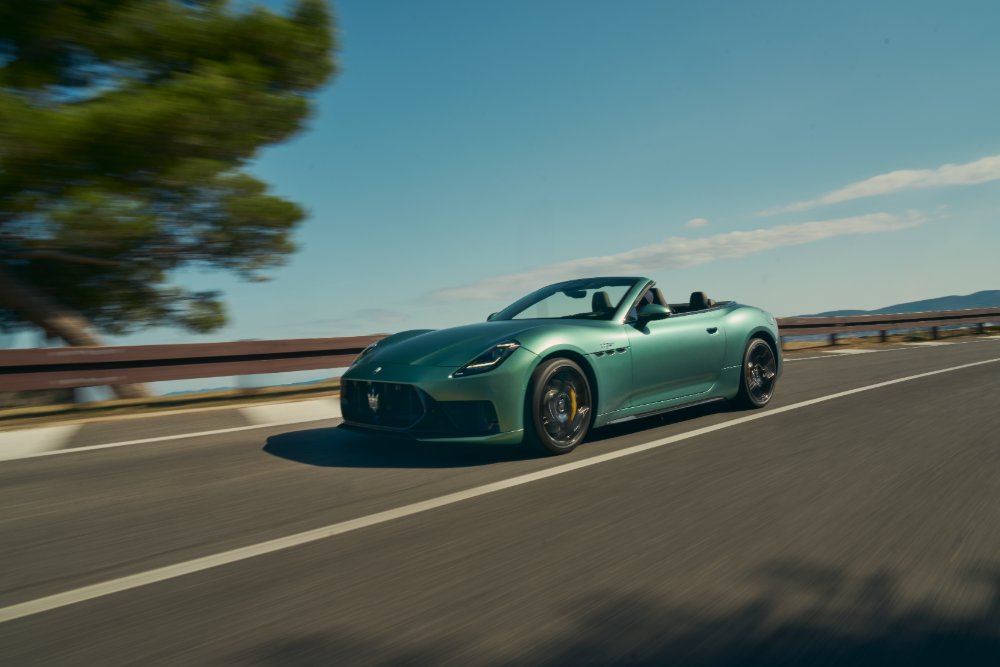
The 490 CV GranTurismo is the sensible one. It is fast enough, quiet enough and comfortable enough to perform the traditional grand-touring role without constantly demanding that the driver prove something. However, for the distinctly and proudly unsensible, there’s the GranTurismo/GranCabrio Trofeo.
I spent the afternoon heading into the forests and hills of Slovenia in the open car. Its Nettuno V6 now produces 590 CV, or approximately 582bhp, an increase of 40 CV over the previous version. It has also received a reworked exhaust intended to give it a deeper, more V8-like voice. It remains more rasp than bellow. I rather like its hard-edged, mechanical note, but this will not satisfy the many internet commentators who believe every Maserati should contain a V8, preferably one that sounds like Luciano Pavarotti transmitted via eight naturally aspirated cylinders.
The engineers are visibly tired of the argument. The V6 is lighter, shorter and easier to position, all of which helps the car turn, and 582bhp is not generally considered a humanitarian crisis. Noise regulations would also strangle much of the drama from any contemporary V8. The only plausible unit would be related to the twin-turbocharged engine used by the Ferrari Roma and Amalfi, and that is hardly a sonic masterpiece. Maserati is nevertheless considering a V8, as revealed during a recent press conference.
But back to the Trofeo’s six twin-turbocharged cylinders. Peak torque remains at 479lb ft, available from 2500rpm to 5500rpm. The eight-speed ZF automatic retains its existing ratios and 3.09 final drive, but the software no longer seems quite so desperate to find eighth gear. Constant-throttle upshifts have been delayed, making the engine feel more progressive, while braking prompts earlier downshifts. Revised brake-downshift support in GT and Sport uses pedal pressure to anticipate the appropriate lower gear. It sounds like calibration-room minutiae, but on the road it keeps the Nettuno awake and places the correct gear under your right foot before you ask for it. The gearbox feels more alert without becoming busy or needlessly theatrical.
The optional Trident wheels also increase the front and rear tracks by 10mm through their different offset. Maserati claims improved high-speed stability, sharper transient response and greater precision on corner entry and exit. It is not enough to turn the GranCabrio into a GT3 RS, but the front end does feel clean and settled as the road begins to fold in on itself. Above Sport, the Trofeo gains Corsa mode. Accelerator response becomes more direct, the engine and gearbox adopt their most aggressive calibration and the electronic control systems permit greater freedom. The dampers firm up, the ride height drops to improve aerodynamic performance and the ESC can be disabled.
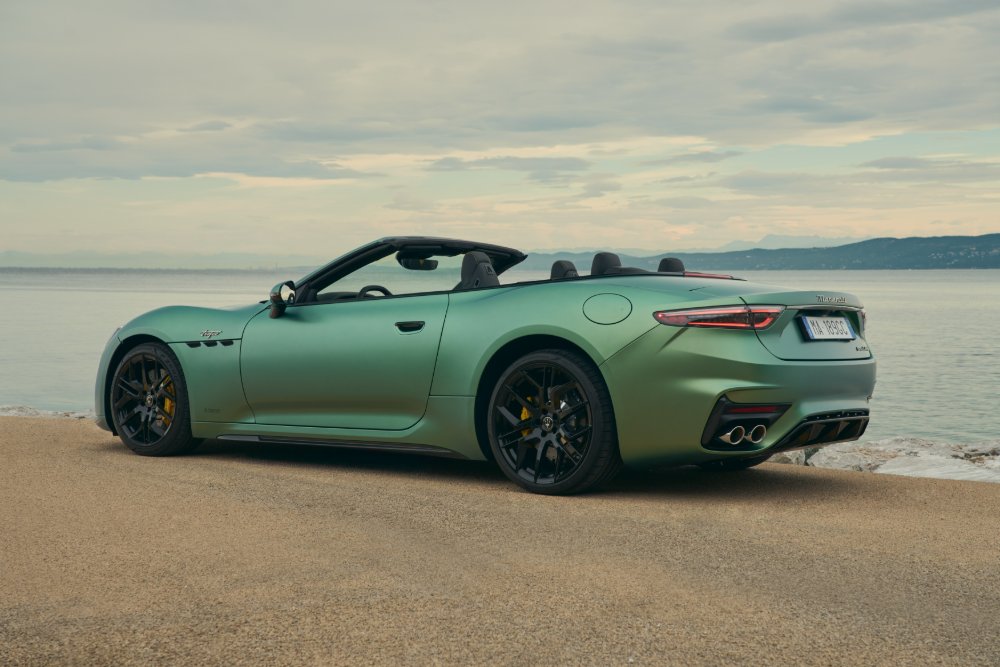
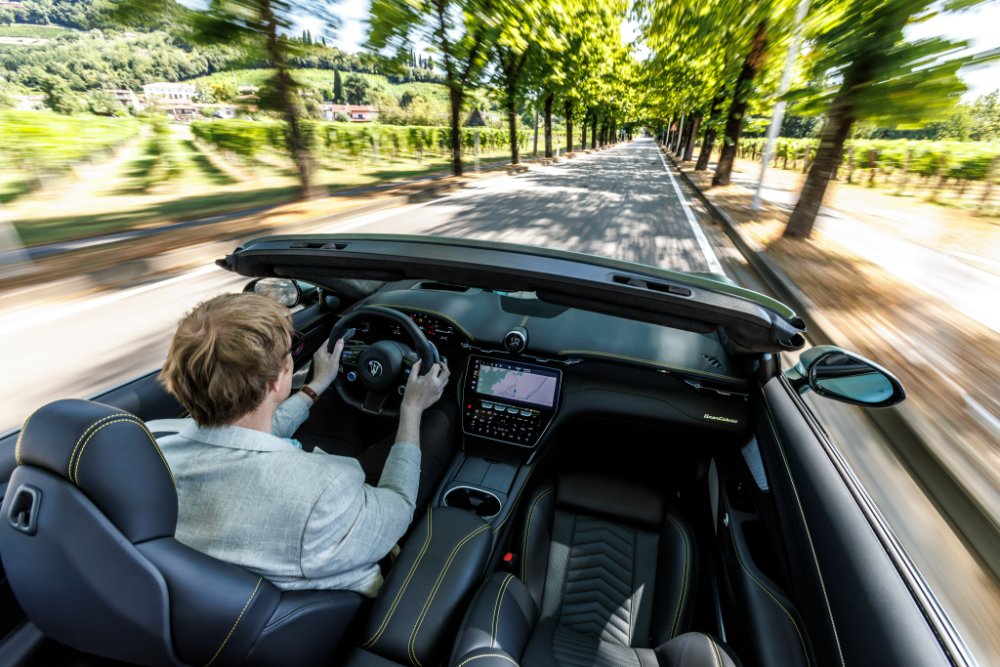
Despite the stiffer damping and lower stance, the GranCabrio remains remarkably comfortable. Corsa introduces more surface texture and a busier response over rough roads, but it is still more forgiving than several German rivals in their supposedly more road-biased settings. Across the Slovenian forest roads, the GranCabrio mixed long-distance comfort with genuine entertainment remarkably well. I found that it takes a set of corners quickly, stays composed over mid-corner bumps and gives the rear axle enough influence to make corner exits engaging.
It changes direction keenly and the steering carries useful weight. The car’s mass becomes apparent in tighter corners, but the wide torque plateau provides enough low-down force to bring the rear axle into the experience. Sport will remain the optimum setting for most drivers, providing strong body control, immediate responses and greater electronic latitude without introducing Corsa’s firmer edge.
It is true that a Porsche 911 will be a more dynamic steer, but that won’t seat four adults, while an Aston Martin Vantage is a lot more wild. After all, the clue about the Maserati GranTurismo is in its name – criticising a grand tourer for not having the ultimate dynamic edge of a sports car is a bit like jumping into Trieste’s harbour and complaining that you’re wet.
For those seeking something more focused, the recently announced rear-wheel-drive GranTurismo GT4 racing car presents an intriguing prospect. The road-going Trofeo is still firmly a grand tourer, but the underlying architecture plainly has greater sporting potential. We wouldn’t bet against a RWD ‘hardcore’ GranTrusimo appearing at around the same time.
But that’s all for the future. The revised GranTurismo and GranCabrio build on sound foundations. There was little fundamentally wrong with how the previous versions drove. Their shortcomings concerned build quality, interface design and the sense of occasion delivered by the cabin. Maserati has improved the interior, but it has not completely fixed it – but it has done what it feasibly can.
The powertrain changes are more convincing. The Trofeo is faster, its gearbox calibration is more intuitive and both cars retain the outstanding ride quality that has always distinguished this generation. The GranTurismo and GranCabrio flow across poor surfaces with a calmness comparable to the considerably more expensive Bentley Continental, while retaining more steering feel and agility than their dimensions suggest.
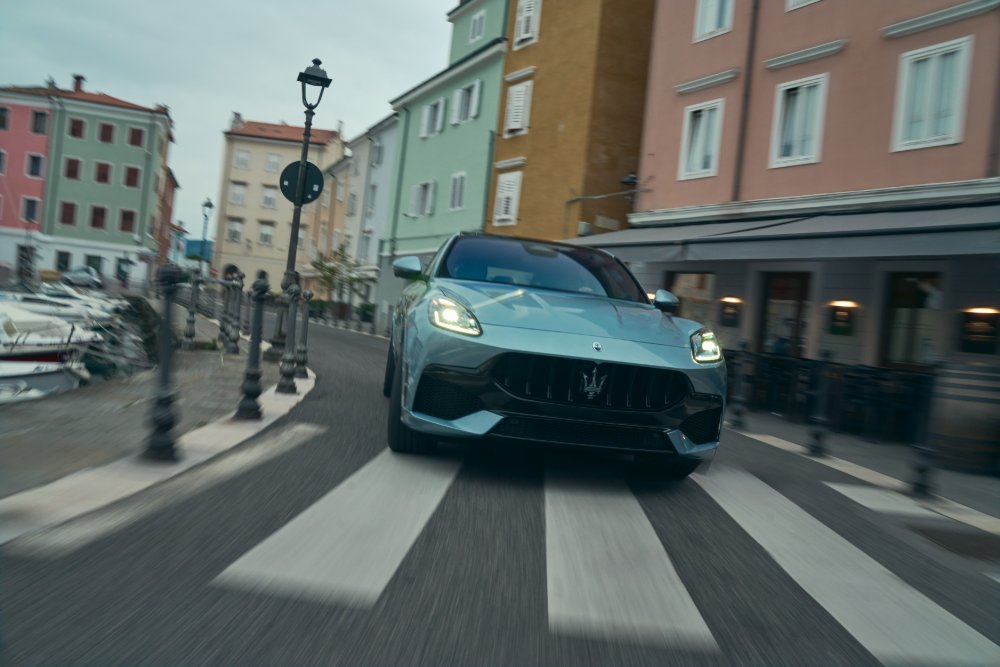
Then came the Grecale Trofeo, which took the same engine philosophy and applied it with considerably less decorum. The broader news for the Grecale range is the arrival of a lower-powered, sub-£90,000 version using a 390 CV, or approximately 385bhp, Nettuno V6. However, I wanted to see how the revised engine worked in the flagship Trofeo.
Its basic architecture is derived from the Alfa Romeo Stelvio, still one of the most dynamically capable SUVs of its generation. The addition of Maserati materials, equipment and refinement has not diluted that essential rightness. The stronger low-end response gives the Grecale a character that occasionally resembles an over-endowed hot hatch more than a conventional luxury SUV. There is a fizz and directness to its controls that belie its weight, while the more upright driving position oddly has a far more shrinking effect on the driving experience than the laidback GranTurismo/GranCabrio. This meant I found myself attacking corners far more aggressively than the GT/GC.
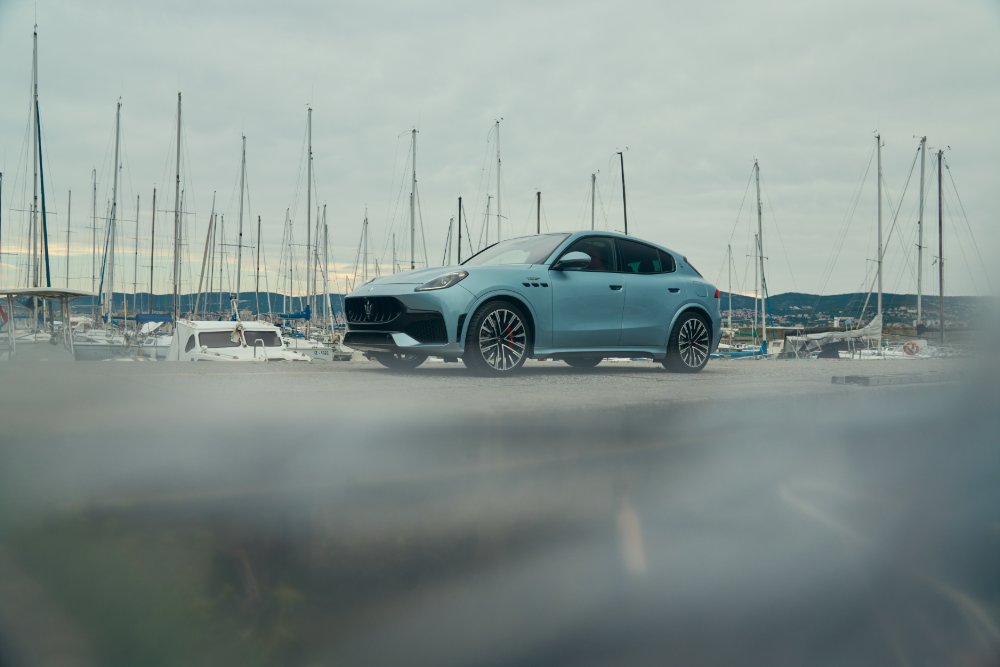
The Grecale is, in essence, a hooligan’s car, but unlike the old Levante Trofeo, which possessed two more cylinders, the chassis can keep pace with the engine. You sit higher, can see more of the road and find yourself attacking bends that the GranTurismo encourages you to sweep through. The ride remains exemplary across the available modes. Sport again provides the best compromise, adding control and response without sacrificing the compliance that distinguishes the current Maserati range. It also shares many of the cabin improvements made to the GranTurismo and GranCabrio, along with some of their remaining weaknesses.
Summing up, Maserati is not going to beat BMW, Mercedes-Benz or Porsche by selling more cars than they do. It has tried that argument already and, although initially successful, Maserati’s minnow status counted against it. Returning GranTurismo and GranCabrio production to Modena suggests the company has finally accepted that rarity is not a problem to solve but part of the appeal. Instead, the FuoriSerie bespoke department is a key part of the growth strategy.
The cars ride superbly, steer properly and now feel more convincing where your hands meet the interior. The GranTurismo and GranCabrio are better grand tourers, while the Grecale Trofeo is entertainingly unhinged. A 390bhp version is far more sensible for most. But buying a Maserati is never about being sensible, is it?
Replacements for the Levante and Quattroporte are due to be announced in October, with the latter appearing more like a fastback in the under-cover preview shown during the event. Maserati still has a hill to climb, but at least the fundamentals are sensibly there.
More information can be found here.