

The Monterey auction season 2026 is upon us, and while much of the attention has inevitably centred on the multi-million-dollar Ferraris, competition cars and modern hypercars, the catalogues contain plenty of stranger, more attainable and occasionally baffling machinery, too.
Five major auction houses are in action during the Monterey auction season 2026, collectively bringing approximately 1200 vehicles to market. Bonhams opens proceedings on August 13 with its new Laguna Seca Auction at WeatherTech Raceway Laguna Seca, while Broad Arrow stages its first auction at The Quail Golf Club in Carmel on August 13-14. Mecum runs across August 13-15 at the Del Monte Golf Course in Monterey, with 600 vehicles forming by far the largest individual catalogue. RM Sotheby’s is also in action from August 13-15, at the Monterey Conference Center, with its three-day sale spanning close to 200 lots. Gooding Christie’s rounds out the week at the Pebble Beach Parc du Concours on August 14-15, with 169 lots.
Predictably, there is no shortage of cars carrying seven- and eight-figure expectations. Look beyond those headline consignments, however, and Monterey once again offers everything from obscure microcars and forgotten prototypes to eccentric coachbuilt specials, competition oddities and much more. Here are a few of our favourites from Monterey auction season 2026…
Bonhams
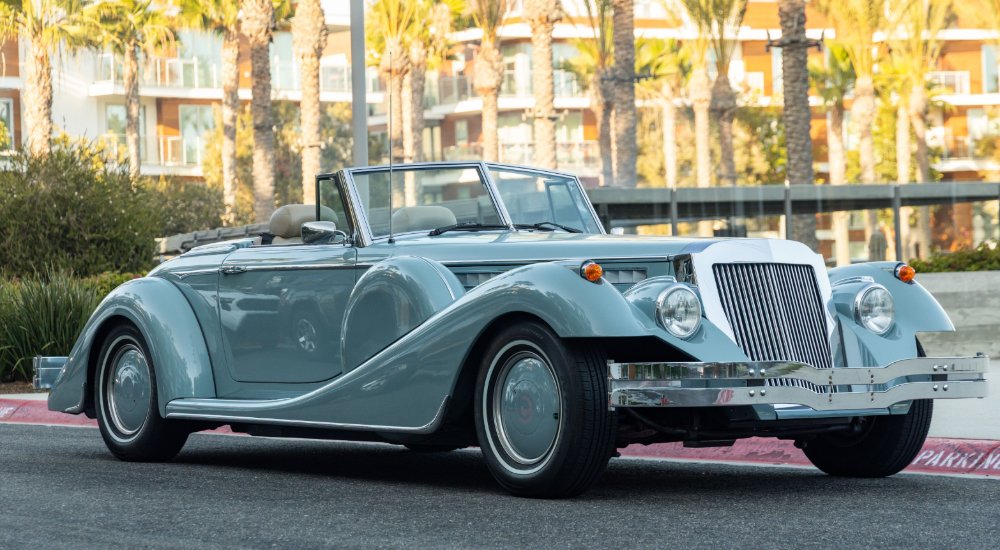
This 1991 Bancroft Roadster was designed by American racing driver Hugh Bancroft and built by GFG-Exklusiv-Cars of Gronau, Germany. Although production of 300 cars was initially planned, around ten examples were completed between 1991 and 1993.
Its aluminium and steel bodywork was styled to evoke 1930s roadsters, while the mechanical package was based on contemporary Mercedes-Benz components. Power comes from a 5.0-litre M119 V8 producing around 322bhp, driving through a four-speed automatic transmission. Suspension is independent at the front with a multi-link rear arrangement, and braking is by discs at all four corners.
This example reportedly remained with the Bancroft family from new and was stored for around 25 to 30 years in a climate-controlled garage in Costa Mesa, California. The current owner acquired it directly from Hugh Bancroft’s son. The odometer records very limited use, and it is offered without reserve and is estimated at between $65,000 and $75,000.
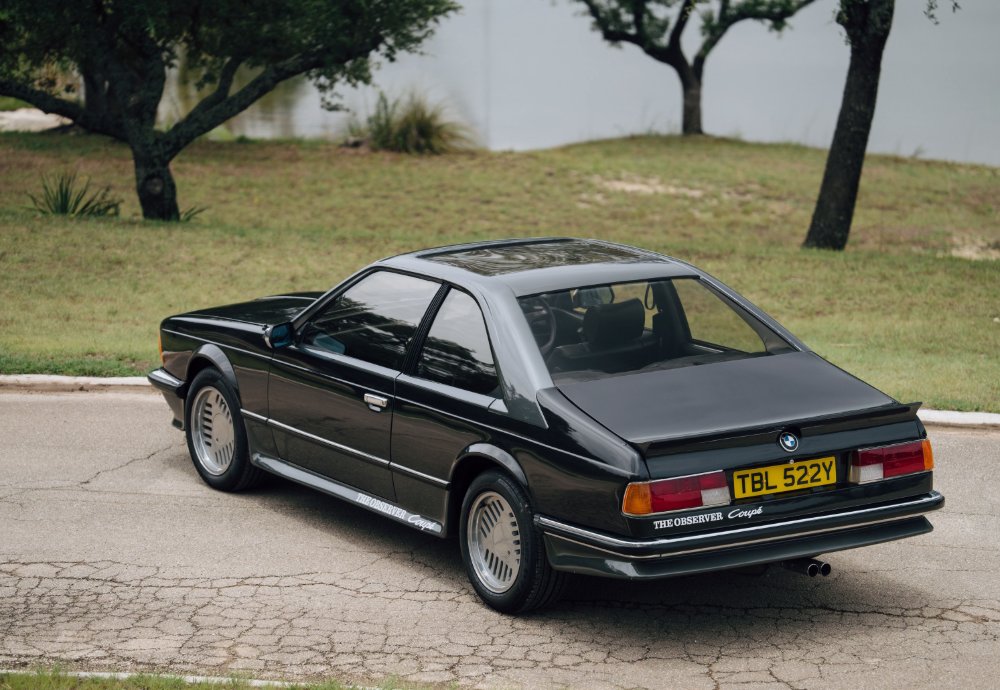
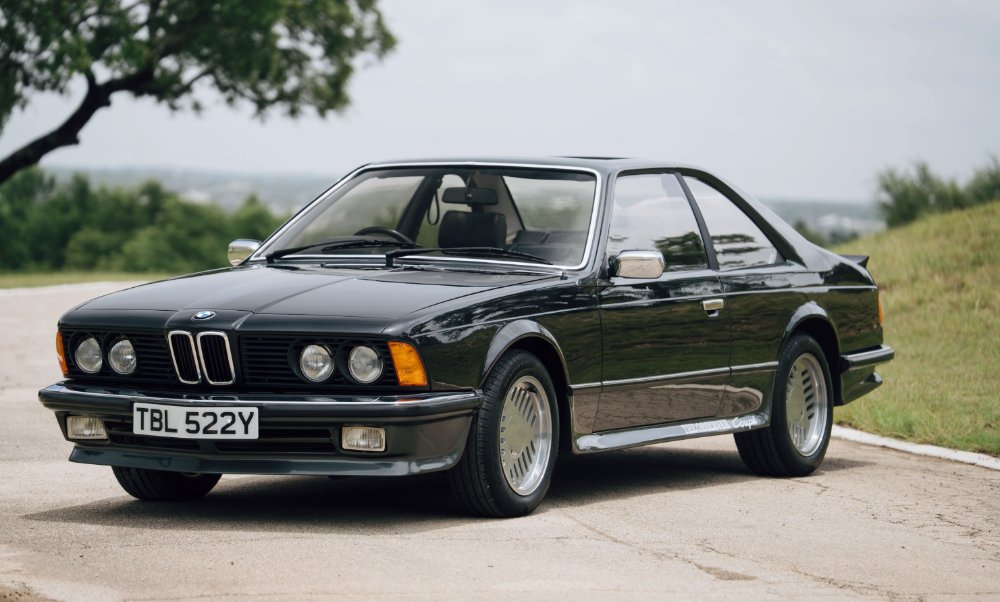
This 1982 BMW 635CSi was converted by Coventry-based MGA Developments Ltd as a one-off prototype known as The Observer Coupe. The project was backed by The Observer newspaper and intended to showcase MGA’s design, engineering and prototype capabilities.
The car was originally conceived with a fully retractable glass roof, developed with Triplex Safety Glass and Tudor sunroof mechanisms. Multiple glass panels and the rear window were designed to retract into a compartment within the extended tail section, while an integral roll-over bar maintained structural rigidity. The conversion was completed in around three and a half months, and the car was shown at the 1982 British International Motor Show. The retractable roof was later converted to a fixed-glass arrangement, while the car remained with MGA founder Mike Gibbs. A restoration in 2017 reportedly cost more than £26,000, and it’s covered 19,315 miles. It is estimated at between $18,000 and $24,000 at Monterey auction season 2026.
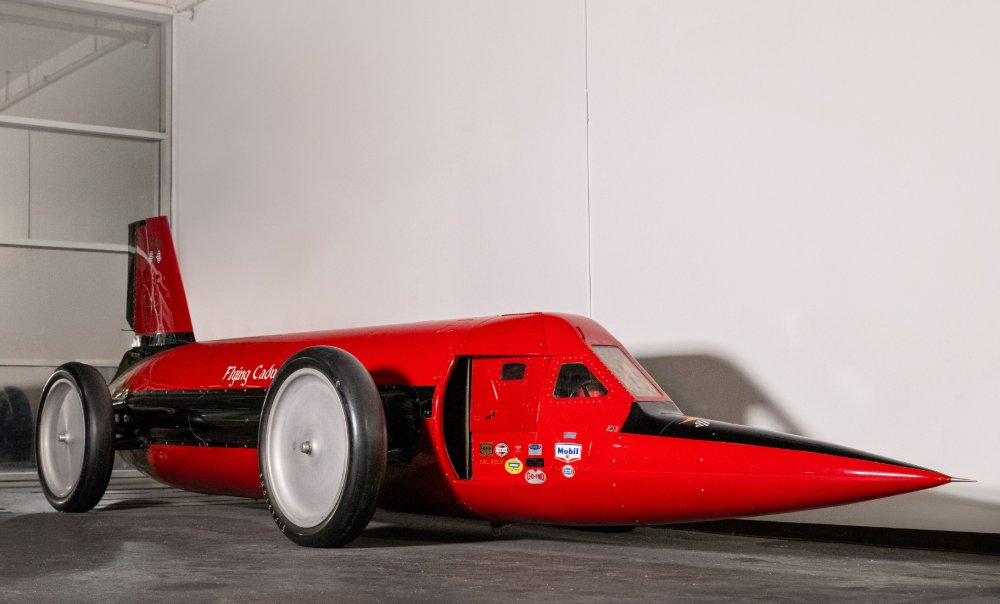
This 1960 Flying Caduceus was a privately funded jet-powered land-speed car conceived by Dr Nathan Ostich and built with the help of a group of American hot rodders.
Construction began in the late 1950s around a General Electric J47-19 turbojet from a Convair B-36D bomber. The engine produced 5200lb of thrust, while the tubular-steel chassis used 1960 Chevrolet suspension components, four 14-inch disc brakes and an eight-foot braking parachute. Firestone developed 48-inch tyres mounted on 34-inch aluminium wheels specifically for sustained high-speed running. The Flying Caduceus first appeared at Bonneville in 1960, returning in 1962 and 1963. On its final attempt it reached 359.7mph, although it never established an official Land Speed Record.
The car remains largely in original condition and retains its Firestone Bonneville tyres. A display J47-19 turbojet is included. It is offered without reserve and is estimated at between $70,000 and $90,000.
Broad Arrow
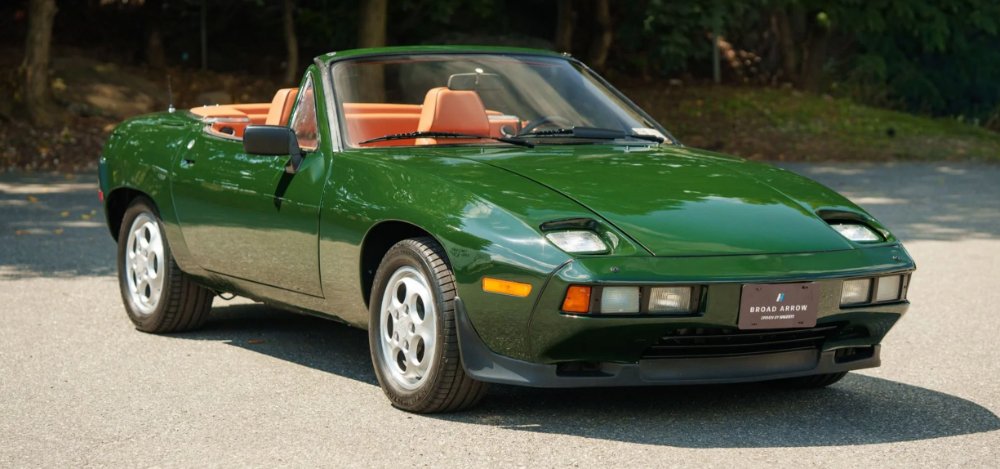
This 1982 Porsche 928 was converted into a cabriolet by California coachbuilder Richard Straman, with the work believed to have been completed in 1990. Straman’s conversion incorporated a retractable soft-top beneath a hard tonneau panel, while retaining part of the original luggage compartment. Other changes included altered aluminium front wings housing rectangular pop-up headlights and deletion of the bonnet crest.
The car is finished in dark olive green with a terracotta leather interior and matching Wilton wool carpeting. The cabin otherwise retains much of the standard 928 layout. Its mechanical specification remains largely standard, with Porsche’s 4.7-litre V8 driving through a Mercedes-Benz-sourced three-speed automatic transmission. The car is offered without reserve and is estimated at between $60,000 and $80,000 at Monterey auction season 2026.
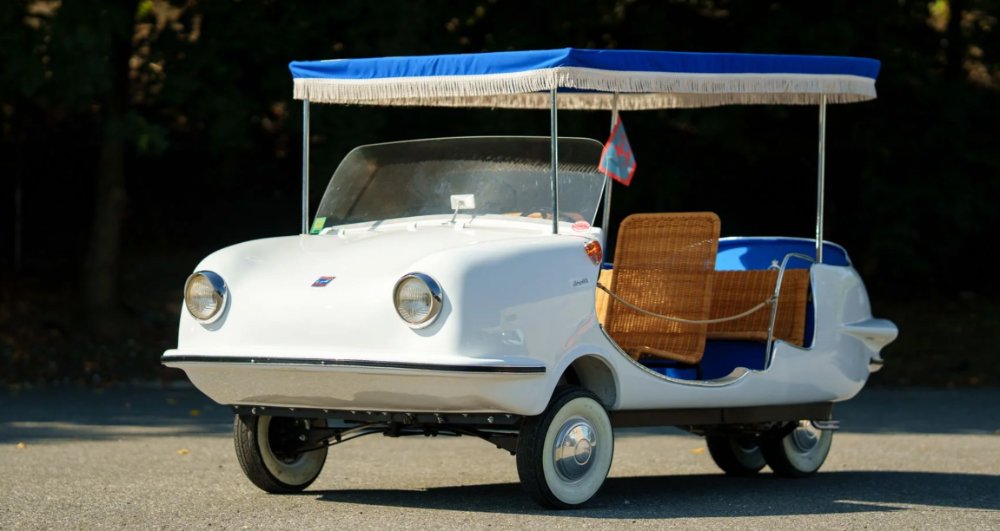
This 1965 Attica Cabrioletta is believed to be one of only two examples produced by Greek manufacturer Bioplastic SA. The Attica was derived from the German Fuldamobil and adapted for local production under company founder Georgios Dimitriadis, and the Cabrioletta uses a glassfibre body and a twin rear-wheel layout. Power comes from a 198cc Heinkel engine producing 10bhp, driving through a four-speed manual gearbox.
This example underwent a documented restoration in Athens between 2016 and 2017. It is finished in white with wicker front seats, a rear bench and a blue-and-white striped surrey top, which the seller states can also be used as a beach umbrella. According to its FIVA identity card, the car was used by Greek shipping magnate Stavros Niarchos on the island of Spetsopoula. It later passed to John Fuller and then to George Leonidas Karaiskakis. The car is offered without reserve and is estimated at between $80,000 and $100,000.
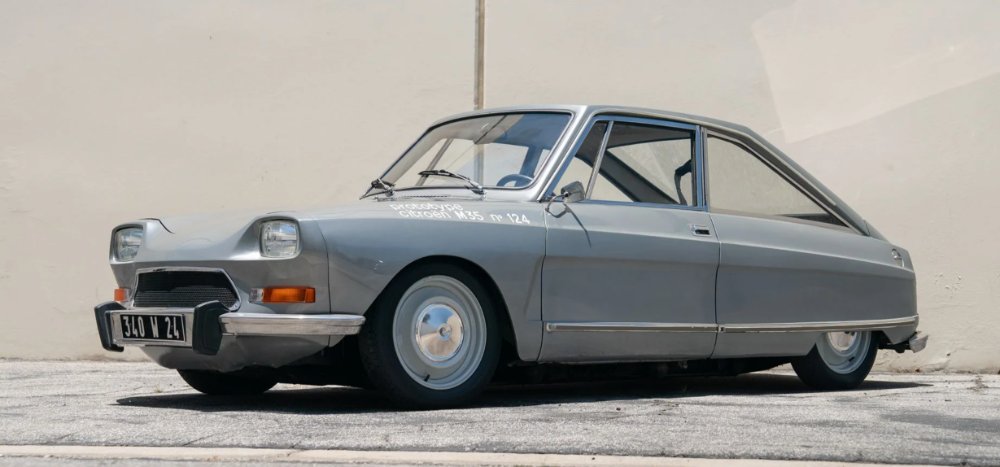
This 1970 Citroën M35 was one of 267 road-legal prototypes built to evaluate Citroën’s 995cc single-rotor Wankel engine. The model combined the rotary powerplant with hydropneumatic suspension, front disc brakes and 2+2 coupé bodywork by Heuliez. Citroën placed the cars with selected customers who were asked to report their experiences directly to the engineering department. Most were later repurchased and scrapped after the programme ended.
This example, number 124, was delivered new in France in Gris Nacré Métallisé and spent much of its life in Dordogne. Its bodywork was later restored and repainted by Citroën of Bergerac before the car entered a private collection in Lyon. It was subsequently acquired for the Peter Mullin Collection and displayed at the Mullin Automotive Museum in California. The odometer showed 18,704km at cataloguing. Documentation includes a Citroën birth certificate and a 2025 appraisal report. It is offered without reserve and estimated at between $30,000 and $40,000.
Gooding Christie’s
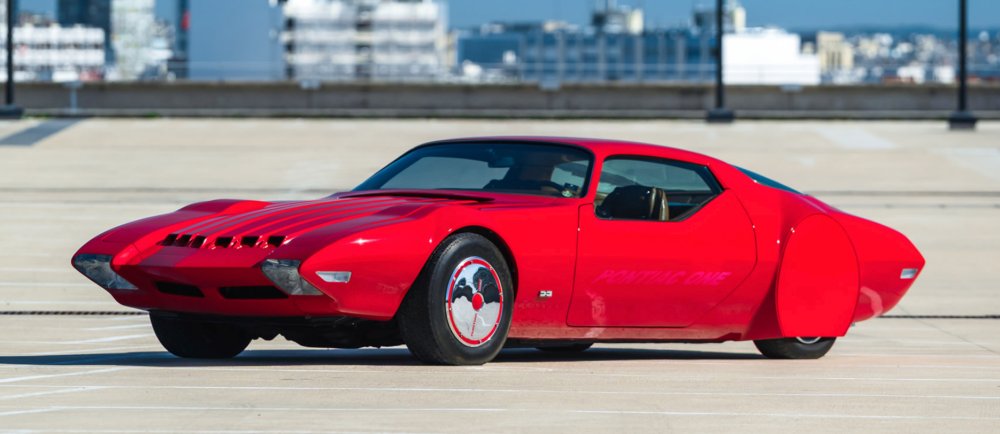
This 1970 Pontiac Firebird One is a one-off road-going prototype created from a standard Firebird by GM designer Dave Crook, working from drawings by stylist Harry Bentley Bradley. Bradley, whose work included the Dodge Deora and original Hot Wheels line, envisaged a lower and more aerodynamic Firebird. Crook spent four years translating the design into metal, incorporating skirted rear wheels, six bonnet scoops and a reshaped nose. The car retained safety glass rather than the acrylic commonly used on show cars.
Inside are bolstered bucket seats, a steering wheel and instrument cluster, with the spare wheel mounted behind the seats. Power comes from a 350cu in Pontiac V8 driving through an automatic transmission. GM chief Bill Mitchell reportedly considered adopting the car as a display vehicle, but the project went no further. It is accompanied by its development file and Bradley’s drawings. It is estimated at between $200,000 and $250,000 at Monterey auction season 2026.
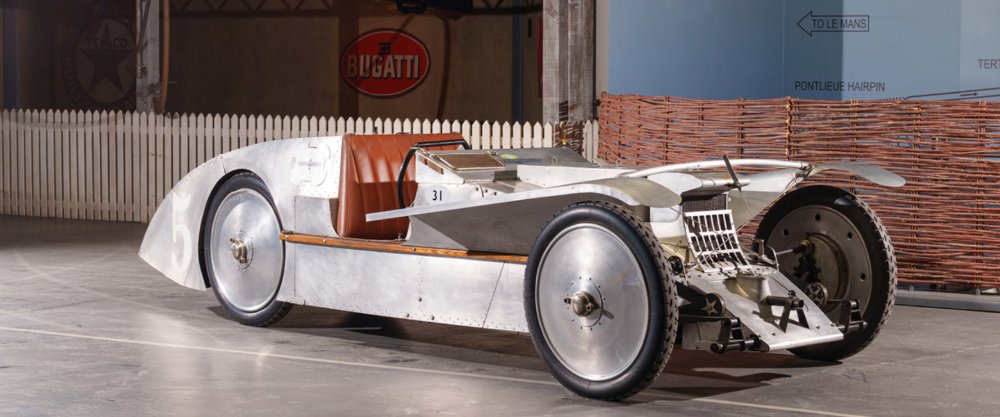
We’ve brought you one slice of oddness from Gooding’s Mullin-sourced garage here, but here is another one. This 1923 Avions Voisin C6 Laboratoire is a recreation of the experimental Grand Prix car developed by Gabriel Voisin and engineer André Lefèbvre for the 1922 formula. The original C6 used a 2.0-litre engine and a lightweight monocoque structure formed from thin aluminium sheets around a wooden frame with steel reinforcement. Its wedge-shaped bodywork drew heavily on aircraft construction and was intended to generate aerodynamic stability. The cars competed in events including the ACF Grand Prix at Tours, Monza and the Gaillon hill climb, with a best finish of fifth.
This recreation was built in 1992 by Philipp Moch. Its detailing follows the original design and the interior is trimmed in tan leather by Hermès. The car was displayed at the Pebble Beach Concours d’Elegance in 1995 before joining the Mullin Collection in 2009, where it remained for more than a decade. It is offered without reserve and is estimated at between $200,000 and $300,000.
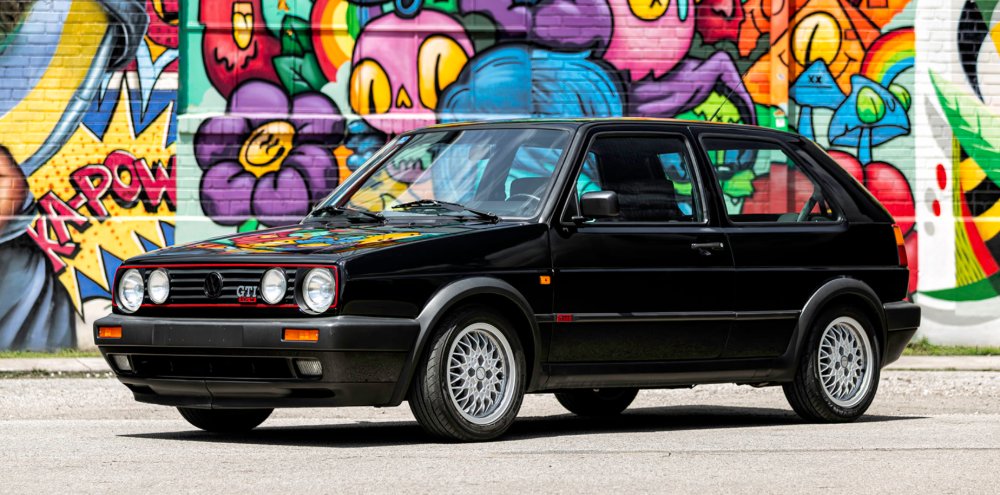
It will be interesting to see how a 1980s hot hatch performs in the US. This 1991 Volkswagen Golf MkII GTI 16v is a European-market example originally supplied in Italy. It is finished in black with a grey interior and equipped with the 16-valve version of Volkswagen’s 1.8-litre four-cylinder engine, producing 137bhp. It’s had a major inspection and service in 2024 at a reported cost of nearly $9500. Further work in 2025 included installation of a Jetex stainless-steel exhaust system.
It is offered without reserve and is estimated at between $60,000 and $80,000.
Mecum
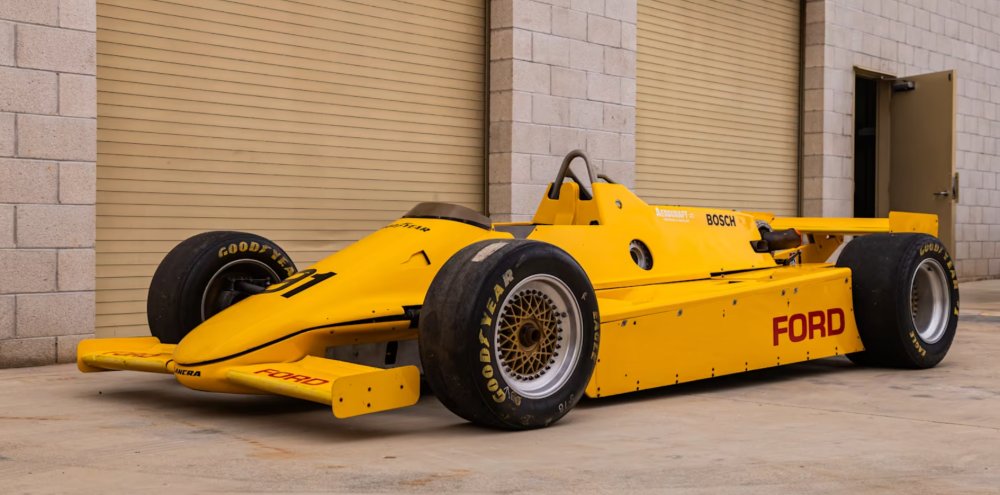
The Mecum line-up has an uncustomary strait-laced feel this year, but we kick off with this 1981 March 81C Cosworth, chassis 81C-6, which was bought new by Don Whittington and raced by him in two Indianapolis 500s. It was invoiced to Whittington on April 8, 1981 for $80,000, with a further $38,200 charged for its turbocharged 2.65-litre Cosworth DFX V8.
Whittington drove the car to 21st place at Indianapolis in 1981, then returned with it in 1982. That year Don, Bill and Dale Whittington became the first and only three brothers to qualify for the same Indianapolis 500. Don started eighth and finished sixth, his best result in five Indy 500 appearances between 1980 and 1985. The March remained with Whittington until 1991, when it was sold to Peter Schomer. It subsequently passed to Argentine collector Abba Kogan before entering its current collection in 2007. Documentation includes Historic Indy Race Group papers and records from the Whittington brothers. It is offered without reserve and estimated at $50,000-$60,000 at Monterey auction season 2026.
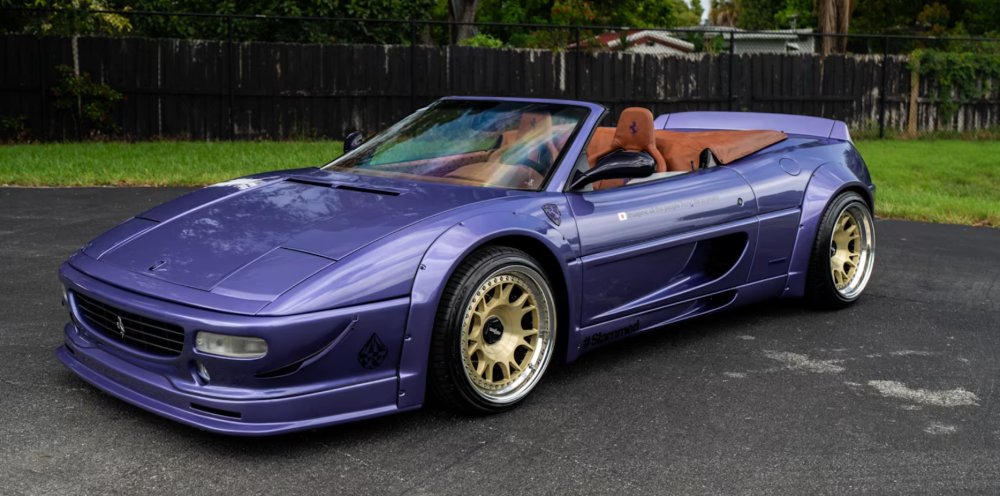
This 1997 Ferrari F355 Spider has been extensively reworked around Liberty Walk’s LB-WORKS conversion rather than simply fitted with cosmetic add-ons. Liberty Walk’s current F355 package comprises wide fenders, front and rear diffusers and a rear wing, but this car goes further with 355 Challenge-style bumpers, moulded Liberty Walk rear spoiler and purple-tinted carbonfibre canards, mirrors, Scuderia shields and rear-light surround.
Finished in Porsche Viola Purple Metallic, it rides on three-piece Rotiform TUF-R wheels and Air Lift 3H air suspension. Mechanical changes include a GruppeM carbonfibre intake, Tubi headers, Kreissieg valved exhaust and Brembo GT-S brakes, while the original 3.5-litre V8 remains paired with a six-speed manual gearbox. Inside are Recaro Sportster CS seats, tan leather and Alcantara trim, a Liberty Walk quick-release steering wheel and more purple-tinted carbonfibre. The car was displayed on the Hoonigan stand at SEMA in 2025. Mecum has not published a pre-sale estimate.
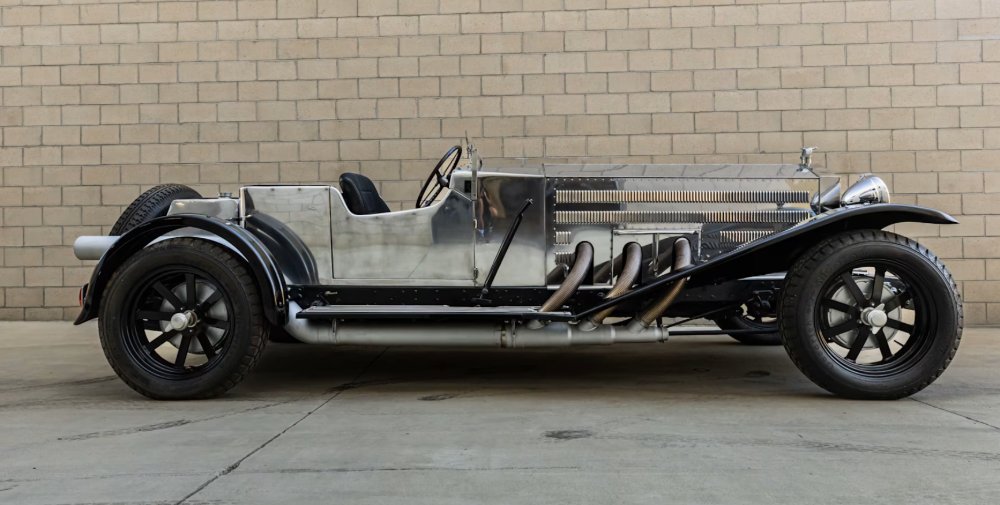
This 1930 Rolls-Royce Speed Wagon is a custom-built machine centred on a 27-litre Rolls-Royce Merlin V12 aircraft engine. The normally aspirated unit is quoted at 1100bhp and 1550lb ft, with drive sent through a four-speed manual gearbox and hydraulically operated clutch.
Fuel is supplied by twin brass-bodied Zenith carburettors and two mechanical fuel pumps, while ignition is by twin magnetos. The engine also uses four separate intake manifolds and a 15-gallon dry-sump lubrication system. The chassis is reinforced by seven crossmembers and uses heavy-duty front and rear axles with semi-elliptic leaf springs. Braking is by Lockheed drums with finned aluminium housings, while 24-inch eight-spoke wheels are fitted with Michelin radial tyres. Its body is polished aluminium with black wings and an exposed six-pipe exhaust arrangement exiting along the flanks. It is offered without reserve and estimated at between $200,000 and $250,000.
RM Sotheby’s
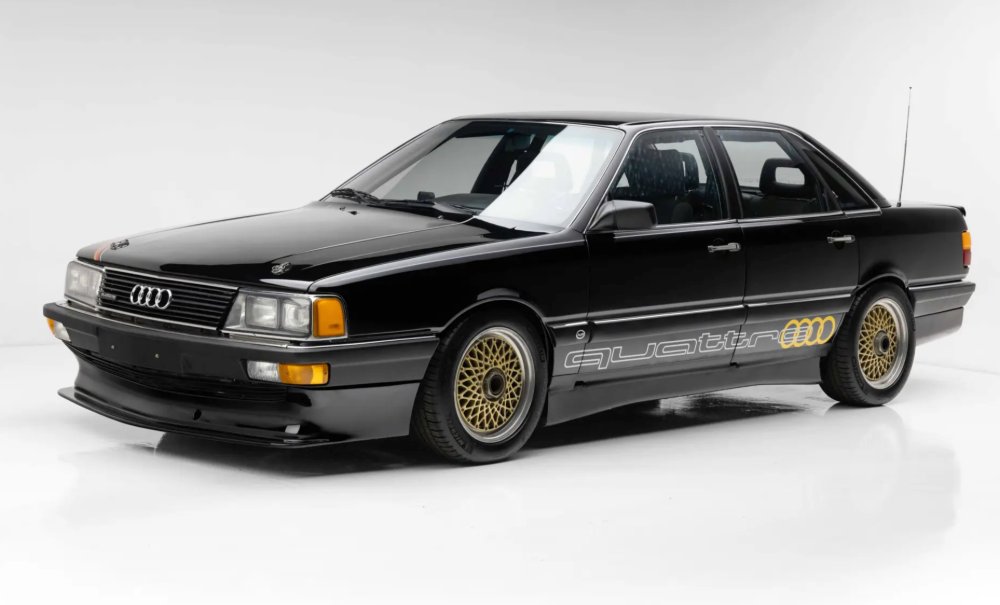
This 1986 Audi 5000 CS Quattro was built as a speed-record prototype and used by Audi to demonstrate the capabilities of turbocharging, four-wheel drive and aerodynamic development. The car was extensively lightened and fitted with a strengthened 2.2-litre turbocharged five-cylinder engine producing around 650bhp. Walter Röhrl had initially been considered as its driver, but Audi instead recruited three-time Indianapolis 500 winner Bobby Unser for the Talladega attempts. Unser exceeded 200mph on his first run in March 1986, then recorded a 206.3mph lap on his second. The programme ultimately produced 16 speed records.
Audi later sold the car to a German collector family after it had been earmarked for disposal. During their ownership the paintwork was refreshed and the engine rebuilt by a specialist. The prototype has remained in that family’s stewardship for decades. It is offered without reserve and estimated at between $250,000 and $300,000 at Monterey auction season 2026.
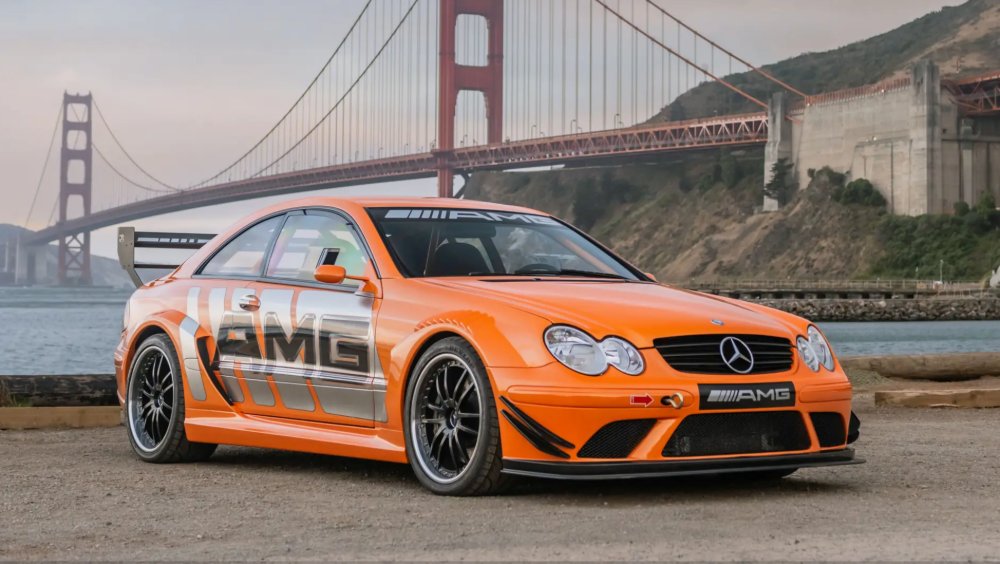
This 2005 Mercedes-Benz CLK DTM AMG P900 is one of four prototypes built by AMG and one of two believed to survive. It is also reported to be the only surviving example carrying an authentic DTM chassis number. The car was used by AMG to develop the naturally aspirated 6.2-litre M156 V8, which in this application produced 503bhp and 465lb ft. It remained with AMG for development and demonstration work before being offered to Mercedes-Benz of Laguna Niguel in California.
Although based on a CLK 500 Avantgarde, the car was extensively reworked for development use. Its specification includes carbonfibre doors, Lexan side windows, ventilated front wings, DTM-style mirrors, front canards and a distinctive twin-fin rear wing. The interior features fire-resistant bucket seats, harnesses, a full roll cage, Alcantara trim, digital instrumentation and a competition steering wheel. It has covered fewer than 225km and is currently in the US under NHTSA Show or Display and EPA Racing Vehicle exemptions. It is estimated at $800,000-$1m.
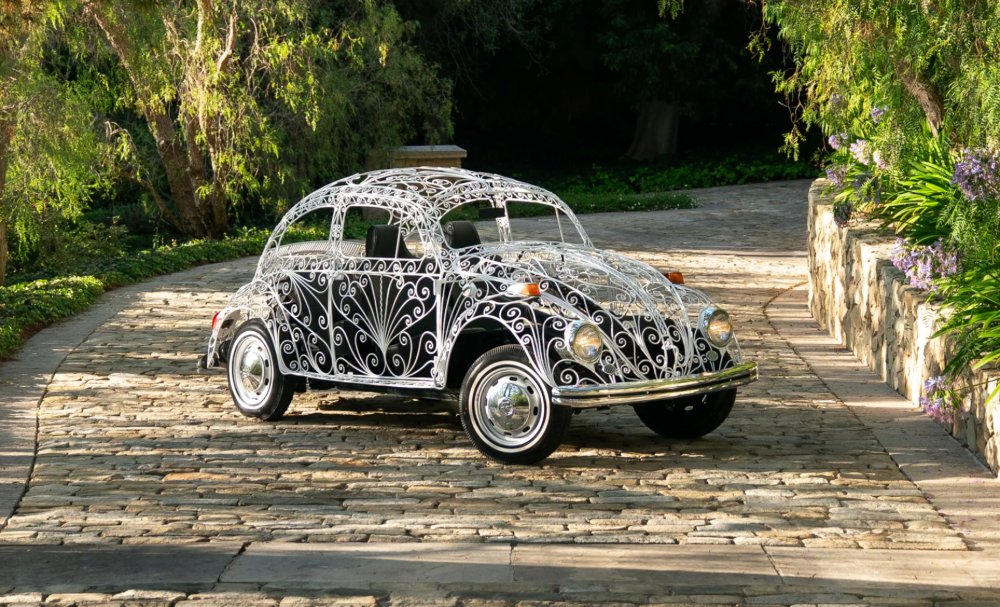
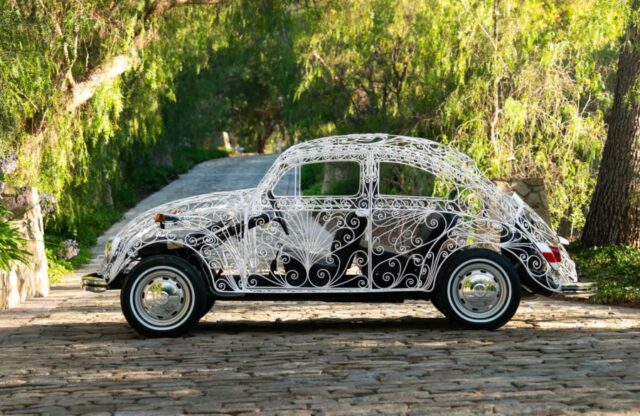
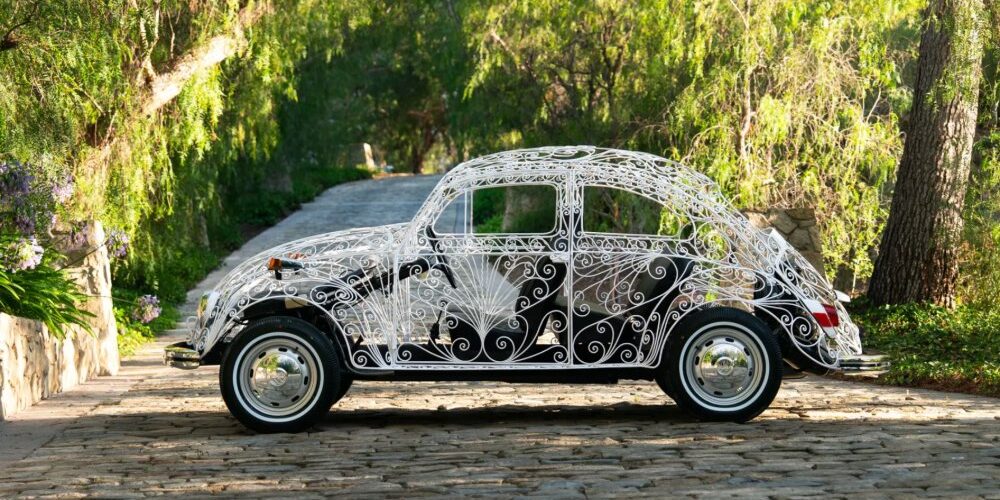
This 1970 Volkswagen Beetle was given wrought-iron bodywork by Mexican blacksmith and artist Rafael Esparza-Prieto and is one of 23 examples known to have been constructed. Esparza-Prieto began building the cars in Mexico after creating an attention-grabbing Beetle for a parts business in Zacatecas. Volkswagen subsequently commissioned further examples for promotional use, including two associated with the 1968 Mexico City Olympic Games and a larger batch for dealership display. Each car was individually made, and this example is distinguished by its so-called ‘peacock’ doors. Beneath the decorative ironwork is a functioning 1970 Beetle chassis, allowing the car to remain fully driveable – if somewhat breezy.
After its promotional duties, it was acquired by California dealer Vasek Polak. In 1998 it passed to Lorenzo Pearson, founder of Volkswagen parts specialist West Coast Metric, and remained in his collection. It is offered without reserve and estimated at between $75,000 and $125,000.
Further details
For more information on the Bonhams sale during Monterey auction season 2026, head here.
For more information on the Broad Arrow sale, head here.
For more information on the Gooding Christie’s sale, head here.
For more information on the Mecum sale, head here.
For more information on the RM Sotheby’s sale, head here.