

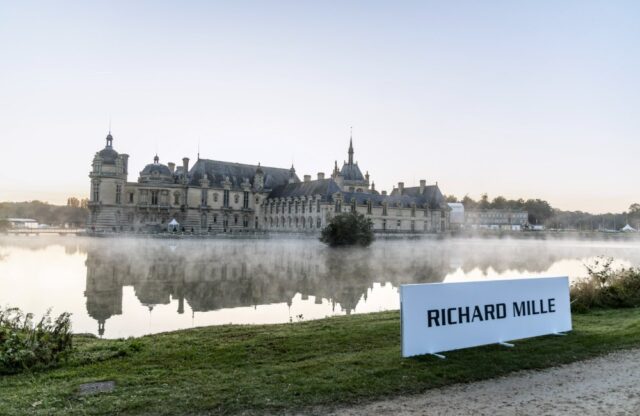
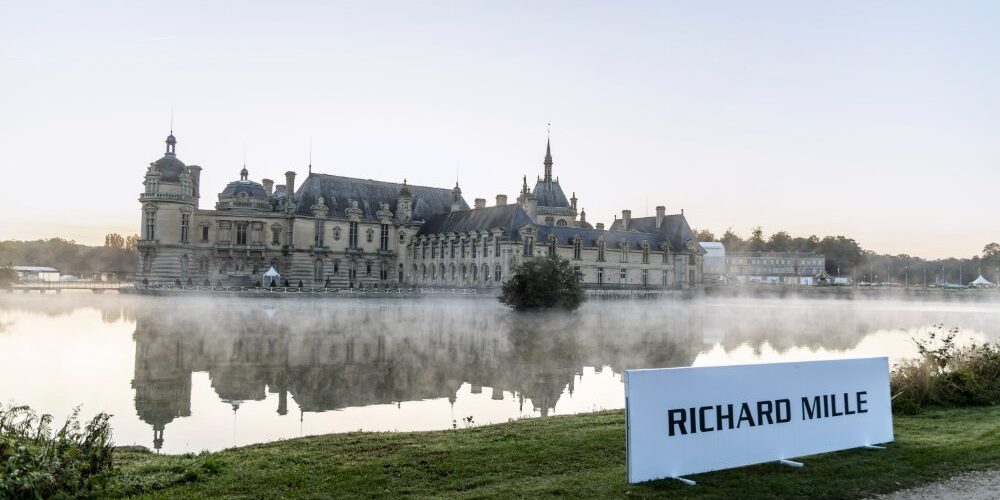
Chantilly Arts & Elegance 2026 returns to the Château de Chantilly on September 13, with 17 Concours d’Etat classes covering competition, coachbuilt and road cars from the early years of motor racing through to the GT1 era and modern concept machinery.
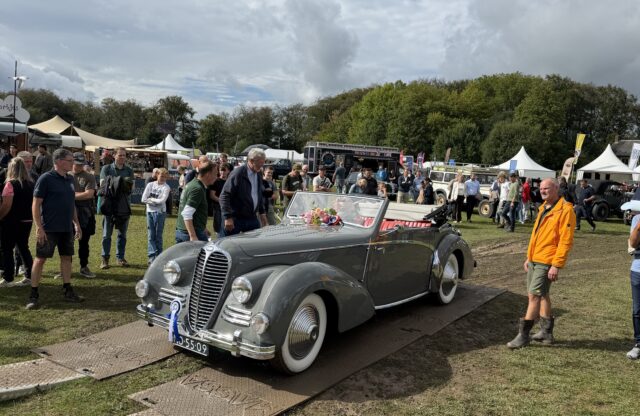
The first individual cars have begun to appear on the entry pages, with five Bugatti Type 35 derivatives currently listed: a 1925 Type 35A, 1925 Type 35, 1927 Type 35B, 1929 Type 35B and 1928 Type 35C. Bugatti receives a separate competition-car class among the 17 categories, alongside pre-war coachbuilt cars, models retained in original condition and a Delahaye group.
Another class at Chantilly Arts & Elegance 2026 is reserved for racing and competition cars built between 1906 and 1914, using the first Grand Prix de l’Automobile Club de France in 1906 as its starting point. The inaugural ACF Grand Prix was run over two days on public roads around Le Mans and was won by Ferenc Szisz for Renault. Chantilly’s class extends through the years immediately before World War One, rather than concentrating on the better-represented Grand Prix machinery of the 1920s and 1930s.
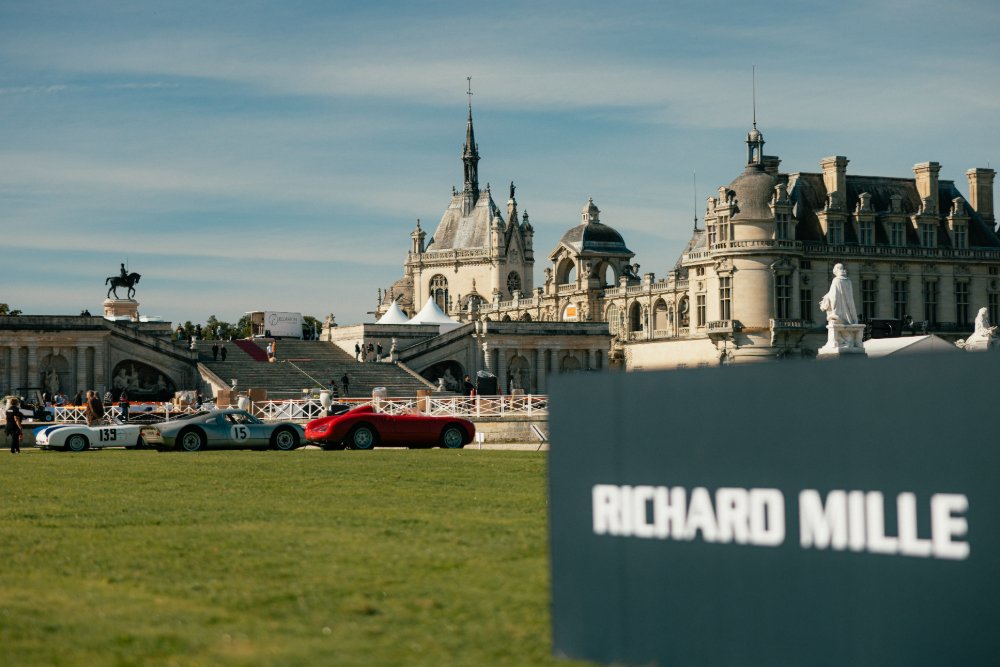
Cars with period competition history return in another category titled Tour de France Automobile’s Originals. The class is specifically for cars associated with the event itself, rather than a broader display of models eligible for the Tour de France Automobile. The Tour de France Automobile ran in several forms during the 20th century, combining circuit races, hillclimbs and long road sections.
Its entry lists consequently encompassed machinery ranging from lightweight sports cars to increasingly specialised GTs and prototypes. Ferrari, Porsche, Jaguar, Alpine, Matra and Ligier were among the manufacturers represented during its post-war history. Sports-racing cars will also appear in an Endurance Barchettas class, while Ford & Shelby: American Myths provides a separate category for American machinery.
Two classes at Chantilly Arts & Elegance 2026 focus on individual designers and coachbuilders. Pininfarina receives a dedicated category, while Ercole Spada is being marked with a separate tribute. Spada joined Zagato in 1960 and worked on cars including the Aston Martin DB4 GT Zagato, Alfa Romeo Giulietta SZ and Giulia TZ, Lancia Flavia Sport and several other low-volume sporting models before later spells with Ford, BMW and I.DE.A.
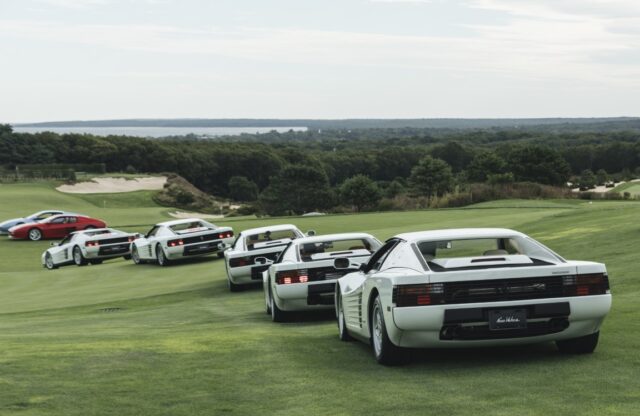
Ferrari has an additional class restricted to front-engined V12 machinery, while the Lamborghini’s Miura will be marked 60 years after the production version appeared in 1966. The Miura class joins several anniversary displays being staged around Europe during 2026, while Maserati moves the competition chronology considerably further forward with a class devoted specifically to the MC12 in racing form. The MC12 entered FIA GT competition during 2004 and continued at international level through the following seasons, with successes including multiple FIA GT championships and victories in the Spa 24 Hours.
It sits alongside a separate GT1 category titled The Golden Age of Grand Touring. Chantilly has not yet published the final cars for the class, but the designation opens the field to one of the broadest periods in modern GT history, covering machinery developed under successive GT1 regulations rather than a single manufacturer or championship.
The Chantilly Arts & Elegance 2026 programme then moves into two rather less conventional concours categories. German Craftsmanship: Tuned Cars of the 1980s and 1990s is reserved for modified and specialist-built German machinery from the period. It is joined by a Renault 5 Turbo class. The mid-engined Renault was introduced in 1980 and developed through road-going Turbo and Turbo 2 models as well as increasingly specialised Group 4 and Group B competition derivatives.
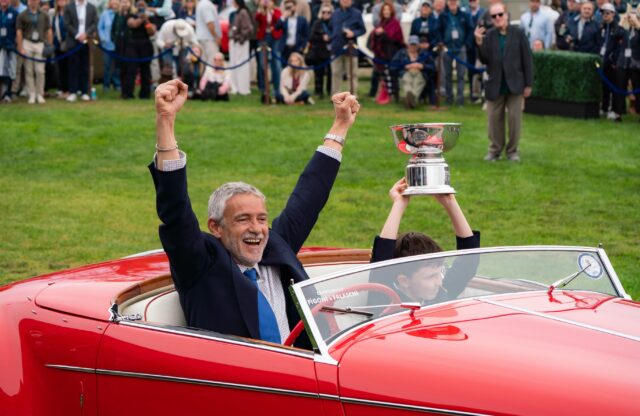
Concept Cars completes the 17-class Concours d’Etat line-up. This is separate from Chantilly’s Concours d’Elegance, in which contemporary concepts and new cars are traditionally paired with fashion designers for the parade. In 2024, the Lancia Pu+Ra received the Concours d’Elegance award and the Bugatti Tourbillon took the public prize.
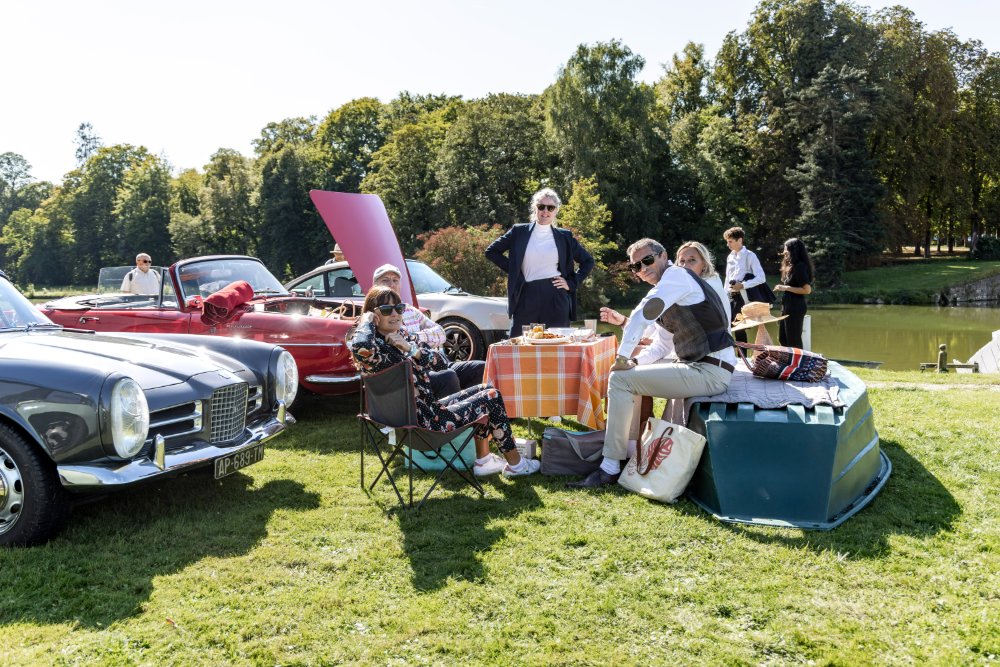
The concours cars will also be used away from the lawns. On Saturday, the Rallye Le Nôtre is open to owners of Concours d’Etat cars and invited classics from participating manufacturers. The route covers approximately 100km before finishing with lunch at the Polo Club d’Apremont. A separate Rallye du Connétable is available to clubs and collectors. Its 120km route runs through the Oise region before finishing within the Château de Chantilly grounds ahead of Sunday’s displays.
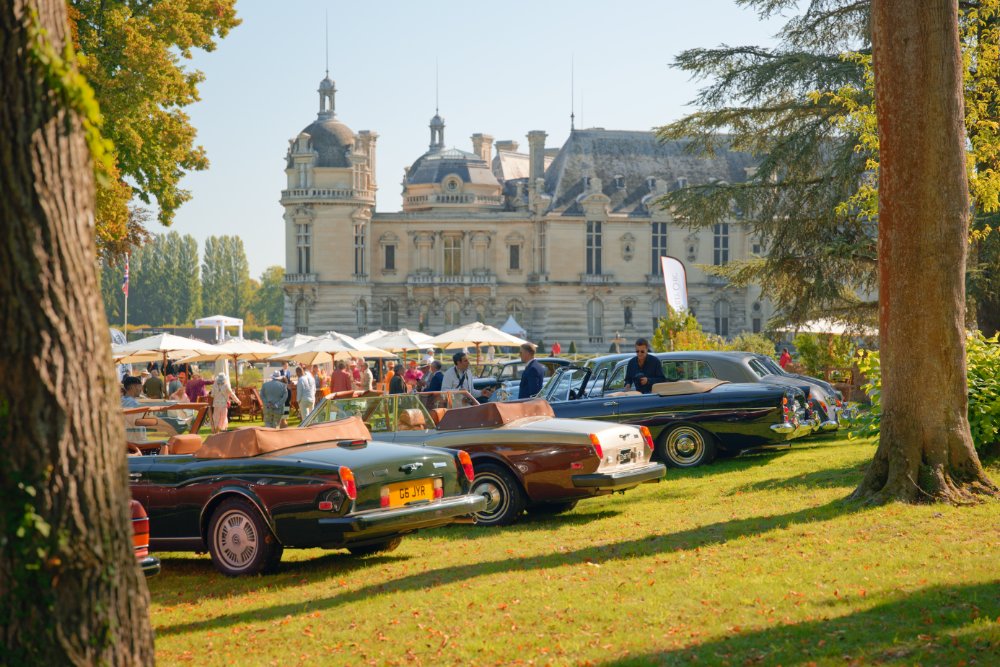
The Grand Prix des Clubs returns alongside the two principal concours competitions, with around 40 clubs traditionally taking part in displays and the Garden Party. Club entries are judged separately, with the public voting for the winning presentation. For club entrants, Peter Auto has also expanded the eligible machinery well beyond the pre-1970 cars traditionally associated with events of this type. Its current eligibility list includes cars such as the Alfa Romeo SZ and RZ, 8C, 147 GTA and 4C, Aston Martin One-77, DB7 Zagato and Vanquish derivatives alongside older machinery.
More details on Chantilly Arts & Elegance 2026 can be found here.