

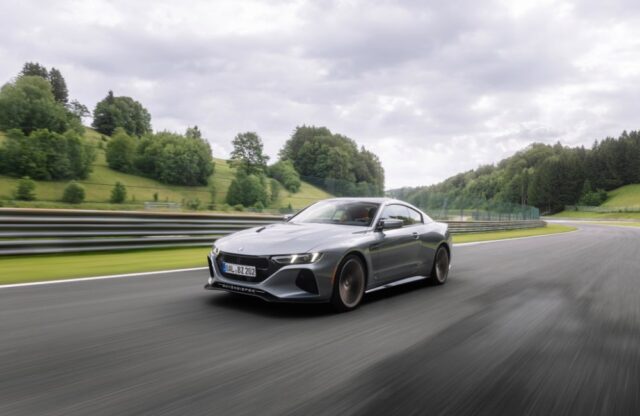
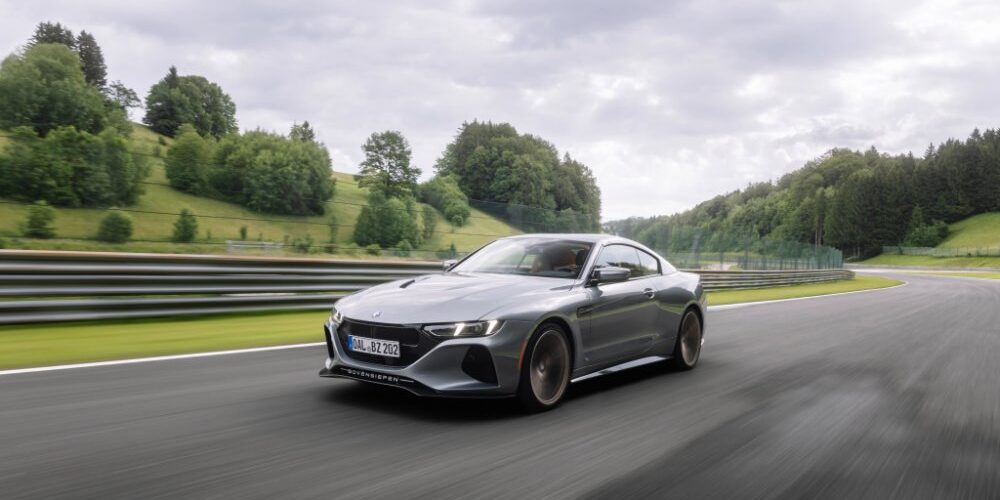
When the Alpina name was licensed to BMW, the Bovensiepen family faced an uncertain future. But behind the scenes the Buchloe-based concern formed its own path, relaunching itself with a limited-run collaboration with Zagato and, as revealed earlier this week, an estate car that goes straight to the Old Alpina heartland. This week, Magneto was invited to the Salzburgring to drive the Bovensiepen Zagato and 05 GT.
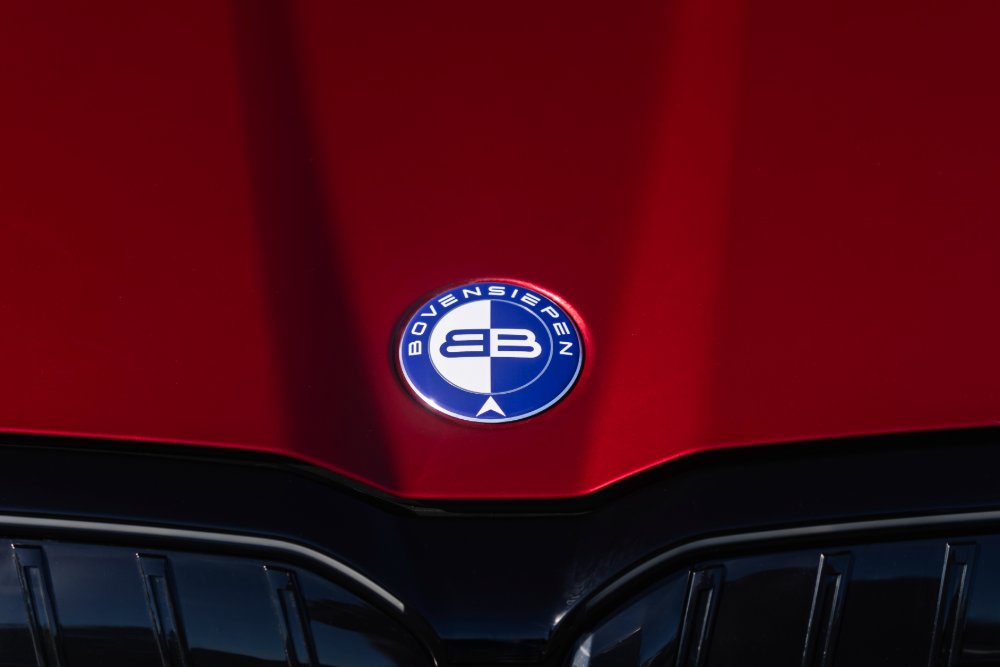
It is worth pausing on the Bovensiepen badge for a second. Penned by Diana Graham, the designer also credited with the Top Gun logo, it features two opposing Bs in a nod to Bovensiepen and the company’s Buchloe, Bavaria origins, a flash of Bavarian blue and white and a subtle upward arrow. This is not just a cynical branding exercise. This is a company that casually sits on a 900,000-bottle wine cellar and is actively expanding its classic parts activity, from wheels for the E9 and E30 to steering wheels, springs and bespoke Bilstein damper work. They are, fundamentally, our kind of anoraks.
The Old Alpina methodology was beautifully tuning BMW base materials into extremely fast, extremely efficient and sublimely comfortable machines that eschewed M-Power extremes for refinement more on a par with Bentley, Rolls-Royce and Mercedes-Benz. Now free from the shackles of having to be the luxury ying to M-Power’s yang, would the Bovensiepen clan go for hardcore maximalism or continue to provide the velvet-gloved wallop that Old Alpina was adored for? Time to find out.
The Zagato
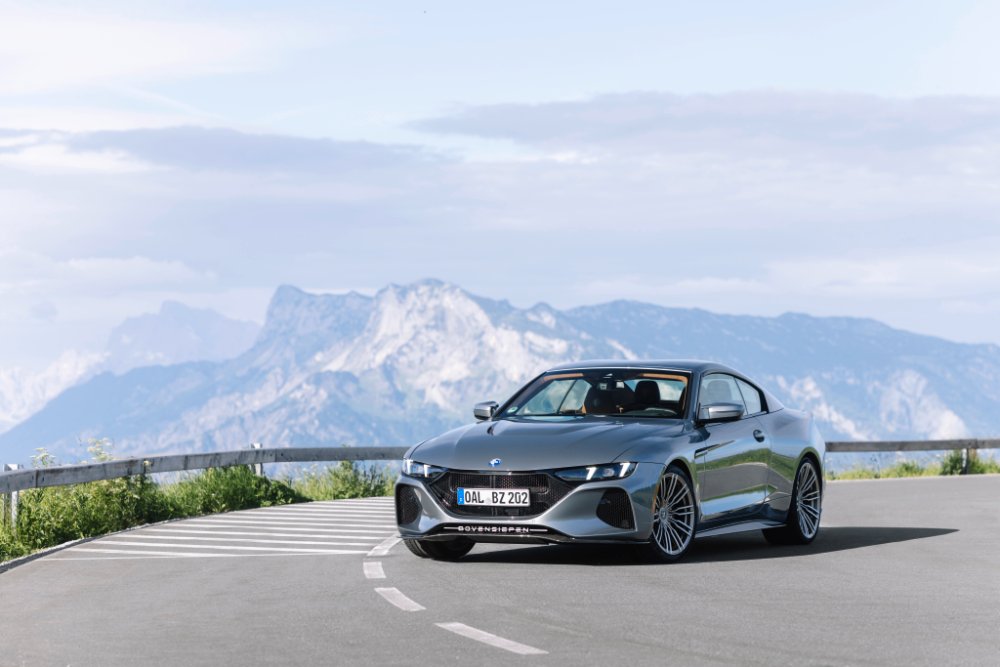
There is a specific kind of romance to the Bovensiepen Zagato that feels like a glorious throwback to the late 1990s. Back then, while involved in the gestation of the BMW Z8, the Bovensiepen family first harboured the itch to build a genuinely bespoke, timeless coachbuilt car. Now, decades later, under a brand wearing a freshly minted badge, that itch has been comprehensively scratched. However, the Z8 was something very different to the product line-up – the Zagato might wear a tailored Italian suit but the bones are topless BMW M4. Is the Zagato suitably special enough?
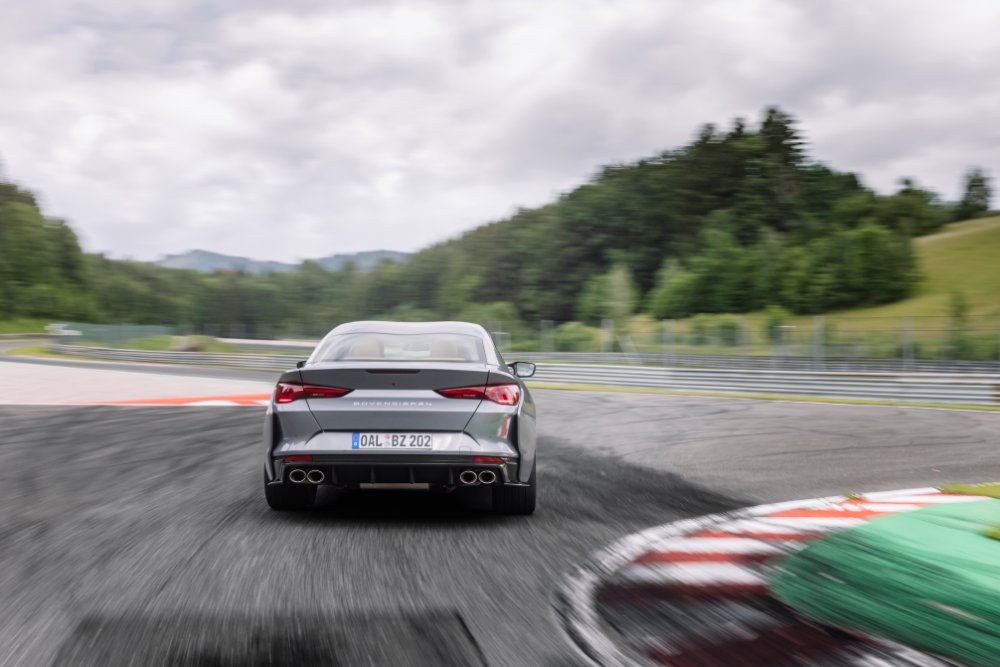
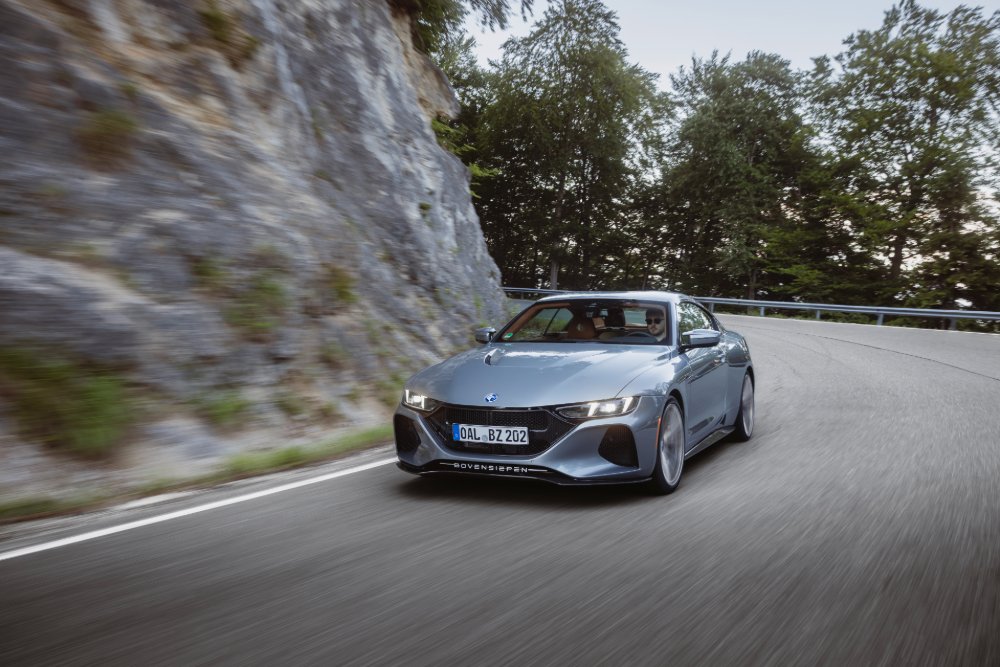
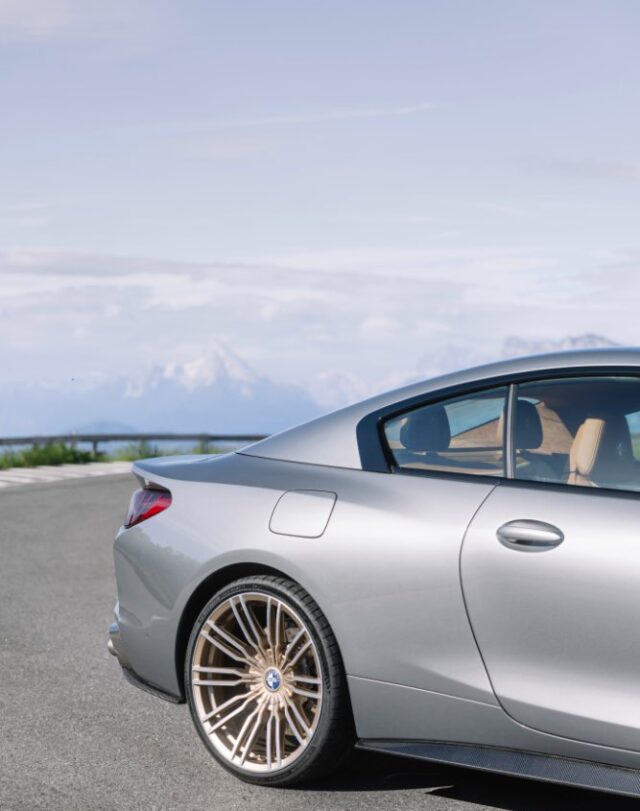
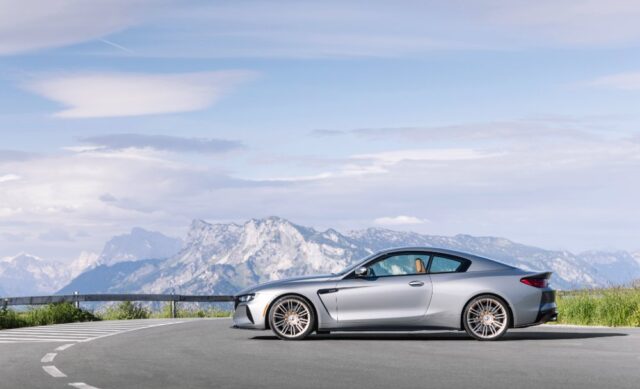
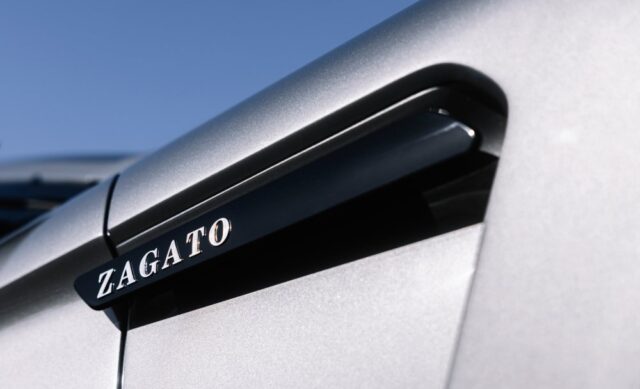
Bovensiepen and Zagato started work together in 2024, and soon found commonality in purpose, resulting in one of the most restrained Zagato designs we’ve seen in a long time. Some would argue too restrained, but a fully expressive design would not sit well with the Alpina oeuvre. The result features the trademark Zagato double-bubble roof, a long, sweeping bonnet, a swooping side profile completely devoid of a B-pillar and a dynamic beltline tying the whole formidable shape together. It made its debut at FuoriConcorso last year, with a somewhat divided response to its aesthetics (follow that link for an interview with Andreas Bovensiepen).
In the carbon, the Zagato sits much lower than it comes across in still images – the nose has been elongated by 10mm and dropped lower, which works with the flanks to create a very wedgy shape that looks truly special, especially in any other colour than the grey used in the pictures you see here. The result is pleasingly elegant, with just the right level of aggression – and my optic nerve is delighted it looks nothing like the frankly ugly donor car.
Underneath the carbonfibre skin, every Zagato begins life as a standard, factory-fresh black BMW M4 Convertible. It is then hacked to pieces – the roof comes off, the window electrics are removed, the doors are cut and only the core structural elements and the base of the rear wings remain. Every other panel is swapped for bespoke carbonfibre. Even the factory paint is stripped off the A-pillars to avoid building up an extra 400 to 500 micrometres of paint and upsetting tolerances around the frameless doors.
From there, more than 400 custom parts are painstakingly matched, fettled and tested before final paint and assembly. It is a 250-hour manual slog per car. You can pick from 19 standard hues, dive into the BMW Individual catalogue or even spec a paint-to-sample Ferrari red if you are feeling brave.
Under the bonnet sits BMW’s S58 3.0-litre straight-six. In the current M4 CS, this twin-turbocharged unit produces a respectable 542bhp, but Bovensiepen has comprehensively wrung its neck. After hundreds of hours screaming away on five engine test benches, simulating everything from the Nordschleife to Spa, plus cold-weather thrashes in Sweden and top-speed runs at Nardò, Bovensiepen derestricted the intake tract and reduced exhaust back pressure.
Because Bovensiepen operates below the threshold applied to large-series production, the Zagato omits the particulate filter. Paired with a bespoke, fully titanium Akrapovič exhaust system to reduce back pressure, the S58 unleashes a thumping 611PS, or 602bhp, and 516lb ft of torque, swelling from 479lb ft in the donor car. This gives the 1875kg Zagato a power-to-weight ratio of 321bhp per tonne. It will dispatch the 0-62mph sprint in 3.3 seconds and run on to 188mph.
What stops it from being a brittle track-day special, though, is the chassis wizardry. The suspension set-up is a bespoke cocktail of Bovensiepen-specific Bilstein DampTronic dampers, switchable through Comfort, Sport and Sport Plus, custom support bearings and carefully developed spring rates. The real magic, however, is a dual-spring arrangement at both the front and rear. Alongside the main spring, an auxiliary spring comes into play under heavy compression, helping the car retain genuine grand-touring pliancy when the suspension is working hard.
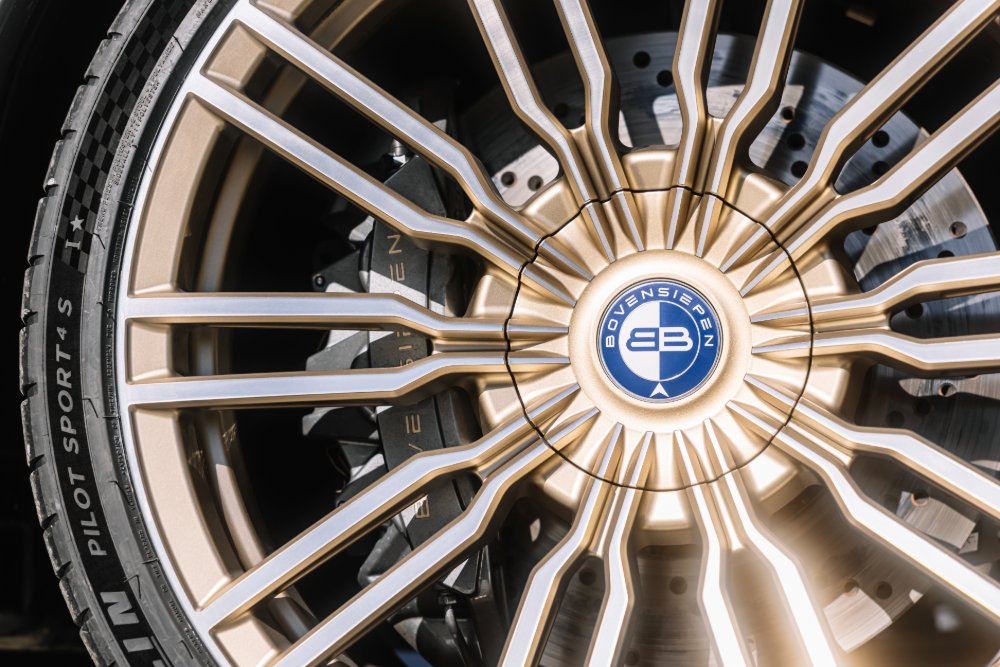
The makers have also gone to town on unsprung mass. The forged wheels, 20-inch up front and 21-inch at the rear, wrapped in Michelin Pilot Sport 4S rubber, feature intricate little pockets milled into the sides of the ten twin-spokes just to shed a few extra grams. Even the Skyscraper Grey brake calipers on the cars we drove were a work of art. They feature milled Bovensiepen lettering, which requires painting the entire caliper, painstakingly masking the milled letters and finishing them in Oro Tecnico gold to match the wheels.
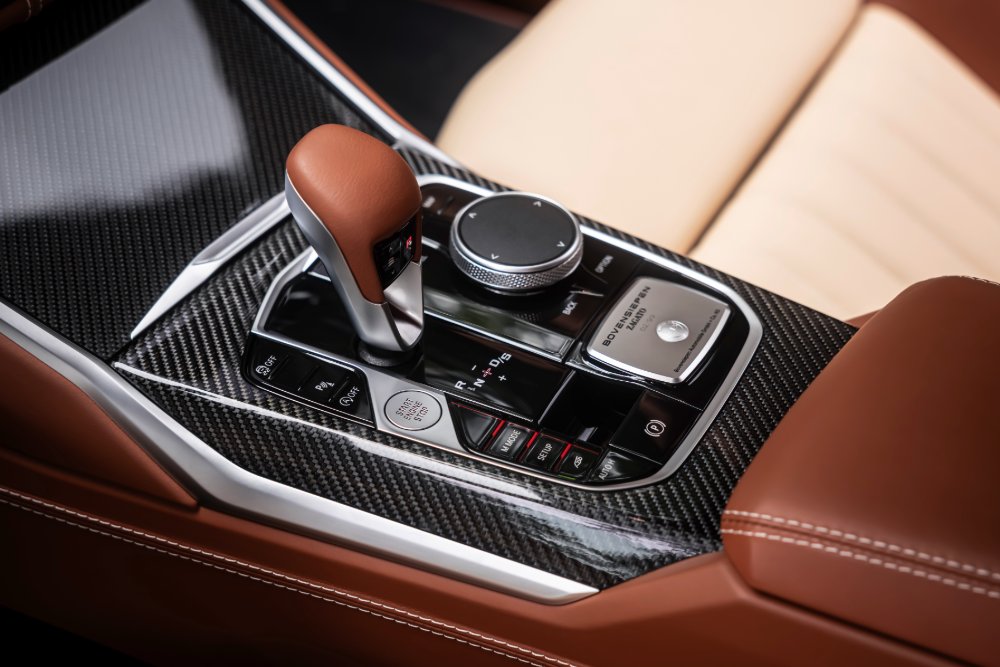
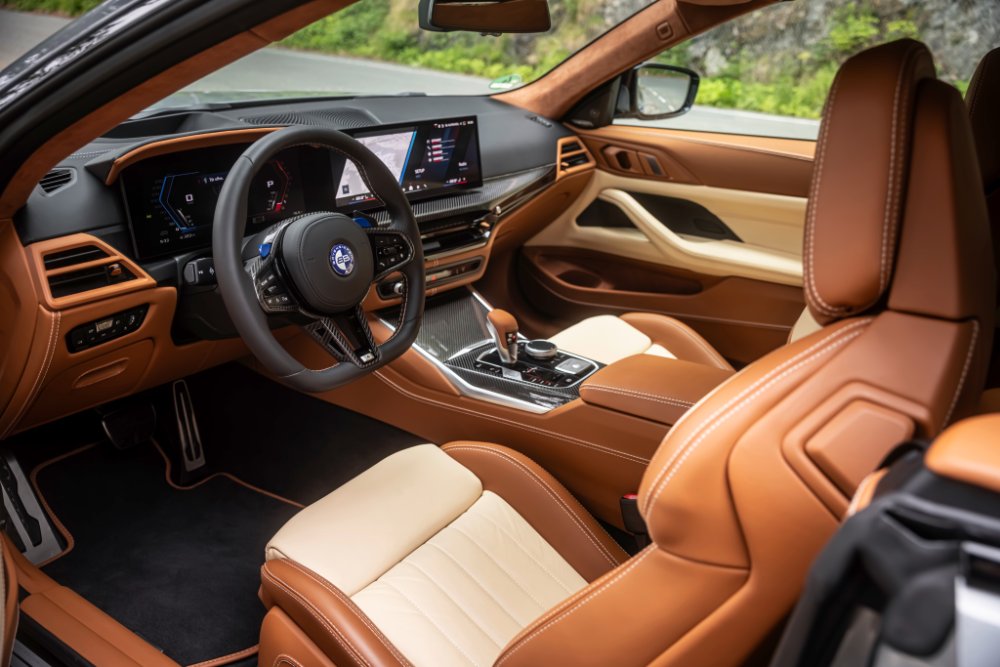
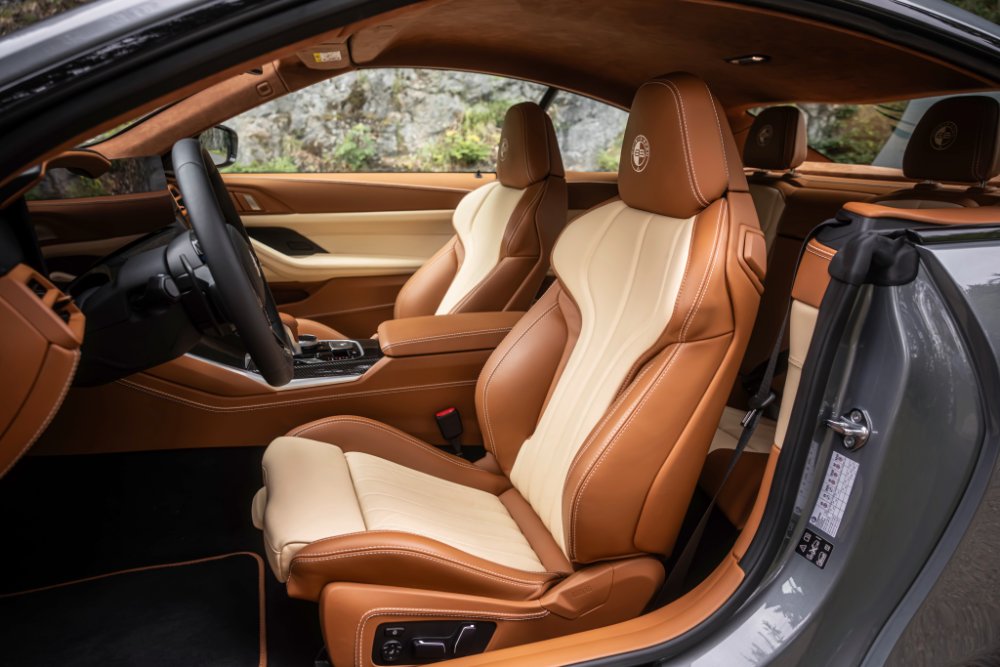
Inside, all the touch points are overseen by ten in-house saddlers. Bovensiepen’s proprietary Lavalina leather interior requires around 150 to 160 hours of manual labour, 390 individual leather pieces and 1.8km of yarn. In old Alpina money, this is essentially beyond Lavalina 2, a fully retrimmed cabin referred to at the presentation as something closer to Lavalina 3. If you want wool carpets covered in Alcantara, they will do it. The possibility of wood trim has already been raised – the burr walnut trim of Alpinas of old were a marque hallmark and although the carbonfibre trim pieces of the Zagato are beautifully crafted, it’s not really in the spirit of the car. Bovensiepen is also developing its own audio system to sit above the standard Harman Kardon set-up.
You really do feel special inside; of the three cars we tried, all at different stages of the pre-production process, the leather coloured touch points felt great to the touch. The level of haptic delight was similar to that of a Rolls-Royce, which is unsurprising because the British company uses the same leather. You also get the option to order a special, thinner Alpina wheel in either leather or Alcantara. As it turns out, this has a dramatic effect on the driving experience – more on that in a moment.
However, as lovely as all the leather and Alcantara is, the interior can’t quite get away from its BMW origins – the dashboard is very obviously a BMW one, from a car a third of the price. On one hand, it is entirely understandable that re-engineering and re-homologating a dashboard for a 99-unit model would be very difficult, if not impossible (just ask Morgan); on the other hand, at €300k-plus the Zagato is in the realm of cockpits such as Bentley’s Continental GT. However, if you can get past that then the interior is a wonderful place to interact with. The leather-trimmed vent controls are a lovely touch.
Limited to 99 units worldwide, with just nine planned for this year and a lead time of around six to 12 months, the Zagato commands €310,500 net, or €369,495 including German VAT, ex-Works Buchloe. As for how many have been spoken for? Bovensiepen would not give a figure, but said it was less than half the total run at the time of the presentation. Crucially, that is without US sales fully coming on stream, because the Zagato is still going through the process of American homologation.
On the day we had three Zagatos (or is that Zagatoes?) at our disposal, each at different stages of the pre-production process. One car sat on 12,000km-plus and had been thoroughly exercised around the Nordschleife by Andreas Bovensiepen. It had more wind noise than the others, but it was my and others’ favourite of the day – and it all comes back to the smaller steering wheel.
BMW has long been castigated for giving its performance cars a steering wheel rim fatter than a Subway baguette, leading to a significant lack of feel. In fact, when I drove an M4 CS last year its steering felt so remote it was if the road surface was being telephoned in via 3G. The Zagato’s smaller steering wheel, combined with the suspension changes, really do make the car a lot more feelsome; for comparison, one of the test cars was equipped with the standard fat wheel and the difference between the options was stark.
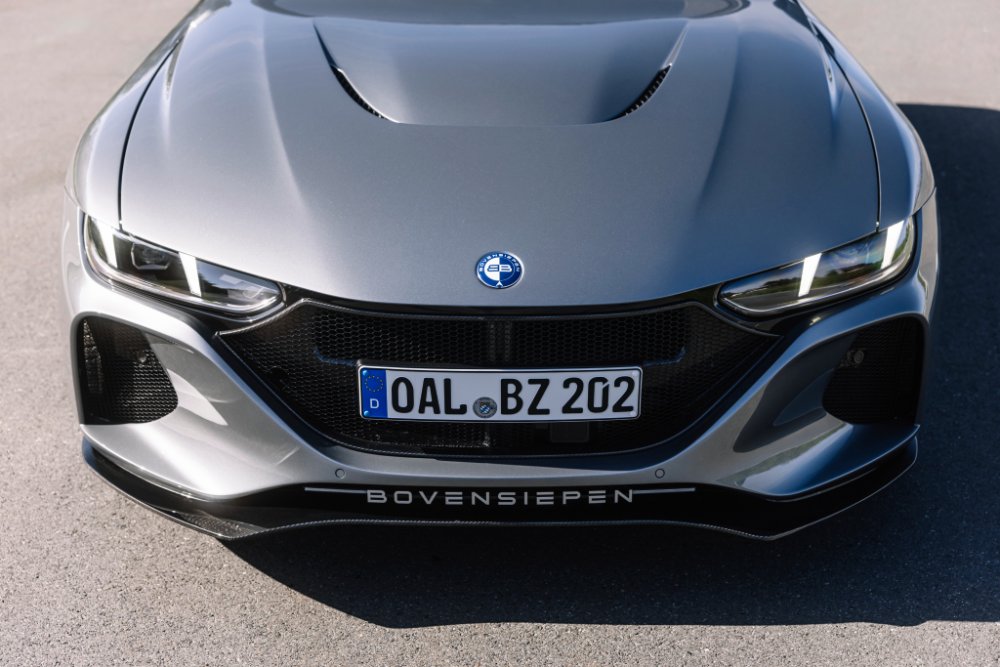
That’s not to say that Bovensiepen has gone all hardcore – this is very much an Old Alpina-style car. Despite the entire carbonfibre part of the body weighing just 50kg, the steering response and suspension behaviour is still very much grand touring than GT3-hunting incisiveness. The Zagato still changes direction sharply and accurately, but it’s not quite as aggressive as an M-car – which is where you’d expect it to be.
In many ways, it reminds me of the Alpina B6 3.5 S E30, which I drove for our sister magazine Octane last year. Much like the original E30 M3, the M4 can be an awkward car to drive fast (although for very different reasons). The Zagato’s softer, more compliant suspension set-up – aided by a more direct steering feel through the wheel – means that I felt far more confident in the Zagato more of the time, than in the M4 through all of the various modes available.
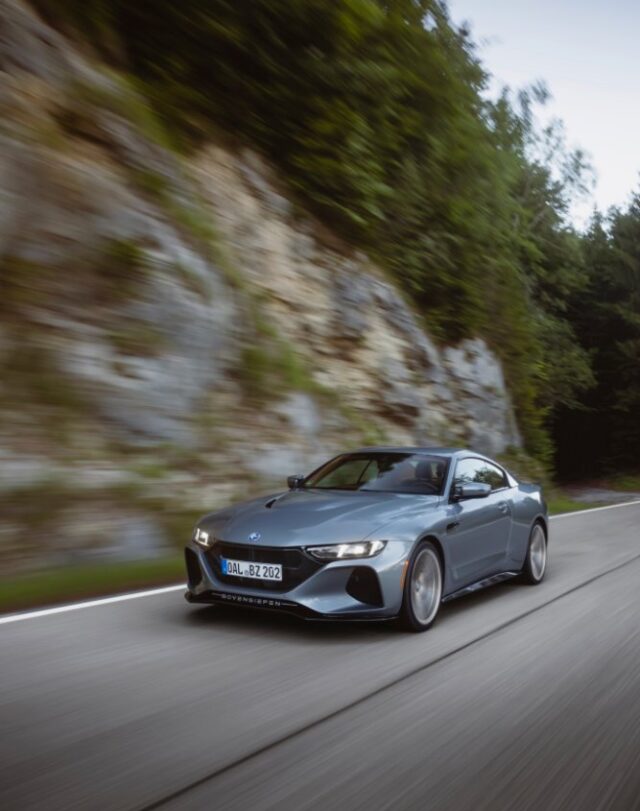
Performance? Well 600bhp was never going to feel slow; but what pleases more is that despite the turbos, the engine pulls in a truly linear fashion; I’m of the belief that if you do use forced induction, either make it truly linear or embrace the lag, don’t sit somewhere in the middle. The engine sounds good, too – gritty, aggressive, but smooth as well; and at idling speeds it doesn’t sound like something that would cause letters of complaint to the local council. Get it up to the engine’s highs and it sounds truly exotic, something other twin turbo six-pot-powered GTs could learn from.
As a driving experience, the Zagato sits as slightly more sporty than a Continental GT, helped by weighing significantly less than Crewe’s bruiser (we’ve yet to try a Supersports), yet not as eye-poppingly visceral as the Aston Martin Vanquish. It is not as sharp as a Ferrari Roma/Alfieri, but the twin-turbo six is actually far more tuneful than the Italian’s V8, and the interior is far bigger (there are proper rear seats) and, despite its BMW M4 origins, much nicer to interact with.
As such the Bovensiepen Zagato sits in a niche of its own. The inherited interior architecture could be seen by some as a letdown, but it’s pretty unlikely that the 99 eventual owners will be too concerned by that. Instead, it’s a car that is as singular as the beliefs of the company that built it – and in the best way possible.
The 05 GT
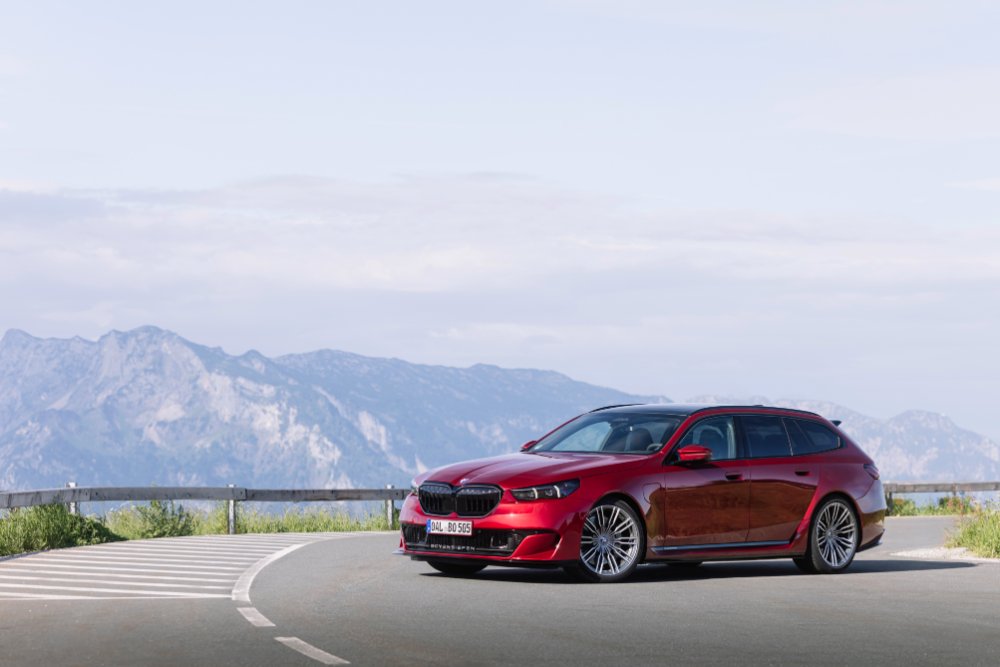
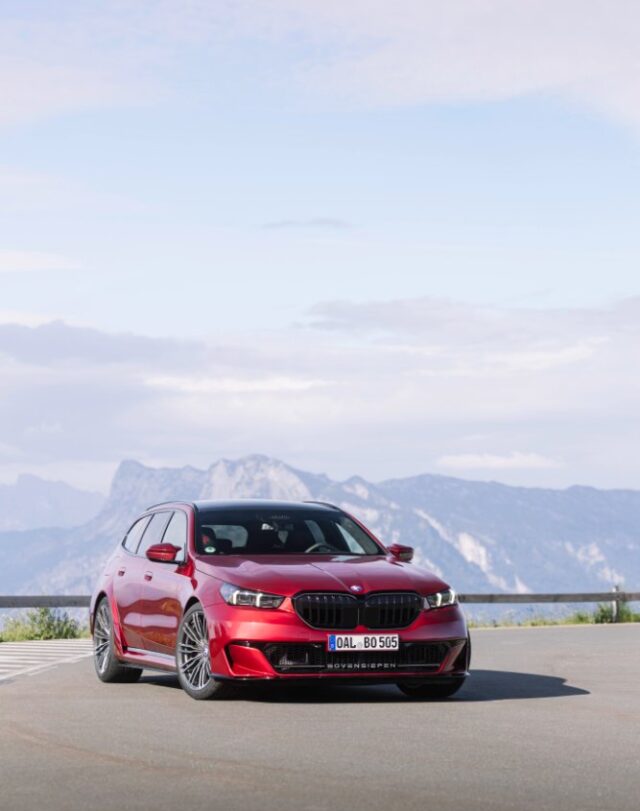
If the Zagato is the halo car meant for high days and holidays, the 05 GT is the wildly over-endowed family load-lugger. One that’s based on the already-potent BMW M5 Touring.
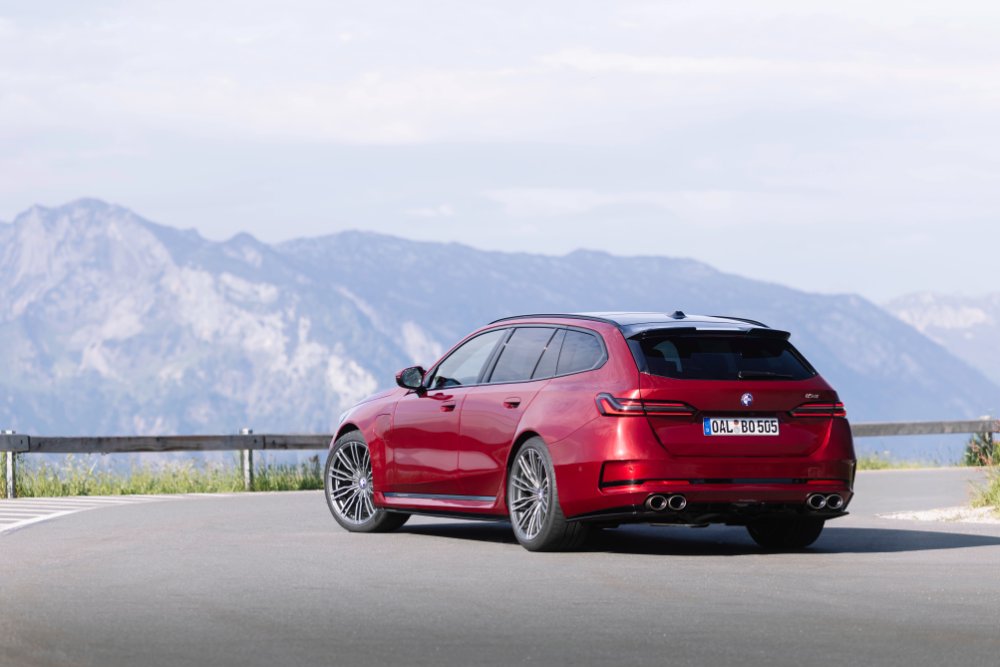
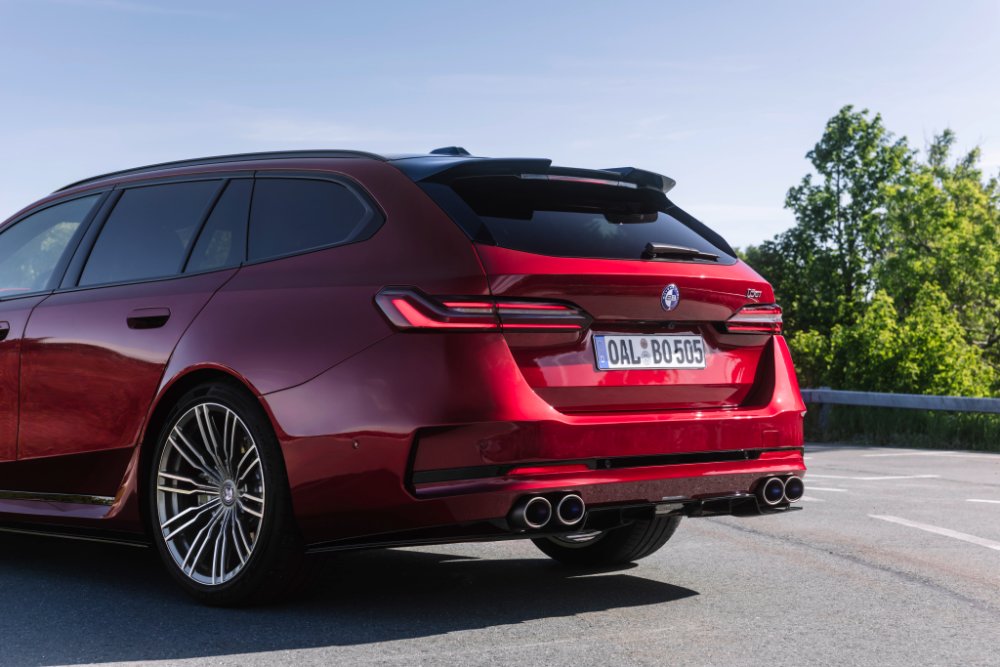
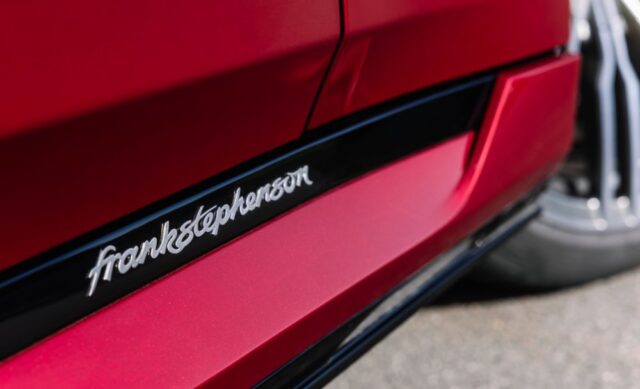
Penned with input from Frank Stephenson’s eponymous design studio, the 05 GT shares the Zagato’s familial belt design line, a black graphic that draws the eye across the estate’s formidable proportions. Stephenson famously dislikes black cars because they hide a designer’s line-work, so if you insist on a dark paint job, Bovensiepen can colour-match the beltline so you can actually see the styling. Form follows function here; the front air intakes and internal funnels have been redesigned to feed the engine with cooler, fresher air, while the bodywork changes include a cleaner lower graphic and a side treatment intended to reduce visual mass and tie the car together.
Aesthetics are obviously subjective but Frank’s team have done a great job of smoothing out the M5 Touring’s sharper edges to create something far more in keeping with Old Alpina’s heritage – it is a far more subtle design than the M5, and all the better for it.
While the aesthetics are sharply resolved, the real story is the chassis work deployed to cure the base G99 M5 Touring’s dynamic shortfalls. The standard M5 can feel busy, copying the road surface with the enthusiasm of a cheating maths student and transmitting too much vertical movement into the cabin, particularly for rear-seat passengers. Bovensiepen’s chassis engineers wanted the 05 GT to drive with more composure and less fidget, with a more cultivated grand touring feel.
To achieve this, they went on a proper parts-bin raid. Rather than developing every component from scratch, Bovensiepen tested existing BMW components and substituted softer G60/G61-derived front-axle support links in place of the more aggressive M5 parts. Coupled with Bovensiepen-specific top mounts, Eibach springs, auxiliary springs and a bespoke front strut brace, the chassis philosophy is less about Nürburgring aggression and more about fast, composed long-distance travel.
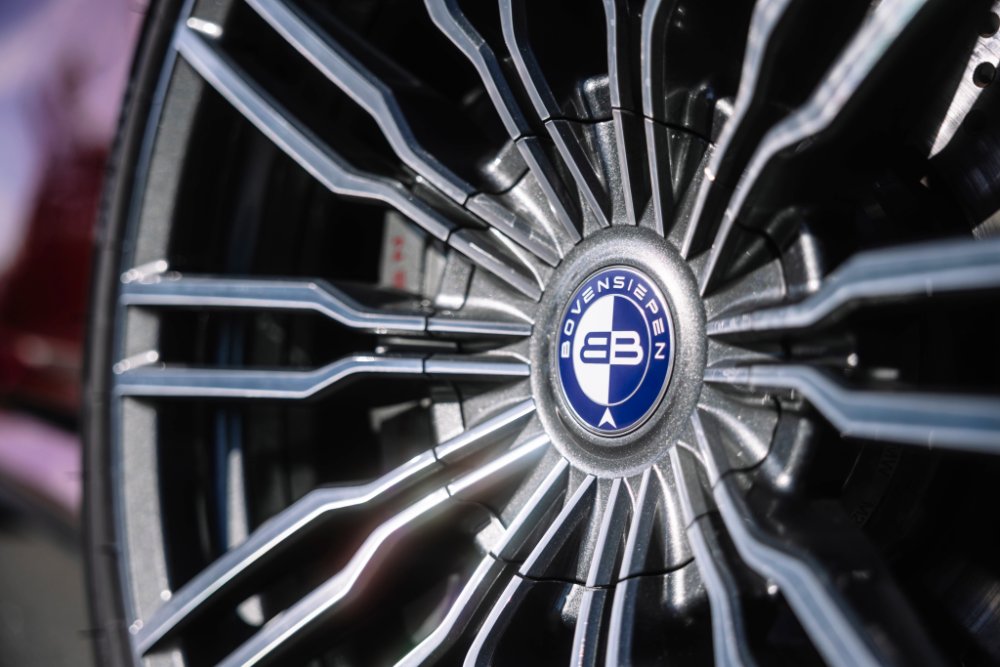
They have also retuned the suspension package with a clear focus on ride compliance. The regular M5 Touring’s staggered wheel philosophy has been replaced by bespoke 21-inch forged alloys all round, featuring 20 milled spokes to reduce unsprung mass. These are wrapped in custom Pirelli P Zero R rubber carrying a unique BOV stamp on the sidewall, developed with Pirelli to prioritise long-distance composure and comfort rather than outright track-day bite. The result is an 800PS estate car that actually gives a damn about the comfort of the people sitting in the back.
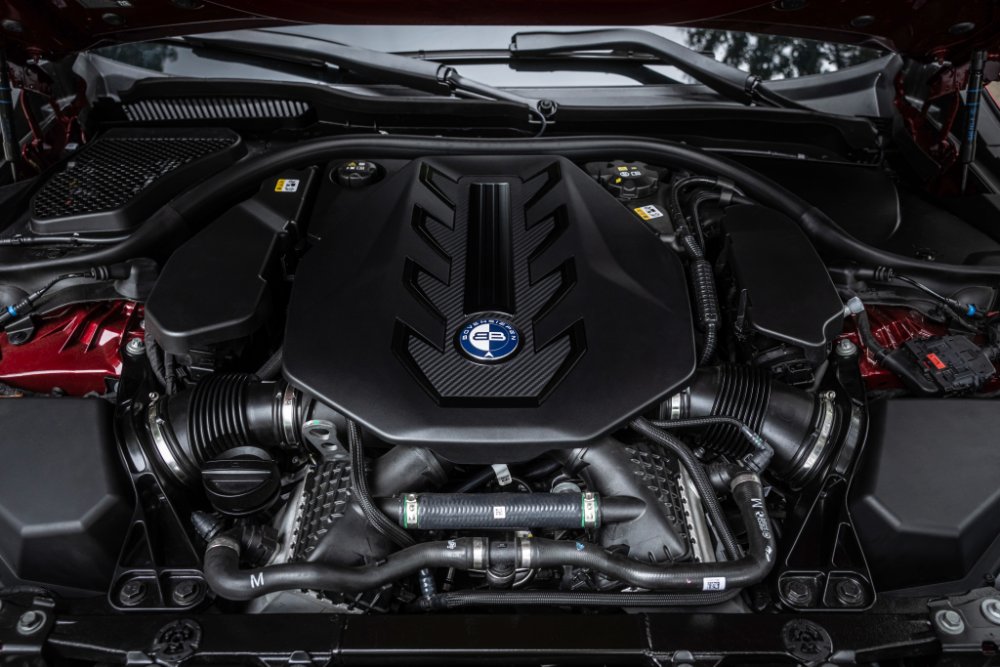
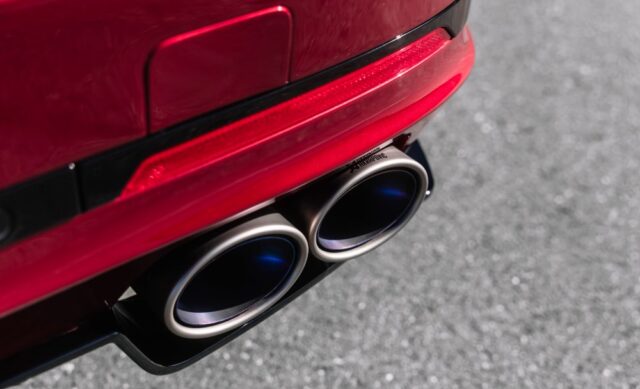
And yes, you read that right: 800PS, or 789bhp, and a frankly silly 811lb ft of torque. Power comes from BMW’s S68-family 4.4-litre twin-turbo V8 plug-in-hybrid drivetrain, with an electric motor integrated into the eight-speed M Steptronic transmission. Bovensiepen has revised the intake system, engine software and cooling airflow, and added a bespoke, back-pressure-reducing Akrapovič titanium exhaust. That exhaust saves 7.8kg over a conventional system and pushes the four oval outlets closer to the outer edges of the rear bumper. This bumps total system output up from the standard M5 Touring’s 727hp and 738lb ft. The electric portion of the drivetrain remains untouched.
Which brings us to the elephant in the room: the hybrid system. With the 05 GT carrying an EU kerbweight of 2555kg, an unhybridised, V8-only track edition seems like an obvious request. But as Bovensiepen frankly admitted, doing so is an engineering bridge too far. An electric-less prototype would technically run, but the dashboard would light up with warning faults. More pressingly, taking the hybrid hardware out would require major revalidation and homologation work. For a small-series car, the bureaucratic nightmare simply does not compute. The batteries stay.
Testing involved high-speed work at Papenburg and Nardò, plus a brutal development programme that included a 5000km return journey to Granada in Spain. Once there, Bovensiepen’s engineers repeatedly pounded up a mountain pass from 600 to 3000 metres in more than 40-degree heat, using thin air and high temperatures to stress the cooling systems and software protection maps. Bovensiepen says the 05 GT will dispatch the sprint to 60mph in under 3.6 seconds and run on to a top speed of 190mph.
Priced from €198,900 including 19 percent German VAT, it’s around €50k more than a standard M5 Touring and hefty price jump from the last Alpina B5 GT Touring. However, the 05 GT offers a wider scope of customisation than the Zagato; you can go full bespoke-specification like the Italian-tailored car; Bovensiepen calculates there are more than ten million possible interior combinations.
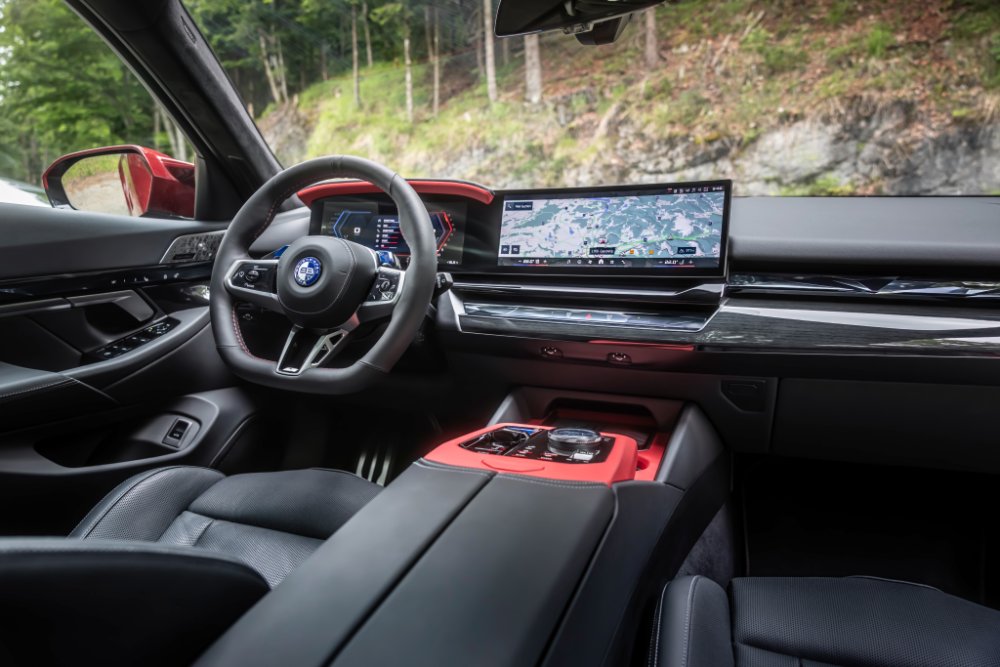
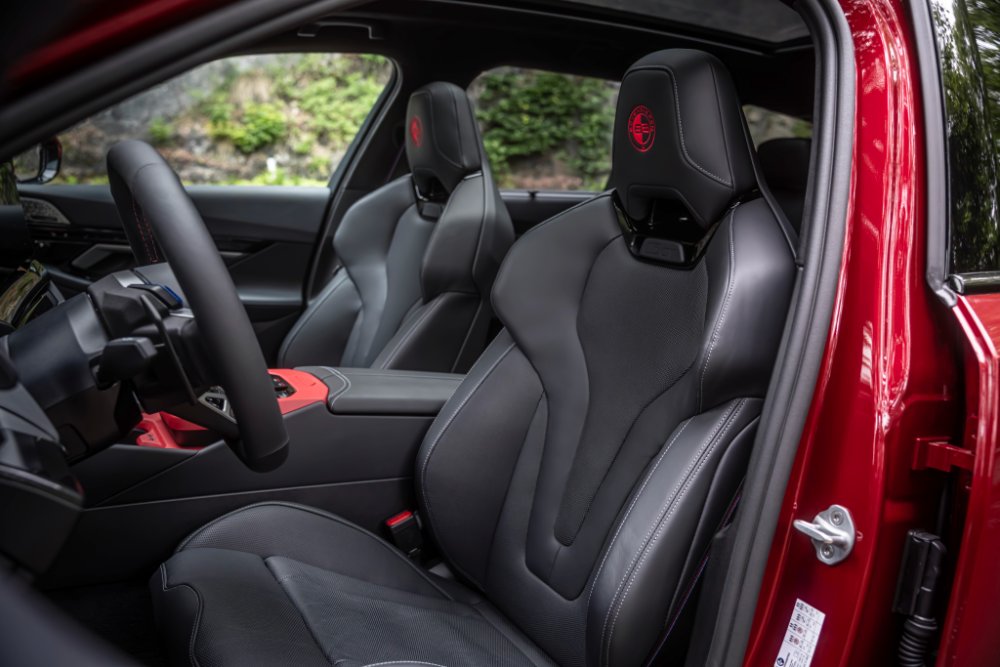
However, buyers can also spec an initial Lavalina package, broadly equivalent to Lavalina 1.5 in old Alpina terms, covering areas such as the seats, doors and centre console, or hold out for a fuller Lavalina interior including the dashboard, assuming current airbag deployment tests go smoothly. Crucially, it has banished some of the scratch-prone high-gloss black plastic contact points of the modern BMW era, wrapping the seat controls and key centre-console areas in leather as standard.
Because of the sheer heft of the GT, you will not find the milled brake calipers of the Zagato here. Bovensiepen says milling the caliper would compromise the structural strength of the part on a car this heavy. Buyers can still choose between metal or carbon-ceramic brake discs, with painted calipers and painted Bovensiepen lettering available.
Intriguingly, Bovensiepen is currently looking into US homologation by potentially shipping the 05 GT as a kit, but not in the backyard, build-it-yourself sense. If the plan goes ahead, the kit would be installed by selected BMW partners, neatly sidestepping at least some of the import and tax headaches associated with sending complete cars back and forth across the Atlantic.
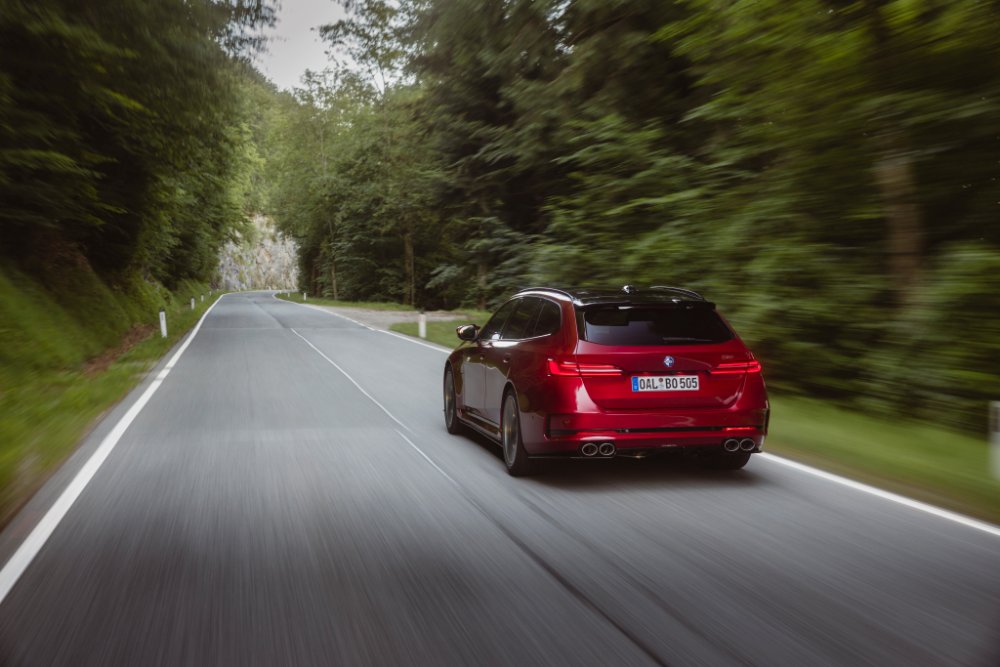
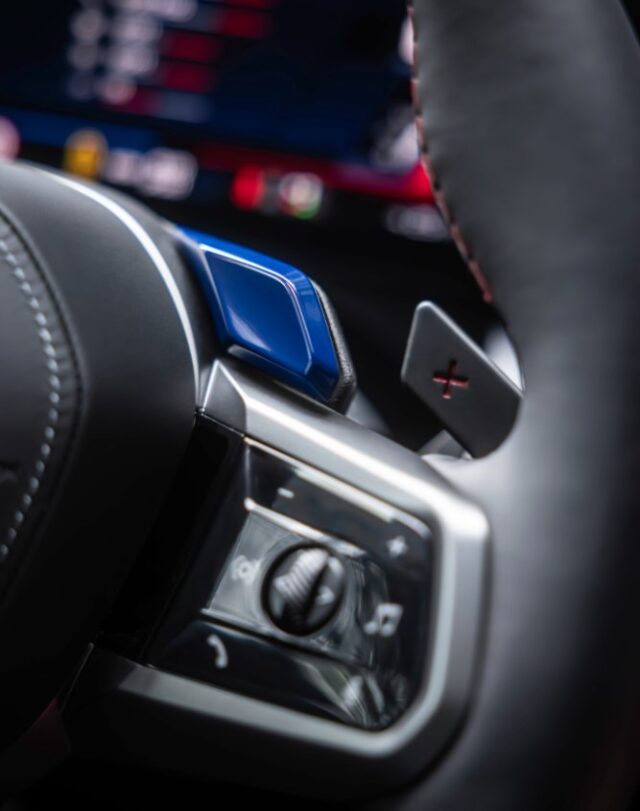
With just one 05 Touring to play with compared to the three Zagatos, our time in the car was limited to three laps of the Salzburgring. Far too short a time to get a meaningful take on the suspension tuning – even after giving it the full 1990s touring car driver treatment over the kerbs – which is, after all, entirely what this car is about. It did feel a lot more resolved from what we could tell, and a lot more pliable through the steering wheel, even if it was the familiar fat one seen on the M5. One can only imagine how much better it would be with the thinner Alpina wheel.
However, it is hard not to be blown away by just how sternum-punchingly swift this 2555kg of estate car can be. It has so much heave, you don’t so much drive but ingest the oncoming world with the restraint of a Labrador let loose on spilled barbecue. Despite a near 600kg weight penalty to the Bovensiepen Zagato instructor car, the 05 GT was able to keep up – and not just on the straight. Again, not as synapse-sizzlingly sharp as an M5, but that’s really not the point. It’s still far more adept than something this heavy has any right to, however. What’s more pertinent is perhaps the ultimate pub fact for this 800PS super-estate. Bovensiepen says a tow bar is possible, and expects a high uptake, perhaps 70 to 80 percent.
The Bovensiepen Zagato was always going to be an outlier for the Bovensiepen brand; the 05 GT is far closer to what the bulk of its output is going to be. They’re not going to be commonplace – Bovensiepen says that there’s scope for 100 cars per year, and for the time being they’re going to be Tourings only. After all, 75 percent of the widely lauded last-of-the-line Alpina B5 GT (which sold out very quickly, and often now sell for more than they cost new) were estate cars. However, there are plans for the range to grow, and with New Alpina focusing on higher-level models under direct BMW stewardship (read our take on that here) it seems that the Bovensiepen family still have their home turf well and truly covered.
For more information on Bovensiepen, head here.