

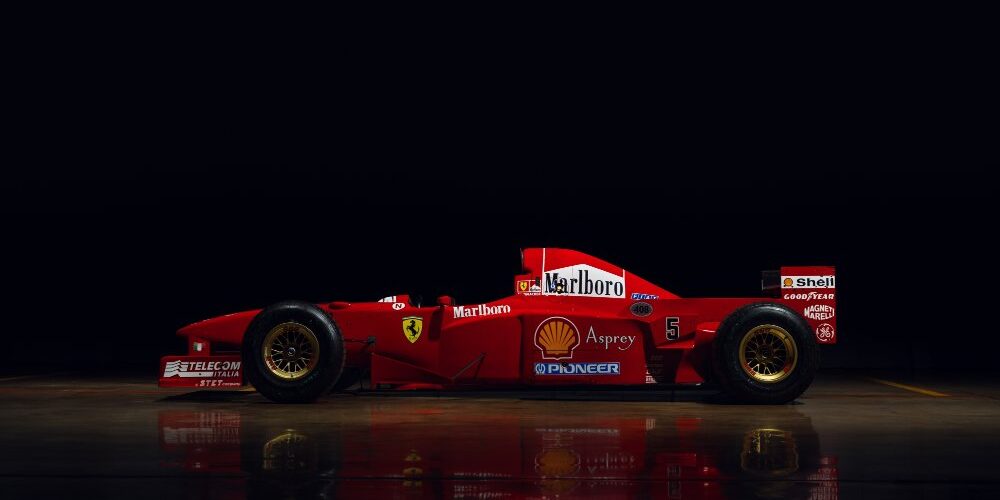
Have the wheels come off the modern F1 car auction market? Recent results suggest that demand may be softening, following a sharp surge in values through 2025.
One of the defining market trends of past year was the rapid ascent of modern Formula 1 cars at auction, driven by a series of headline-grabbing sales. At Monaco in May, Michael Schumacher’s 2001 Ferrari F2001 achieved $15.98 million, while later in the year McLaren and the same auction house sold a then-unrevealed 2026-season McLaren for $11.48m at Abu Dhabi. Ayrton Senna’s 1991 McLaren MP4/6 was also offered via sealed bid, carrying a publicly stated estimate of $12m–$15m – although the final price was not disclosed.
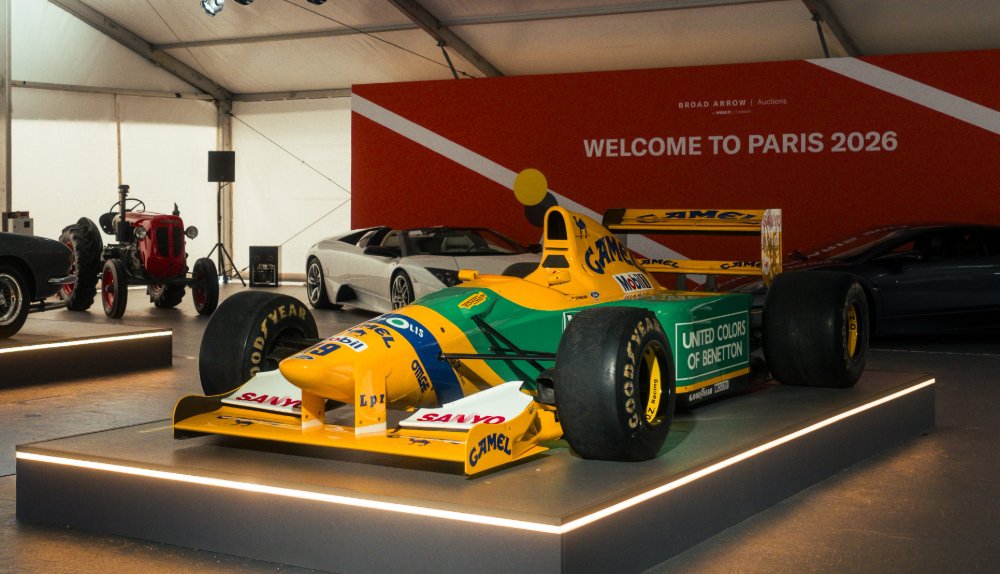
However, 2026 has begun with a whimper rather than a bang, with January’s auction results making for uncomfortable reading. Schumacher’s first race-winning car – the 1992 Benetton B192-05 in which he claimed victory at the Belgian Grand Prix – is historically significant for another reason, too: it was the last manual-transmission F1 car to win a Grand Prix. Recently offered by Broad Arrow with an estimate of €8.5m, the Benetton ultimately sold for €5.082m, falling well short of expectations and underlining a softening at the top end of the modern Formula 1 market.
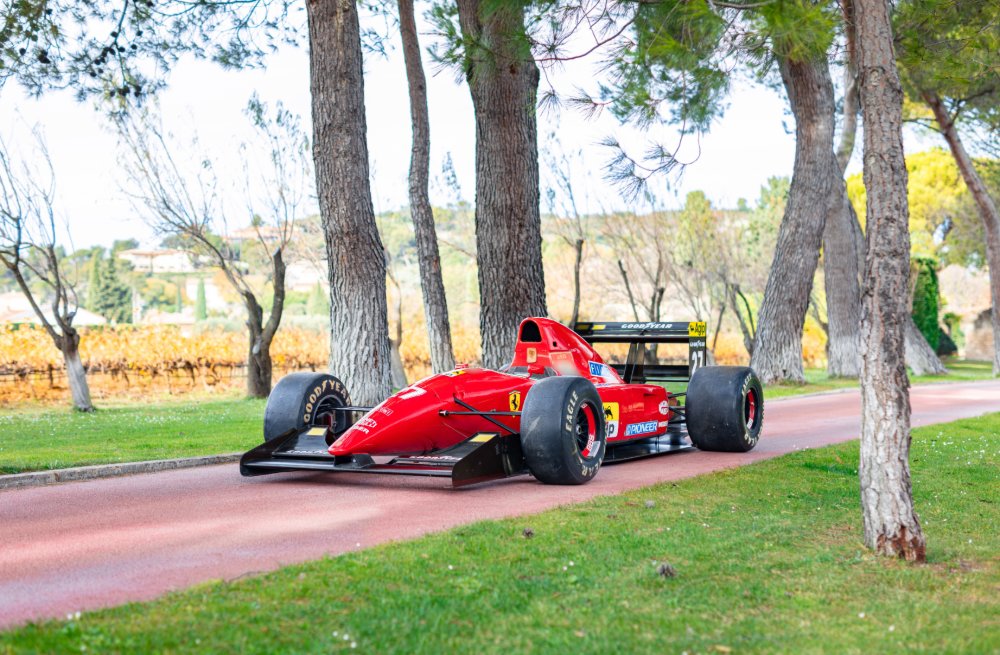
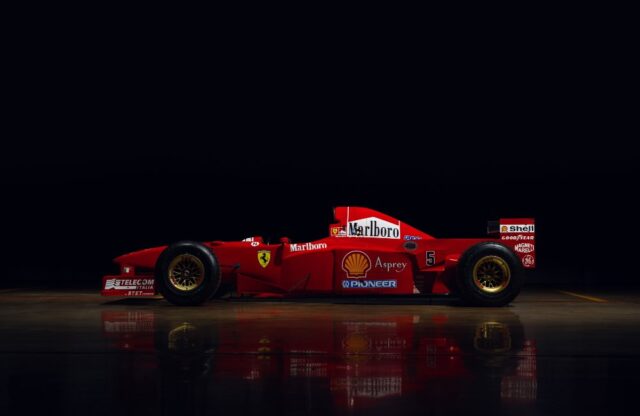
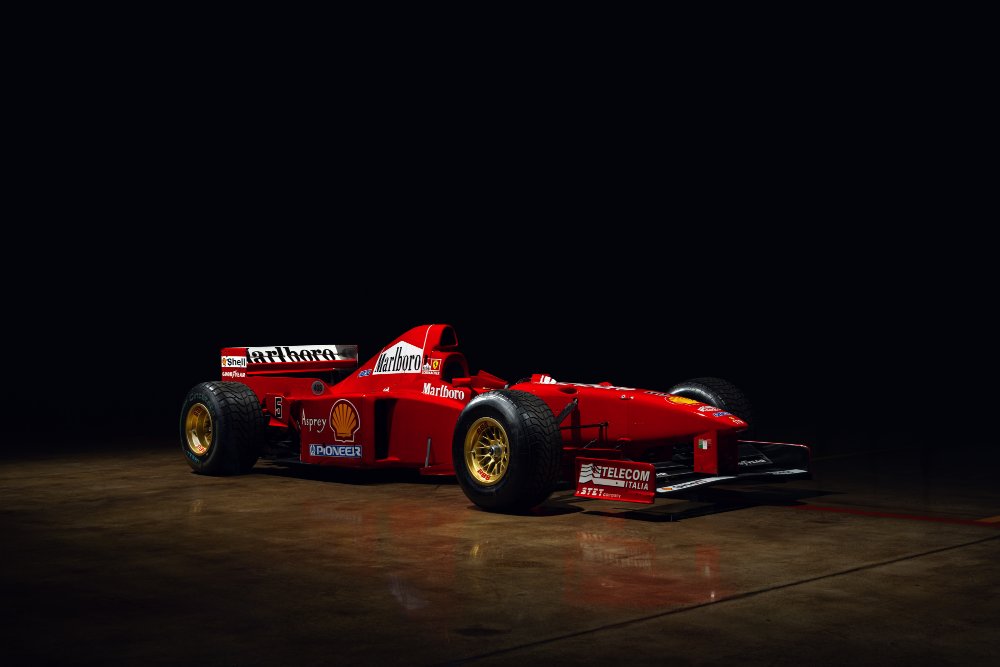
The same pattern was evident at the physical auctions during January’s Rétromobile Paris week. At Artcurial, Jean Alesi’s 1992 Ferrari F92A sold for €2,912,800, below its €3m-€5m estimate, while a 2002/2003 McLaren MP4/17D-02 failed to sell against a €1m-€1.5m guide, despite its racing provenance with Kimi Räikkönen and David Coulthard. Results were little better over at RM Sotheby’s. A 1997 Ferrari F310B (pictured below), raced by Michael Schumacher and Eddie Irvine, couldn’t find a buyer against an estimate of €5.5m–€7.5m; it is currently being offered privately at €5.5m.
Before examining the possible reasons behind the recent softening, it is worth appreciating just how far values have risen in a relatively short period. In 2017, an ex-Michael Schumacher 2001 Ferrari F2001 sold for $7.504m, while another Schumacher-driven car — the 2002 Ferrari F2002 — achieved $6,643,750 in 2019.
As recently as 2021, Lewis Hamilton’s McLaren MP4-25A changed hands for £4.836m, and in 2018 Ayrton Senna’s final Grand Prix-winning car — the Monaco-winning McLaren MP4/8A — sold for £3.6m.
The decisive inflection point came in 2023 with the car pictured below: Lewis Hamilton’s 2013 Mercedes-AMG Petronas F1 W04. It set a new benchmark for modern Formula 1 machinery at auction, achieving a world-record $18.815m.
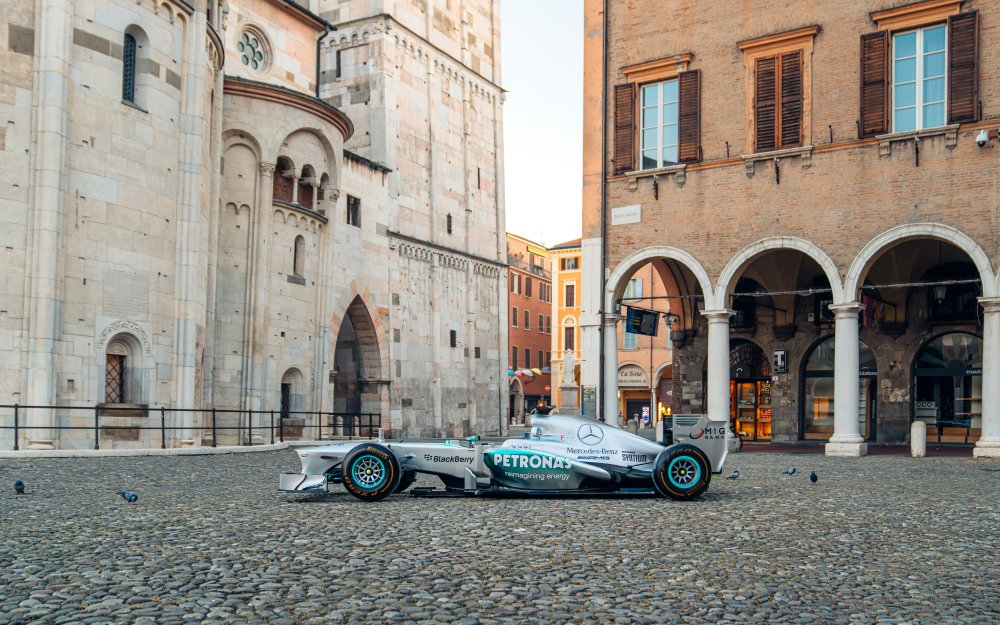
So what is driving the apparent loss of momentum? According to Xavier Micheron of the Ascott Collection, speculation – particularly around Ferraris – has played a significant role. “People buy them, but they don’t necessarily drive them,” he says. “And I think that’s the main issue for F1 cars from this period.”
At the heart of the problem, Micheron argues, is a fundamental lack of usability. “You have to consider that the cockpit of those cars – the carbon tub – is extremely small. Drivers in period were not tall, so not everybody can physically fit in the car, which is a real problem,” he explains. “The aluminium-chassis cars from the 1970s were quite large, even though the drivers were not very tall. Someone today can sit in those cars and drive them without too many problems. With cars from the 1990s, though, it was the beginning of carbon chassis, and they were built around the body of the driver. They are very narrow and very small – there is no space in the cockpit at all.”
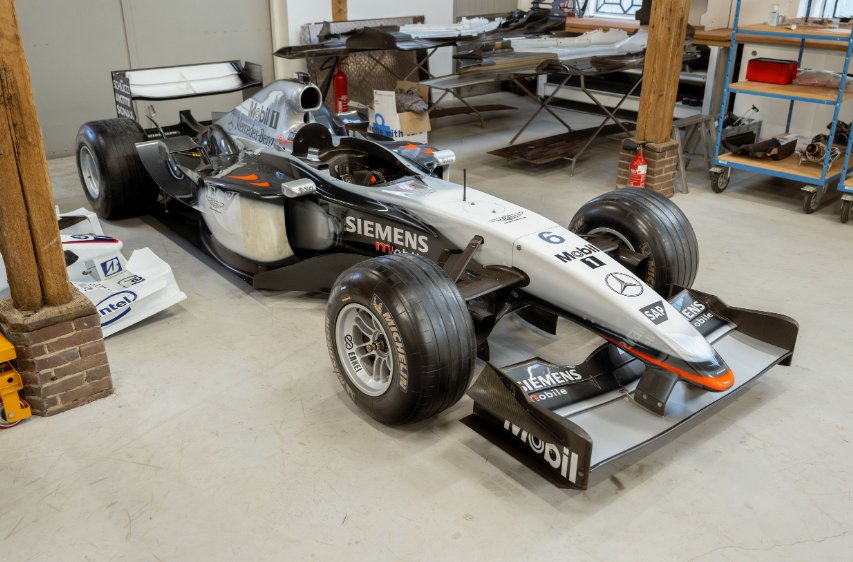
Even if an owner can physically fit into the carbon tub, driving a modern F1 car is far from straightforward. “You need the tyres at the correct temperature – if they’re too cold, it’s like driving on ice, which is extremely dangerous,” says Xavier. “The same applies to the brakes. These cars use carbon brakes, and if you’re not driving at the right pace, you have no grip from the slick tyres and no braking performance because the brakes are too cold.”
This, he explains, is what fundamentally separates modern-era machinery from its predecessors. “They are completely different compared to F1 cars from the 1970s. With those, you can drive gently and gradually build temperature in the tyres, and steel brakes are not an issue. But with these later cars, they are extremely demanding – you must be in the right operating window to have grip and braking.”
Introduce turbocharging into the equation, and the challenge increases further. “Senna had a very special way of driving to keep the turbo working properly. Not everybody can do that, because it’s very much an on-off car: nothing, and then suddenly a lot of power. For the driver, it’s extremely demanding,” Xavier adds.
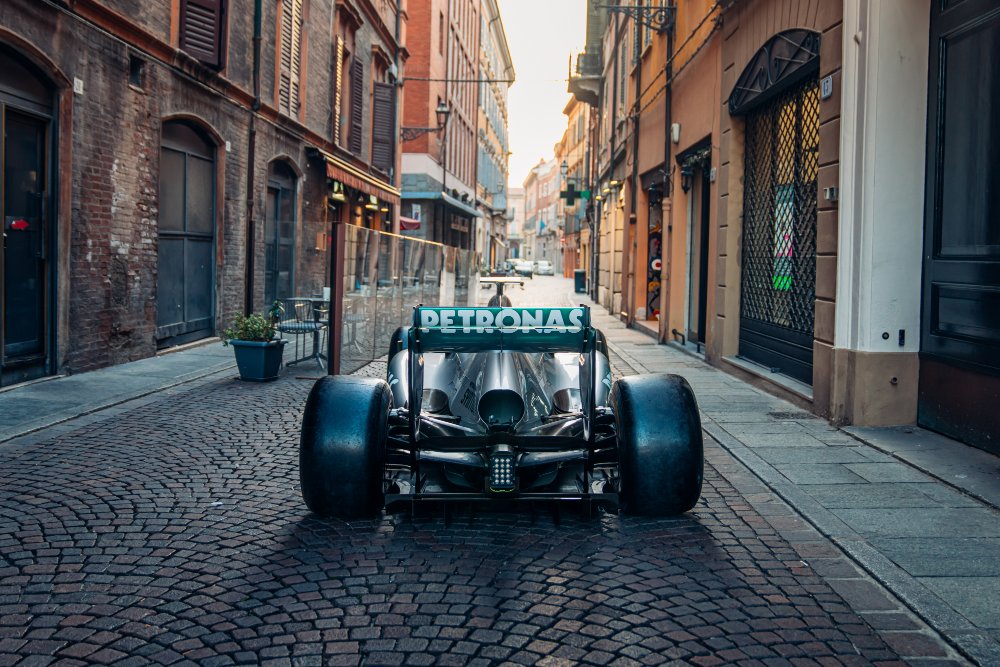
As a result, that makes the market for owner-drivers almost as slim as the original pilots themselves. However, even if you’re happy to let your new pride and joy be driven by a bona fide racing driver rather than yourself, the problems don’t stop there.
“The main issue is that most of the software can no longer be used, because you can’t use the PCs the cars were designed for. So you have two options: either you find a very old PC so you can still run the original software, or you change the software completely. That means changing the ECU – which isn’t a big issue in itself, because you can fit something like a MoTeC,” he says. “But we have to remember that these were Formula 1 cars. At the time, teams had many mechanics and engineers running them, so they are not easy to operate – and the engines are very difficult to manage, especially with turbo cars.”
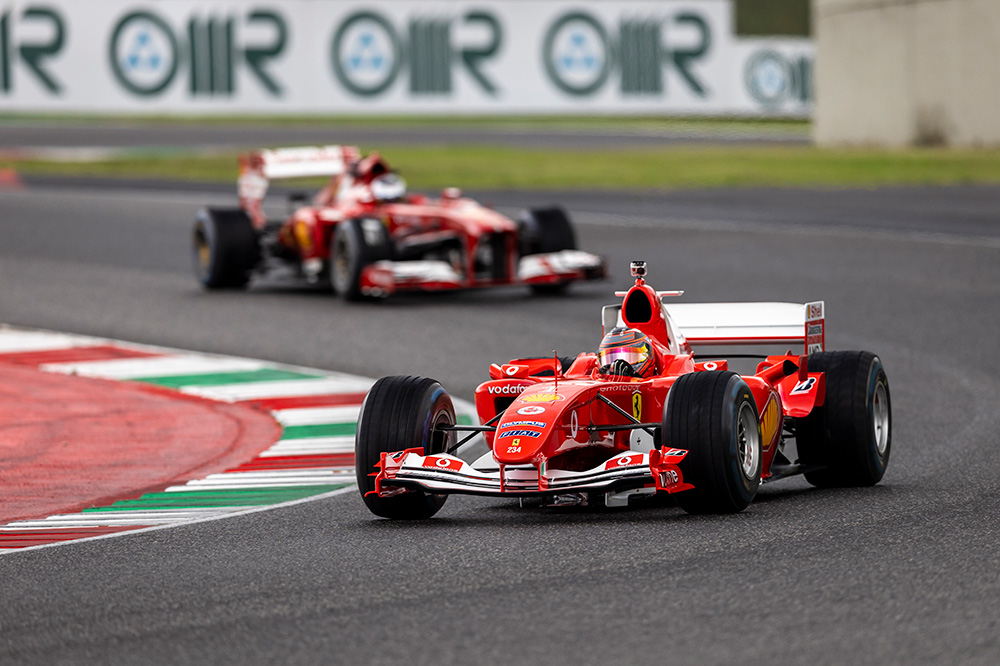
Just finding somewhere to unleash a modern F1 car can be trying, as well. While Ferrari has specific track days and an army of ex-F1 mechanics on hand at its Corse Clienti days (you can read more about those in our behind-the-scenes report here), that’s not necessarily the case for F1 cars from other teams. This brings further logistical issues in tracking down or training mechanics, then convincing already-under-pressure racetracks to allow you to scream around at 10,000rpm-plus, what with noise limits and their own staffing requirements.
As a result, Xavier views Ferrari F1 cars as their own market. “They’re very special, especially for the older cars. Prices today are very high compared to ten years ago,” he says – but he has a warning. “The big rise has already happened, and now people expect even higher prices – but the market isn’t necessarily there at those levels.”
Thanks to Xavier of the Ascott Collection.