


In a world increasingly defined by restomods and automotive reinterpretation, manual transmission conversions have, until recently, remained relatively under the radar. For years, they were largely the preserve of committed enthusiasts or dedicated specialists working at the fringes of the market.
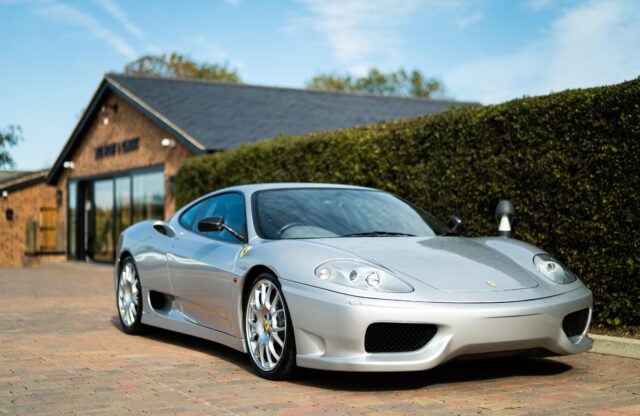
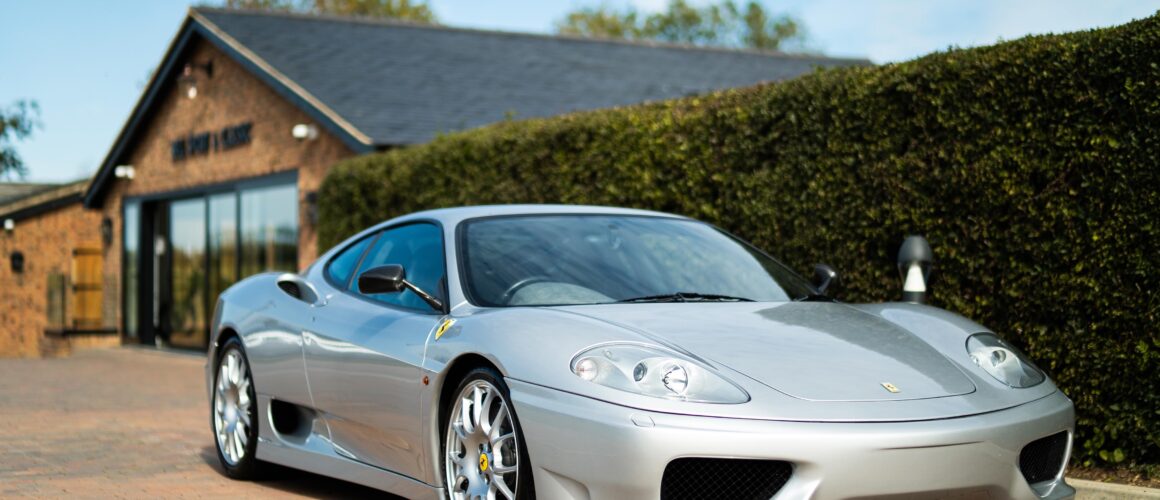
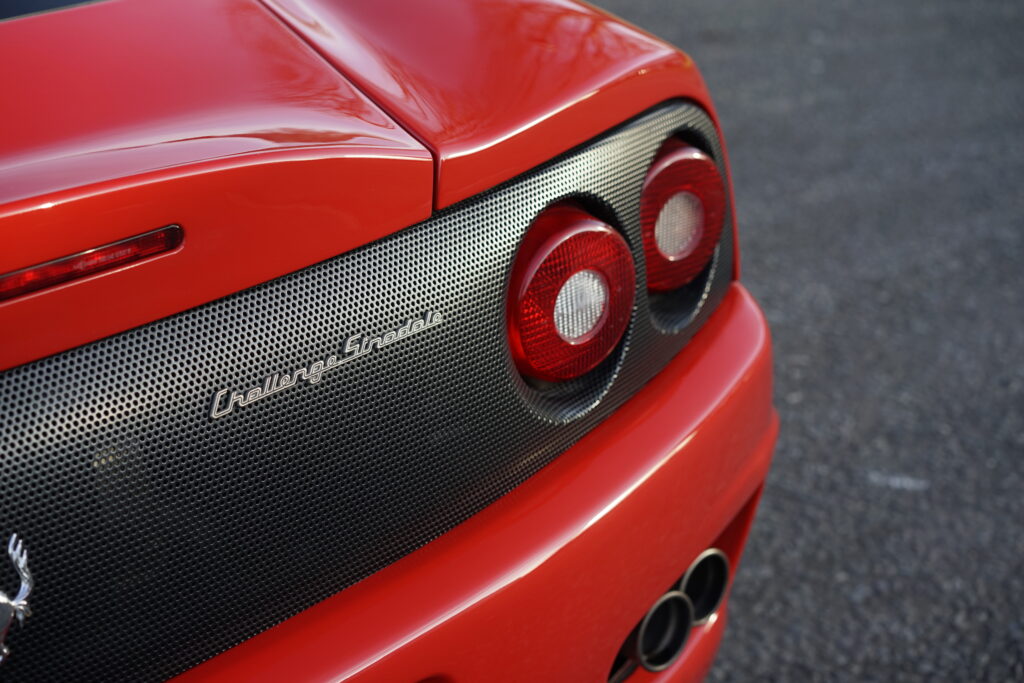
That is beginning to change. A growing number of high-end specialists now offer manual gearbox conversions for cars that were never available with three pedals – models such as the Ferrari 360 Challenge Stradale, BMW M3 CSL and even the Alfa Romeo 8C Competizione. More striking still, dual-clutch-equipped cars – including the Ferrari 458 Speciale – are also being re-engineered with manual transmissions.
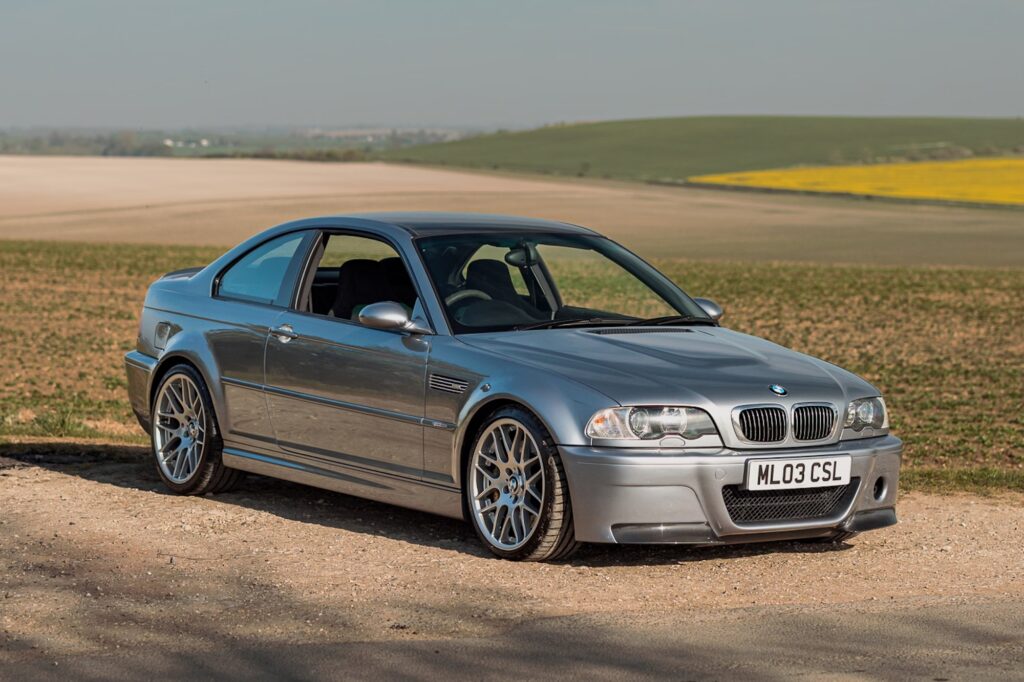
At their core, many of these systems are not as alien as they might first appear. The single-clutch automated manuals found in cars such as the M3 CSL and 360 Challenge Stradale are, in essence, conventional manual gearboxes operated by hydraulic actuators. The shift in perspective, then, is as much philosophical as it is mechanical.
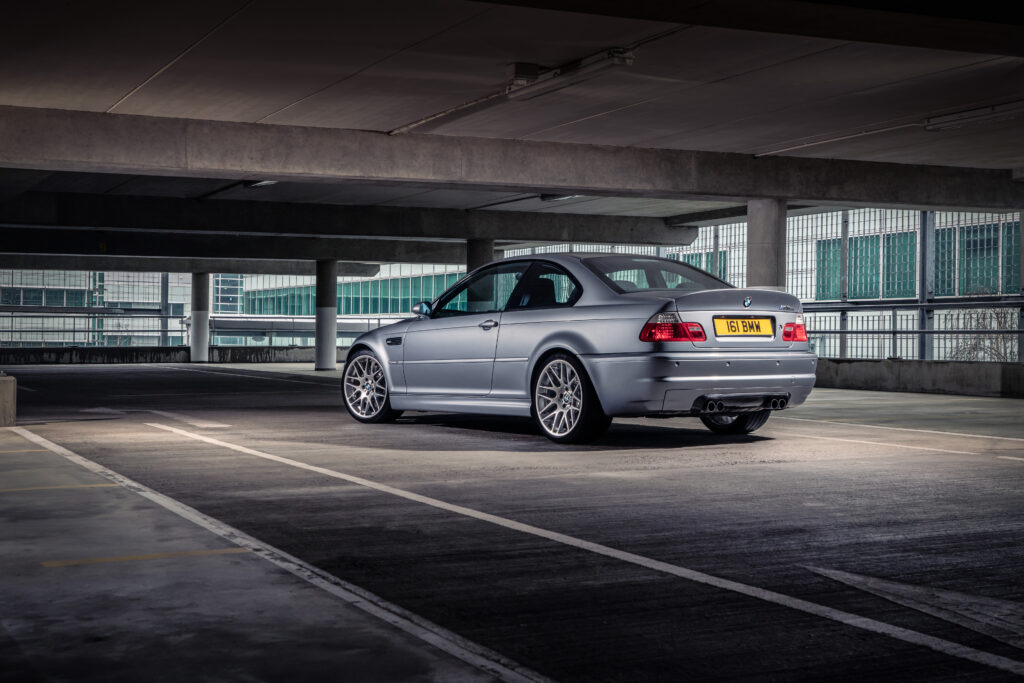
The enduring appeal of the manual gearbox remains deeply embedded in enthusiast culture. The market has long rewarded three-pedal cars, as demonstrated by the price differential between manual and Tiptronic versions of the Porsche 993 Carrera S as just one example. However, in those cases, the choice was always available at point of purchase. For cars such as the M3 CSL or 360 Challenge Stradale – both now firmly in six-figure territory – that choice never existed. The question today is more complex: do you preserve the car as built, or reshape it to suit your own preferences?
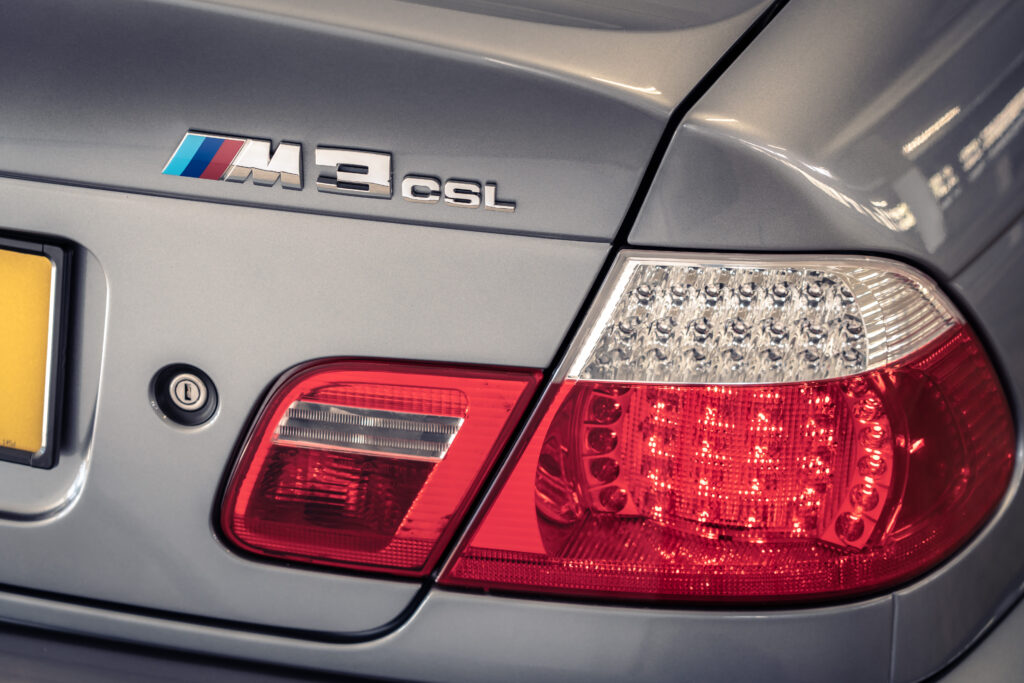
“I do see a large number of petrolheads who really think this is a good idea, and really believe it improves the M3 CSL,” says Dan Norris of BMW M specialist Munich Legends. “However, I don’t really meet owners of cars like M3 CSLs, or people who’ve owned SMG E46 M3s for any length of time, who say: ‘I’ve had it for two years and I’d prefer it to be a manual, so I’m going to convert it.’”
From Norris’ perspective, much of the demand is driven by perception rather than experience. “I don’t think it’s as difficult to own as people think, and I don’t think it’s as bad a gearbox as people say,” he explains. “If you’ve decided to convert your car from SMG to manual, go ahead and do it. It doesn’t matter what anybody else thinks. It would be nice if people did that sort of thing without worrying about the value of the car – just going back to the old-school way of enjoying cars. This whole thing about ‘what will it be worth in ten years?’ is getting in the way of us doing things we actually enjoy – like converting a car to manual just for the sake of it.”
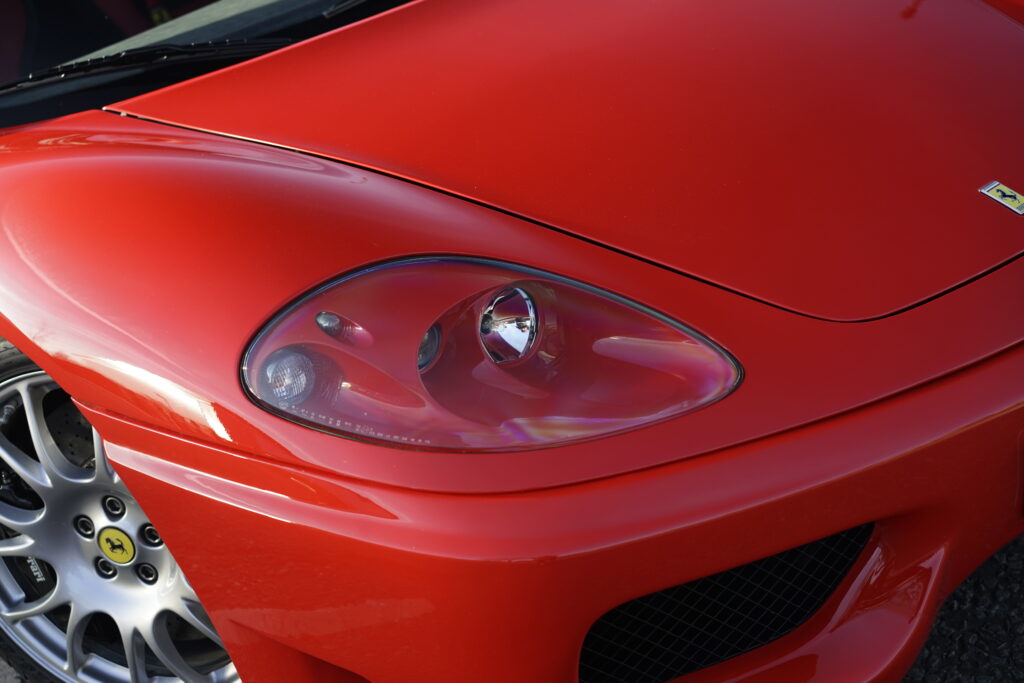
That tension between enjoyment and investment runs throughout the market. BMW’s modification culture has long been accepted – even encouraged – but for Ferrari, the landscape is markedly different. Even relatively minor changes can draw scrutiny from Maranello.
“Modified Ferraris have never been looked upon that favourably, no matter what the work, whether it’s exhausts or wheels,” says Tim Kearns of Ferrari specialist Bell Sport & Classic. “It’s just not as accepted as with other manufacturers, such as Porsche.”
Kearns is sceptical that the current trend will endure. “I think these conversions will just fall away – a 458 Speciale as a manual is not a better car because of a conversion; most definitely it will be worse. I would suggest the same for a 360 Challenge Stradale, but the variance will be smaller than the Speciale.”
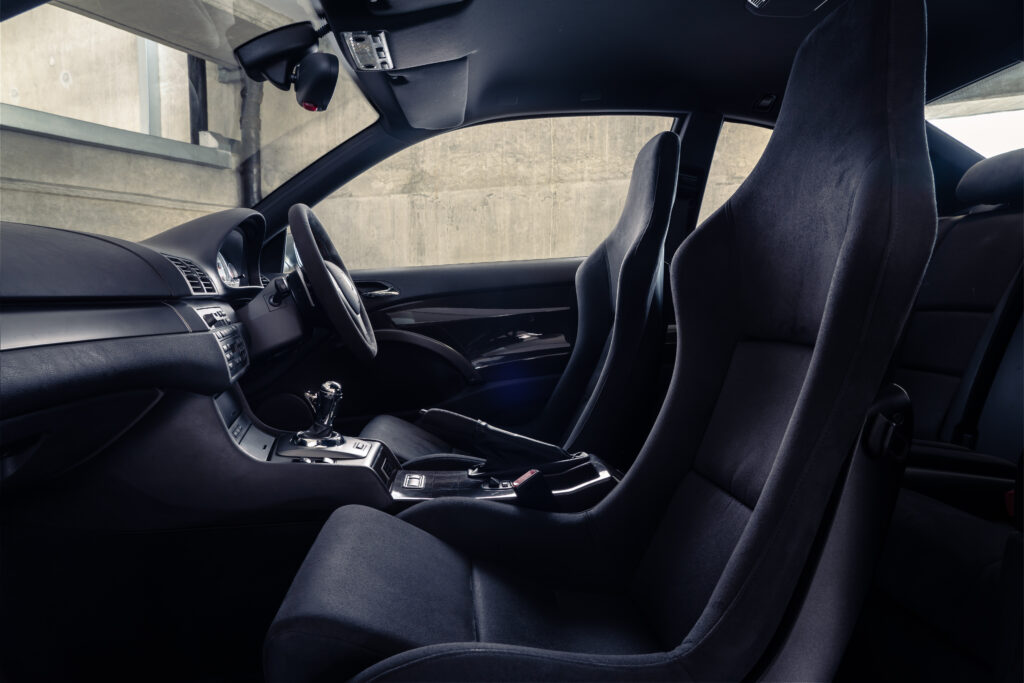
Value, inevitably, sits at the centre of the debate. Norris expects converted M3 CSLs to trail standard cars in the long term. “Modifications are an interesting thing. There’s a kind of hypocrisy. People are happy to modify their own cars, but are wary of buying something someone else has altered,” he says. “A collector-grade car that’s had a non-standard gearbox fitted will be viewed differently. If you’re spending £250,000 in five or six years’ time, you’ll probably want something faithful to factory specification. A conversion will affect the value at that level.”
For Ferrari, the position is even more clearly defined. “For Ferraris, the value will be tarnished – it has always been about originality with these cars, and especially so as Classiche certification becomes more relevant to these models. You will not be able to put a converted car through Classiche, so the value is considerably affected,” says Kearns.
Attitudes diverge further when it comes to presentation. Norris sees little issue with a converted CSL appearing on the concours field. “It depends on the concours, but personally I wouldn’t mark it down. It’s a period modification, and it’s accepted. I have customers who would choose a manual-converted CSL over an SMG car, and that’s fine,” he says. “But attitudes change over time; as values increase, people start to care more about originality.”
Kearns takes a stricter view. “Concours in their purist sense should exclude these modified cars, but more and more ‘concours’ events are not about this any more; they are pay-to-play events where owners just like to show their cars, so for these events it should not be an issue.”
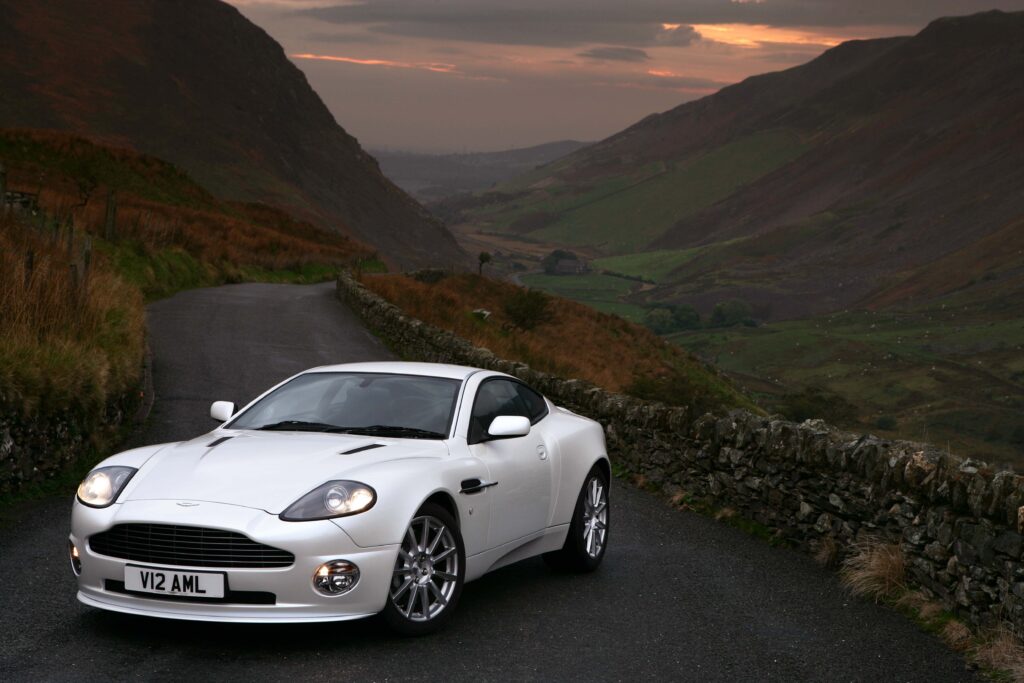
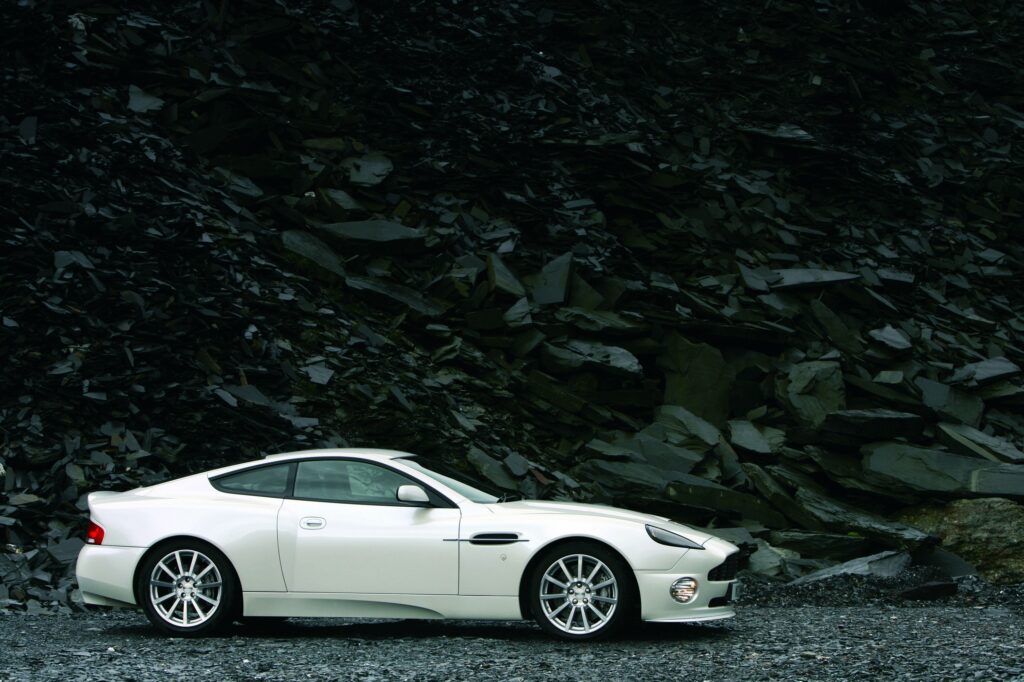
Yet there is at least one notable exception to the rule. The first-generation Aston Martin Vanquish has seen manual conversions not only accepted, but actively encouraged, with some evidence of value retention.
“There is no fixed price difference between a manually converted and standard car, because the biggest difference is down to mileage, condition and service history. However, I would say the premium between standard and converted is circa 15 percent in favour of the gearlever,” says Nicholas Mee, of Nicholas Mee & Co.
“What is perhaps more important is the desirability of a gearlever, which to some is greater and to others less desirable. There are a lot of people who believe the automated manual gearbox defines the Vanquish model. Alterations are therefore, to a degree, undesirable.”
Mee’s own experience reflects the duality of the concept. “There is no doubting the action of changing gear is more intuitive than paddling,” he says. “The downside of manual is having to use a clutch which, in real-world traffic, is occasionally a bore – it’s a big engine, gearbox and clutch, and therefore not a particularly light clutch. The upside to manual is when driving hard on B-roads or exiting roundabouts etc, when it is more fun, feeling you are able to moderate the clutch take-up and bite, and therefore are able to induce a more playful attitude of the car on the road, such as squirrelling it away when exiting bends, roundabouts and so on.
“The manual-converted car is therefore more playful, although the whole playful effect is limited by the car being essentially a GT car and not a sports car. I do not think a gearlever robs it of its original character, but it does alter the balance between being a GT and sports car.”
He notes practical advantages, too: “Some owners will also prefer the lack of electronics and automated systems. This can be appealing, because there is potentially less to go wrong over time and less need of specialist services who have the relevant Aston Martin diagnostic equipment to repair and ‘set up’ the gearchanges.”
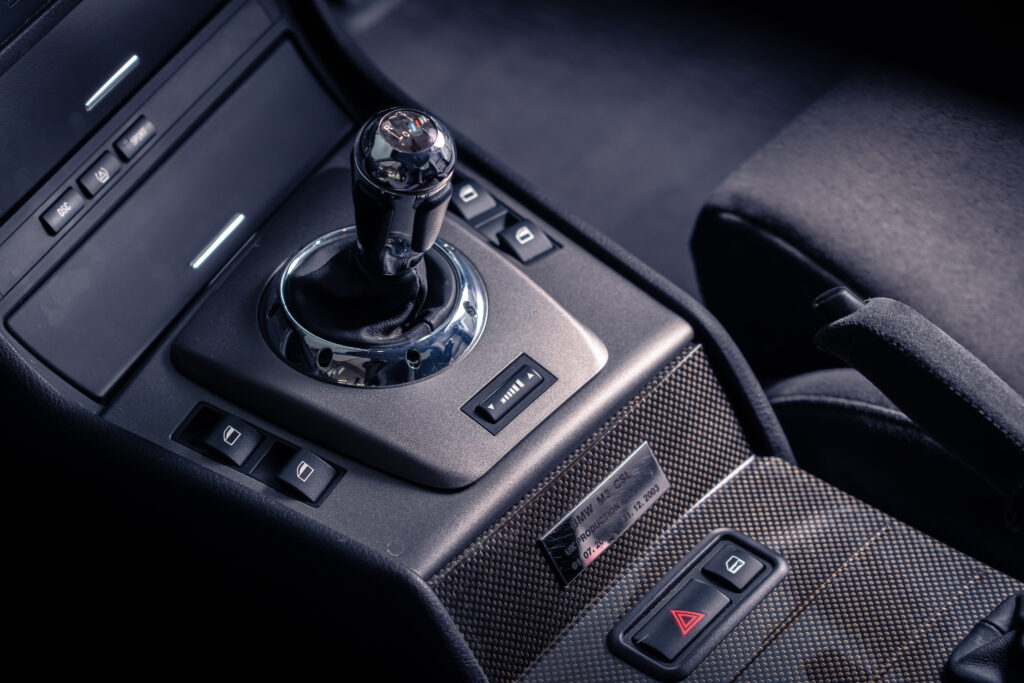
Despite the prevailing narrative, both Norris and Kearns argue that automated manuals are often misunderstood. “In 20 years’ time, I think we’ll look back and see it as a wonderfully quirky feature of the M3 CSL. That gearbox is part of what makes the car what it is. By removing it, you’re taking away some of its spirit,” Norris says.
“You are still involved in what gear you’re in with an SMG. It’s not like a dual-clutch transmission. If you put a blindfold on me in my V8 M3 with DCT, I probably wouldn’t know what gear I was in; it’s essentially an automatic. With SMG, you are changing gear, and it’s a physical contribution, because you’ve got to feather the throttle. You have to work with the car. You can’t be on the throttle while the system is effectively pressing the clutch, selecting the gear and re-engaging it. You have to listen to the car and feel when it’s making the change, and then get back on the power at exactly the right moment. If you get that timing right, it’s very rewarding; just as rewarding as a manual, in a different way.”
There are also persistent misconceptions about how these systems operate. “People say that if you’re in traffic at 50mph and want to overtake, you have to go down through each gear one by one – bang, bang, bang. That’s not true,” Norris adds. “You can put it into Drive, go full throttle, and it will select the lowest appropriate gear immediately. Then you can go back to using the paddles to shift up. It’s essentially a manual gearbox, just with automated actuation.”
Tim also sees the value of an F1-style paddleshift. “On the move these cars are fine; you may argue a manual conversion is more troublesome than an early F1,” he says.
Ultimately, perception remains a powerful force. “A lot of this is driven by a certain type of enthusiast; there’s a kind of inverted snobbery that says it has to be manual,” Norris concludes. “Personally, I don’t see it that way. I quite like SMG. BMW manuals can have long throws and high bite points. But you’re not going to change people’s minds – it’s like pushing a piano uphill. People have been told for years that these gearboxes are bad. But if you live with one properly, you learn how to use it. It’s about timing, about understanding how the system works and working with it rather than against it.”
For those still undecided, there is at least one practical safeguard. “It’s all nuanced. Some people love manual gearboxes, and that’s fine,” Norris says. “You can always convert the car back – keep the original parts, and if the values shift, you can return it to standard.”
Thanks to Tim Kearns of Bell Sport & Classic, Nicholas Mee of Nicholas Mee & Co and Dan Norris of Munich Legends.