

A new exhibition at the Grimaldi Forum Monaco will examine the Principality’s relationship with the motor car, from the earliest years of motoring to contemporary space exploration. It runs until September 6, 2026.
The exhibition opens with the 1956 marriage of Prince Rainier III and Grace Kelly, represented by the Rolls-Royce Silver Wraith used during the celebrations. The car became part of one of the most widely publicised events in Monaco’s modern history and reflects the automobile’s role in the Principality’s international image.
Monaco began encouraging new forms of mobility during the reign of Prince Albert I. Early initiatives included experiments with surfaced roads at the beginning of the 20th century, helping the Principality adopt emerging automotive technologies.
Monte Carlo also became an early centre for concours d’élégance events. Competitions were held near the Casino from 1897, bringing together European society figures and some of the period’s most elaborate cars. The Monaco exhibition examines how these events positioned the automobile alongside design, art and luxury. However, motor sport forms the major part of the display.
The Monte Carlo Rally was first held in 1911, with crews travelling to Monaco from starting points across Europe. Vehicles and archive material in the exhibition document the difficult routes, winter weather and mechanical demands that shaped the event. The earliest years of rallying are represented by the Delahaye Type 58 Double Berline ‘Obus’, Bugatti Type 46 by Million-Guiet and Hotchkiss 686 GS Cabriolet Riviera, reflecting an age when endurance, reliability and long-distance touring ability were just important as outright speed.
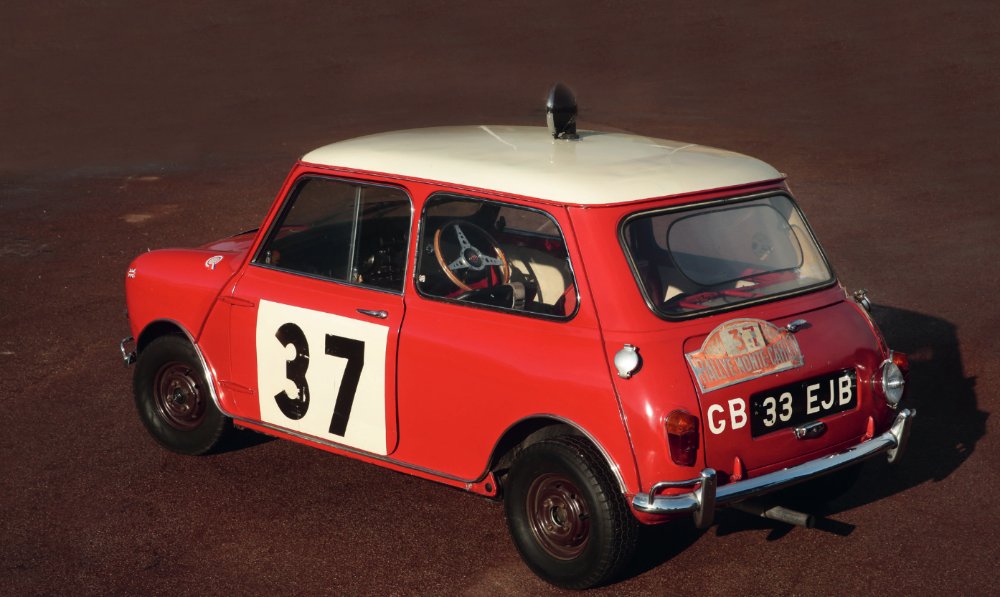
The sport’s post-war development is illustrated in the Monaco exhibition by the Paddy Hopkirk-driven 1964-winning Morris Mini Cooper S and Triumph Spitfire, followed by Sandro Munari’s 1972-winning Lancia Fulvia and 1973-competing Alpine-Renault A110 Berlinette, cars that helped establish the compact, agile formula that defined international rallying during the 1960s and early 1970s.
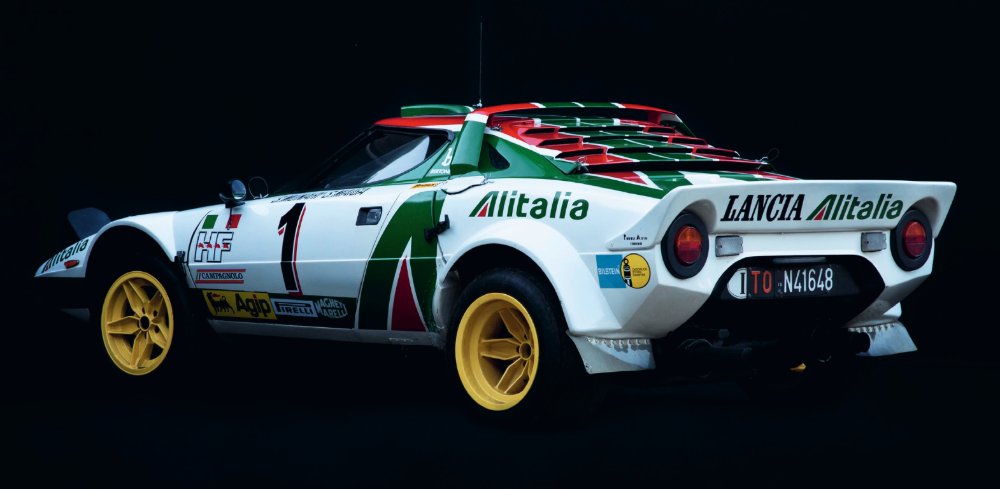
The increasingly specialised machinery of the 1970s and early 1980s includes the Fiat 124 Abarth Rally, Opel Commodore GS/E Coupé, the winning Lancia Stratos HF of 1977, 1980 event-winning Fiat 131 Abarth Rally and Talbot Sunbeam Lotus in the Monaco exhibition. Meanwhile, Jean Ragnotti’s 1981-winning Renault 5 Turbo, Ari Vatanen’s 1985-winning Peugeot 205 T16 and Didier Auriol’s 1990-winning Lancia Delta Integrale 16V represent rallying’s turbocharged period, from the extreme Group B era to the Group A formula that followed it. The Citroën Xsara WRC and Toyota Yaris WRC complete the sequence, showing the development of modern World Rally Cars into highly sophisticated four-wheel-drive competition machines.
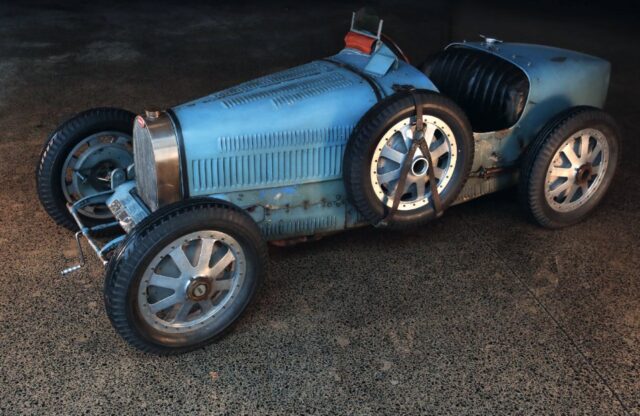
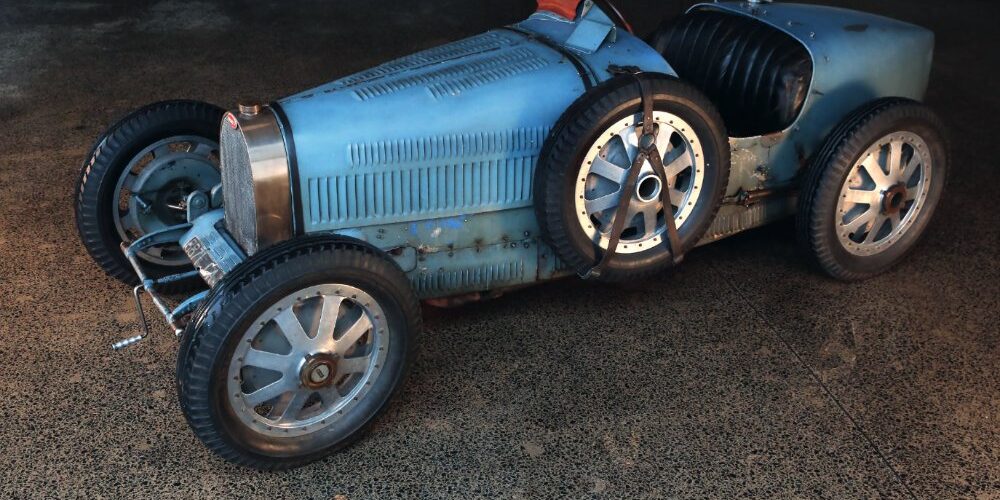
The Monaco Grand Prix is also covered extensively in the Monaco exhibition. First held in 1929, the race uses streets around Monte Carlo and La Condamine, passing the harbour and Casino before returning through the city. The display includes material relating to Monégasque racing drivers Louis Chiron and Charles Leclerc. The inter-war era is represented by the Bugatti Type 35B that won the first race in the hands of William Grover-Williams, the Bugatti Type 35C and the Delage 15 S8 – three cars from the formative years of Grand Prix racing.
Competition resumed after World War Two with machinery including the Cisitalia D48, Talbot-Lago T26C and Alfa Romeo Tipo 158 ‘Alfetta’. The Pegaso Z-102 and Ferrari 225 S recall the unusual 1952 Monaco Grand Prix, which was held for sports cars rather than Formula 1 machinery. The 1950s are represented the Gordini T16, Luigi Villoresi Lancia D50 and Gordini T32 from 1955 and 1956, followed by the rear-engined Cooper-Climax T51 driven by Tony Brooks that helped reshape Formula 1 design.
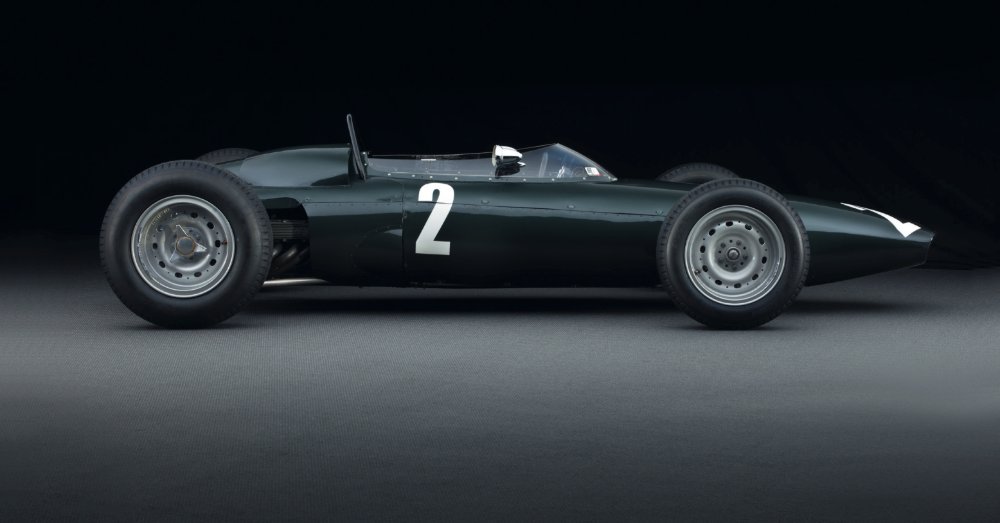
The development of the modern Grand Prix car can be traced through the Graham Hill BRM P578, Lotus 49B that Hill took to victory at Monaco in 1968 and 1969, McLaren M14A, Matra MS120B and McLaren M19A. The Tyrrell 006, Ronnie Peterson’s 1974 Monaco-winning Lotus 72E and the Wolf WR1 represent the increasingly sophisticated aerodynamics of the 1970s.
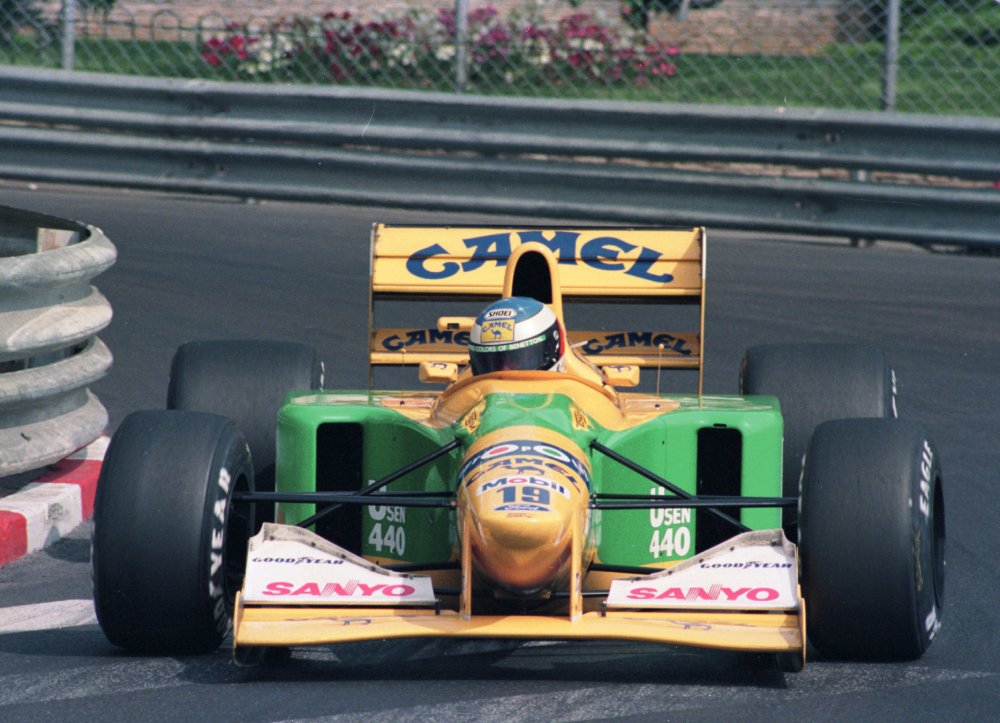
Turbocharging and electronic technology define the Ferrari 126 CK and Ferrari 640, while the ex-Schumacher Benetton B192, Ayrton Senna’s 1993 Monaco GP-winning McLaren MP4/8 and the Jordan 193 illustrate Formula 1 during the 1990s. The sequence concludes with the Ferrari F2001, Fernando Alonso’s 2006 Monaco-winning Renault R26 and Nico Rosberg’s Monaco 2015-winning Mercedes MGP W06 Hybrid, spanning the V10, V8 and turbo-hybrid eras.
The final section of the Monaco exhibition places a Panhard & Levassor dating from 1893 opposite the MONA LUNA lunar rover developed by Venturi Space.
More details on the Grimaldi Forum Monaco display can be found here.