

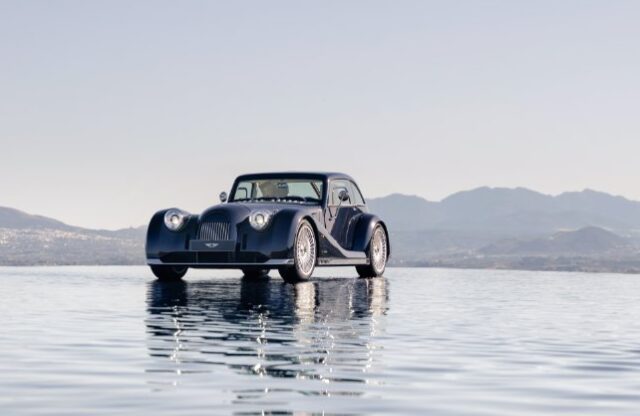
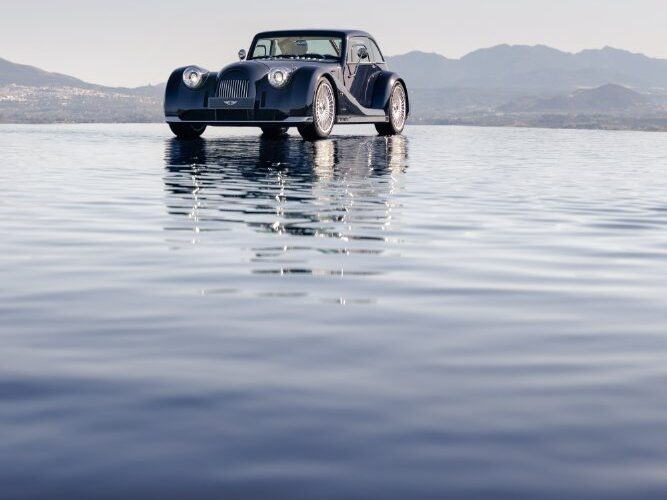
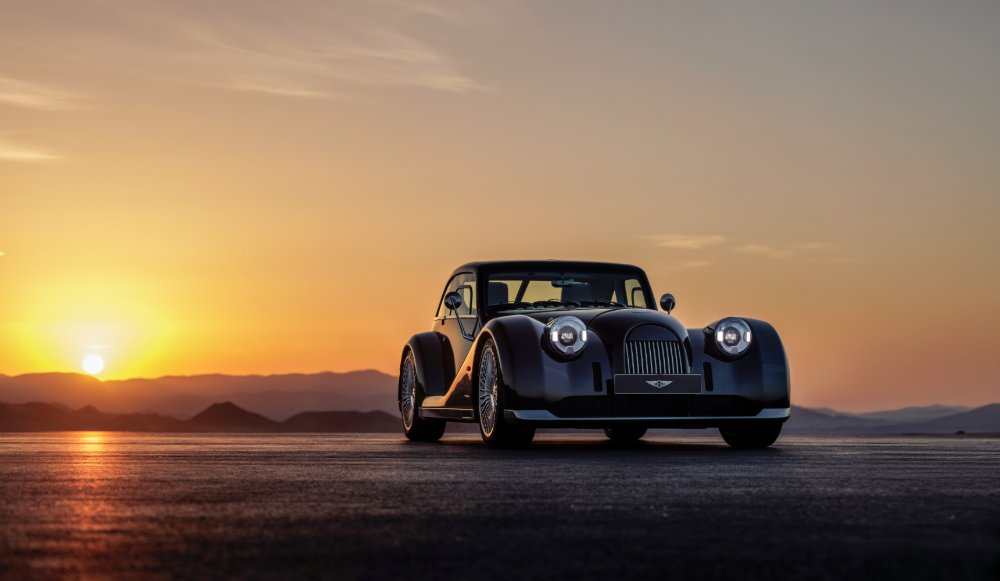
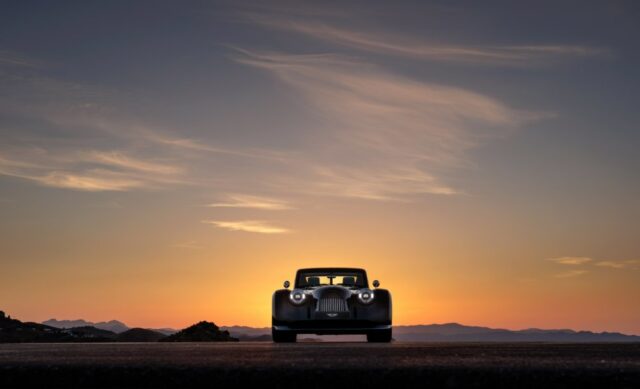
Morgan Motor Company has revealed the prototype of the Midsummer Coupé, a fixed-roof development of the limited-production Midsummer barchetta created with Pininfarina. The prototype will be followed by nine individually commissioned customer cars.
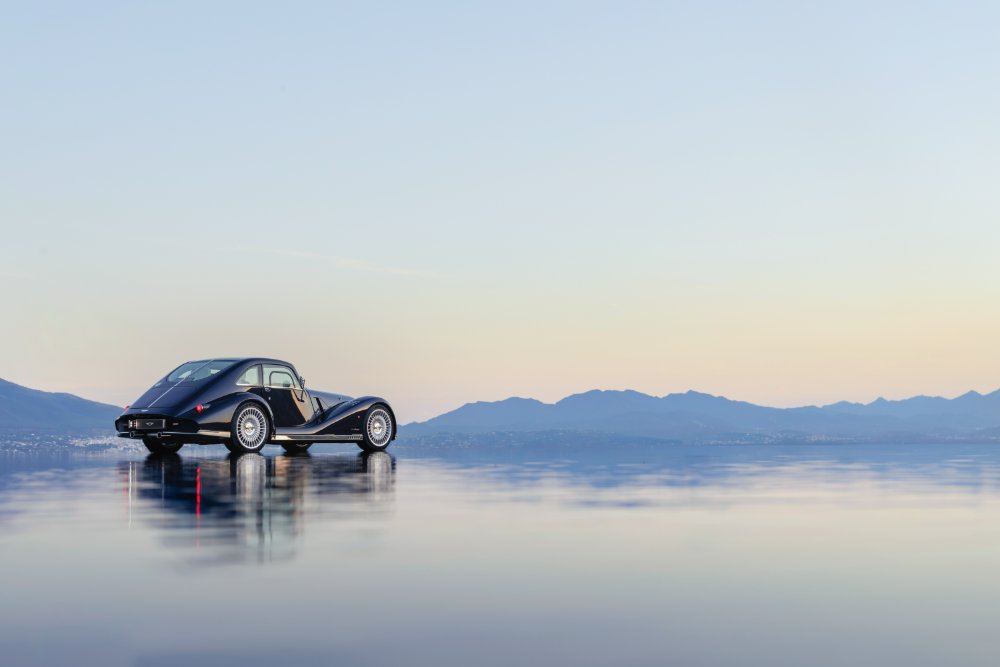
Known internally as the ‘artists’ proof’, the prototype will serve as the design, engineering and manufacturing reference for the project. Each of the subsequent cars will use the same underlying body architecture but will be specified individually with different colours, leather, timber finishes and bespoke details.
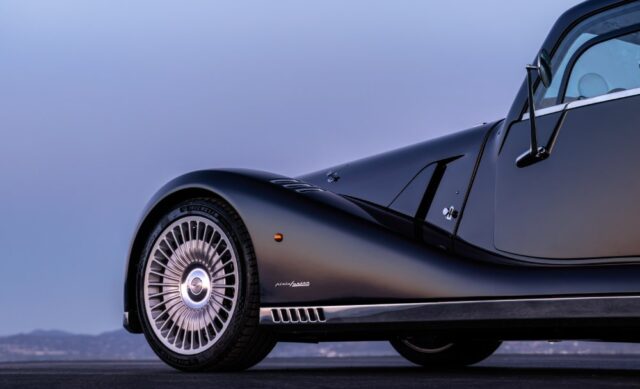
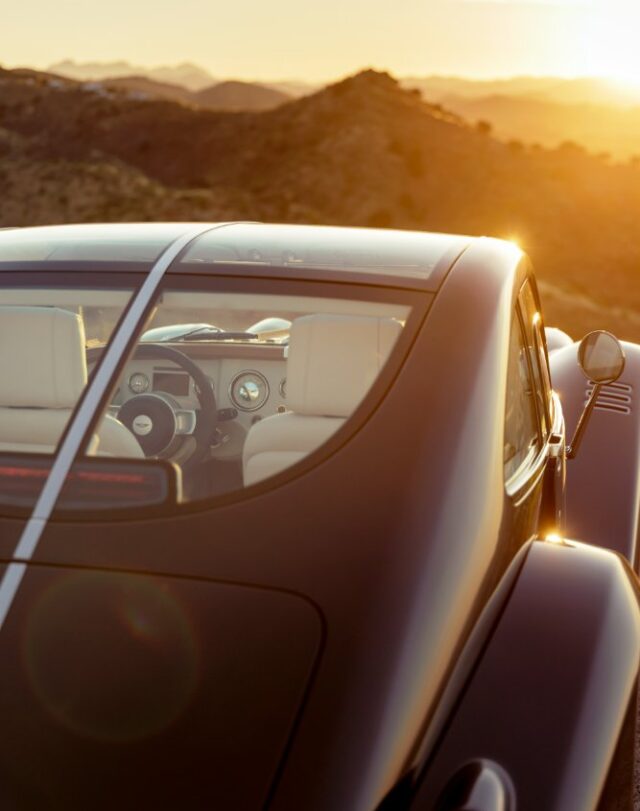
The project began after a client approached Morgan following the unveiling of the open Midsummer in May 2024. The customer proposed a fixed-head version, which Morgan and Pininfarina subsequently developed into a complete vehicle. Eight further customer commissions were later added.
The original Midsummer was limited to 50 examples. Although the Coupé retains elements of its design, Morgan says the roof, glazing and aluminium body were developed as an integrated structure rather than as a hard-top added to the existing car.
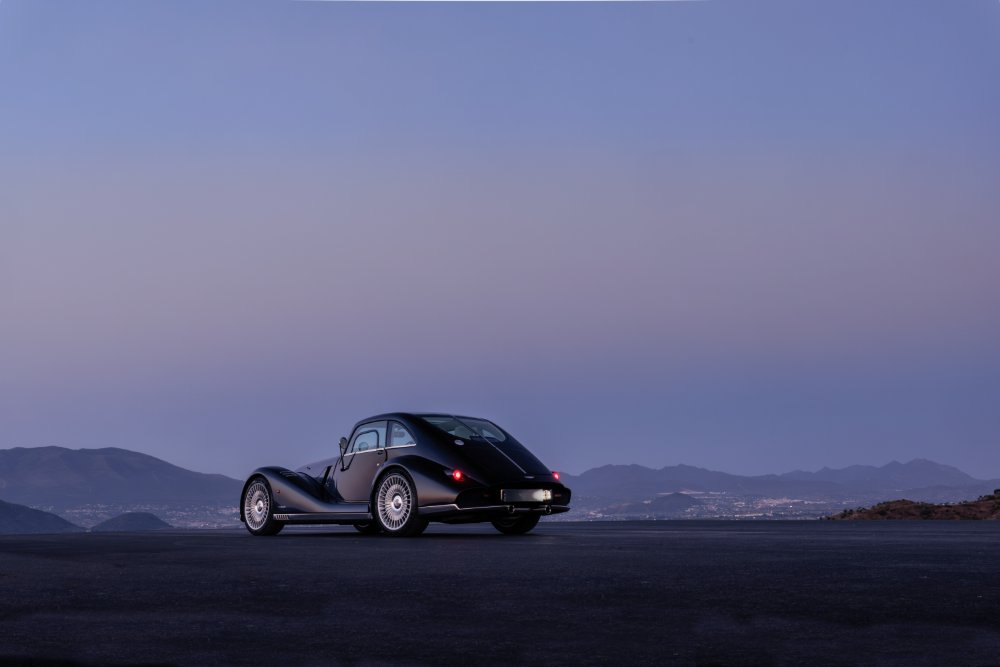
“A client came to us with an idea and, rather than asking how closely we could meet that brief, we asked ourselves how far we could take it,” said Matthew Hole, Morgan’s managing director. “Special projects such as this bring together the same designers, engineers and craftspeople who create every Morgan sports car, giving them the opportunity to apply their skills in different ways.”
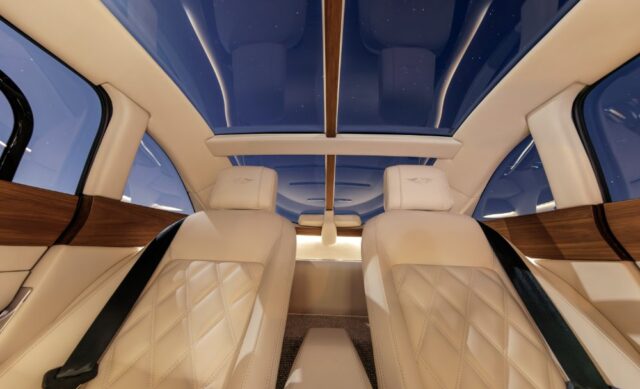
The Coupé introduces a new roofline extending from the A-pillars into a sculpted rear structure. A large glazed roof is intended to preserve some of the open character of the barchetta, while full weather sealing and climate control are designed to make the car suitable for year-round use.
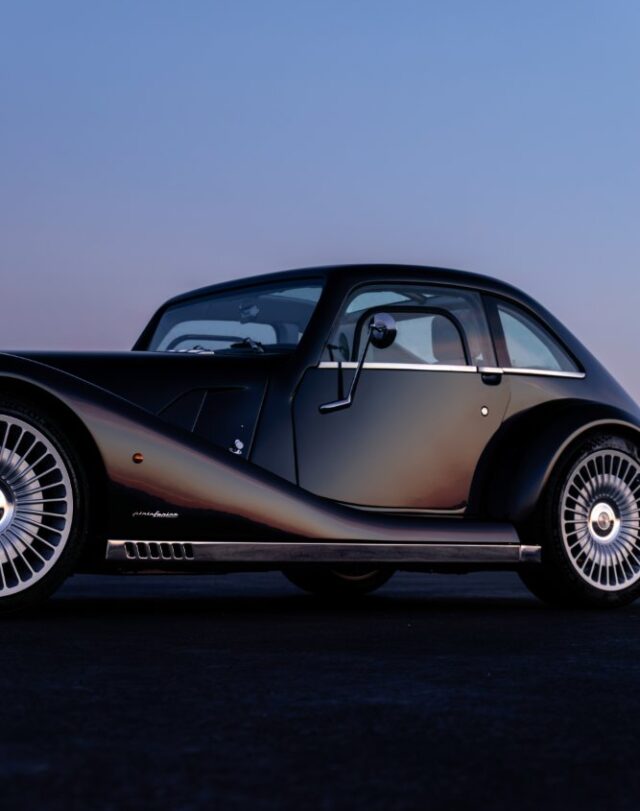
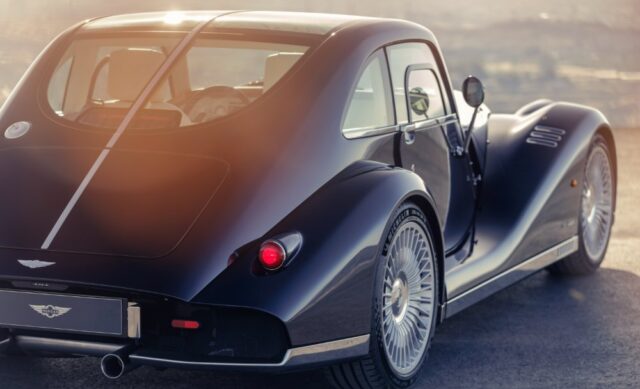
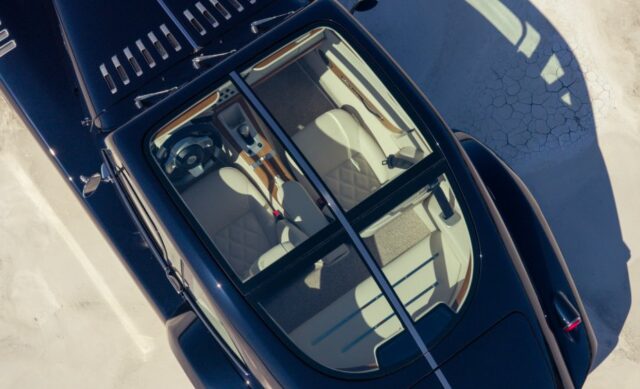

Its side-window arrangement uses fixed outer glazing and electrically operated drop windows in place of the detachable sidescreens fitted to other Morgans. An outer glass section approximately 100mm wide forms part of each side-window assembly, allowing the opening glass to sit within the glazed area without requiring a wider door profile.
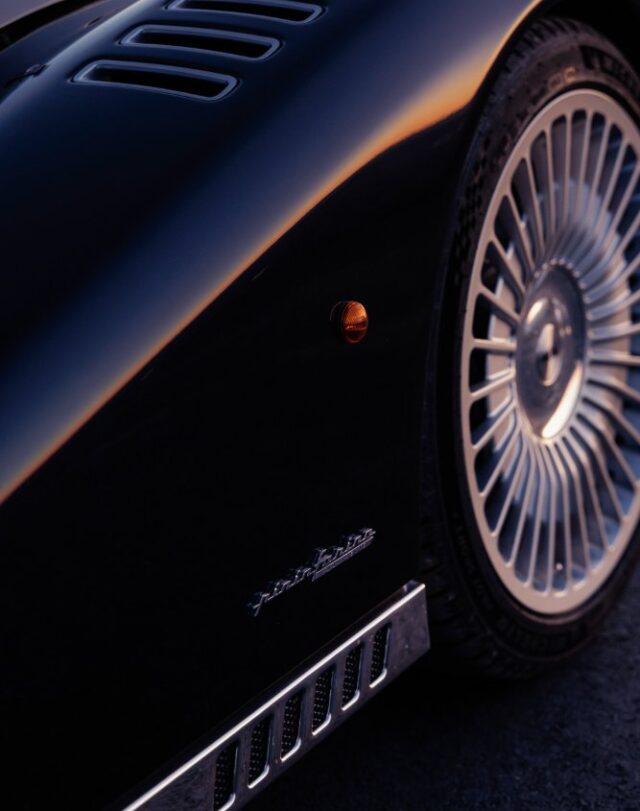
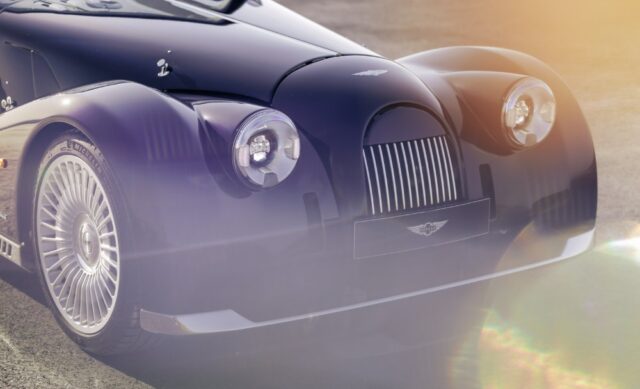
The increased door height has also allowed Morgan to introduce a defined aluminium beltline, machined from solid material and incorporating the door handle. Polished stainless-steel lower body panels provide a visual connection with the barchetta. A stainless-steel strip runs along the centre of the car, beginning on the bonnet and continuing between the glazed roof sections, across the boot and towards the Morgan badge; a related feature is repeated inside the cabin. The prototype is fitted with 19-inch forged-aluminium wheels combining painted and polished surfaces. Morgan says different finishes will be offered across the nine customer commissions.
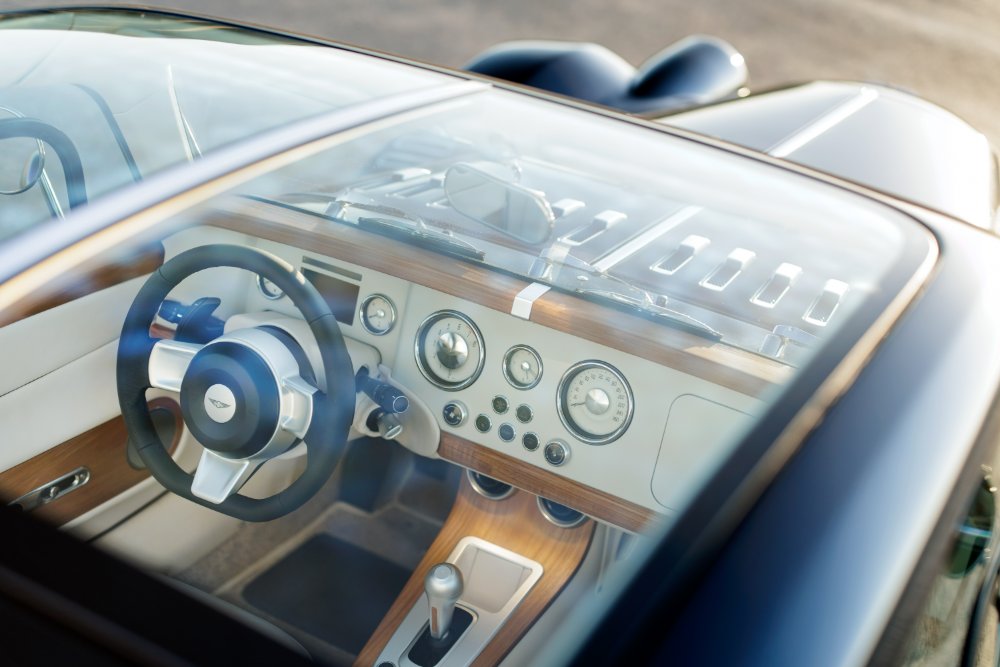
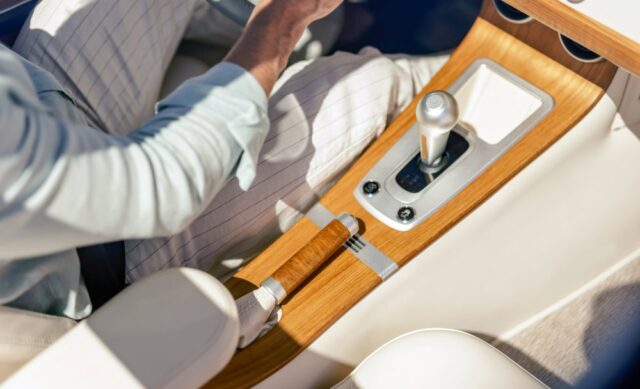
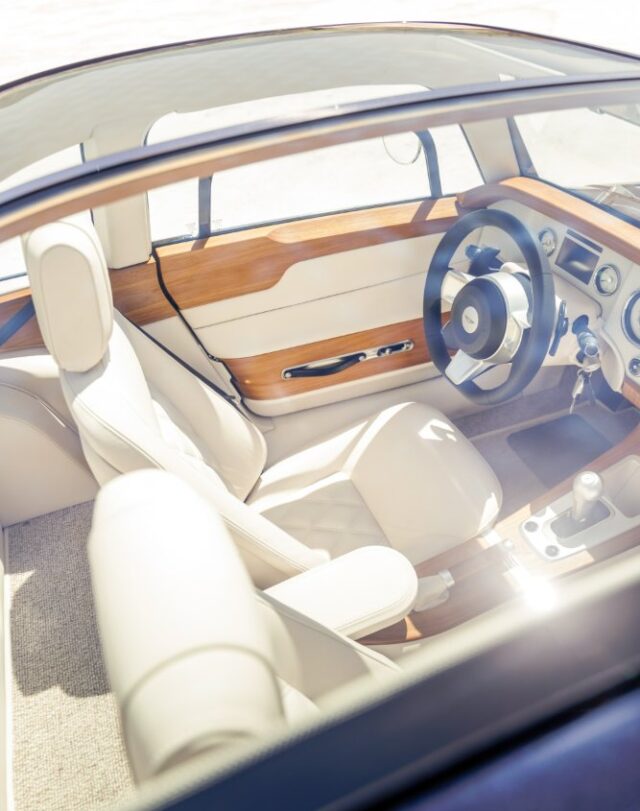
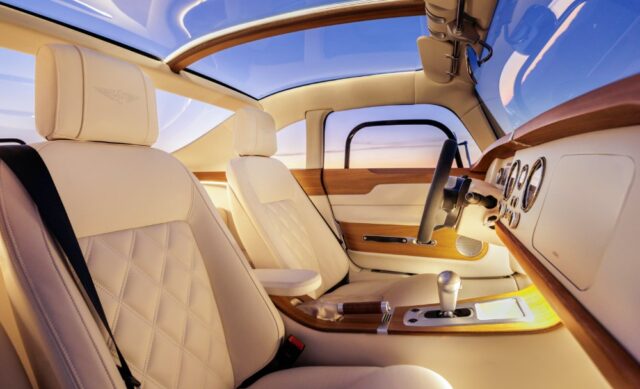
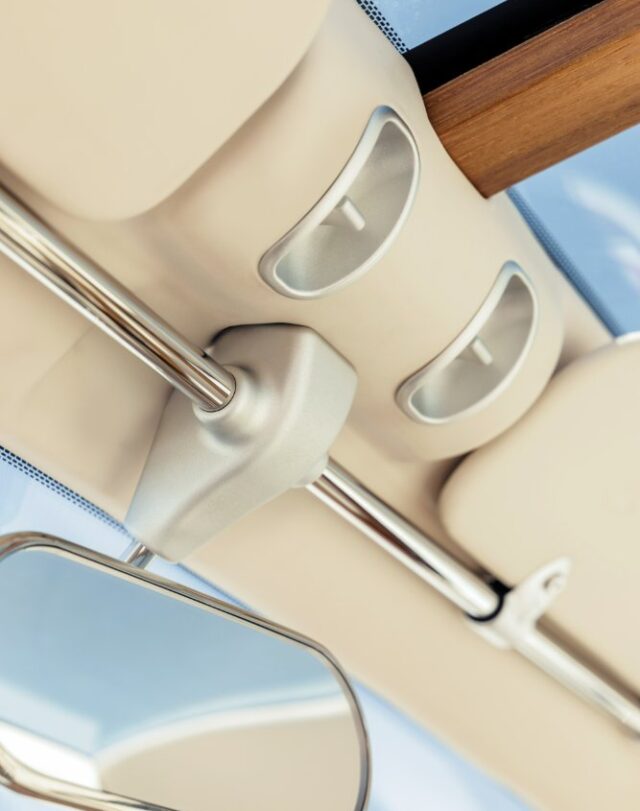
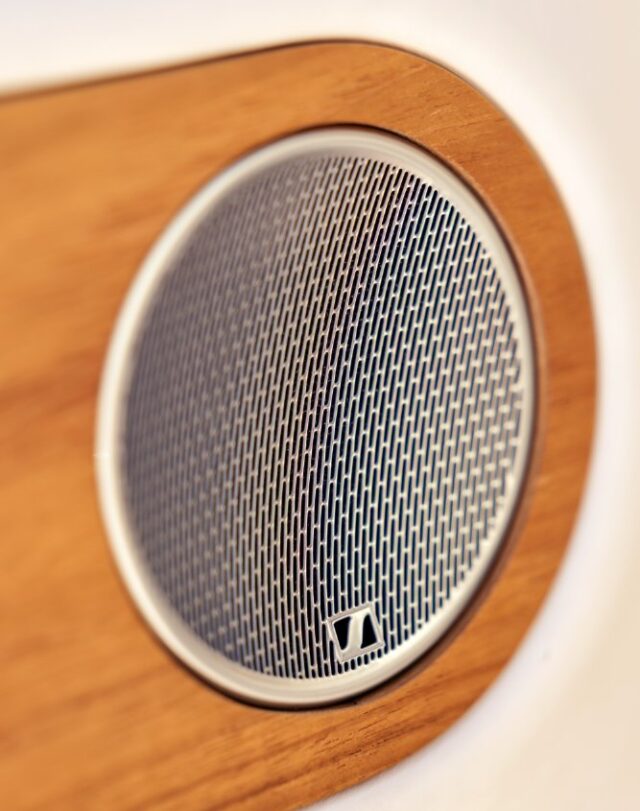
Inside, teak is used for the dashboard, gear-selector inlay, sun visors and rear-view mirror mounting. Alternative timber species may be used on later cars. The window switches have been installed in the roof structure, while an aluminium rail extends across the width of the cabin.
The Coupé also has a larger boot designed to carry fitted luggage. Morgan says touring ability formed part of the design brief, alongside the additional refinement provided by the enclosed cabin.
“Midsummer Coupé represents the culmination of an extraordinary creative journey. What began as a celebration of coachbuilding, craftsmanship and collaboration has evolved into one of the most ambitious and rewarding projects we’ve ever undertaken. Working alongside the team at Pininfarina, together with our own designers and engineers, has been both a privilege and immensely rewarding,” said Jonathan Wells, Morgan’s chief design officer. “Midsummer Coupé marks the closing chapter of that remarkable collaboration, but it also represents a defining moment in Morgan’s coachbuilding story.”
The car is based on Morgan’s CXV-Generation bonded-aluminium platform and uses the BMW B58 ‘O1’ engine also fitted to the recently introduced Supersport 400.
Billet-machined aluminium A-pillars carry loads from the roof into the front structure and provide mounting points for the doors and side windows. The windscreen and glass roof are bonded directly to the aluminium body, allowing the glazing to contribute to the car’s stiffness and load distribution.
Morgan says bonding the windscreen reduces peak stresses in key parts of the aluminium structure by around 50 percent. The roof also forms part of a stressed-skin construction. Despite the additional structure, the Coupé is claimed to weigh 2.5 percent more than a Supersport fitted with a hard-top.
The centre section of the body is formed by hand from flat aluminium sheet using English wheels. Morgan says each body requires several hundred hours of forming and preparation. The aluminium panels perform a structural as well as cosmetic role, meaning their thickness must be preserved during finishing. According to Morgan, the peak loads placed on the panels amount to around 30 percent of the material’s yield strength.
The structure uses TIG welding without filler material and solid aluminium rivets countersunk into the body. Digital scanning and laser measurement are used to compare the hand-formed components with the CAD model during assembly. Morgan says each body is assembled on a surface table scanned to an accuracy of 0.3mm across its length.
The traditional wooden frame is also load bearing. Laminated wheelarches, machined ash sections and higher-strength components transfer loads between the platform, aluminium body and roof. Morgan says the timber also helps to reduce resonance from the aluminium panels.
The prototype will enter the Louwman Collection in The Hague, where it is due to go on public display. Morgan will then begin construction of the first of the nine bespoke customer commissions, with details of the individual cars to be announced separately.
More details on the Midsummer Coupé can be found via Pininfarina and Morgan.