

For the auction results, please click here.
After a successful 2025 auction, Lake Como sees the Broad Arrow Villa d’Este sale return – this time with a distinctively Japanese flavour. We’ll come to that in a moment, but 78 lots are up for grabs over two days (May 16-17, 2026) at the Broad Arrow Villa d’Este 2026 sale at Villa Erba, just down the road from Concorso d’Eleganza Villa d’Esta and FuoriConcorso.
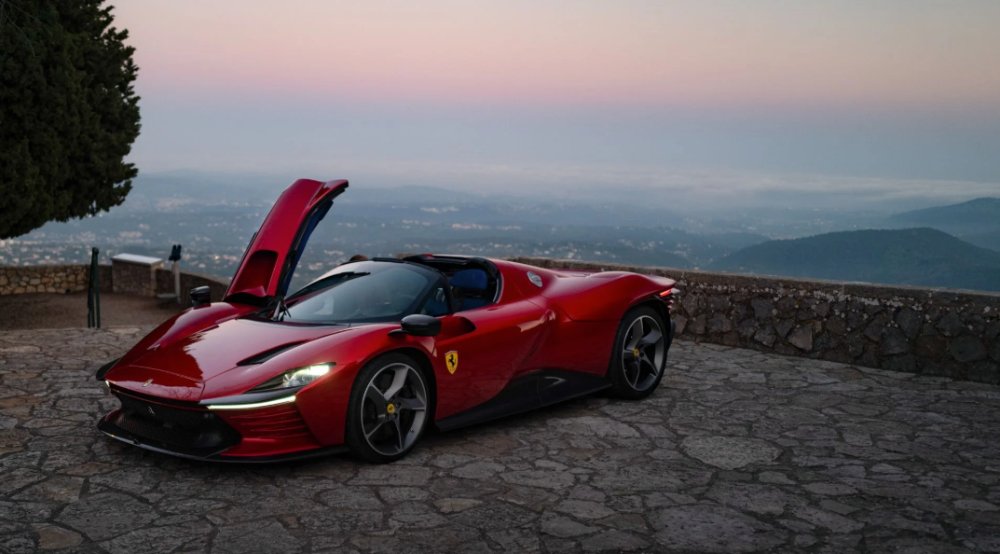
The leading lot at the Villa d’Este 2026 sale may not be a Ferrari – more on the Zonda later – but there is plenty of machinery to choose from across the Maranello spectrum. Top billing goes to the above 2023 Ferrari Daytona SP3, finished in Rosso Magma Tri-Coat, an Extrarange paint that gives the bodywork a deep red finish with subtle tonal variation. The interior is trimmed in Blu Elettrico Alcantara, with large-size bucket seats, Apple CarPlay, front and rear parking cameras, front-axle lift system and factory-fitted four-point harnesses. It’s covered 743km and comes with the Racing Driver Set: a leather backpack, duffle bag, racing suits and gloves, plus the Ferrari Classiche Yellow Book. It’s estimated at between €6.5m and €8.5m.
Other notable Ferraris in the sale (there are 20 in all) include a 1990 F40 (€2.3m-€2.5m), a 1968 330 GTS (€1.5m-€1.7m), a 2023 812 Competizione (€1.25m-€1.45m), a 1956 250 GT Boano Alloy (€850k-€1m), the sole Verde PPG 430 Scuderia (€700k-€800k), the only Blu Pozzi over beige 2004 360 Challenge Stradale (€500k-€600k), a recently restored Bianco Polo Dino 246 GTS (€550k-€600k), a 1996 512M (€380k-€440k) and a yellow 1993 512TR (€220k-€250k).
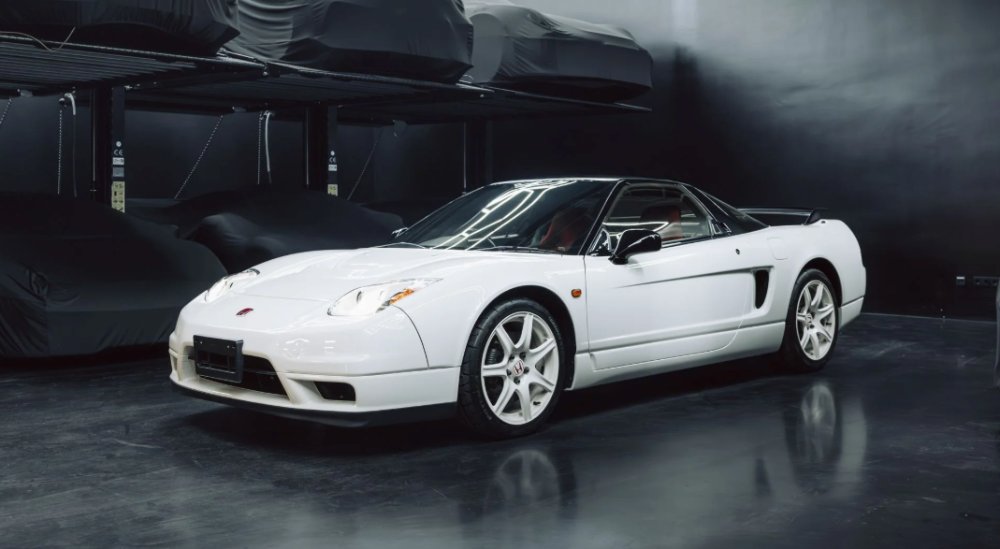
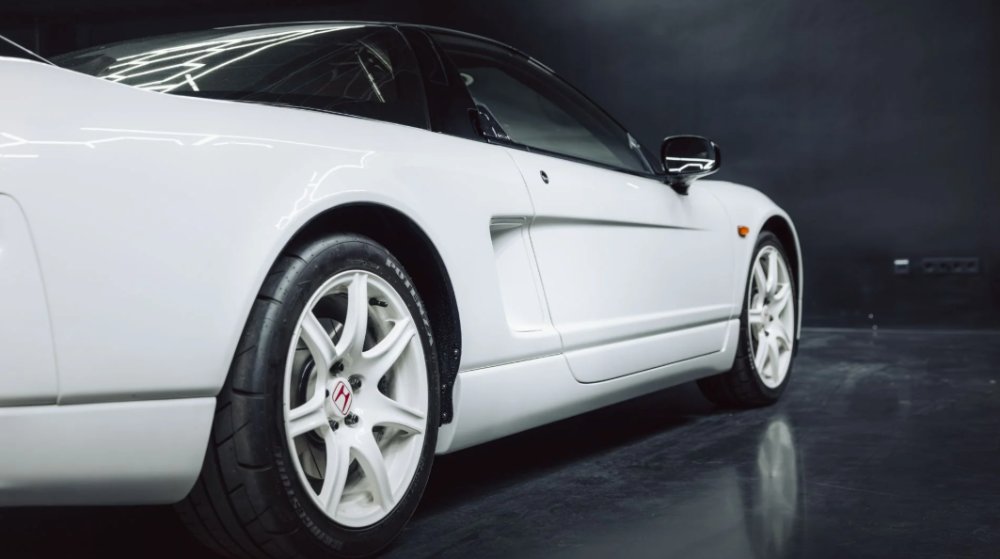
One of the more interesting results from last year was the new record set for the NA2 Honda NSX-R. It is therefore unsurprising to see another one up for grabs in 2026. Chassis 1400098, finished in Championship White with a red Alcantara interior, was first registered in Japan in April 2003. It has remained largely within its home market until recently. In 2022, the car underwent Honda’s factory-backed NSX Refresh Plan. This included a comprehensive mechanical overhaul, with the engine removed and refreshed, the transmission rebuilt with new synchromesh and bearings, and a replacement clutch fitted. Suspension components were renewed, while the body was refinished and key systems including fuel, ABS, lighting and seals replaced. The work was completed in 2023 and the car was last registered in Gunma in January 2025 with just over 46,700km on the clock. It’s estimated at between €850k and €950k.
However, there are also five examples of that other icon of millennial Japanese motoring to choose from, all offered at no reserve: the Nissan Skyline GT-R R34. There’s a 2002 CRS by NISMO (€700k-€850k) – one of fewer than 20 – as well as a one-of-14 2001 V-Spec II NISMO S-Tune (€500k-€700k), a Silica Brass 2001 M-Spec (€450k-€600k), a Millennium Jade 2002 V-Spec II Nür (€375k-€450k) and a rare Midnight Purple II GT-R with nigh-on 700bhp (€325k-€400k). These are all from the same collection – it will be fascinating to see just how far along the market really is for these cars.
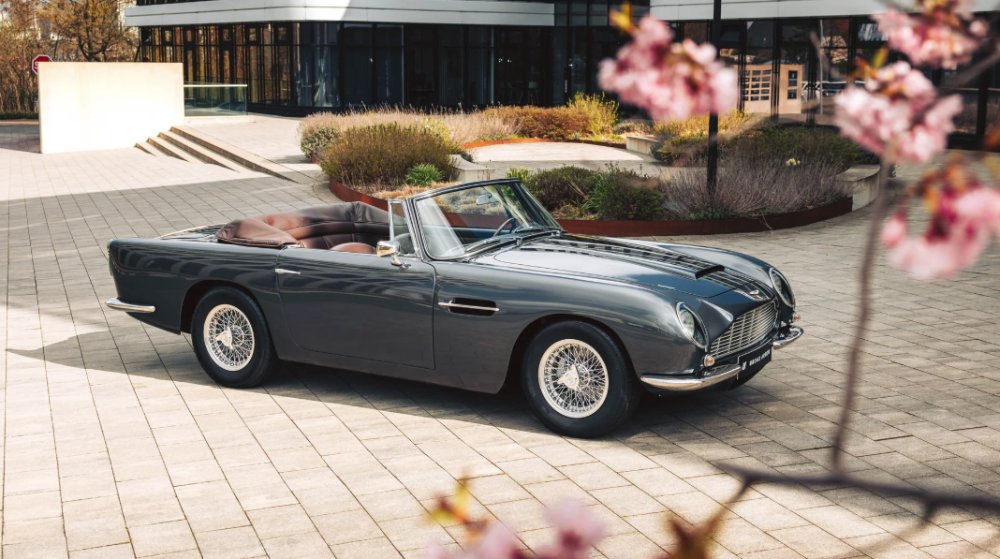
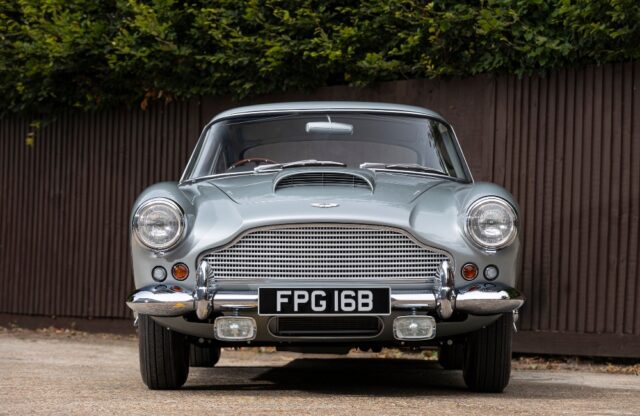
This Aston Martin Short Chassis Volante, chassis number DBVC/2309/R, is one of just 37 examples built and was delivered new on January 21, 1966 through Plough Motors Ltd to its first owner, AD Richardson. Supplied in right-hand-drive form with a ZF five-speed gearbox, it was originally finished in Silver Birch with a black Connolly leather interior. Richardson entered the car into the Wiscombe Park Hill Climb in 1967, 1968 and 1969. It was later returned to its supplying dealer and sold to Pennyview Instrument Co Ltd. The Volante later passed to Charles Gigg, who had it repainted in white, before being acquired in 1988 by Roger McCouat. During his ownership, it was restored, including work to the engine and aluminium body, and returned to its original Silver Birch finish. On completion, it was shown at the AMOC Stanway Concours, where it was awarded second place.
In 1992, the Volante was acquired by Mark Simpson, who retained it until 2000, when further work was carried out by Aston Martin specialist Goldsmith & Young. During this process, a cracked engine block was identified and replaced. Later that year, it was acquired by Tarek Mahmoud, who undertook an additional restoration between 2002 and 2005, again with Goldsmith & Young. The current owner acquired the car shortly afterwards and has since carried out further work, including conversion to left-hand drive, repainting in Snow Shadow Grey, an increase in engine capacity to 4.7 litres and ongoing maintenance. It’s estimated at between €650k and €750k.
There’s also a 1968 DB6 Volante Mk1, estimated at €360k-€440k, and a 1987 V8 Volante, estimated at €180k-€230k.
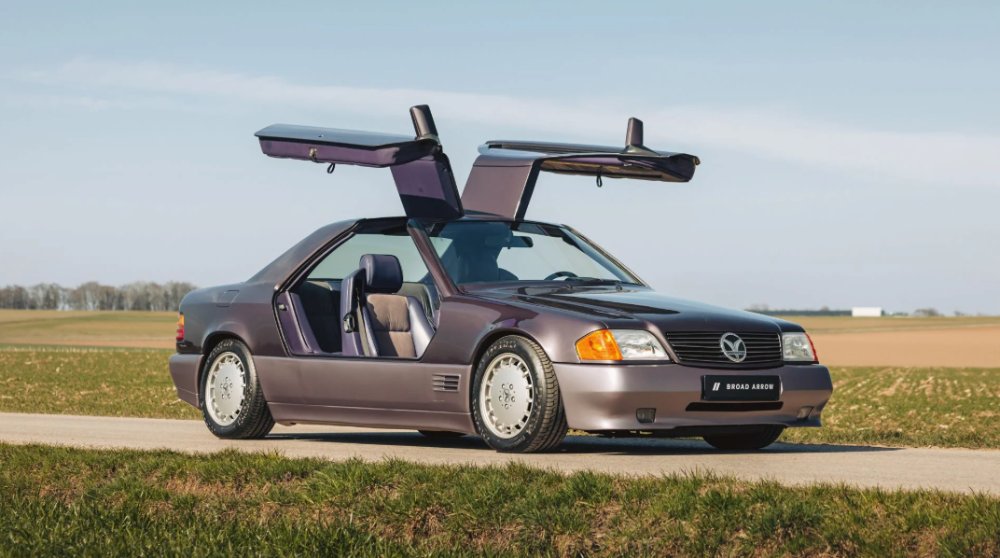
This is the lengthily named 1989 Mercedes-Benz Boschert B300 Biturbo Gullwing, a unique creation unveiled at the 1989 Frankfurt International Motor Show. It’s a coachbuilt reinterpretation of the Mercedes-Benz C124 300 CE, commissioned by Hartmut Boschert. Based on a 1988 donor car, it featured extensive body modifications, including a shortened roofline and rear overhang, and the integration of an R129 SL front end. Power came from a twin-turbocharged 3.0-litre inline-six producing 283bhp, using a sequential turbo set-up to improve response across the rev range. Drive was sent to the rear wheels via a five-speed manual gearbox.
Of the estimated 11 cars built, most were fitted with conventional doors, making this gullwing example unique. Following its debut, the car remained in Germany before being acquired by engineer Tino Zovko, who retained it for more than 20 years and assembled a collection of related documentation. It changed hands again in November 2023, and it has covered 39,000km. It’s estimated at between €475k and €525k.
There’s also a 300 SL Gullwing in the Broad Arrow Villa d’Este 2026 sale – a 1957 example in White Grey, estimated at between €1.6m and €2m.
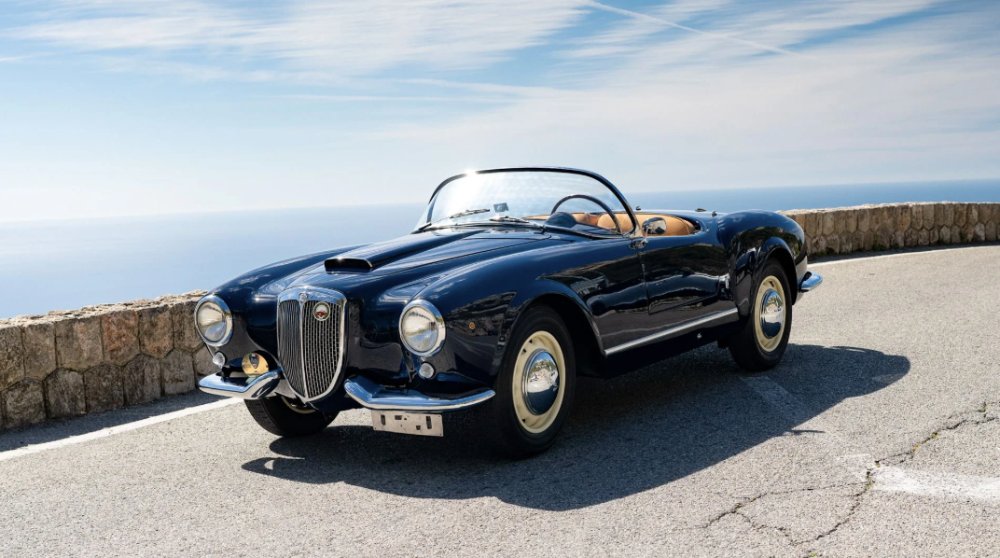
This 1955 Lancia Aurelia B24 S Spider America, one of 181 built, was completed on October 14, 1955, originally finished in grey with a black leather interior and intended for the US market. It returned to Italy in 1989, as recorded in a later registration document, and was acquired in 1999 by Emilio ‘Chicco’ Gnutti through his companies. In 2015 the car was exported to Monaco, where it remained before being acquired by its current owners in 2018.
More recently, the Lancia has been the subject of mechanical and cosmetic work. In December 2025 Garage Moneghetti carried out a programme of mechanical refurbishment, including attention to the fuel system, braking components, cooling system and suspension, along with routine servicing items. In early 2026, further work was undertaken to prepare the Aurelia for concours use, including repainting, renewal of the soft-top and a full retrim of the interior. It’s estimated at between €500k and €700k.
Other Lancia highlights include a 1992 Delta HF Integrale Evoluzione Martini 6 (€325k-€375k), a Group 4 Stratos HF Stradale (€600k-€800k), a 1956 Aurelia B24 S Convertible (€180k-€220k NR), a 1991 Delta HF Integrale Evoluzione (€150k-€200k NR), a 1960 Flaminia Sport Zagato (€150k-€190k NR) and a 1988 Delta HF Integrale (€80k-€120k NR).
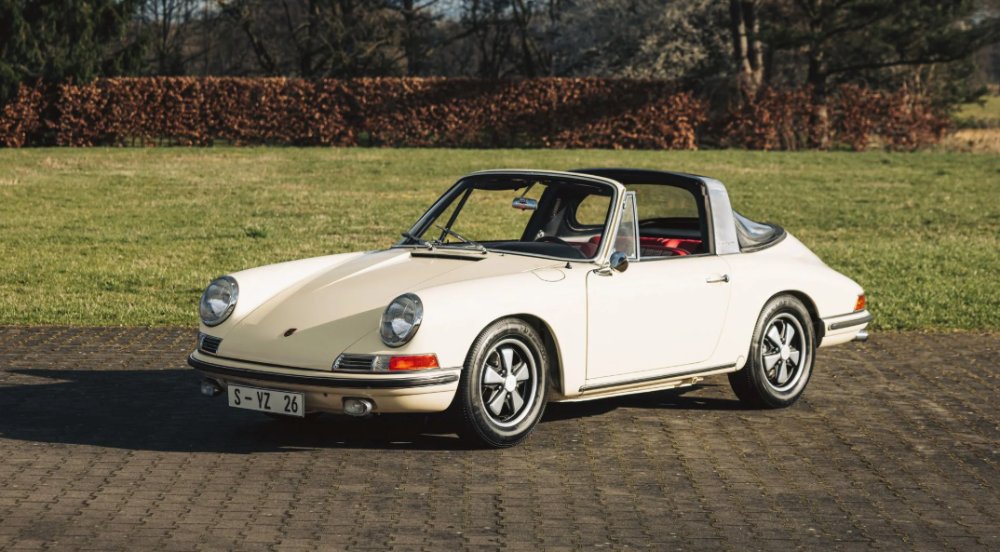
This Porsche 911 ‘soft window’ Targa, chassis 500100, was originally built as a factory development car and later used by Porsche driver Jochen Neerpasch in the period leading up to the 1967 Targa Florio. Supplied through the factory as a Versuch, or test department vehicle, it was not a standard production example, but part of Porsche’s internal programme of early evaluation and development. Factory documentation identifies the car as one of the earliest Targa prototypes, fitted with a 2.0-litre Type 901/02 engine producing around 160bhp. Its engine number, 900054, falls within a sequence reserved for experimental use, placing it firmly in pre-series territory. The transmission is recorded as number 11, believed to be an internal designation. Additional structural reinforcement was also incorporated into the body.
The car’s early history is closely associated with Neerpasch, who was then a Porsche Works driver. In 1967, ahead of the Targa Florio, Porsche provided the car to Jochen as a reconnaissance vehicle for use on the Piccolo Circuito delle Madonie. That same season, he competed in the event alongside Vic Elford in a Porsche 910. Factory documentation records that Neerpasch acquired chassis 500100 from Porsche on September 15, 1967, following its period of internal use. The car is also believed to have been handled by other figures connected with the Works programme, including Paul Frère, with servicing noted at the Brussels-based Porsche distributor D’Ieteren. Internal references to the car’s movements further indicate its continued management within Porsche’s own vehicle fleet.
After Neerpasch’s ownership, the car passed into private hands and was eventually exported to the US, where it remained for several decades. By the early 2010s, it had fallen out of regular use before being rediscovered. A subsequent restoration was undertaken with an emphasis on retaining original components and understanding its early history. This process involved consultation with former Porsche engineers and development figures, including Peter Falk, Jürgen Barth, Norbert Singer and Jochen himself, among others connected with the company’s experimental department. Following completion of the restoration, the car was reunited with Neerpasch and has since been presented as an early factory Targa prototype. It’s estimated at between €700k and €1m.
Other Porsche highlights include a 2015 918 Spyder Weissach (€2m-€2.5m), a 1973 911 Carrera RS Lightweight with Sonauto Tour de France history (€600k-€700k) and a rare Forest Green Porsche 993 Carrera 4S from 1998, estimated at between €140k and €180k, and offered at no reserve.
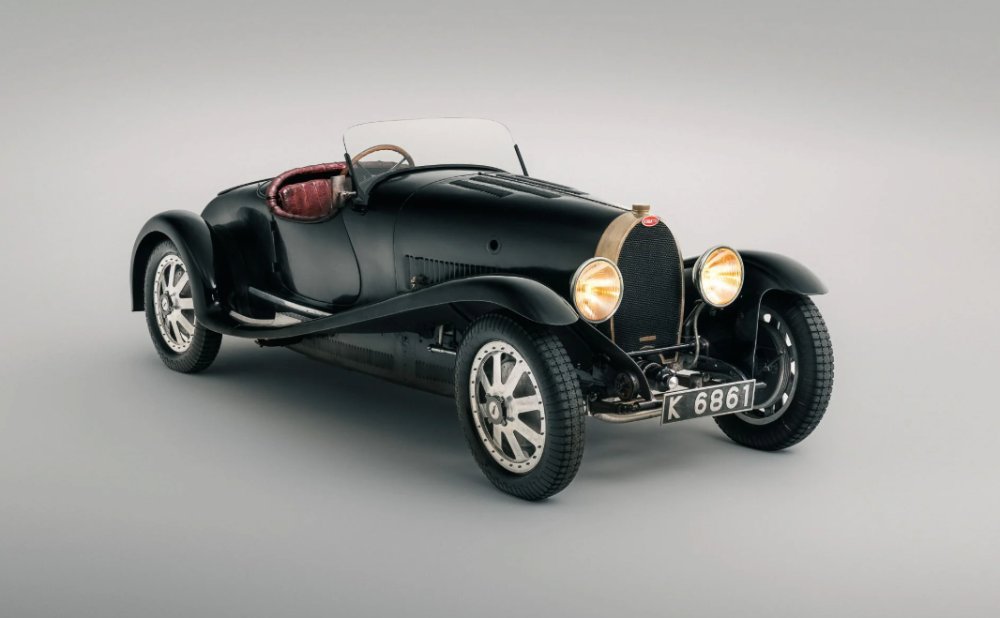
This is the 1929 Bugatti Type 43 Roadster by Eugène Matthys, one of approximately 160 examples built. It was invoiced to Belgian agent Joseph Reinartz and delivered on January 15, 1929 to its first owner, Frédéric Deflandre, in the Liège region. It was initially fitted with a temporary two-seat body. During the early 1930s, the chassis was entrusted to Brussels-based coachbuilder Eugène Matthys, who created this two-seat roadster body. Deflandre is believed to have retained the car until the mid-1930s. By the post-war period, it had passed to Edouard Hanquet of Angleur, at which time it was fitted with a Chevrolet six-cylinder engine, leading to its temporary identification as a ‘Chevrolet Type 43’.
In 1965, the car was acquired by André Monin, who retained it for more than a decade. It later passed through the ownership of Luc Janssens, Keith Butti and Roland JB Duce before being acquired in April 1981 by a private collector, within whose family it remains. he car retains a high proportion of original components, including its chassis, axles, gearbox and radiator. To return it to a more appropriate mechanical specification, a Type 43 engine was sourced from Hugh G Conway.
Over the past 30 years,mechanical work has included the installation of replacement cylinder blocks, overhaul of the rear axle and braking system, plus attention to the cooling and fuel systems. The chassis and body have also been maintained, with repairs to the wooden structure, renewal of the fuel tank and a repaint carried out as required. The interior has been preserved rather than replaced, with the original leather treated and stabilised by The Leather Conservation Centre in Leicester. It’s estimated at between €2.5m and €3.5m.
Elsewhere in the Villa d’Este 2026 sale, there’s the 1926 Bugatti Type 37 Grand Prix formerly driven by Malcolm Campbell and Jack Lemon Burton up for grabs; it’s estimated at between €1m and €1.3m.
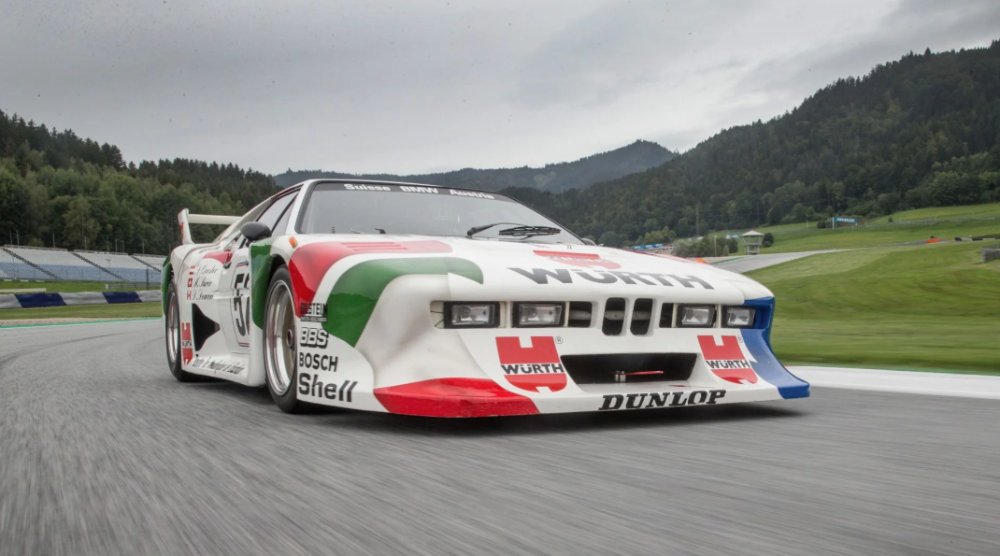
This Sauber-BMW M1, chassis 81.M1R.01, was constructed during the winter of 1980 to 1981 as one of two cars developed by Sauber for endurance racing. Unlike the Procar specification, it featured a lighter tubular-steel spaceframe chassis and revised bodywork, reducing overall weight and improving aerodynamic efficiency. The car made its World Endurance Championship debut at the Nürburgring 1000km in May 1981, driven by Marc Surer and Dieter Quester, both of whom were involved in its development – the sister car won the race, and 01 finished 13th.
It later appeared at the Le Mans 24 Hours, where it completed 207 laps before retiring with clutch, brake and engine problems. The car continued to compete throughout the 1981 season, and in March 1982 it was acquired by Swiss driver Enzo Calderari. He campaigned it in both national and international events, including the World Endurance Championship. It achieved a race victory at Dijon in April 1982 and continued in competition until the end of that season.
Subsequent ownership saw the car pass through several hands, including Jürg Bächi, Maximilian Conover and Jukka Mäkelä. During this period, it remained active in Historic competition and received mechanical attention, including an engine overhaul carried out in Germany. In 1991 the car was reacquired by Peter Sauber, and it was retained within the Sauber Museum for over two decades. Since 2014, the current owner has undertaken a comprehensive restoration with the aim of returning the car to running condition. The work, carried out with input from individuals involved in the original programme, included mechanical rebuilding, preparation for track use and a return to its 1981 Würth livery. It’s estimated at between €1m and €1.2m.
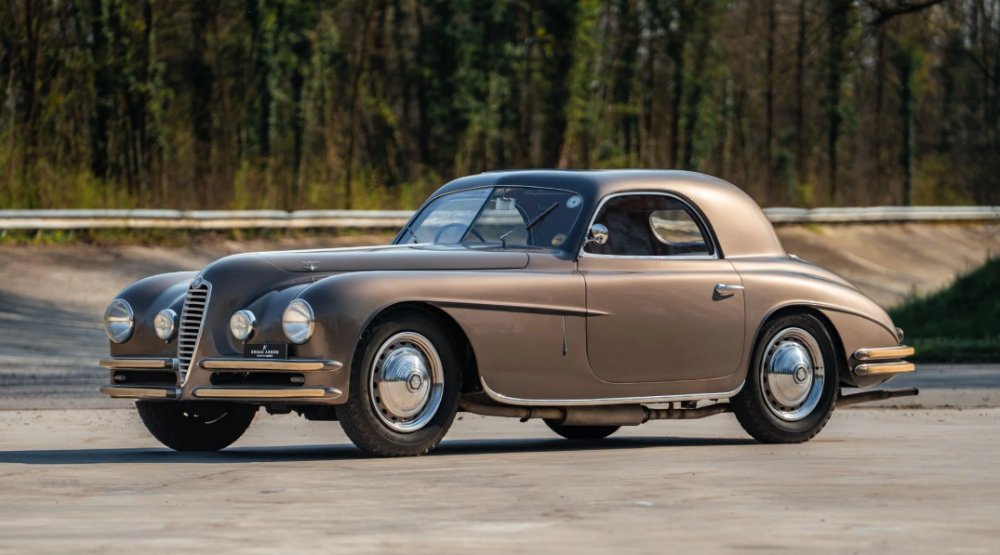
This Alfa Romeo 6C 2500 Aerlux Coupé by Touring, chassis 915586, was the first of just 19 examples built. Assembled in August 1947 and delivered in February 1948, it was supplied new to the Manifattura Lane Marzotto in Valdagno, under the ownership of Count Gaetano Marzotto. As the first example produced, this car features details not seen on later cars, including an integrated sunshade system within the roof and extended body lines running from the front wings through the doors. The Alfa later left Italy and was in the US by the early 1970s, where it remained stored in dismantled form for several decades.
In 2002 it was acquired by its current owner and returned to Italy for restoration. The work, carried out over four years, included a full mechanical rebuild by AFRA, and restoration of the body and interior by Fabio Calligaris, with the car returned to its original Copper Metallic finish. Since completion, the Alfa has been presented at concours events and has participated in the Mille Miglia. At the Villa d’Este 2026 sale it’s estimated at between €375k and €425k.
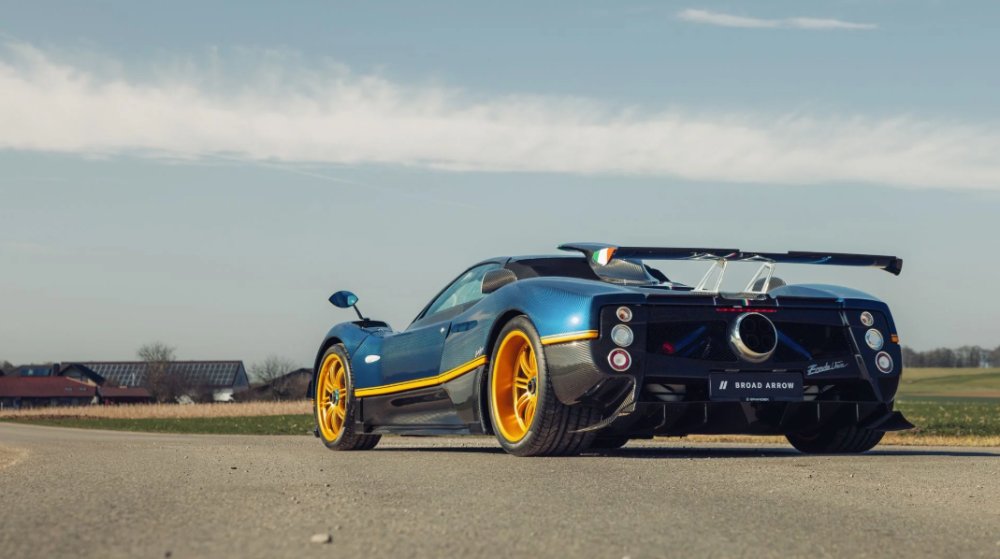
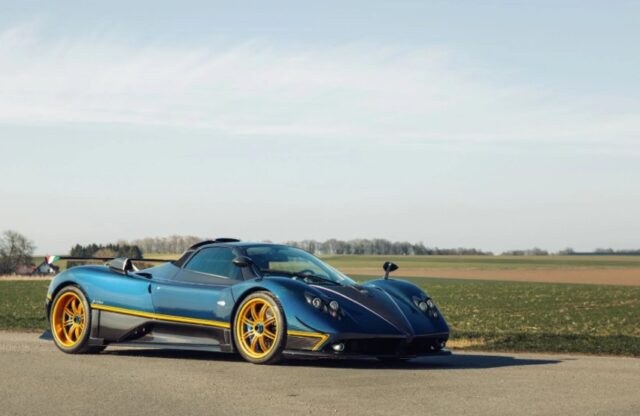
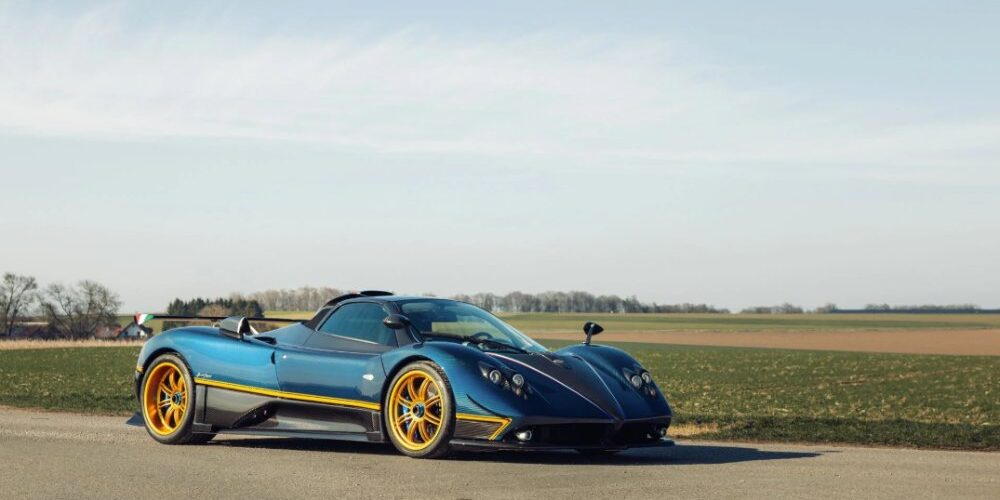
This Pagani Zonda Unica Roadster leads the Broad Arrow Villa d’Este 2026 sale on pre-event estimate. Chassis 76135 was completed in 2018 as a one-off commission by Pagani Automobili’s Unico division. Ordered by the founder of Top Car Design in Spain, it incorporates aerodynamic and structural elements associated with the Zonda Cinque, itself derived from the track-focused Zonda R. Power is provided by an AMG-sourced naturally aspirated V12 engine producing 604bhp driving the rear wheels through a six-speed manual gearbox.
It was first registered on August 12, 2018, and was subsequently displayed at a number of Supercar Owners Circle events in Switzerland, including appearances in 2018, 2019 and 2020. Period material also records Horacio Pagani driving the car at a Swiss airstrip. The factory service booklet documents three services carried out by Pagani Automobili at San Cesario sul Panaro, completed in June 2020, December 2021 and February 2023. It’s covered 2617km and is estimated at €9.5m-€12m.
Further details
For more details on the Broad Arrow Villa d’Este 2026 sale, head here.