

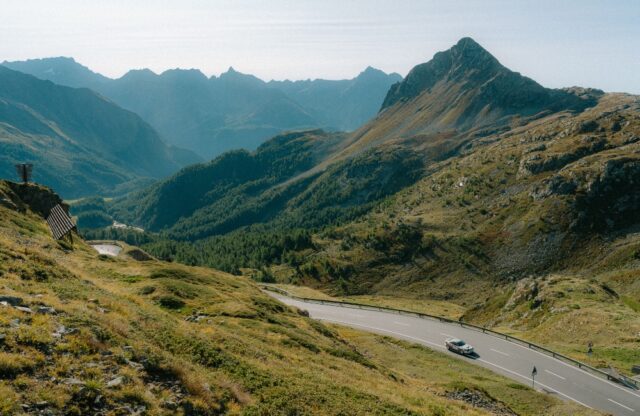
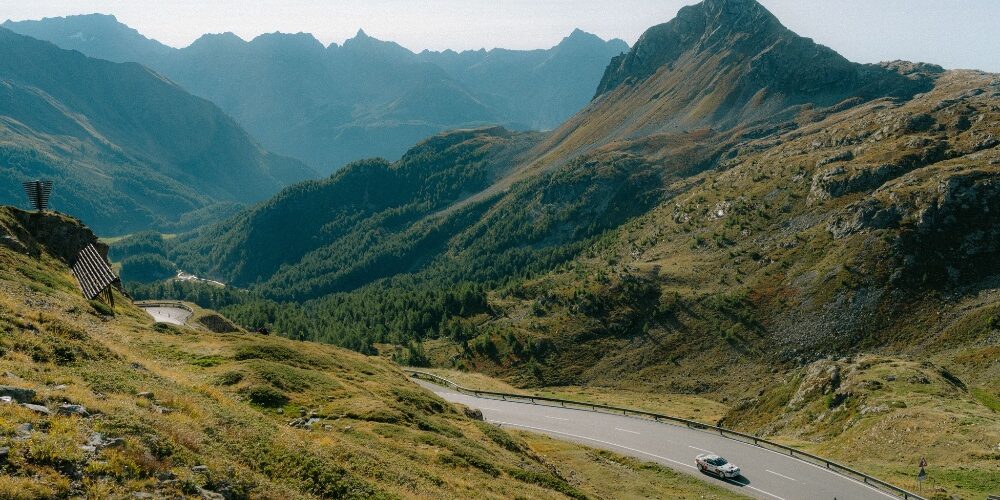
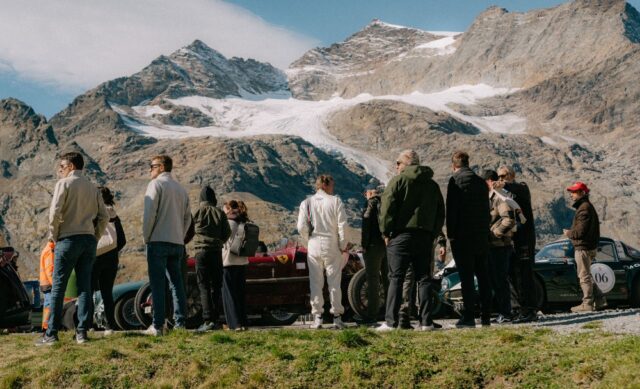
Historic racing machinery returned to the Swiss Alps from September 11-13 for the 2026 Bernina Gran Turismo, which brought together around 70 cars spanning the pre-war period to more recent competition machinery.
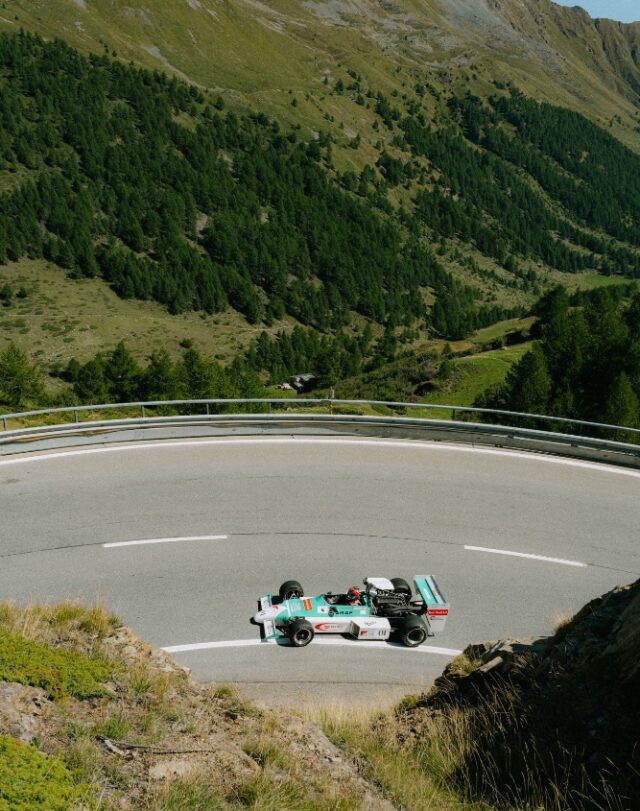
The event followed the mountain road from La Rösa to Ospizio Bernina, climbing approximately 450 metres through more than 50 bends to a finish around 2300 metres above sea level. The modern event, revived in 2015, draws its inspiration from the Bernina hill climbs held in 1929 and 1930, when competitors included Hans Stuck and Louis Chiron.
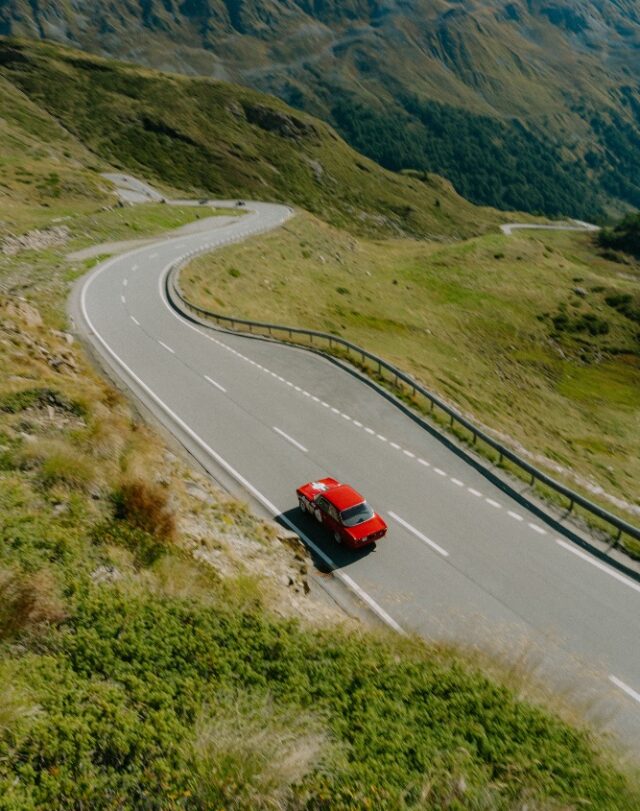
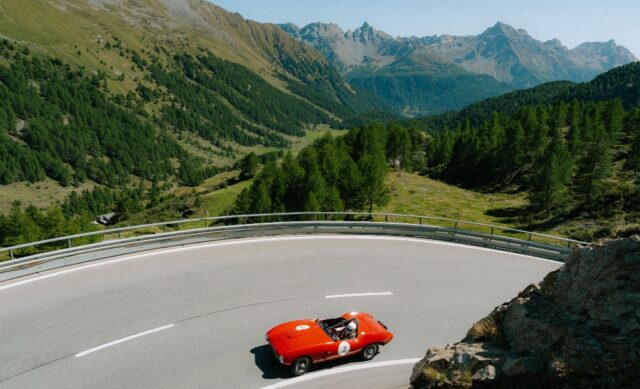
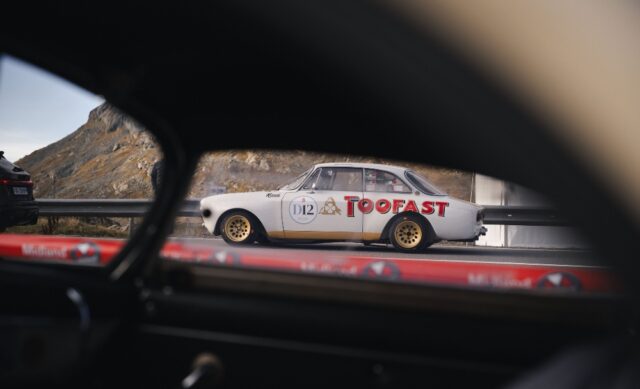
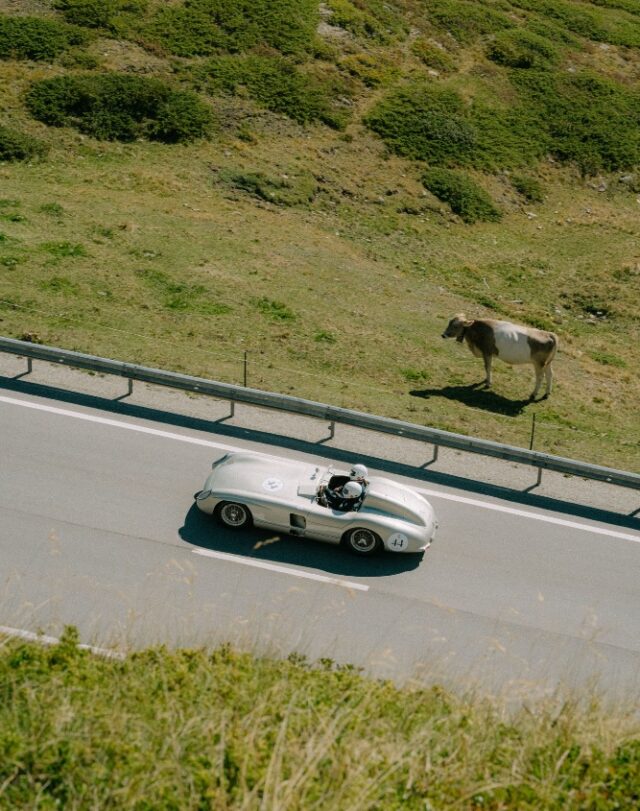
Thomas Amweg set the fastest time of the 2026 meeting aboard his 1976 Amweg AW76. His 3min 12.330sec ascent secured the Formula category, having arrived at Bernina shortly after taking victory at the Arosa ClassicCar hill climb. Philipp Brühwiler headed the closed-wheel Competition category in a 1968 Chevron B8 GT, recording a best run of 3min 20sec. The Chevron was among several cars making their Bernina debuts, alongside machinery including a 1955 Ferrari 250 GT, 1965 Ferrari 275 GTB Alloy, 1975 Datsun 280Z, 1931 Riley TT Sprite, 1982 Renault 5 Turbo, 1965 Alfa Romeo Giulia TZ1 and 1974 Lancia Stratos Group 4.
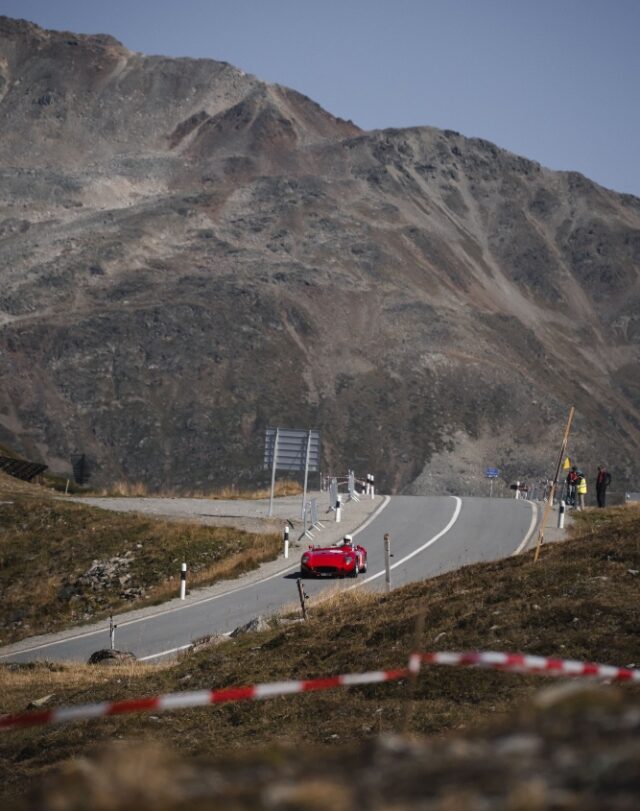
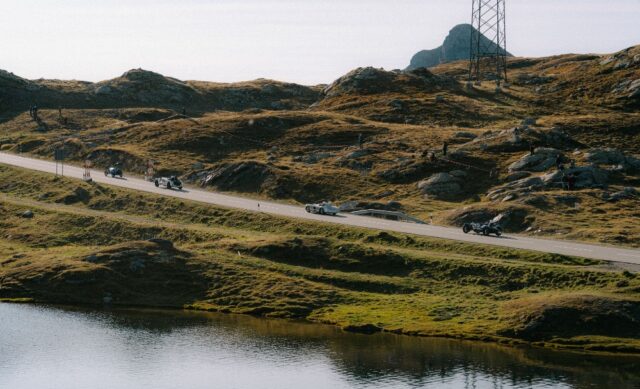
Oli Stastny won the Regularity category in a 1979 De Tomaso Pantera, where consistency against a prescribed time mattered rather than outright speed. Pascal Grisoni and his 1971 Alpine-Renault A110 1600 S received the Trofeo Passo del Bernina. Several discretionary prizes were also presented following the final runs.
Kurt Engelhorn received the Rough Luxe Award, Sharlie Goddard was given the Spirit of Bernina award and Karl Fazer, who had travelled to the event from Sweden, received the Premio Vezzoli. The meeting also incorporated a trial of renewable synthetic fuel supplied by Swiss company Synhelion. Selected cars completed the climb using the fuel, which is intended to operate in existing internal-combustion engines without requiring purpose-built powertrains.
Before the competitive runs began, Magneto caught up with the cars during scrutineering in St Moritz. With everything from inter-war sports cars to Group 4 rally machinery gathered in one place, narrowing the entry down was no simple task – but these were a few of our favourites.
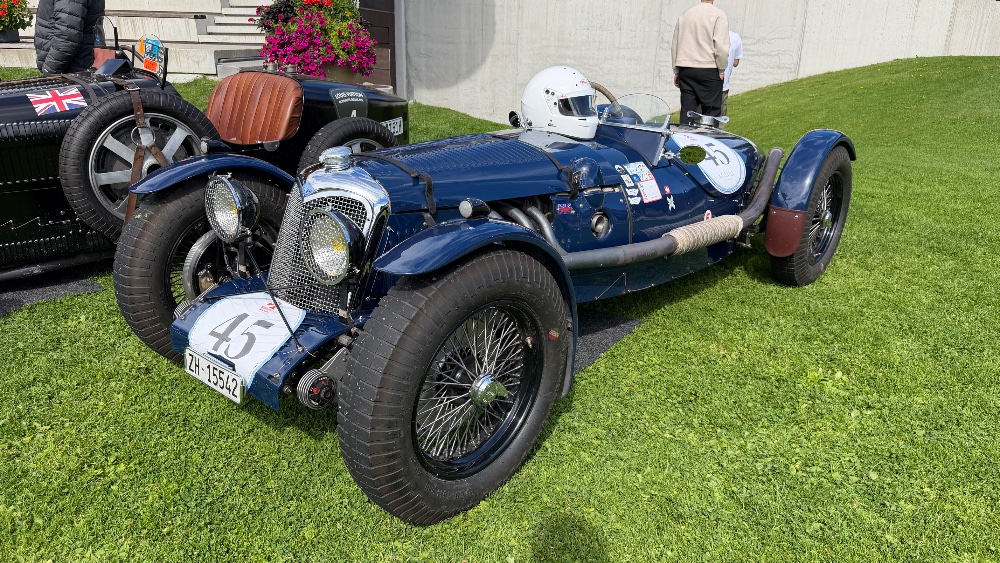
Peter Martin’s 1931 Riley TT Racing Special carries Swiss registration ZH-15542. The compact two-seater appeared at Bernina Gran Turismo as number 45, although its weekend was curtailed by a driveline failure.
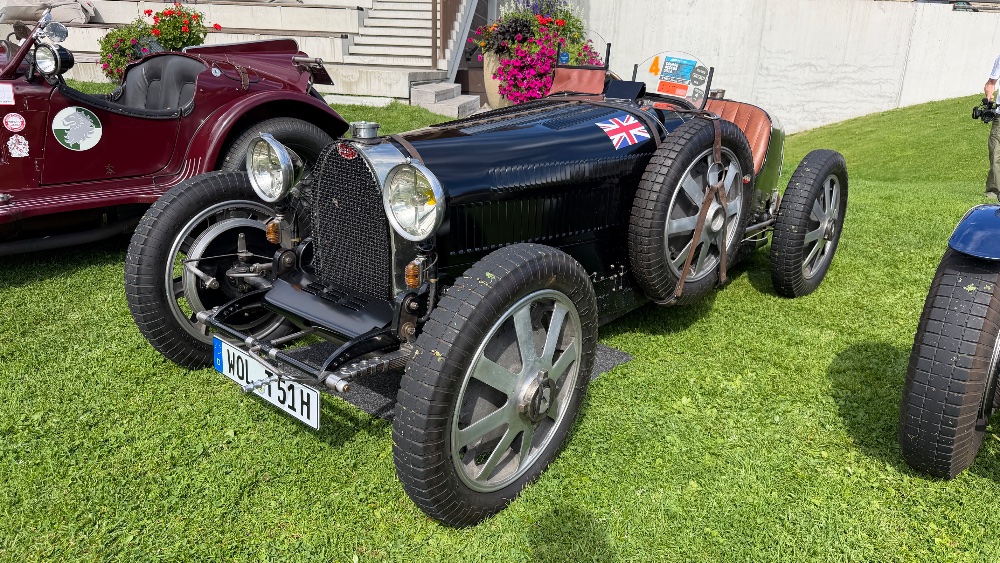
Victoria Dold drove this 1931 Bugatti Type 51 from her family’s collection. The supercharged straight-eight required gearbox work before Bernina Gran Turismo.
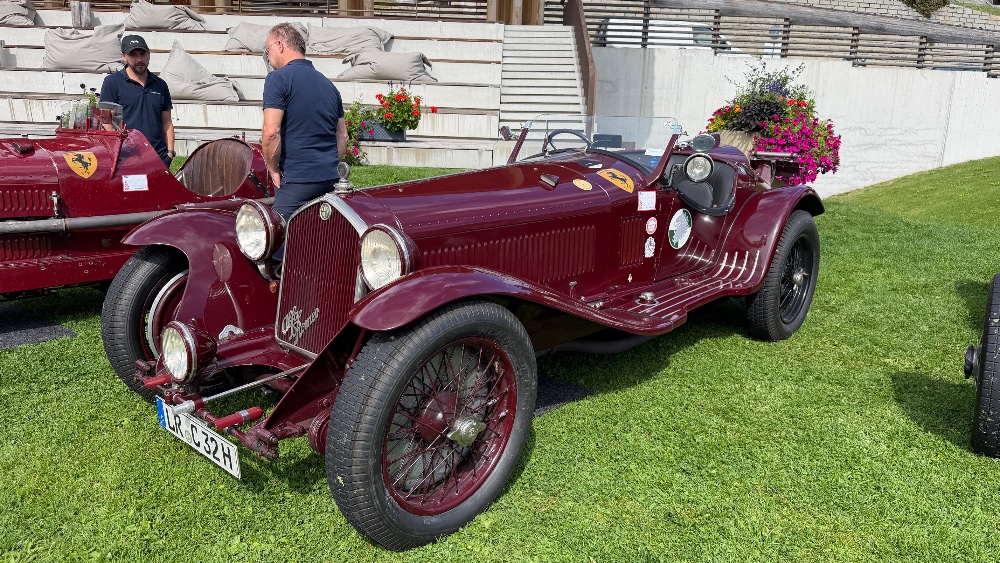
Also belonging to the Dold family, this 1931 Alfa Romeo 8C 2300 Zagato Spider is regularly driven by Victoria Dold and her parents.
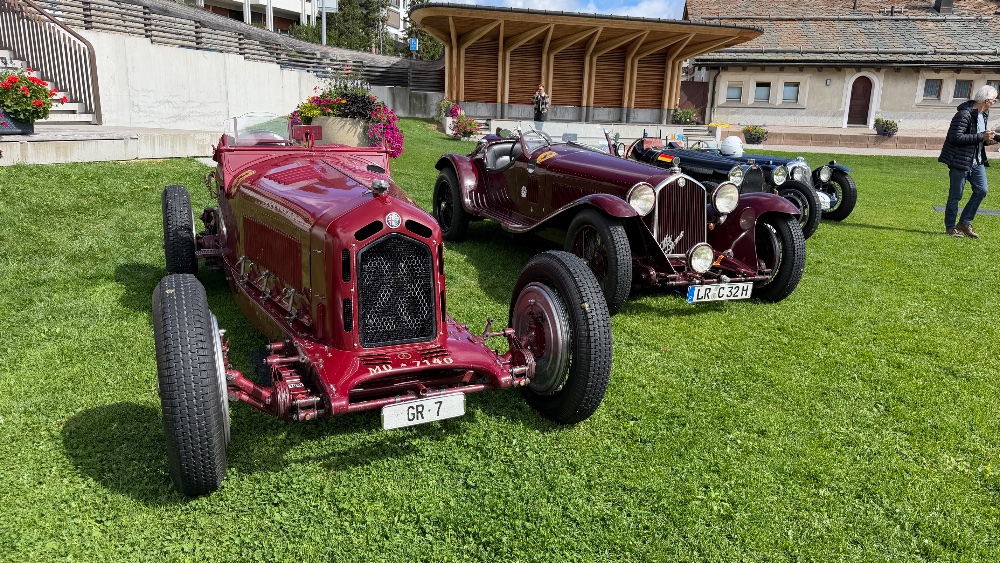
This is a 1932 Alfa Romeo 8C 2300 Monza, chassis 2211120, supplied to Scuderia Ferrari in 1932 and subsequently known as SF28. Tazio Nuvolari led the 1933 Monaco Grand Prix in it before retiring on the final lap, while Antonio Brivio used it to win that year’s Swedish Grand Prix. It later contested the 1934 Mille Miglia, raced in South Africa and was badly damaged at Kyalami in 1968. Now part of Fritz Burkard’s Pearl Collection, it retains its original Brianza body and adjustable hydraulic dampers fitted by Scuderia Ferrari.
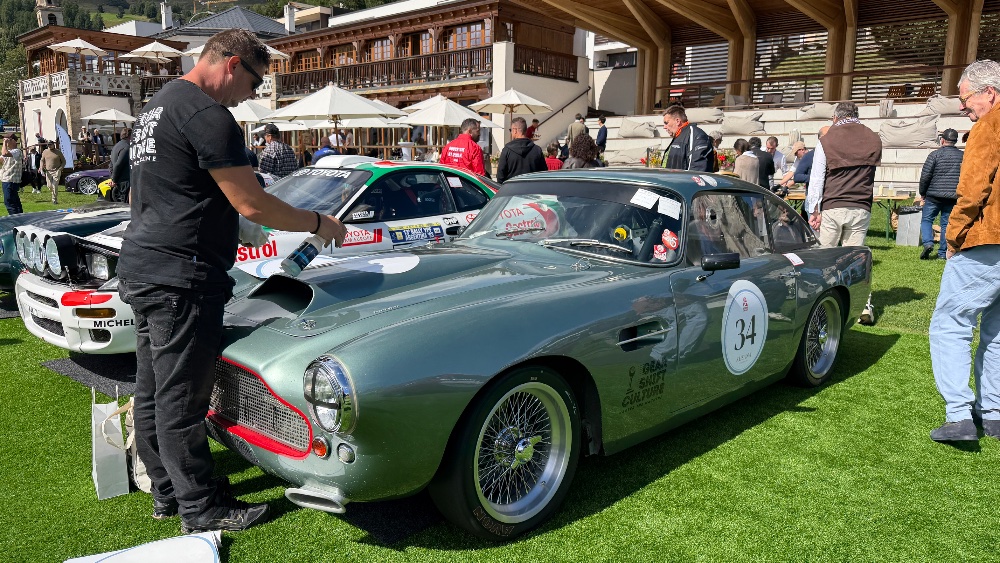
Serge Endres’s DB4 Competition Lightweight is not a factory Aston Martin DB4 GT, but a purpose-built competition interpretation of the standard car. Its Superleggera aluminium panels were remade in thinner material, helping to bring the weight below 1000kg, while its extensively developed straight-six produces more than 400bhp.
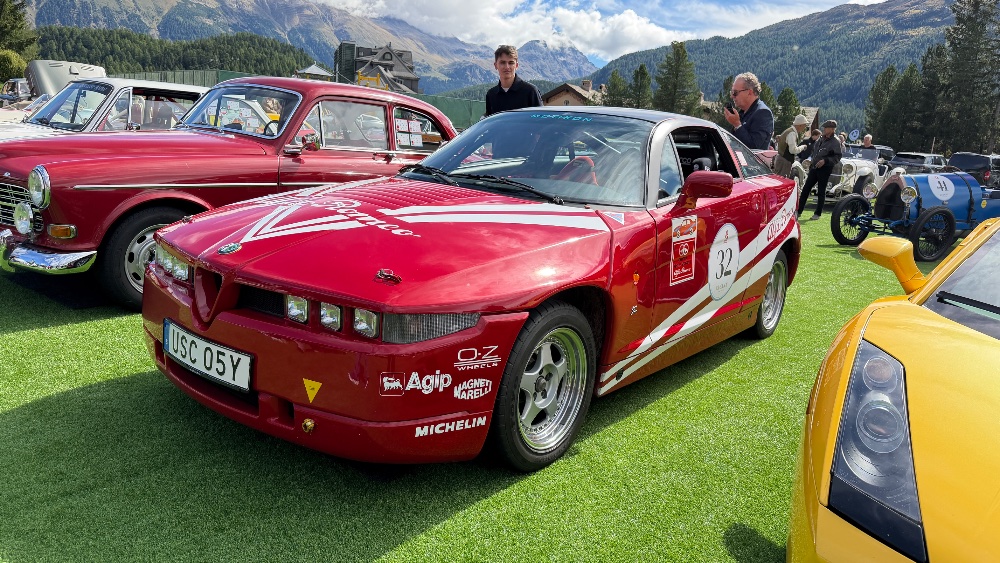
Johan Bonnier brought this 1993 Alfa Romeo SZ Trofeo from Sweden for his fifth appearance at Bernina Gran Turismo. Bonnier has previously demonstrated considerable pace at the event, finishing third-fastest overall in a Group N Nissan Skyline in 2022.
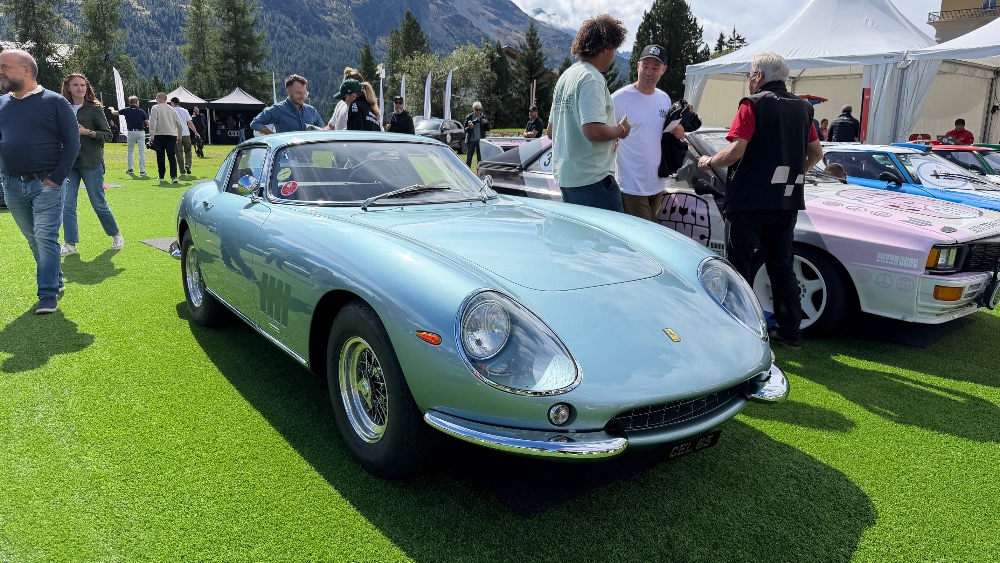
Katarina Kyvalova’s 1965 Ferrari 275 GTB combines long-nose bodywork with lightweight aluminium construction, identifiable by the exposed joining work around its windscreen pillars. Finished in Blu Celeste and registered CEL 65, the car has previously appeared in Kyvalova’s film To Drive, is to Feel.
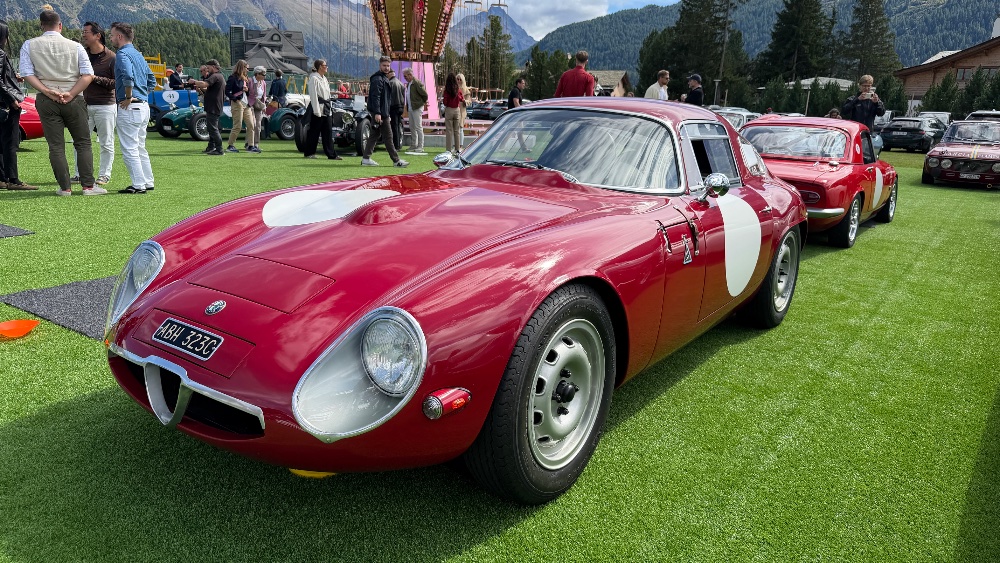
Finally, it was hard to ignore this 1965 Alfa Romeo Giulia TZ. Completed on March 9, 1965, chassis AR10511 750085 began life with a twin-ignition engine and Italian registration UD 110790. Jean Rolland entered it in that year’s Coupe des Alpes, before Aldo Bardelli acquired it in 1966 and campaigned it extensively in Italian hill climbs. It remained with Armando Ciuffi from 1971 until 1989 and later returned to competition at the Le Mans Classic, Spa Six Hours and Tour Auto.
More details on the Bernina Gran Turismo can be found here.