

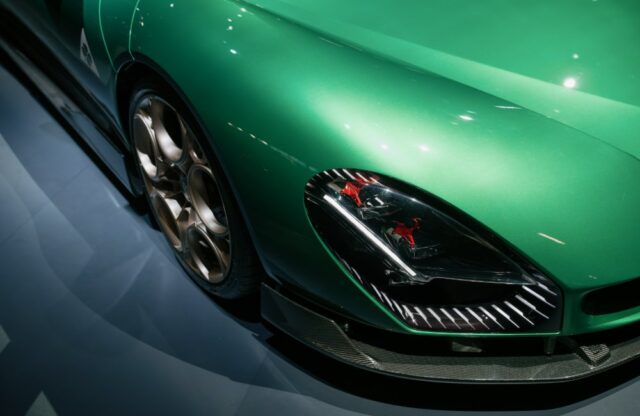
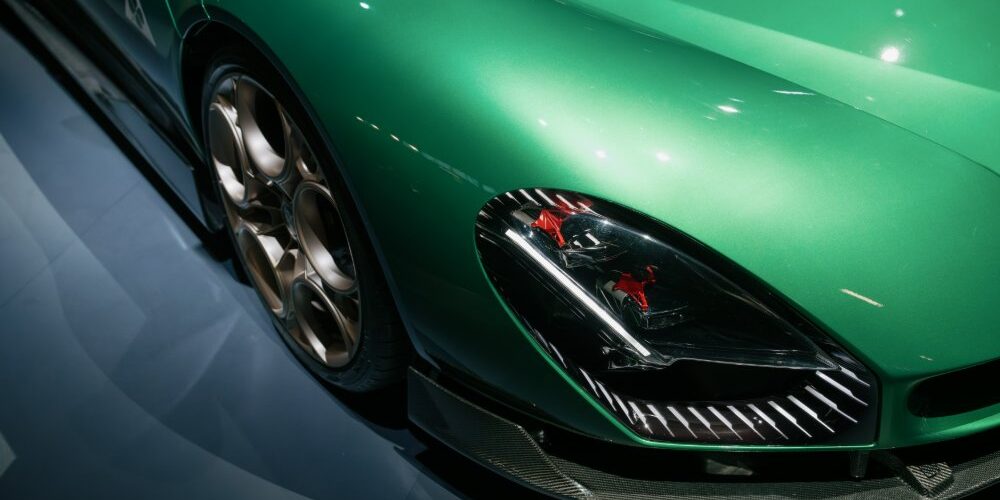
It’s been a tumultuous three years since Magneto last spoke to Alejandro Mesonero-Romanos, the man in charge of Alfa Romeo style. Back then the 33 Stradale was just breaking out into the world, the future for the storied brand was an all-electric line-up and there was entirely different management structure at the top.
Since then the 33 Stradale programme has proven successful, but the old certainties about EV power have been torn up and the Giulia and Stelvio live to fight another day. There’s new management, and Alfa Romeo and Maserati’s specialist departments are being merged together. On the day of our conversation in Paris, a new European trade route to India had been opened up, too. For the head of design at a brand known for its style, it’s a big challenge.
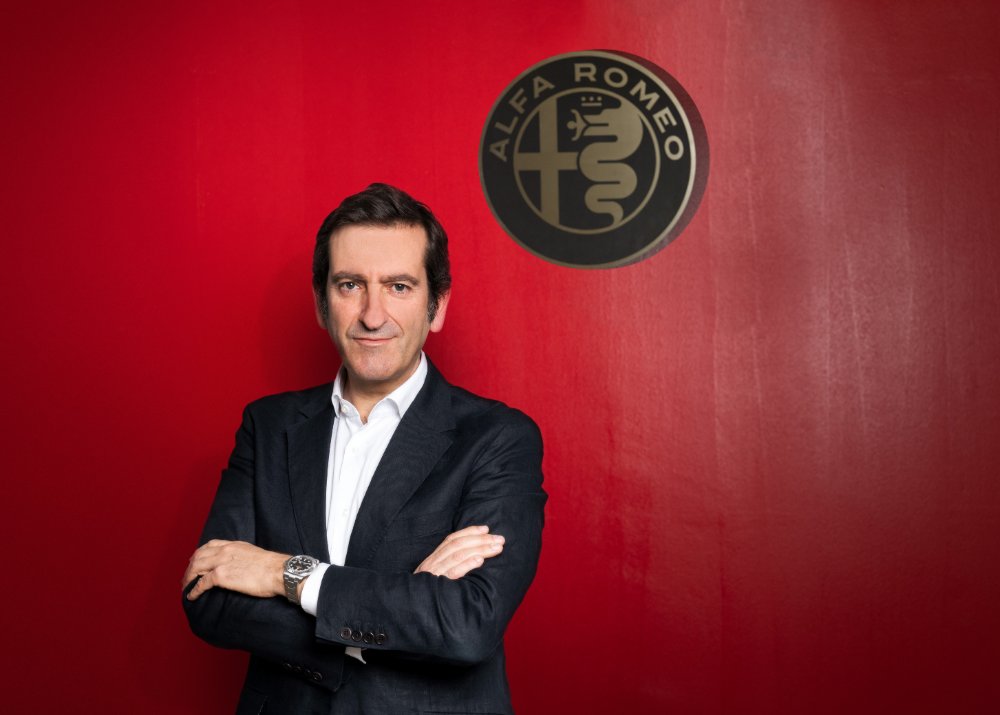
It’s all part of the job, as Alejandro explains of Alfa Romeo style. “It’s no secret that everything in the industry is moving at the moment because of regulations, so we are adapting. The good thing about Alfa — and perhaps others as well – is that we are relatively small and can move quickly,” he reflects. “For us it’s business as usual, although with more work than usual. Obviously I cannot tell you exactly which direction we are moving in, otherwise I would lose my job. But we are adapting to the new times, as everyone has to. So it’s a busy time – very busy – but that’s also good.”
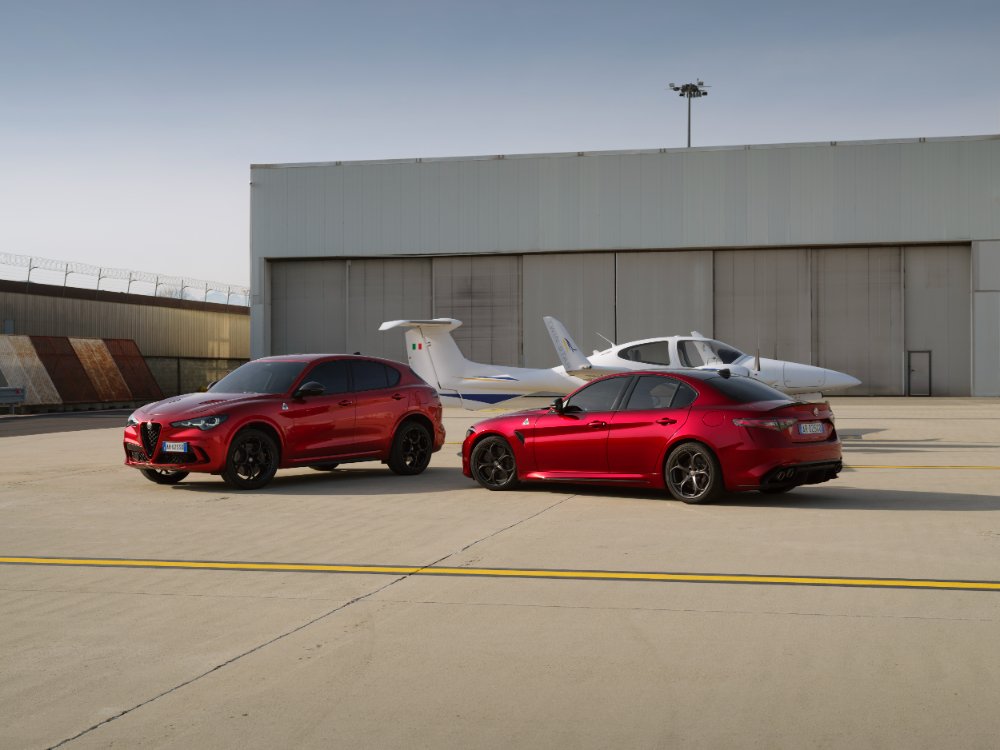
The return of the Stelvio and Giulia to production has been welcomed by enthusiasts, but it has reignited the clamour for more overtly sporting cars in line with the company’s history. While Alejandro understands this, he illustrates some realities.
“One of the beauties of Alfa Romeo is that we have so many cars in our history that we can draw inspiration from. At the same time we also have to look at what exists within the group – platforms, engines and other technical possibilities,” he explains. “So when we develop a car it’s always a balance between what we want to do as Alfa Romeo and what is available within the group to realise that idea. The only thing I can say is that the next car will not be something completely different from what we are doing now [with the 33 Stradale] – but it will be exciting.”
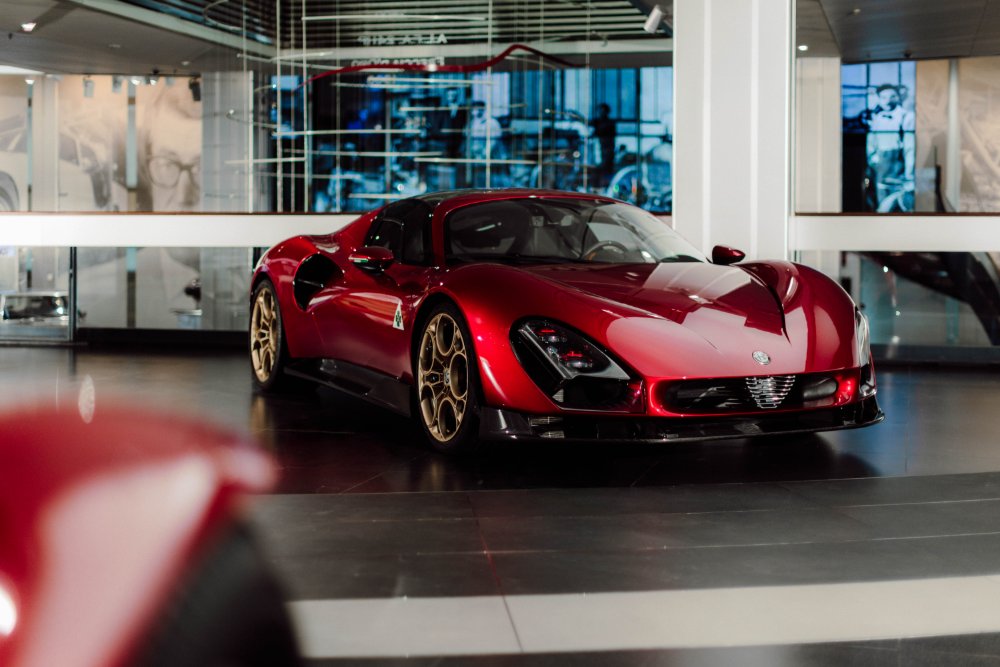
The 33 Stradale project came together in very short order; now with BottegaFuoriserie under way and experienced gained in the bespoke car space, the next project will be much smoother. “One advantage with the next project is that we have more time. With the 33 Stradale, we had a very small team and a very short timeframe. It was almost a one-shot project, and we were fortunate that everything came together very well,” Alejandro says. “This time we have a bit more time and a stronger team, so we have a better foundation for the next project – and we can enjoy the process more.”
Other than the 33 Stradale and the Giulia, the current Alfa Romeo line-up is dominated by SUVs and crossovers. It begs the question whether Alejandro’s design team can still experiment with coupés and spiders, even if there’s no immediate production case. “This is one of the big questions today. There is often a difference between what people say they want and what they actually buy,” Alejandro says. “Many people say they love sports cars or low, elegant cars, but when they go to buy something they choose SUVs or crossovers. These cars offer a higher driving position, a feeling of safety, practicality and versatility.
“As a result, there is less space in the market for traditional low cars such as hatchbacks or sedans, which some people now perceive as outdated. Yet whenever people see a beautiful low sports car they still react emotionally to it. There is a tension between rational purchasing decisions and emotional desire. For Alfa Romeo we obviously build SUVs because the market demands them, but we also want cars that are aerodynamic, lower and sportier, with a strong stance.”
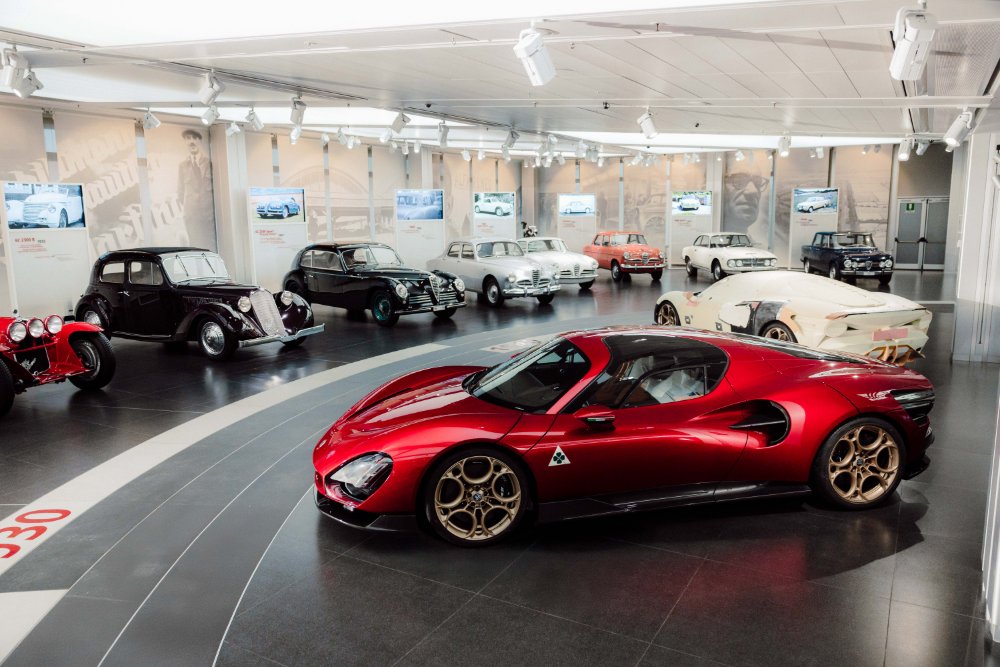
Although Alfa Romeo’s sales have been improving of late, it’s still a fraction of the numbers sold by its traditional rivals. Given the success of the 33 Stradale, it does beg the question whether there’s a future for Alfa as a mainstream brand; could it follow Jaguar’s path? Alejandro looks to the history of Alfa Romeo style, and believes the company can do both.
“Before World War Two we produced very exclusive and luxurious cars that competed with the best in the world. But in the 1960s and 1970s we also produced cars that were sporty and distinctive while still relatively accessible. So for Alfa Romeo many things are possible. We are not Maserati – for example, Maserati would not produce a small C-segment SUV – but Alfa Romeo can operate across several segments,” he says.
“We are already doing that. We have cars such as the Junior, which is performing very well in the market, and at the same time projects such as the 33 Stradale. For Alfa Romeo the key principle is that whatever segment we enter, the car should be the most sporty and emotional in that category. If we make a small SUV or any other type of car, it still has to express sportiness and emotion.”
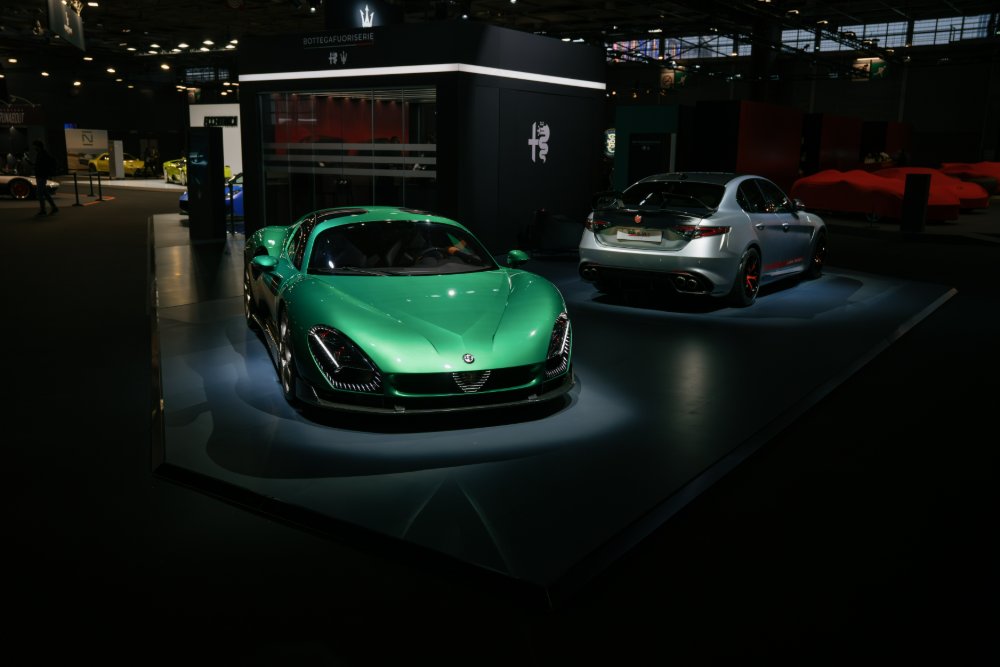
That space also allows Alejandro to reflect on wider themes within automotive design. This year, BMW and Audi are overhauling their design language in a major way. He sees this, and the wider car design world, as a general reset. “Designers have realised there has been a tendency to overload cars with too many stylistic elements,” he says. “Part of the reason is that many manufacturers have been applying similar design recipes – especially because there are fewer mechanical constraints now. As a result, many cars have become visually overcharged.”
He sees the design reset as a reaction to that. “Designers are stepping back and simplifying. You can see this in different ways across the industry – with BMW, with Audi, with Jaguar, whether you like their approach or not. There is an intention to rethink things,” he says. “Porsche is also evolving its design direction, and I expect Mercedes will follow. Design always evolves, but if you simply continue evolving without stepping back you eventually reach a point where the design language becomes exhausted. At that moment you need a breakthrough before beginning the next cycle of evolution.”
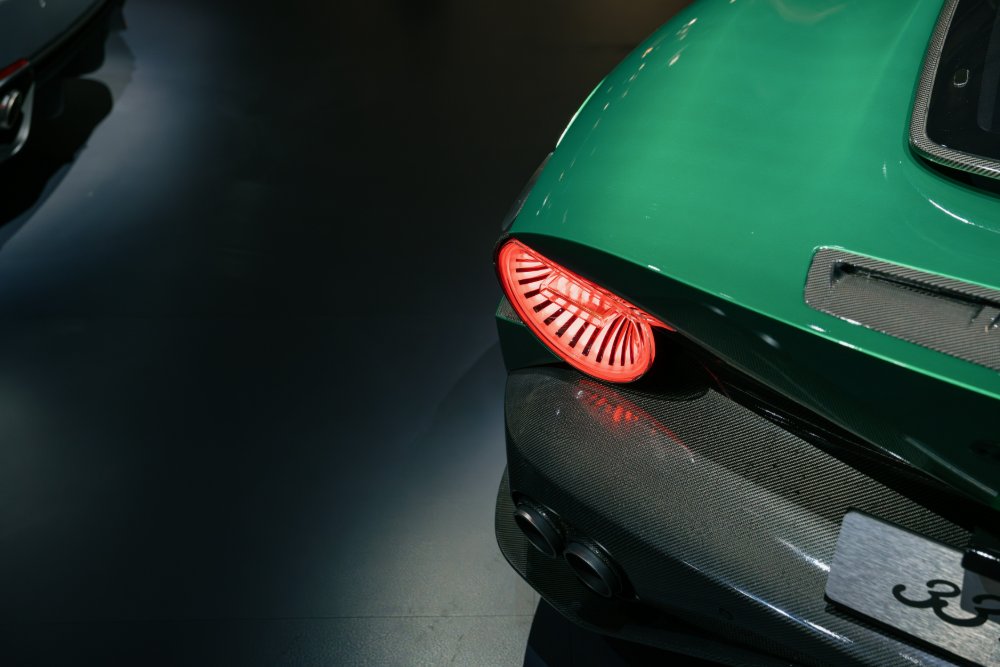
Alejandro expects a lot of new ideas and experimentation over the next few years. “Even within Alfa Romeo style we are reconsidering how best to express sportiness and develop our own design language,” he says. “The risk, however, comes from public opinion. Social media tends to reduce everything to a quick thumbs up or thumbs down. That can make companies hesitant to attempt something truly bold, because they fear immediate rejection.”
The toxicity of social media has been well reported in Formula 1, and it only takes a cursory look at new car reveals to reveal a similar cauldron of negativity. It’s something that Alejandro keeps some distance from. “Of course I like to see what is happening in the world, because designers need input – not just from cars but from architecture, fashion, art and other disciplines. But you have to limit how much you absorb, otherwise it becomes overwhelming and can actually block creativity,” he says.
“Today, especially with social media and AI-generated imagery, there is an enormous amount of visual content. You could spend all day looking at images and still feel like everything has already been done. But often those images are more about style than real design – they are not always strong ideas. So I try to protect myself a little from that – too many images can make your brain feel overloaded. It’s important to leave space for imagination.”
More information on Alfa Romeo can be found here.