



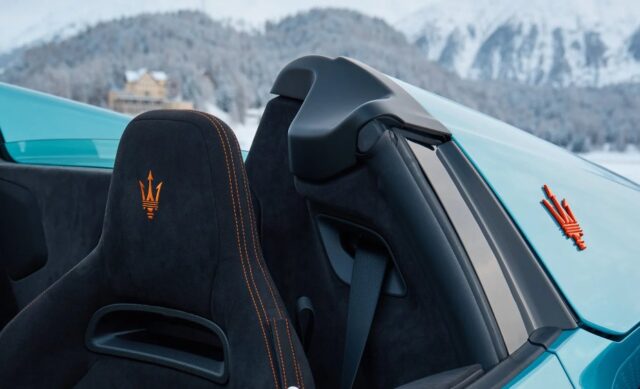
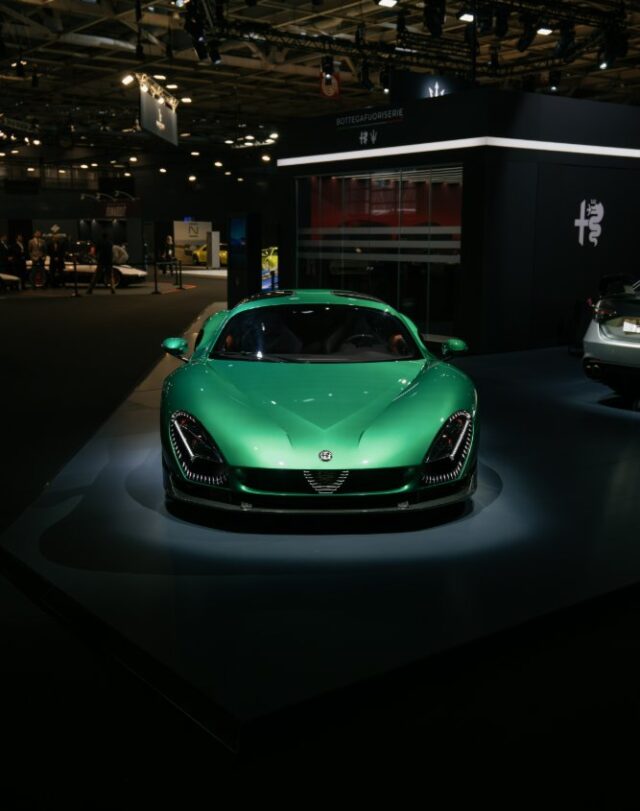
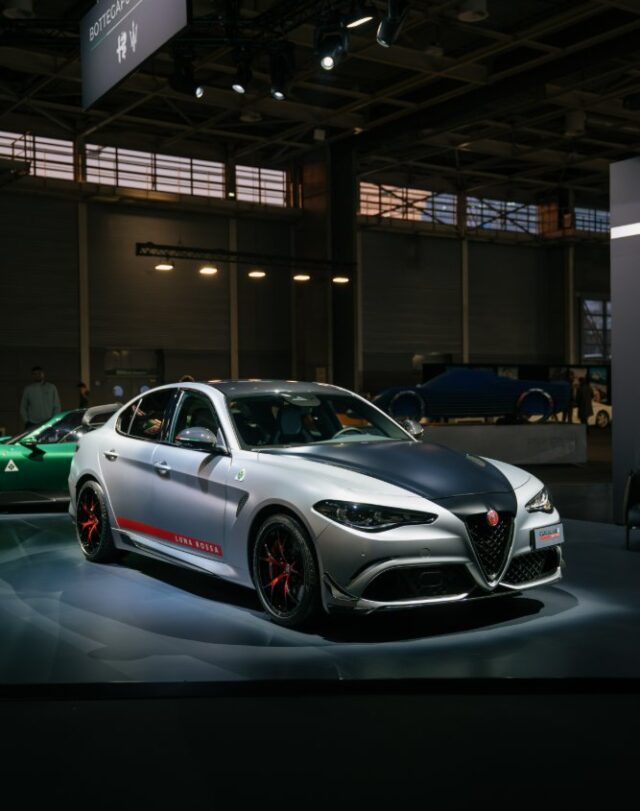
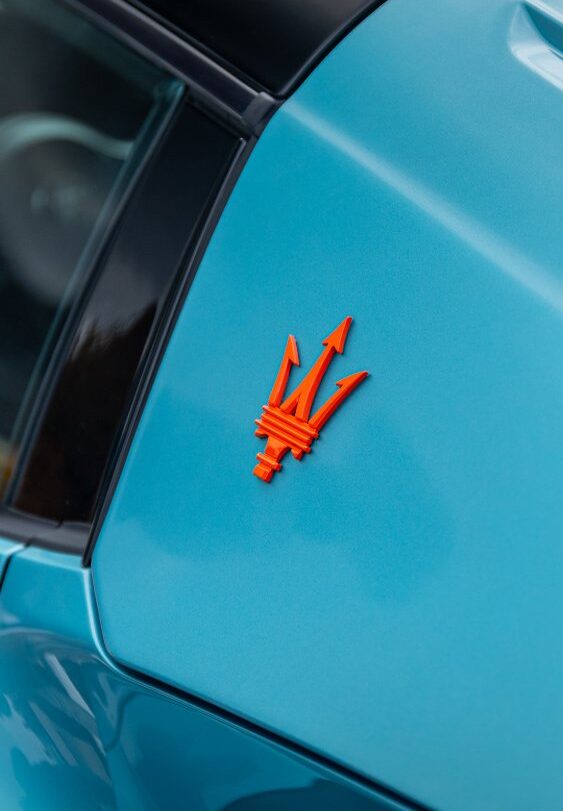
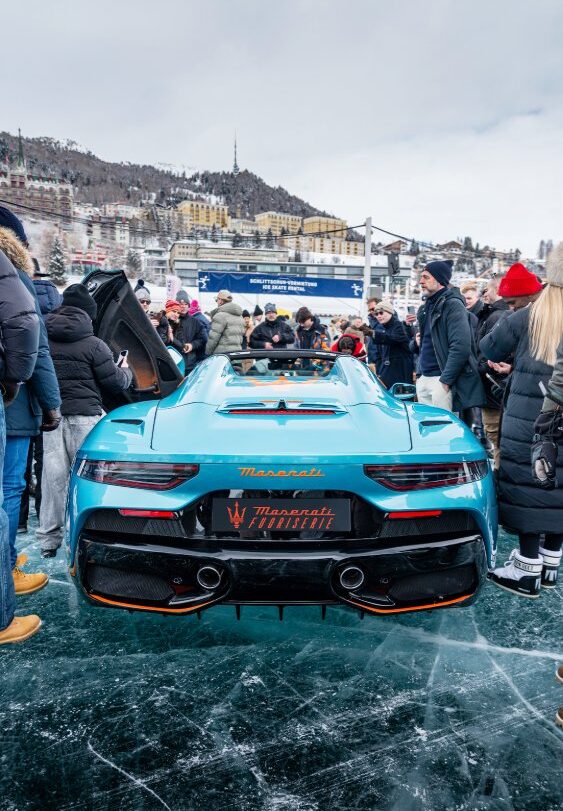
It has been a busy time of late for the BottegaFuoriserie arm of the Stellantis empire that’s dedicated to the special ops departments of Alfa Romeo and Maserati. In addition to a large presence at Rétromobile Paris (you can read our interview with the head of Bottega, Camilla Rostagno, here), it revealed the latest Maserati Fuoriserie creation at ICE St Moritz – the MCPura Cielo Frozen Magma, which was delivered to its new owner. In Paris, we spoke to Rosella Gruasco, head of colour and materials at Stellantis Design in Europe, about how the nature of material finishes is changing.
This is a critical area for Stellantis, and particularly for its upmarket brands. Of late, road testers have complained about the material quality in Alfa Romeos and Maseratis compared to their list prices – and previous chats with insiders from both companies have suggested that the blame could be laid at previous, extremely senior, management.
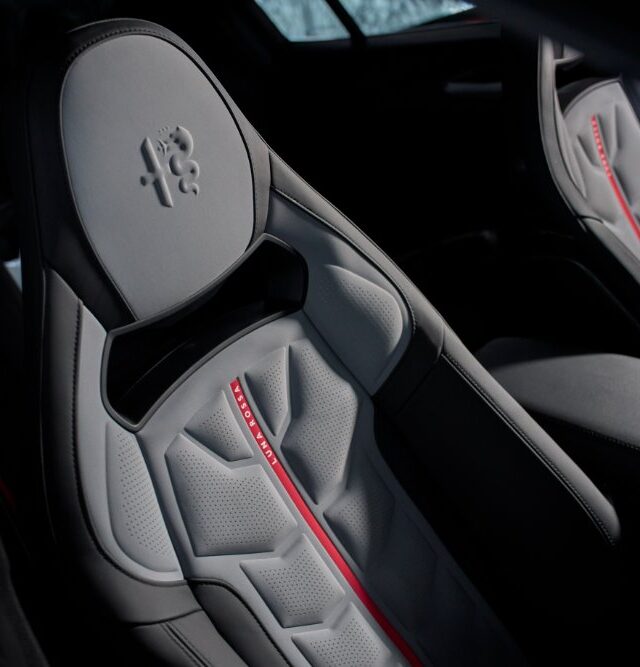
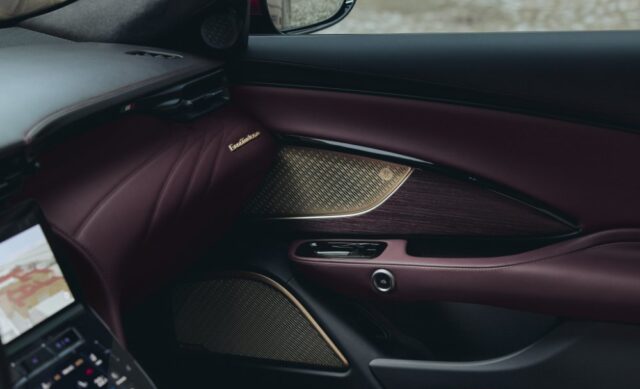
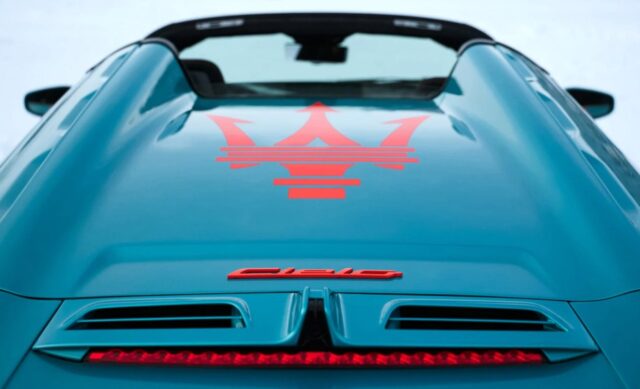
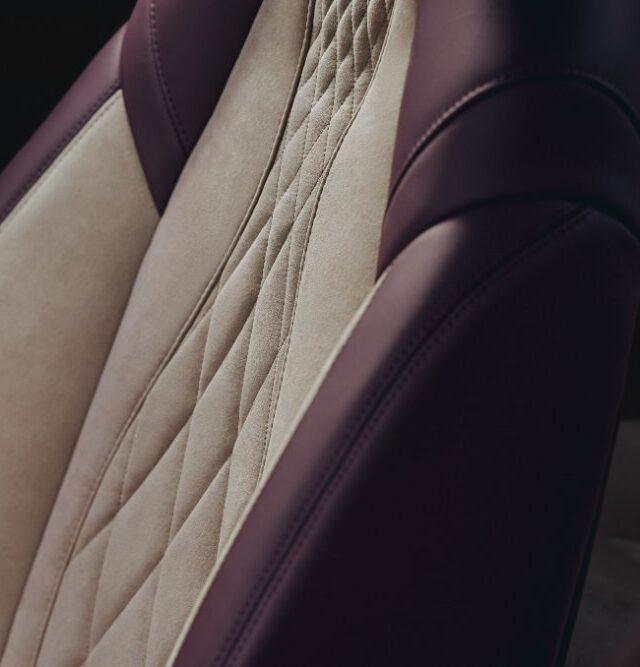
However, as we found during the Meccanica Lirica event last autumn, Maserati and, by extension, Alfa Romeo are redressing the balance, particularly through the Fuoriserie programme. “Independently of management changes within Maserati, we have always continued to push research and experimentation in materials. We never stop researching or feeding new ideas into materials,” Rosella explains. “The main concept behind the brand is to combine craftsmanship with innovation and technology. We have defined Maserati’s materials research through a key phrase, which is crafting engineering.”
That process means scouring Italy’s network of craftsmen and women. “We have so much inspiration and so many different realities, with the most innovative technologies we have – including additive manufacturing – it is a continuous blending of two apparently opposite approaches to materials. In the end, this reflects the direction of the brand: the stories, the past and tradition, but at the same time the future and performance.”
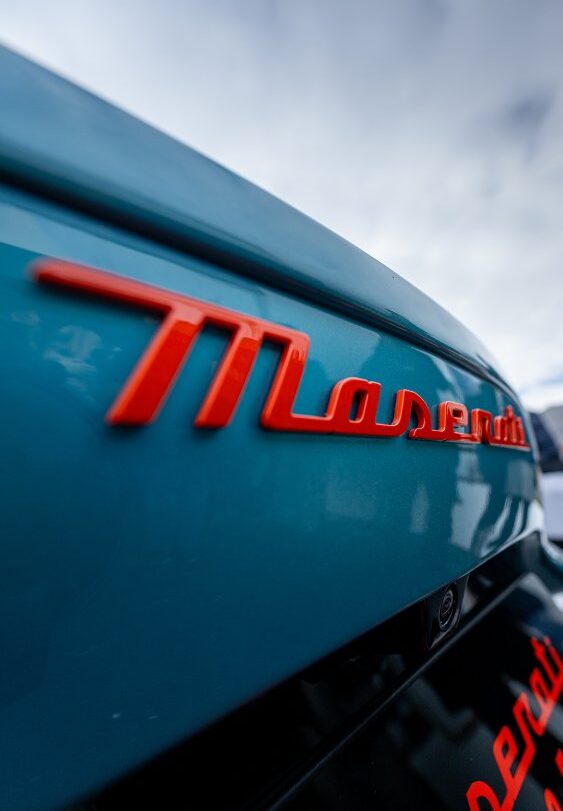
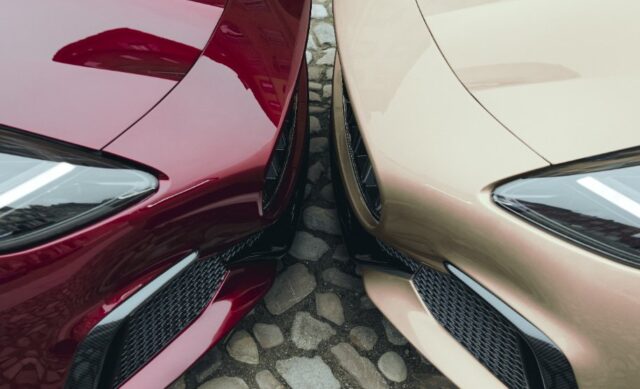

For many luxury brands, the nature of tastes have changed significantly over the past decade – it’s hard to imagine the Black Badge concept adorning Rolls-Royces as recently as the early 2000s. However, Rosella’s experience at Alfa Romeo and Maserati is one of soft evolution, rather than revolution. “It is a gradual change. We are influenced more and more by a global design perspective, because we propose our taste to customers worldwide in a global way,” she says. “We take influences from sustainability – environmental awareness is a key topic, even if it is not always easy to combine with luxury. But it is an area of expansion.”
New technologies are also playing a part. “We are always looking at new pigments, new treatments and new processes,” Rosella says. “The materials world today is changing through these two aspects, and we aim to evolve without losing our DNA.”

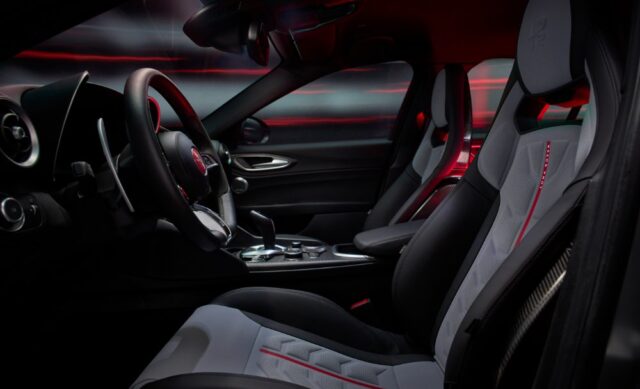
Despite the pace of technological change, safety remains paramount. “We cannot compromise safety specifications. When it comes to ergonomics, the instrument panel influences usability more than safety systems such as airbag deployment,” she says. “We can open possibilities there. Light colours may not be suitable for series production, but for personalisation they are possible. We aim to find compromises that preserve safety while enhancing creativity.”
Testing plays a huge role in what finally makes it onto a customised car. “Automotive is one of the most rigorous industries, and ultimately this guarantees quality for the customer, sometimes even excessively so, because it can limit creativity,” Rosella explains. “That is why customisation programmes exist. We balance creativity and customer desire with technical requirements. There is strong collaboration with the engineering teams to adapt processes and specifications, and we work very closely with them.”
Although she won’t be drawn on her favourite material to work with, she does have a technology that she finds inspirational – laser etching. “It can be applied to wood, leather, Alcantara and fabrics to create new aesthetics and narratives. For me, laser etching is one of the most interesting technologies we currently use to customise materials,” she says.
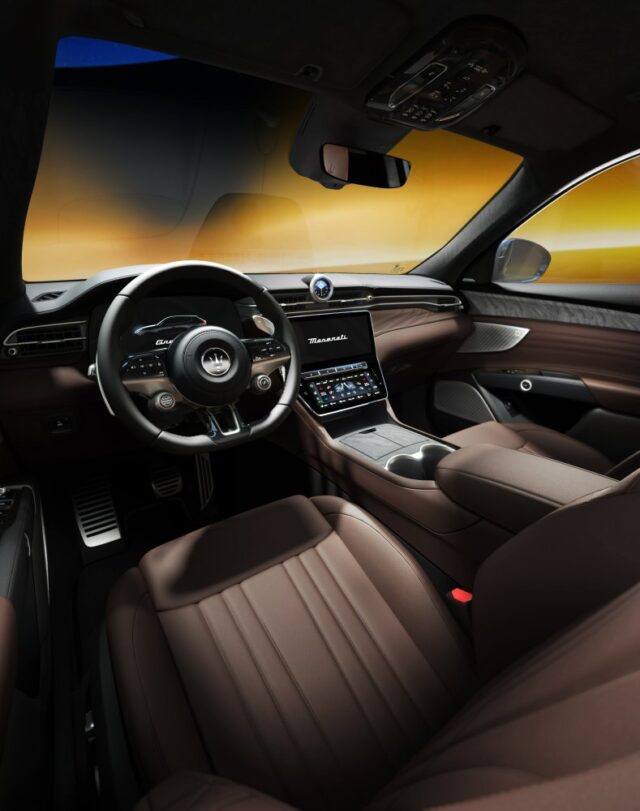
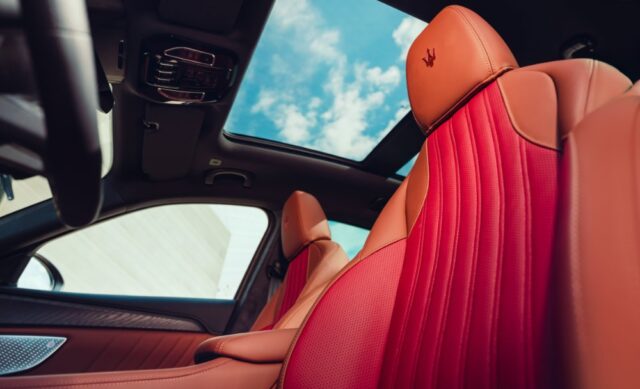

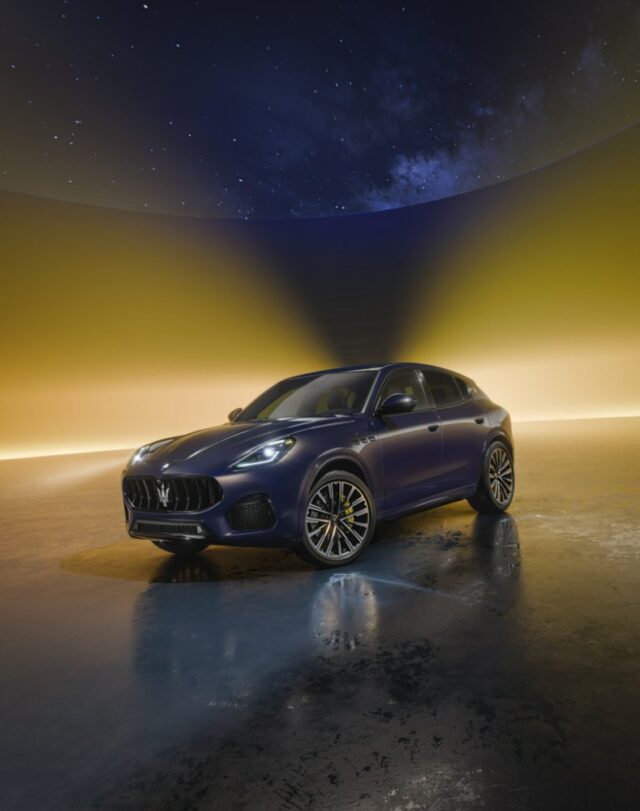
While customisation is seemingly endless, there are also challenges – such as buttons and screens, and other interaction points. “This factor needs to be considered from the very beginning of the car’s design. If we want to customise such elements, the vehicle must be designed with this possibility in mind from the outset,” Rosella explains. “If a car was not designed this way, it can be difficult to intervene later. That is the challenge: designing future models with customisation built into the lifecycle from the start.”
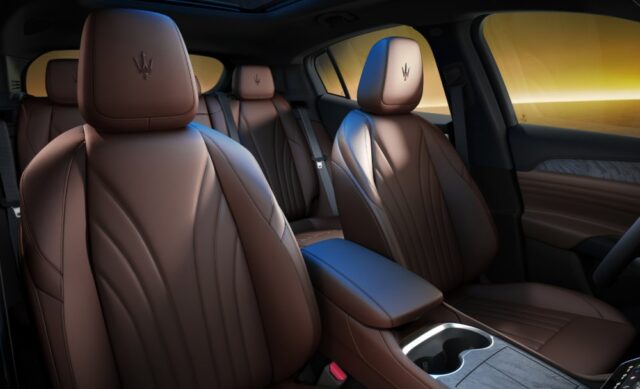
With emergent technology and 3D printing, there are a plethora of options for car interiors. “We want to elevate and evolve the materials we already have, as our palette is already wide,” Rosella says. “However, we need to experiment and evolve the language and narrative of materials. Fabrics are particularly interesting. Leather will always remain important in luxury, but fabrics from other design fields, especially fashion, are developing quickly. They bring warmth and can be more sustainable. There are many possibilities with yarns, structures and combinations to be creative while being more environmentally considerate.”
Rosella says that composites for both the exterior and interior are an interesting field – not only carbonfibre, but natural fibres, too. “We need to approach this maturely and find the right way to integrate them into our brand programmes,” she adds.
Rosella won’t reveal her favourite project, but it’s clear the passion is still there. “I have worked on many projects and I am involved in almost all programmes, so it is hard to choose one,” she chuckles. “However, the Maserati Fuoriserie programme launched in 2020 is particularly meaningful to me, because I was involved from the beginning and know the passion, motivation and storytelling behind it.”
More details on Maserati can be found here.