

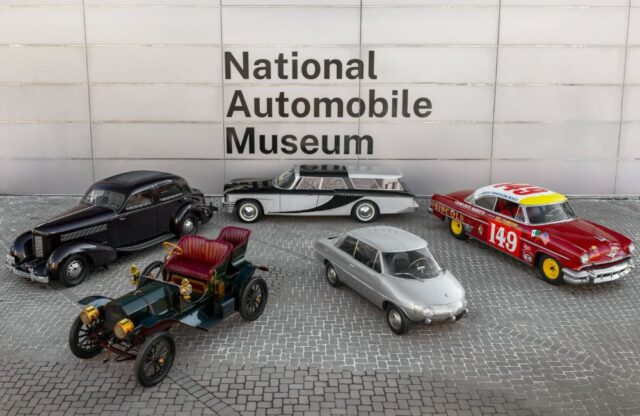
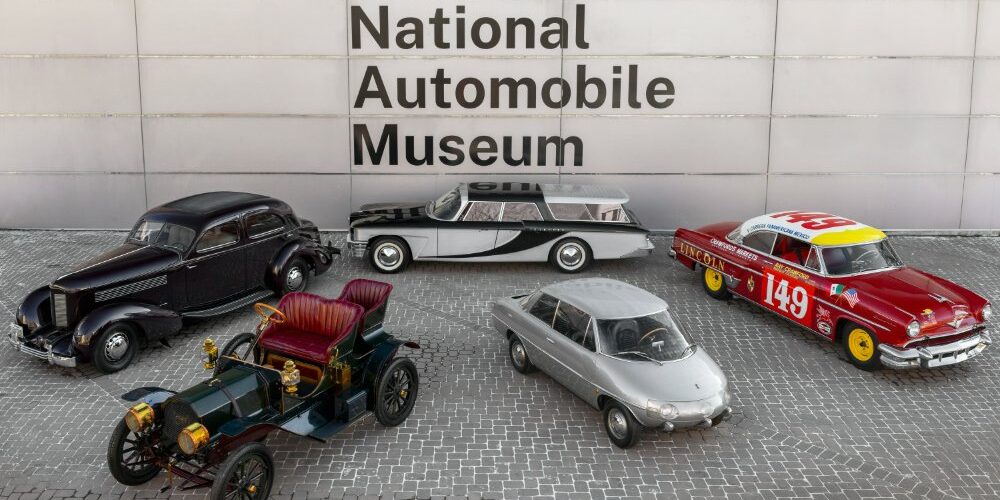
Bonhams is to auction 110 vehicles from the National Automobile Museum in Reno, Nevada, on Saturday June 13, 2026. More than 80 lots are being offered from the original Harrah Collection of limited-production cars and one-off concepts, while a further 30 automobiles are going up for sale from the Minden Automobile Museum in Nebraska.
The National Automobile Museum has recently had a multi-year $4 million renovation, and executive director Phil MacDougall sees this as a streamlining of the collection. “This renovation represents both a renewal of our physical space and a reaffirmation of our mission. Streamlining the collection and expanding our educational and event spaces ensure that we remain one of the premier automobile museums in the world,” he explains. “The deaccession process is part of an ongoing evolution at the Museum, enhancing the visitor experience following the recent renovation. Through this comprehensive modernisation initiative, the Museum has reimagined its galleries to broaden the diversity of the collection and to present larger, more frequent temporary exhibits that engage and resonate with a wide and diverse audience.”
Bill Harrah made his fortune via Harrah’s Hotel and Casino chain in Reno. Born in South Pasadena, California, he moved with his family to Reno as a child. He showed an early interest in mechanics and automobiles, which would later define his collecting passions. Bill entered the gaming industry in the 1930s, initially operating small slot-machine concessions and eventually acquiring full casino licences. By the 1950s and ’60s, he had first established Harrah’s Club, a pioneering casino in Reno, and then expanded his operations across Nevada and beyond.

Having started collecting cars in the 1930s, over the subsequent four decades Harrah amassed a 1400-strong collection of vehicles. It included pre‑ and post‑war American and European cars, with an emphasis on marques such as Ferrari, Alfa Romeo, Packard, Duesenberg, Cadillac, Bugatti and Mercedes‑Benz. Many vehicles were one‑offs, prototypes or exceptionally rare production models, including show cars, concept vehicles and limited-run coachbuilt automobiles. Bill employed a team of mechanics, restorers and drivers to service the collection, and he often drove many of the cars himself.
In addition to production machinery, Harrah collected automotive memorabilia, including vintage motorcycles, petroliana, automotive signage and rare documentation. The collection was housed in multiple locations across Reno, including the Harrah Auto Collection building. After Bill’s death in 1978, the collection remained under the management of his estate. A significant portion was acquired by the National Automobile Museum (also known as the Harrah Collection) in Reno, which opened in 1989.
The Minden Automobile Museum was founded in the 1950s by the late Ted Bacon, a former trustee of the National Automobile Museum, following years spent rescuing unwanted or abandoned motor cars – primarily from the Vintage and Brass Eras – both in the Minden area and across the West Coast region.
Bonhams has announced six cars so far, taken from across both collections. Details on the individual models are scarce so far, but Magneto has been able to pull together some early details on the following lots. No estimates have currently been released, and the cars are all being offered at no reserve.
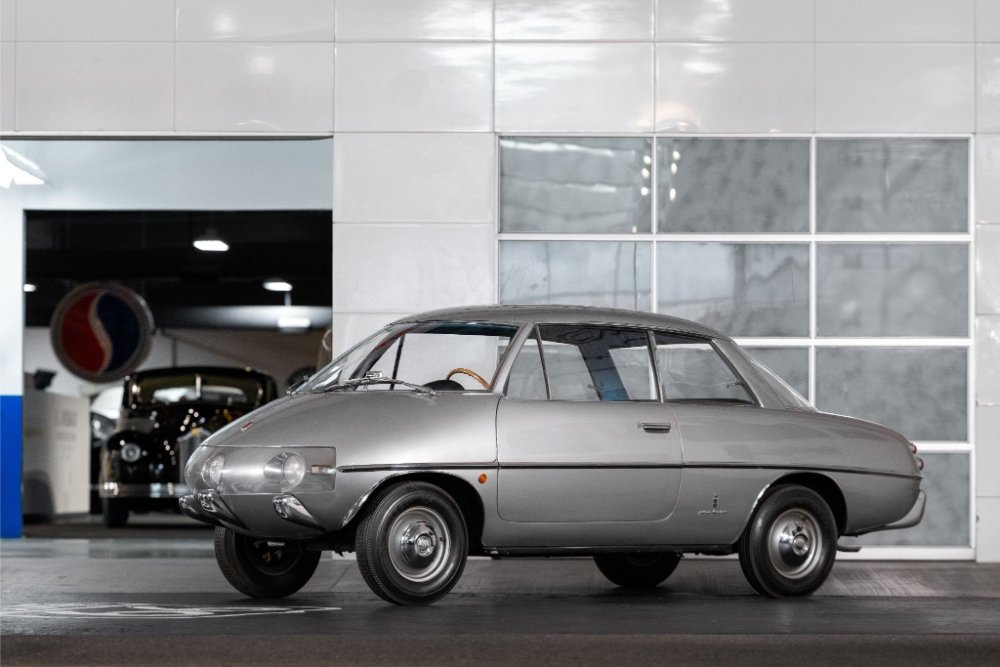
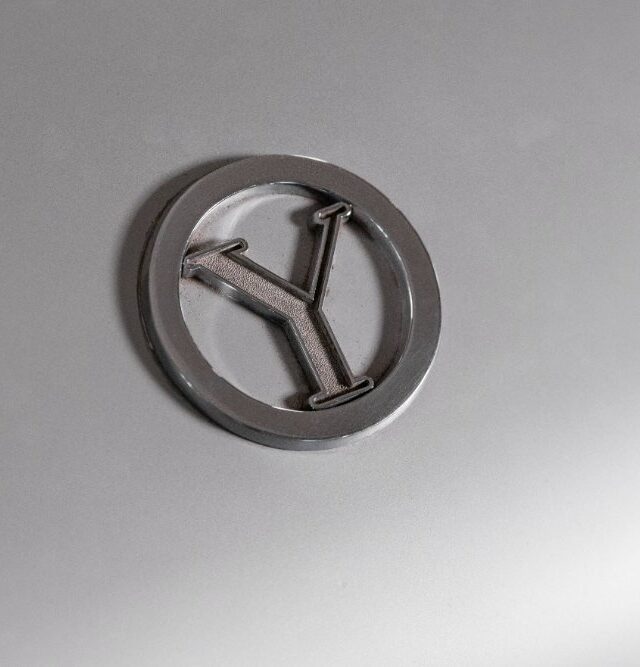
This one-off creation is the 1961 Fiat 600D Model Y. Constructed by Pininfarina as a follow-on from the previous year’s Project X concept, the Y was somewhat more conventional, retaining a standard four-wheel layout and was intended to be a more production-ready study. It’s believed to have been the brainchild of Sergio Pininfarina, son of founder Battista ‘Pinin’ Farina.
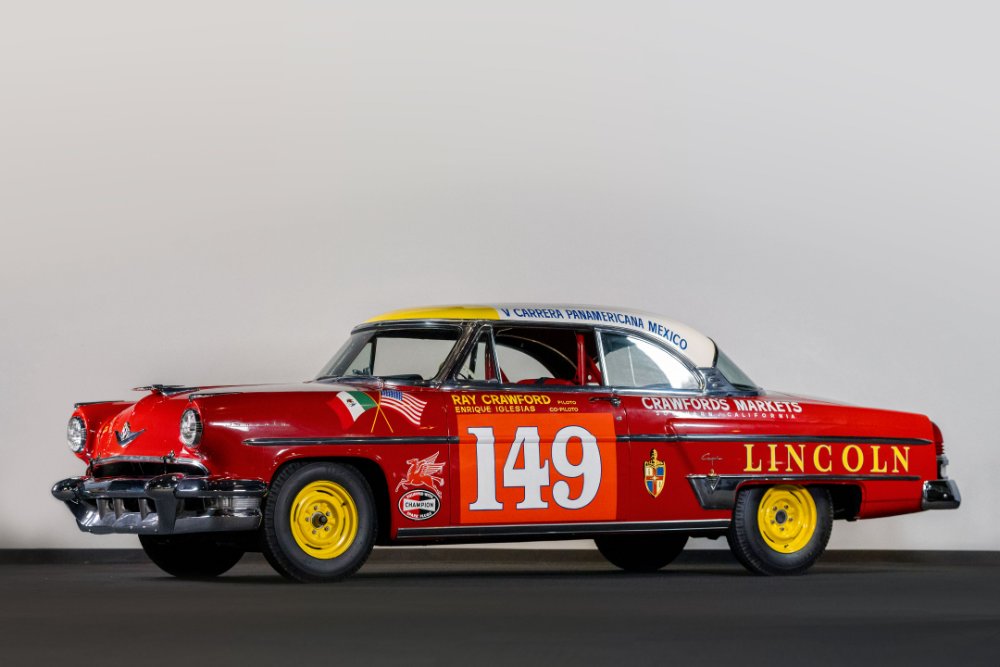
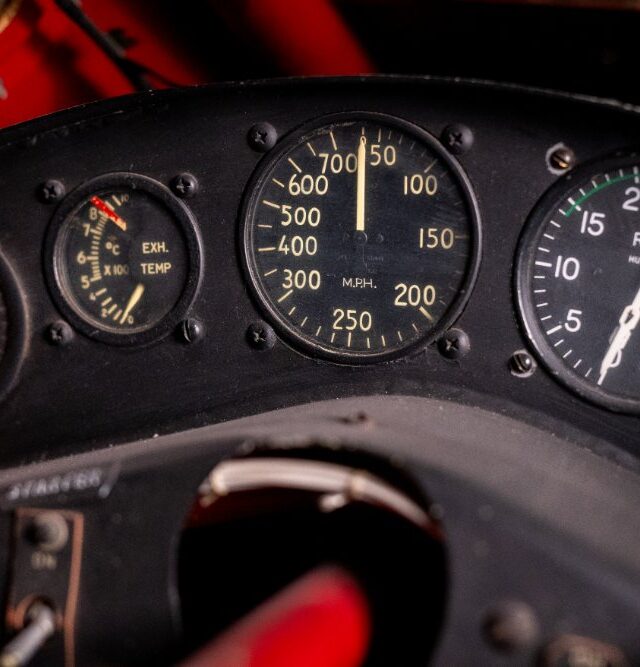
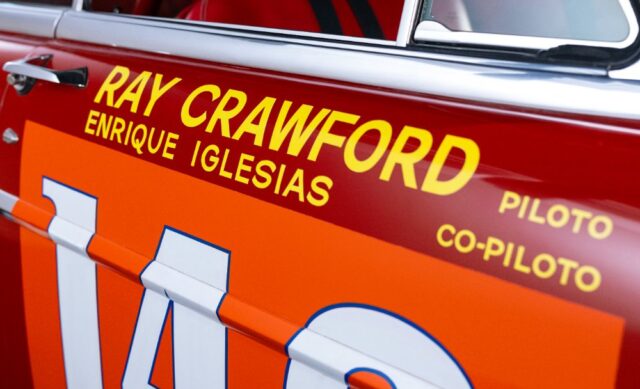
This 1954 Lincoln Capri won the large stock car class and finished ninth overall in the fifth and final running of the Carrera Panamericana that year, with Ray Crawford and Enrique Iglesias on driving duties. The Lincoln achieved an average speed of 92.22mph (148.5km/h) over a total time of 20h 40m19s.
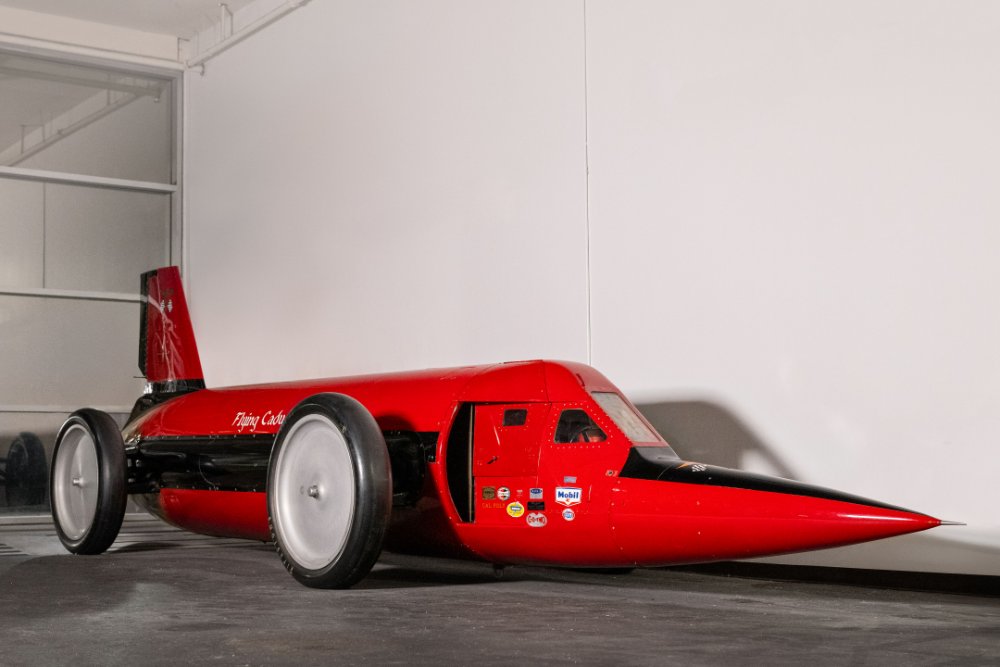
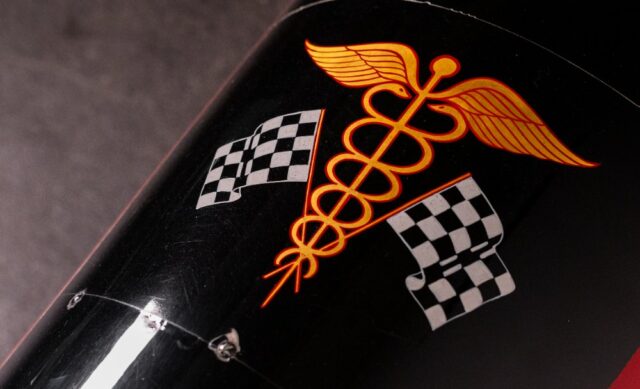
In the early 1960s, as jet propulsion began to capture the imagination of Land Speed Record aspirants, one of the most intriguing and least corporate of these efforts was the Flying Caduceus, a jet-powered car conceived and built by Los Angeles physician Dr Nathan Ostich. Completed in 1960, the Flying Caduceus took its name from the winged medical symbol. It was propelled by a surplus General Electric J47 turbojet engine, an axial-flow unit originally developed for military aircraft, capable of producing thrust equivalent to several thousand horsepower.
The chassis was fabricated from square-section steel tubing, with suspension components adapted from contemporary Chevrolet truck hardware. Firestone supplied solid forged-aluminium wheels shod with specially developed tyres inflated to exceptionally high pressures. Ostich first brought the Flying Caduceus to the Bonneville Salt Flats in 1960, with a notional target of 500mph. Mechanical issues, including fuel-delivery problems and fragile intake ducting, curtailed progress, while steering and directional stability proved persistent concerns. Further attempts in 1962 and 1963 yielded incremental improvements. The highest recorded speed, achieved in 1963, was just under 360mph, accomplished with the engine running below full output.
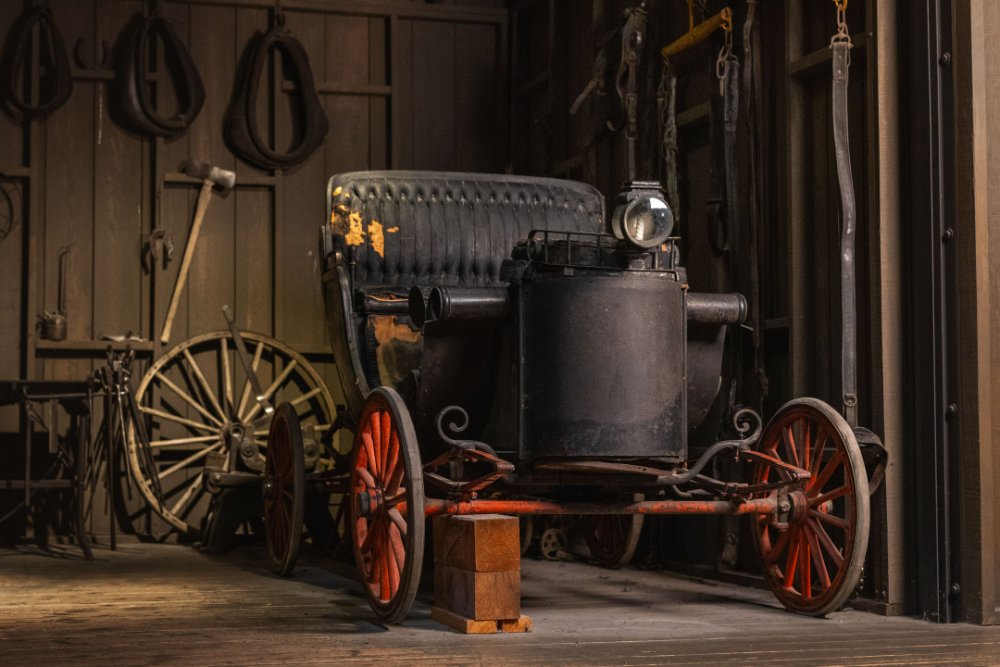
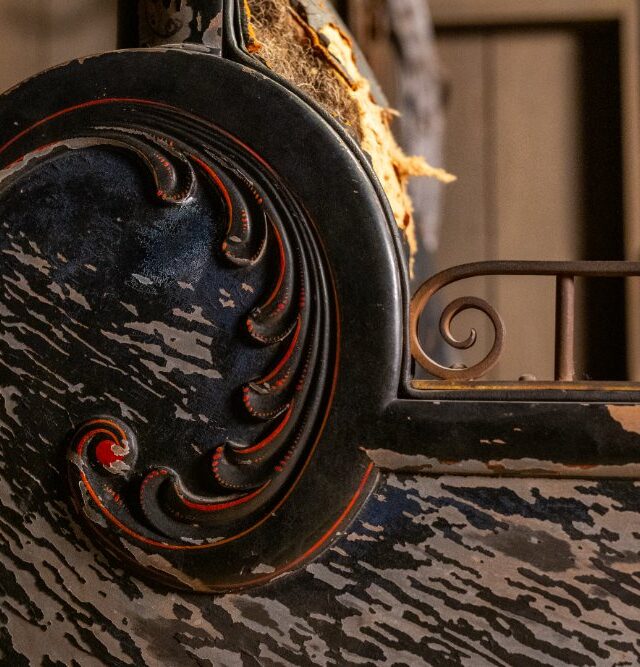
This 1902 Capitol/Steam Prototype Chariot was built by the Capitol Automobile Company of Washington DC. The chassis and prototype were based on work begun as early as 1889 by an engineer named Frank Goodwin, although the vehicle was not completed and marketed until 1902. Powered by a two‑cylinder steam engine, the chariot is reported to have developed approximately six horsepower, driving the rear wheels through a chain‑drive arrangement.
Steam generation came from a large boiler, reportedly capable of developing 160psi of pressure supplied from a 34‑gallon water tank. It had three-abreast seating and space for a fourth person at the front over the boiler (which may have been a bit warm), but it did not enter series production.
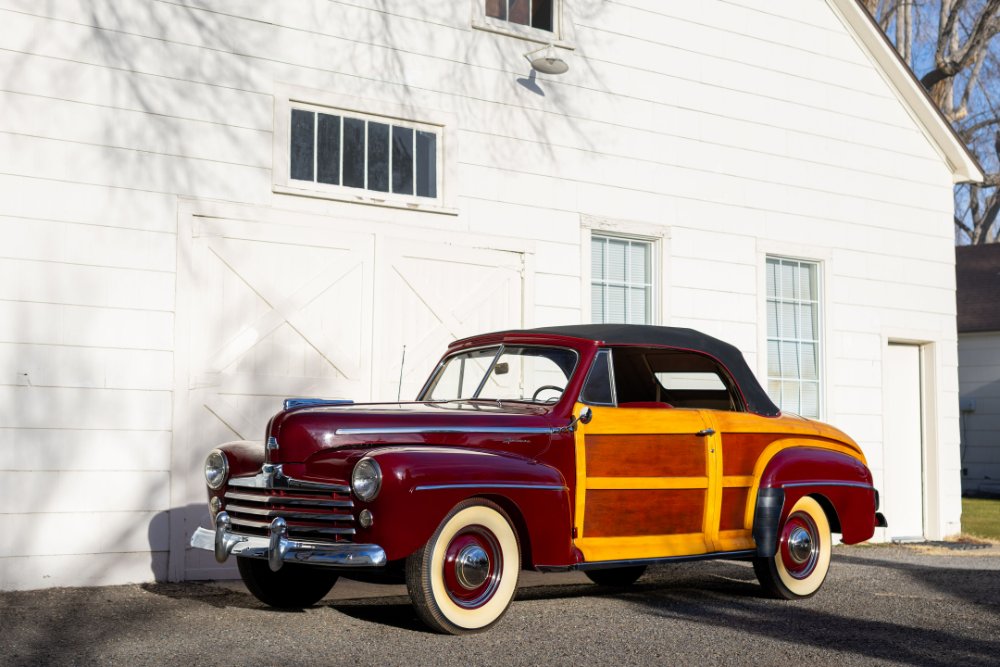
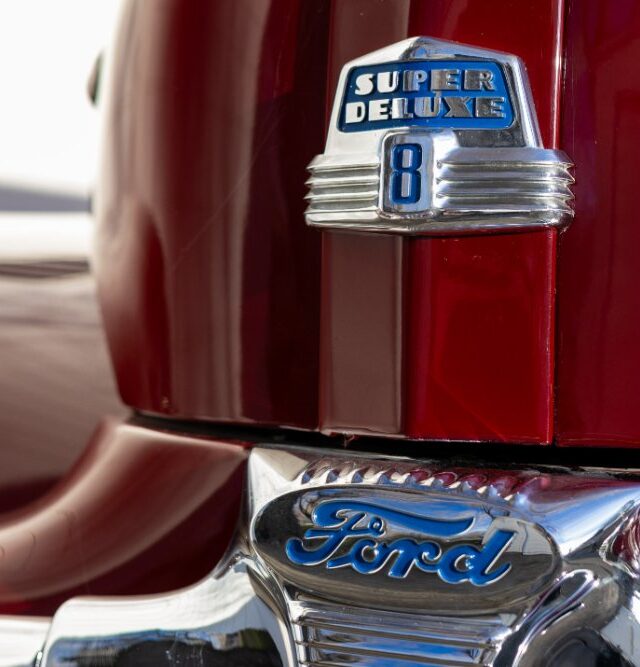
This 1947 Ford Model 79A Super Deluxe Sportsman Convertible was acquired new by a member of the Bacon family, and was among the earliest ‘Woody’ convertibles ever produced. Rare in its day and even rarer now, the Super Deluxe was the top-of-the-line model in the Ford range of the day. The Sportsman package added premium leather seats, a convertible top and bespoke chrome trim over a standard Deluxe.
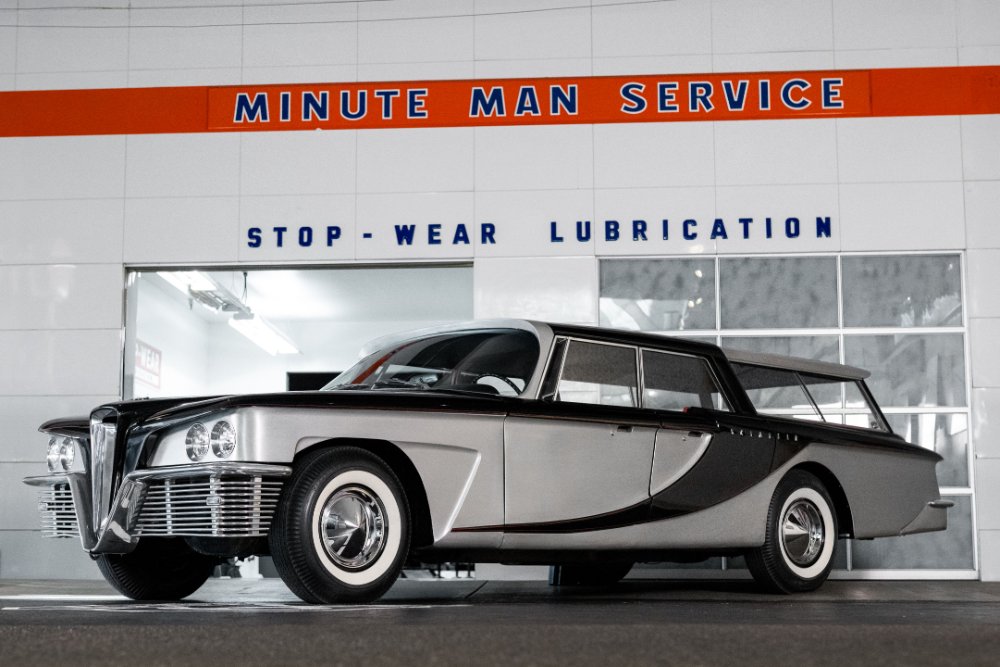
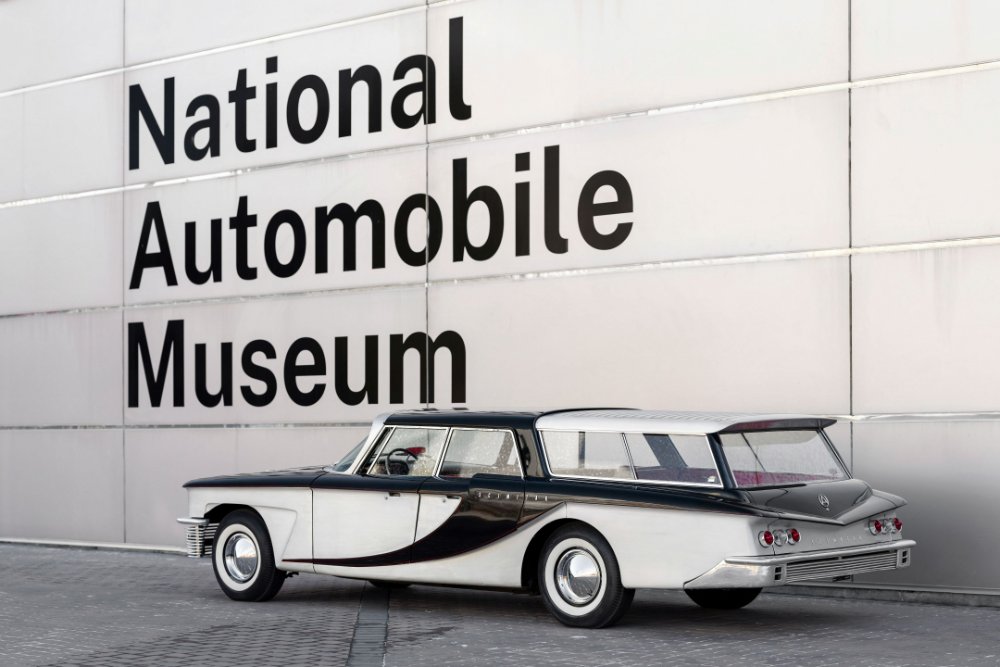
The 1959 Scimitar Station Sedan Experimental is one of a trio of concept vehicles designed by industrial designer Brooks Stevens and built in 1959 to showcase the possibilities of aluminium use in automobile construction. These vehicles were commissioned and funded by the Olin Mathieson Chemical Corporation – a mining, chemical and aluminium company – and constructed by Karosseriewerk Reutter of Stuttgart, Germany on a 1959 Chrysler New Yorker chassis. It used aluminium in the body panels, trim, bumpers, grille and interior treatments, with some elements anodised or brushed to show off the metal’s finish.
The design theme across the Scimitar range was characterised by a sweeping form inspired by the curved blade of a scimitar sword. All three prototypes – including the Station Sedan, a Hardtop Convertible and a Town Car Phaeton – were unveiled at the 1959 Geneva Motor Show and subsequently displayed at various international expos, including the 1961 International Automobile Show in New York.
Further details
For more information on the Bonhams’ Harrah/National Automobile Museum sale, which takes place on June 13, 2026 in Los Angeles, head here.