

It’s been only a few months since the introduction of BottegaFuoriserie, the programme that brings together Alfa Romeo and Maserati’s special projects, motor sport and classic departments under one banner.
Since we first brought you details of BottegaFuoriserie in November (see here), Maserati has moved the majority of its production to a bespoke order format (see here), while Alfa Romeo abandoned its plans for EV-only models from 2027 when the resulting cars were close to fruition; instead, production of the Giulia and Stelvio has started up again.
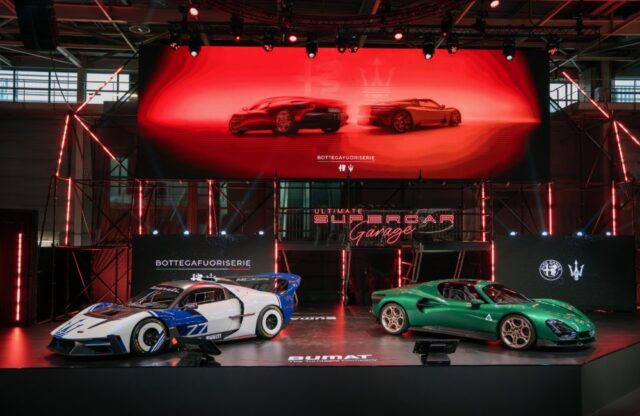
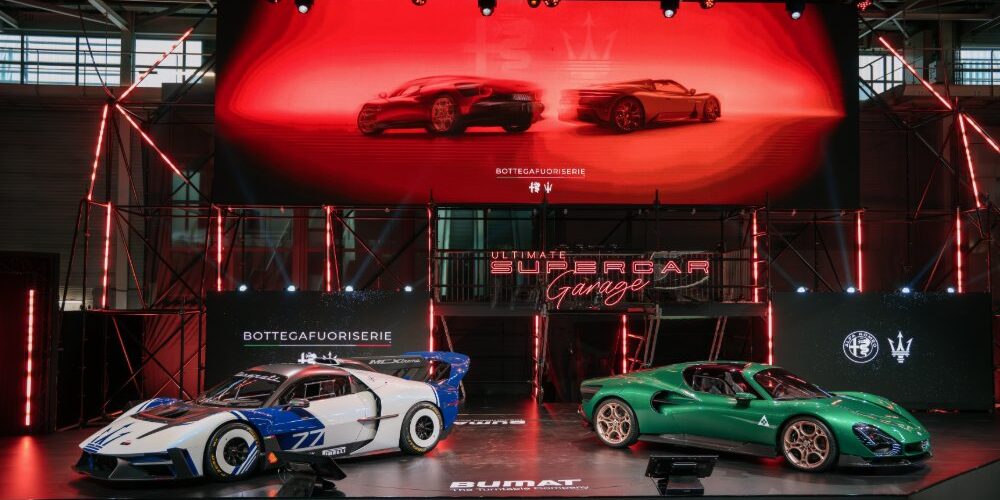
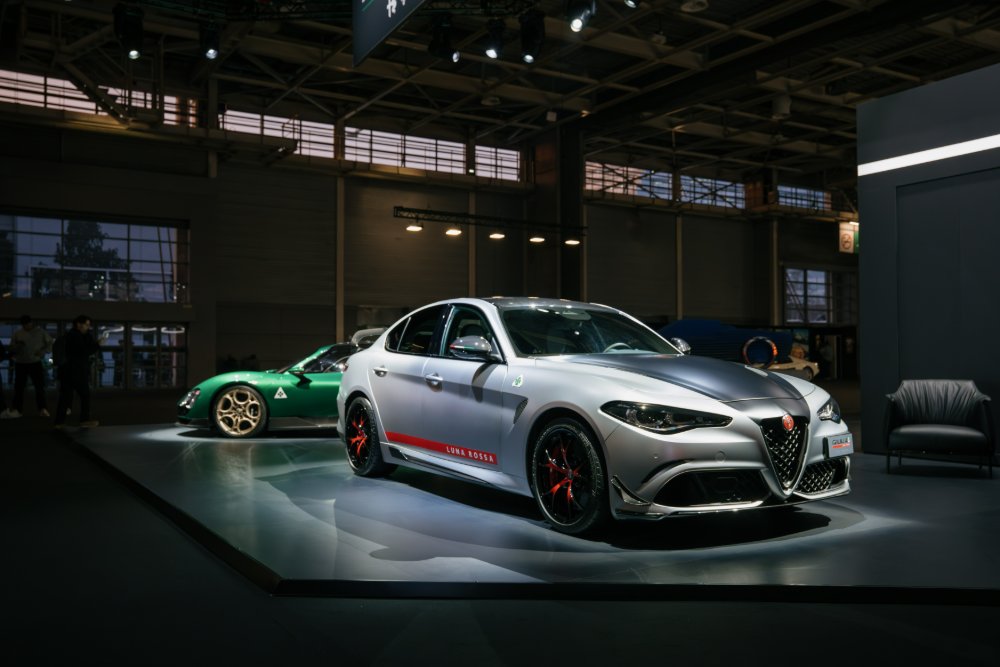
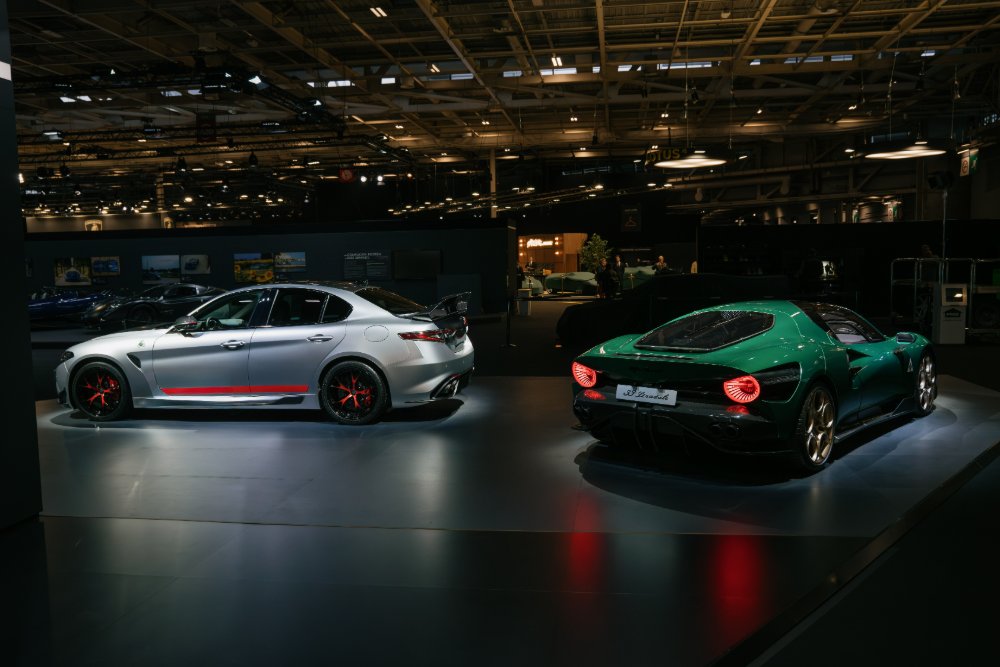
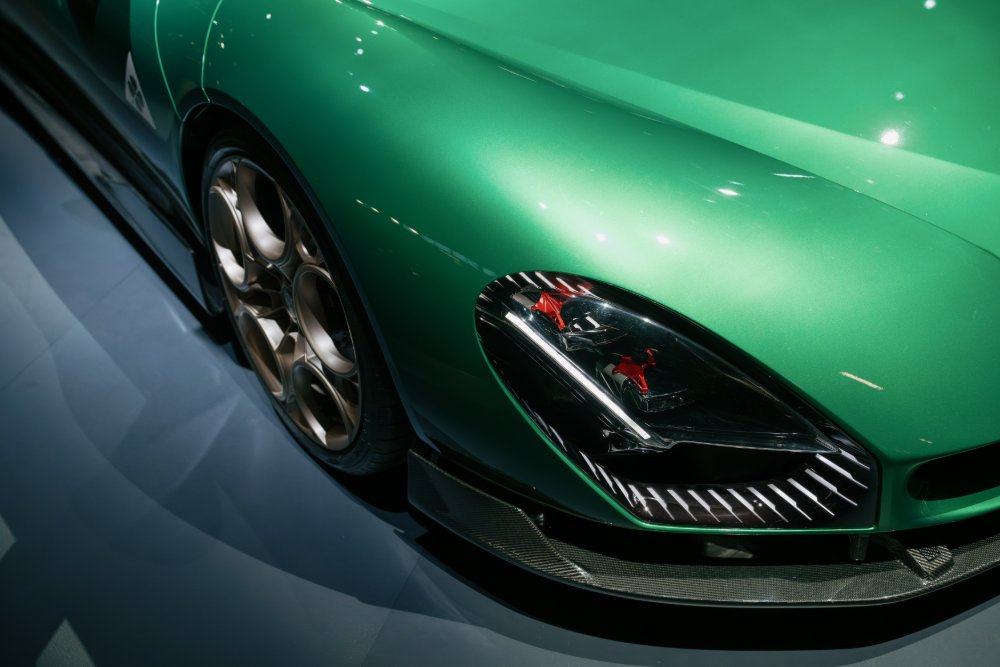
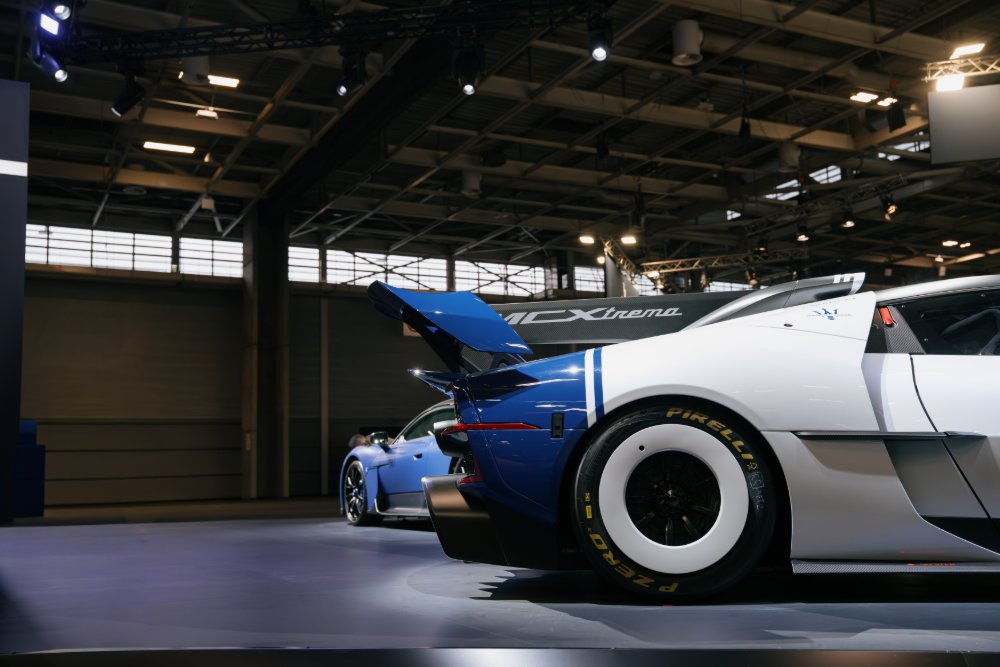
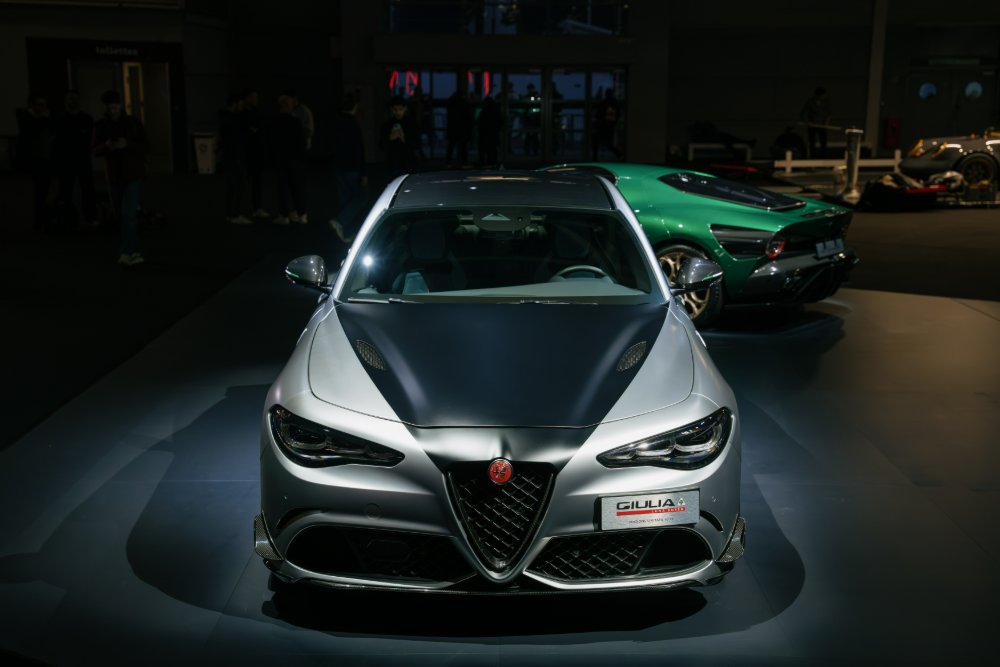
It’s been a trying winter, but the first fruits of the newly integrated Bottega (which used to refer to Alfa projects only) and FuoriSerie (which dealt with Maserati customisation) have been revealed; the Alfa Romeo Giulia Linea Rossa made its public debut in Belgium last month, and last weekend it was on display at Rétromobile Paris 2026’s Supercar Showcase, alongside a client-specification 33 Stradale, a Canadian-client Maserati MCXtrema and a GT2 Stradale.
We spoke to the head of the Bottega side of the programme (which looks after special vehicles), Camilla Rostagno, about how things are going.
With the 33 Stradale programme now into its production phase, thoughts inevitably turn to the next Alfa Romeo project – Magneto had believed that it was to be a front-engined GT with Montreal overtones over a Maserati GranTurismo-derived chassis, but the latest rumours are that it will be another mid-engined model.
Camilla won’t be drawn, however: “It’s a little early to talk about that. What I can say is that we have been studying several things, and when the time is right we will share,” she says. “One of the key things is collaboration, particularly with collectors.”
When the 33 Stradale programme was launched back in 2023, a big part of the process was to build a working party of collectors collaborating with Alfa Romeo itself on ideas – which begs the question, is there a preference for a type of car, or does Alfa lead the discussion?
“I think it’s a good balance between the two. We often use the word ‘collectors’, but more than that, the most accurate way to define our customers is car lovers,” Camilla says. “They are extremely passionate. They know the full history of the brand. They have many vehicles – not only from us; often they have collections from other brands, too. And that’s great, because you can learn from others as well.”
A big win for Bottega is that these customers trust the engineers and designer, Camilla says: “Many times they ask us for suggestions on technical solutions. They might say, ‘I want to reach this goal in terms of functionality, performance or simply the easiest way to enjoy the car,’ and then they leave it to the engineering and product teams to see if it can be made real.”
She continues: “The same happens with materials and design. Sometimes they arrive with a very clear idea. For example, we had a client who came with a paint chip from the first car in his collection – all of his cars are in the same colour. We studied a modern interpretation of that colour. Others simply tell a story, or share a feeling, and from there we create the concept. So they guide us, but I think it’s a very good balance between the two.”
At the time of the BottegaFuoriserie announcement, there was an openness to embracing the emerging restomod world. “We try to leverage the different aspects that make up the soul of Bottega – which includes history, of course,” Camilla says. “For now, I can’t give you anything very specific, but it is certainly an area of interest – there are some studies ongoing.”
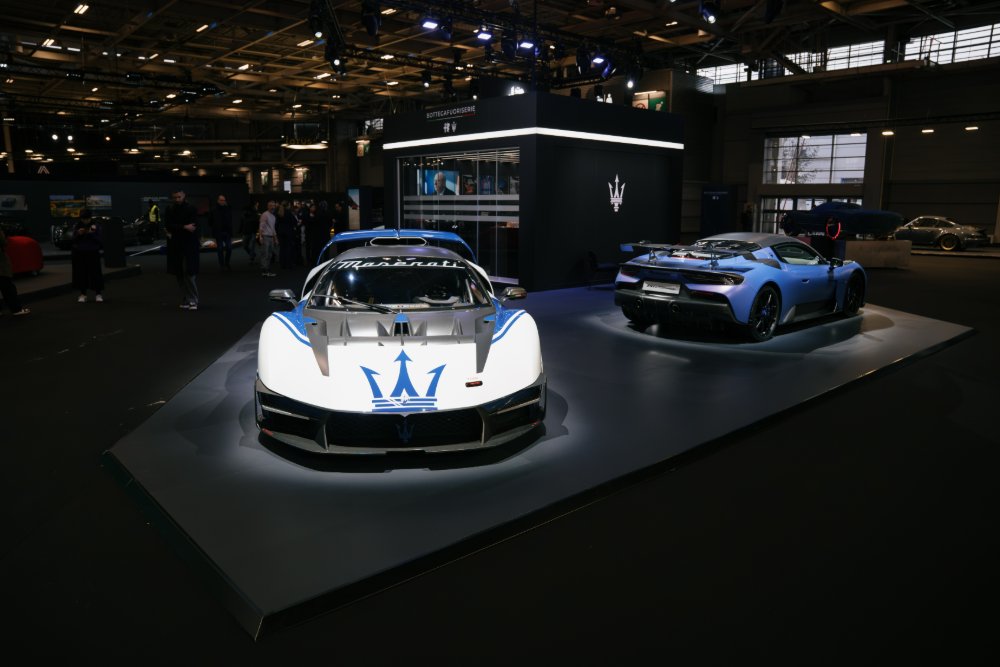
She is keen to emphasise that although Alfa Romeo and Maserati projects come under the same roof at BottegaFuoriserie, each brand has its own needs. “Bottega is a platform that unites two souls — but they remain two distinct souls,” she says. “Each brand has its own character, characteristics, values and identity. Maserati is Maserati, Alfa Romeo is Alfa Romeo. Working together does not mean overlapping or mixing them.
“We are listening carefully to customers on both sides, and we will develop solutions that respect the different types of clients. Sometimes they are the same people – many collectors and brand ambassadors love both brands – but sometimes they are not. Our priority is to ensure that each car keeps the DNA of its brand, while sharing a common vision.”
Just across from the BottegaFuoriserie stand at Rétromobile Paris 2026 was the public launch of the Bertone Runabout – a mid-engined concept brought to life. The original car was designed by Marcello Gandini, who also designed the Lancia Stratos – could BottegaFuoriserie expand to other brands within the Stellantis line-up?
“This is the first step. We started with what we believed was the best solution: leveraging two brands that have so much in common and a shared vision for joint projects,” Camilla says. “Bringing different brands together is not easy. Right now, we are creating the identity, defining the vision and starting the work. That is our focus. In the future – why not? We need time, we need results – and then we’ll see what is possible.”
For more information on BottegaFuoriserie, head here for Alfa Romeo and here for Maserati.