

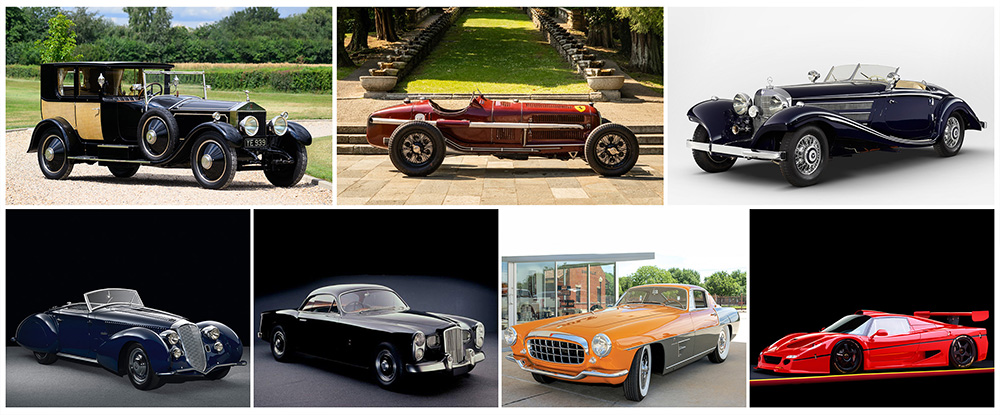
Peninsula Classics has announced its finalists for the Best of the Best 2025 award, with Alfa Romeos, Ferraris, a Bentley, a Rolls-Royce and a Mercedes-Benz making up the seven models in the running. The Best of the Best 2025 award brings together cars that have previously won leading international concours events, from which a single overall winner is selected. The presentation will take place at The Peninsula Paris on January 26, 2026.
Each finalist originates from a major manufacturer and has been recognised at a significant concours during the past year. Collectively, the shortlist reflects a wide range of periods, design approaches and technical solutions, with the judging process focused on identifying one car to represent the overall winner.
Commenting on the award, Sir Michael Kadoorie, chairman of The Hongkong and Shanghai Hotels and co-founder of the Peninsula Classics programme, said: “This award is more than a celebration of engineering excellence – it is a tribute to the artistry, heritage and cultural significance of the automobile. Each finalist represents a chapter in the story of motoring history, crafted by visionary designers and preserved for future generations.”
After The Peninsula Paris award ceremony on January 26, the winning car will be displayed in partnership with Rétromobile at the Paris Porte de Versailles from January 28 to February 1, 2026.
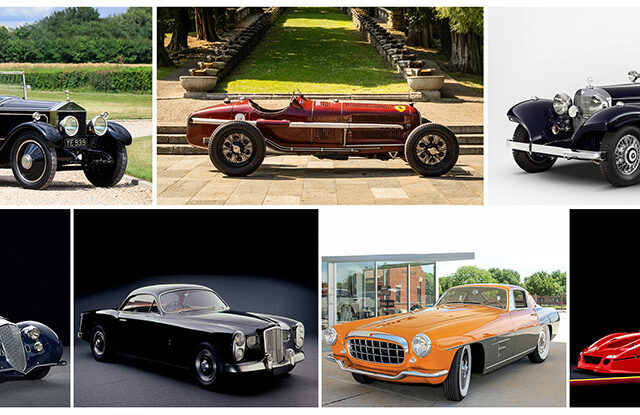
The seven nominated vehicles for the Best of the Best 2025 award are:
1926 Rolls-Royce Phantom I ‘The Phantom of Love’, Concours of Elegance Hampton Court
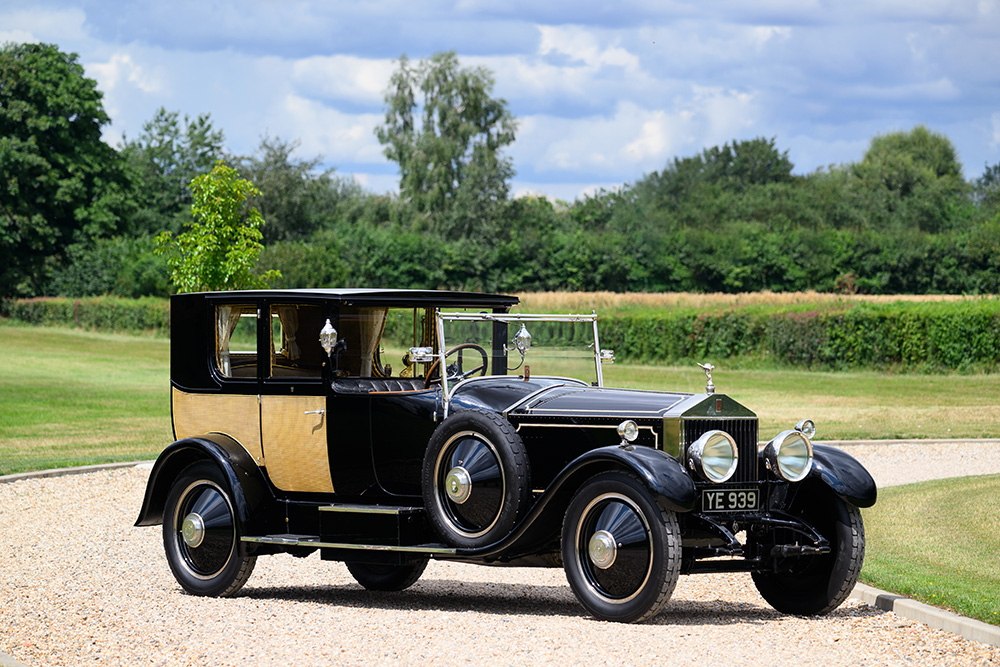
This 1926 Rolls-Royce Phantom I is known as The Phantom of Love and was commissioned as a personal gift for the original owner’s wife. The coachwork was produced by Charles Clark & Son Ltd in the form of a Brougham body with French stylistic influences. Contemporary references indicate that the design drew inspiration from a historic sedan chair associated with Marie Antoinette. The body incorporates a high level of bespoke detailing and period materials, reflecting the commissioning brief. The car is notable for its preservation, having never been restored. It retains its original bodywork, finishes and fittings, and is presented substantially as completed in 1926. Its condition provides a rare reference point for the design and construction of bespoke Rolls-Royce coachwork of the period.
1934 Alfa Romeo Tipo B, Concorso d’Eleganza Villa d’Este 2025
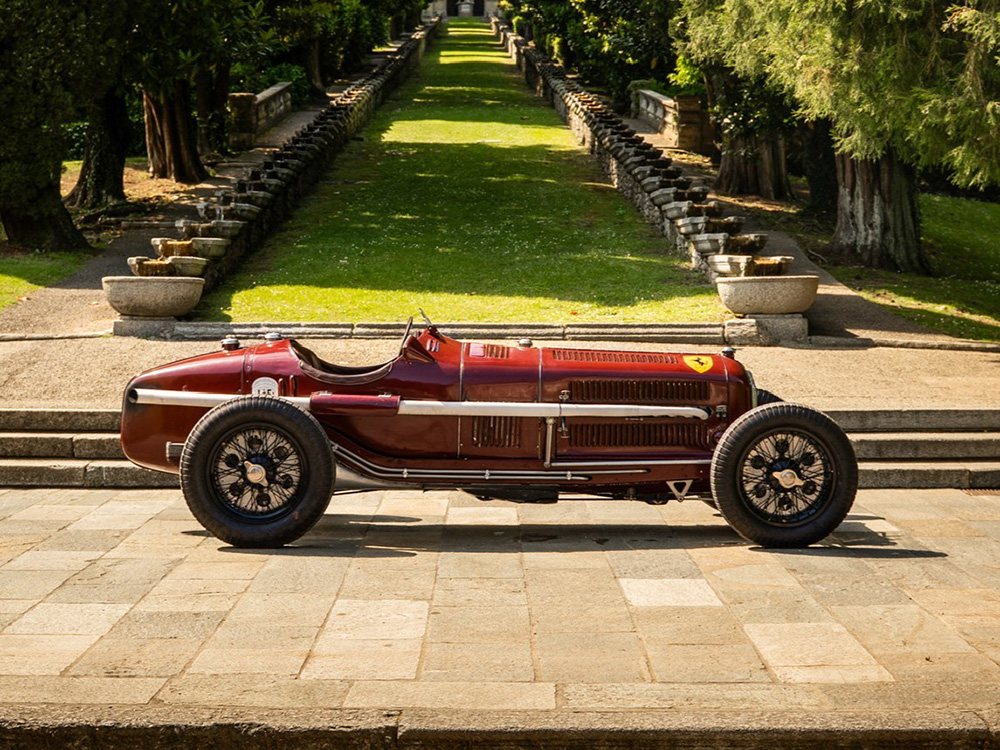
This Tipo B is one of nine examples produced and represents a key stage in the development of pre-war Grand Prix racing machinery. The Tipo B featured a technically advanced drivetrain for its time, including a split transmission system with two angled driveshafts. This arrangement was intended to improve power delivery and allowed gear ratios to be changed more easily to suit different circuits. The car has an extensive period competition record. In 1934 it achieved 18 race victories, driven by leading figures of the era including Antonio Brivio, Louis Chiron and Achille Varzi. Following its Works career, it continued to be campaigned in private ownership.
1936 Mercedes-Benz 500 K Spezial Roadster, Salon Privé
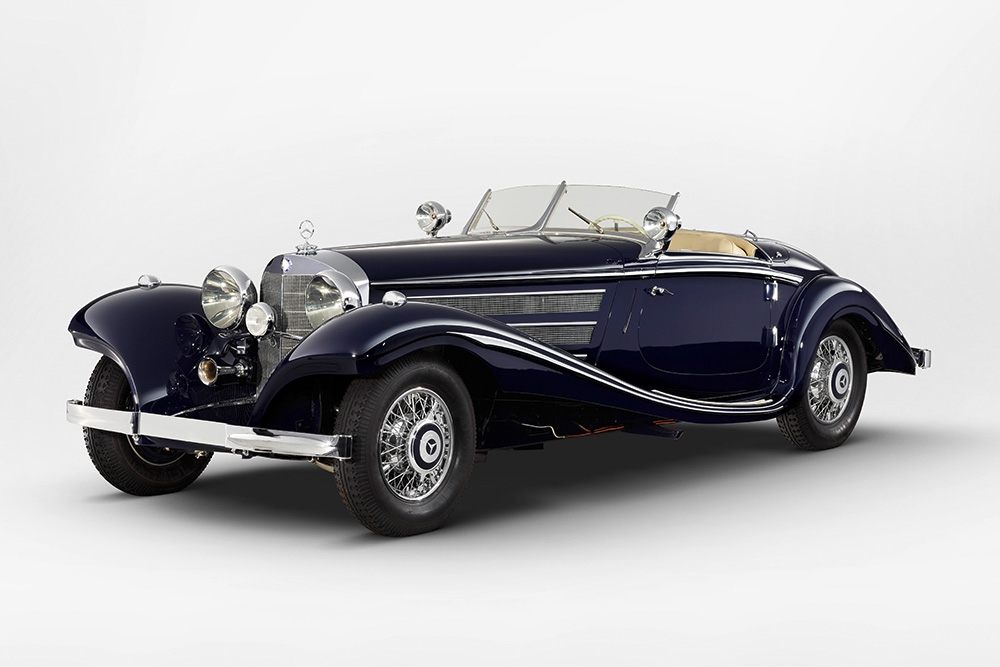
Introduced in 1934 and first shown at the Berlin Motor Show, the Mercedes-Benz 500 K was among the marque’s most technically advanced and visually distinctive pre-war models. Only 12 examples of the Spezial Roadster were produced. This 1936 example won the Grand Prix d’Honneur at the Cannes Concours d’Elegance in period before passing into private ownership, after which it remained out of public view for many years. Following its re-emergence at the Pebble Beach Concours d’Elegance in 1997, the car has been shown only rarely. Its appearance at the 2025 Salon Privé marked its first public display since that time.
1938 Alfa Romeo 8C 2900B, Amelia Concours d’Elegance
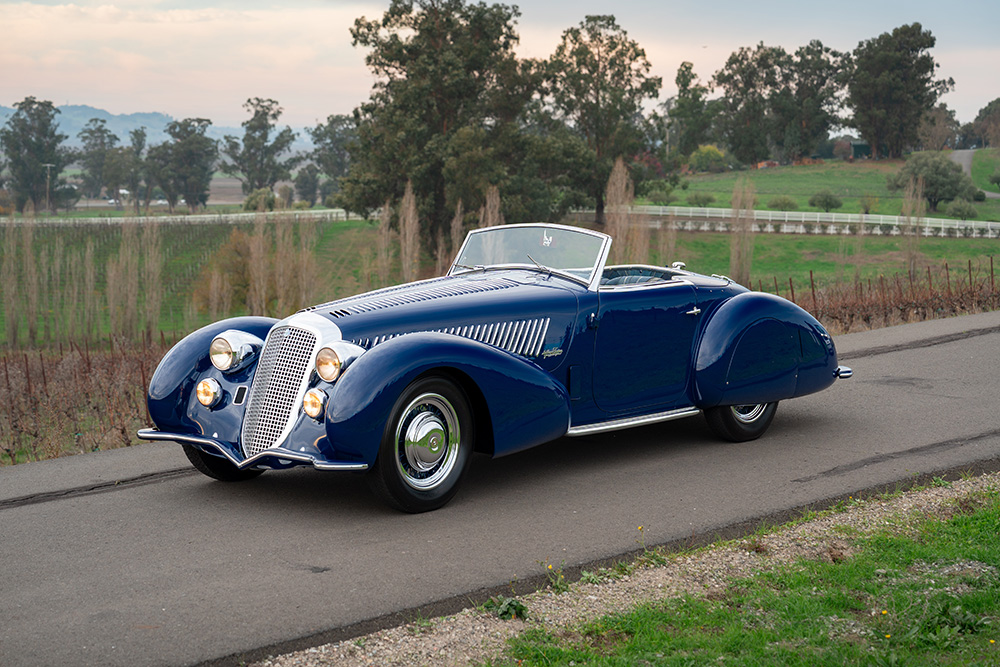
This example was originally owned by Italian racing driver Giuseppe Antonio ‘Nino’ Farina, later the first official Formula 1 World Champion. It is the only known 8C 2900B to be fitted with coachwork by Stabilimenti Farina. The body was designed by Giovanni Battista ‘Pinin’ Farina and shows stylistic similarities to his earlier Lancia Astura Tipo Bocca, particularly in its proportions and surface treatment. The car was acquired by its current owner in partially restored condition, with the restoration completed in 1996.
1951 Bentley Mark VI Cresta II, Goodwood Cartier Style et Luxe Concours d’Elegance
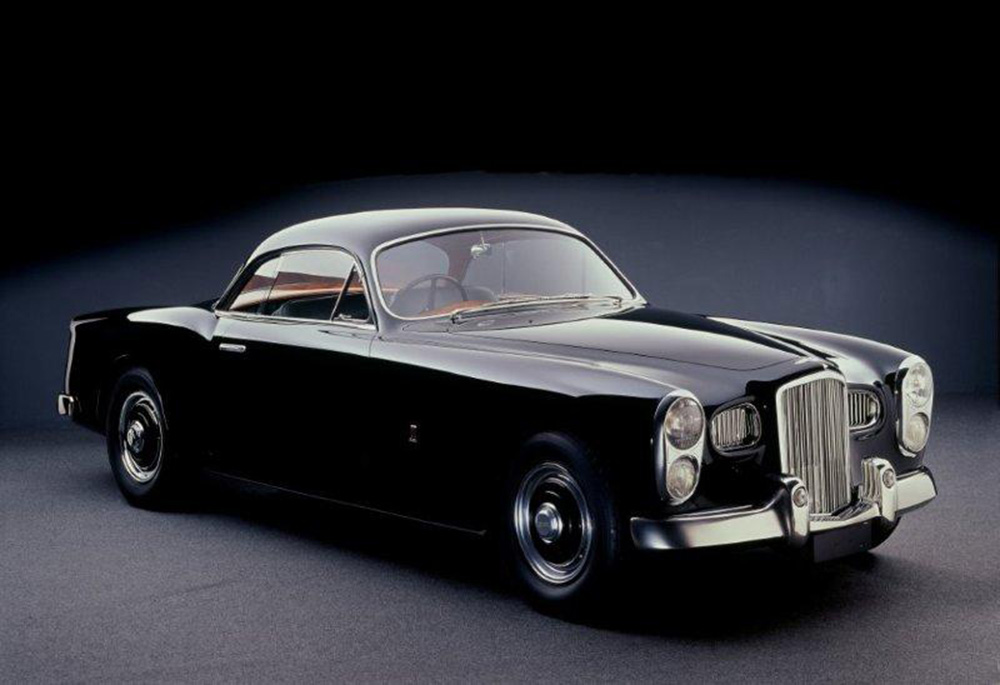
The Bentley Mark VI Cresta II is is a unique, one-off coupé designed by French industrial designer Jean Daninos. The Cresta II developed ideas first explored in Daninos’s earlier Cresta prototype, with a lower and more streamlined body. Key features include paired twin headlamps, a reworked grille and carefully balanced proportions, reflecting contemporary thinking around post-war luxury and aerodynamics. The car underwent a comprehensive restoration between 1993 and 1999, carried out with the aim of preserving its original design and detailing.
1954 Ferrari 375 MM, Cavallino Classic
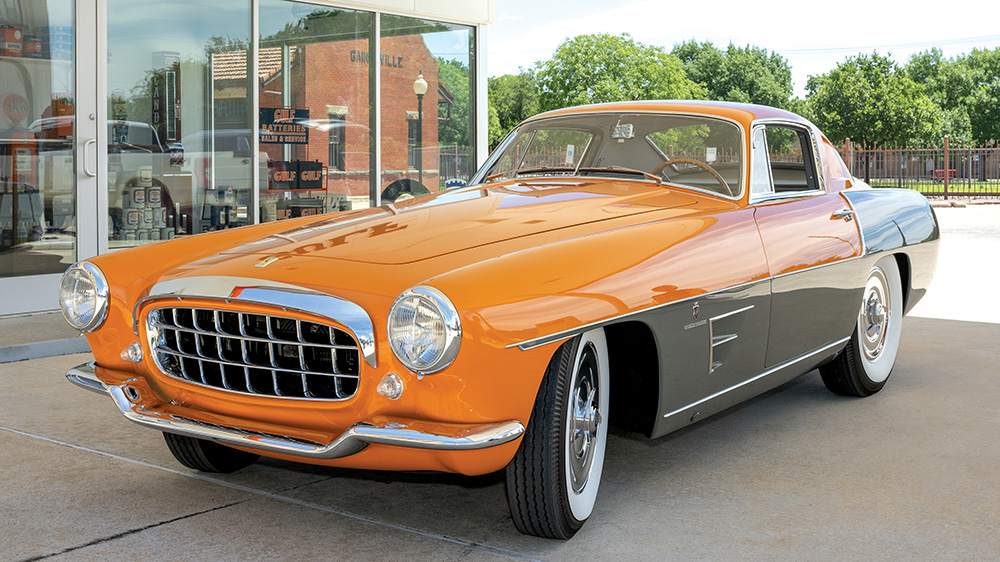
This Ferrari 375 MM was developed in response to a request to adapt a competition Ferrari for road use. Built on a 375 MM racing chassis, the car is powered by a 4.5-litre Lampredi V12 engine producing approximately 340bhp, derived from Ferrari’s contemporary Formula 1 programme. For this example, the original owner commissioned Carrozzeria Ghia to design and construct the bodywork – as such, it became the last Ferrari bodied by Ghia.
1996 Ferrari F50 GT, The Quail, A Motorsports Gathering
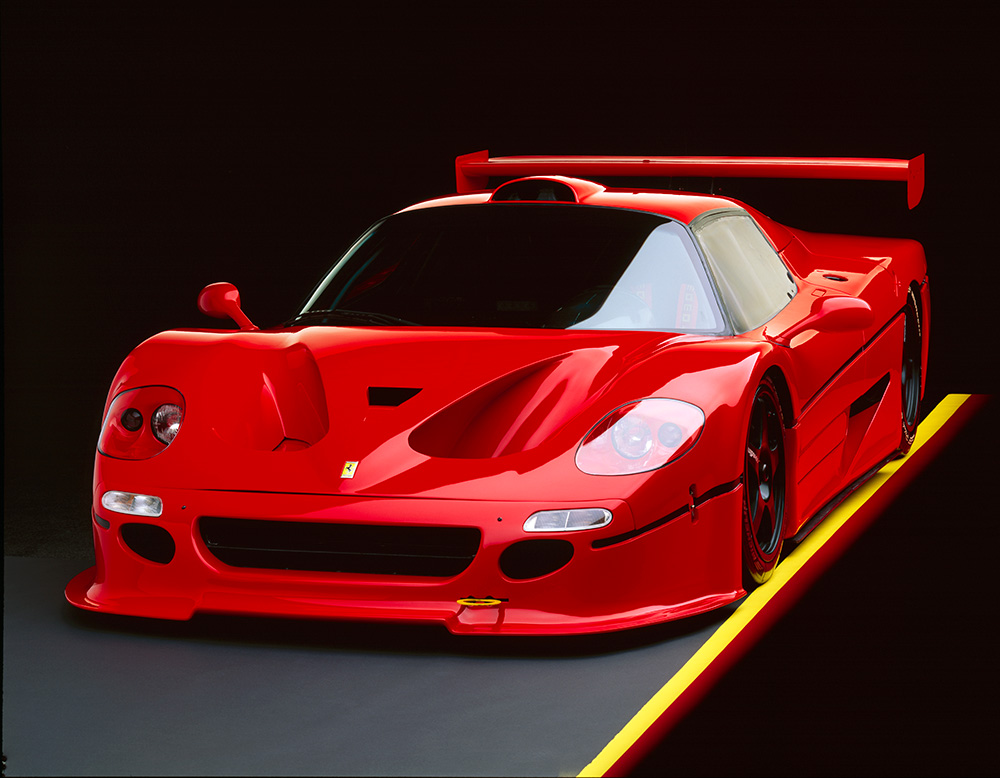
This Ferrari F50 GT prototype was developed as part of Ferrari’s exploration of the F50 platform for GT1-category endurance racing. Chassis number 001 served as the factory’s test car. It is fitted with a competition-specification development of Ferrari’s 4.7-litre V12 engine, producing approximately 750bhp, and is built around a carbonfibre monocoque chassis. The car incorporates aerodynamic components and mechanical systems intended for circuit use, reflecting contemporary GT1 and Formula 1-derived technology. It is finished with exposed carbonfibre body panels and is equipped with Speedline wheels. The F50 GT programme was ultimately not pursued for competition. You can read more about this car in this Magneto issue.
For more information on the Best of the Best 2025 award, head here.