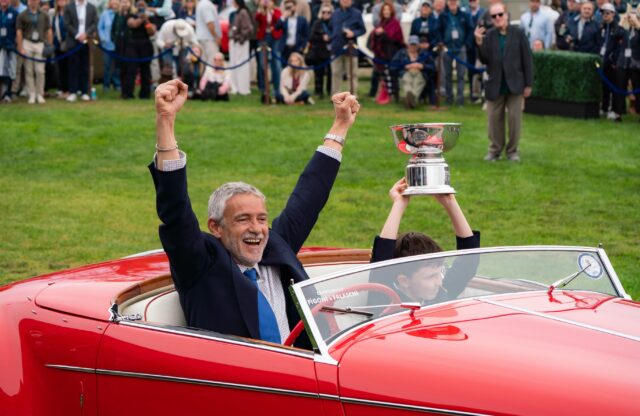


The 1929 Bentley Blower No. 1 was named Best in Show at the 2026 Heveningham Concours, held at Heveningham Hall in Suffolk on June 27-28.
Cars, motorcycles and aircraft were displayed across the estate alongside the larger Heveningham Hall Country Fair, with the automotive entries covering more than 125 years of production. The earliest was an 1898 Peugeot Type 15 Double Phaeton, while the newest was a freshly delivered Singer DLS Turbo.
Established in 2016, the concours has developed into one of Britain’s more distinctive concours events. The 2026 Heveningham Concours will support East Anglian Air Ambulance’s £8.2 million appeal for a new Cambridge base near Fulbourn, intended to maintain emergency coverage across four counties. Heveningham also funds a Royal College of Art scholarship covering tuition and maintenance for a student on its MA in Intelligent Mobility.
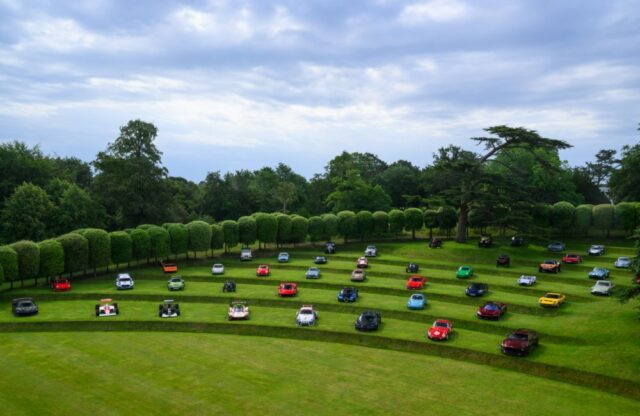
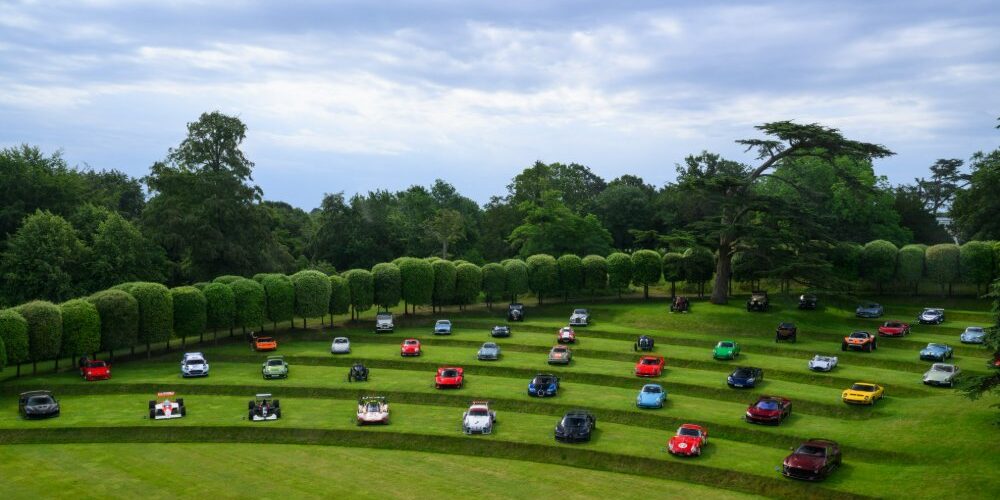
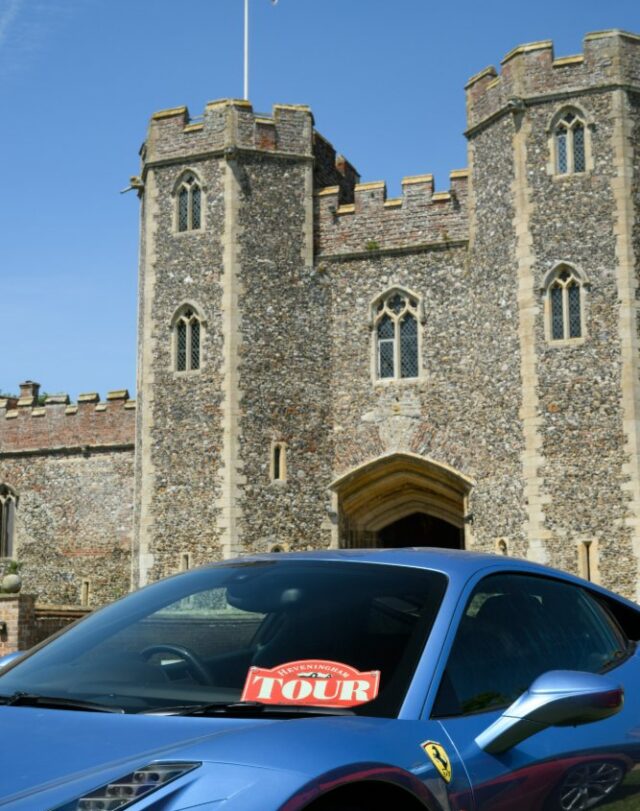
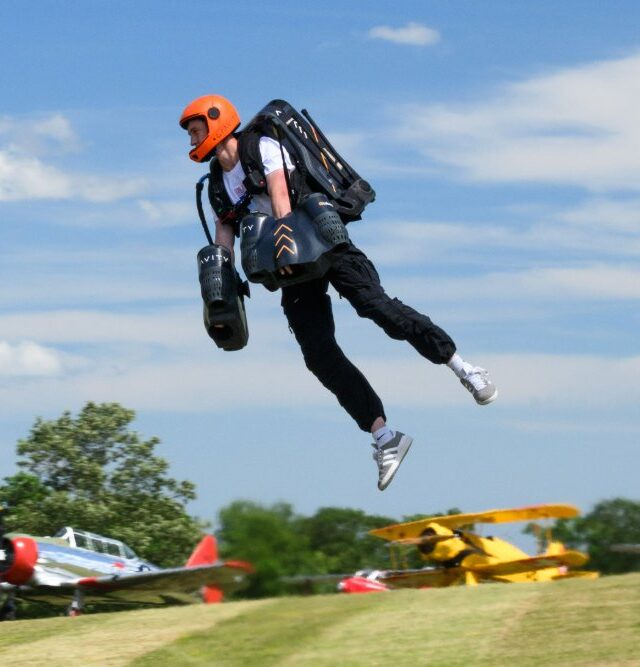
For the 2026 Heveningham Concours, around 50 cars were arranged across the Capability Brown-designed garden terraces behind the Grade I-listed house, while the programme also includes Horsepower Hill, a demonstration run along the estate road, and the Heveningham Tour, a 50-mile drive through the Suffolk countryside. This year’s Horsepower Hill winner was Gary Lambert, who got his Porsche Taycan Weissach up to 127mph. However, the Gravity flying suit, pictured below, was quite the competitor, too.
The judging panel at the 2026 Heveningham Concours was chaired by Max Hunt and included automotive designer and Magneto contributor Peter Stevens, racing driver Marino Franchitti, designer Mai Ikuzawa, historic motoring specialist Roger Bennington, automotive designer Romulus Rost and Royal College of Art designer Harry Charlesworth. Entries were assessed for their history, originality, provenance, presentation, craftsmanship and design.
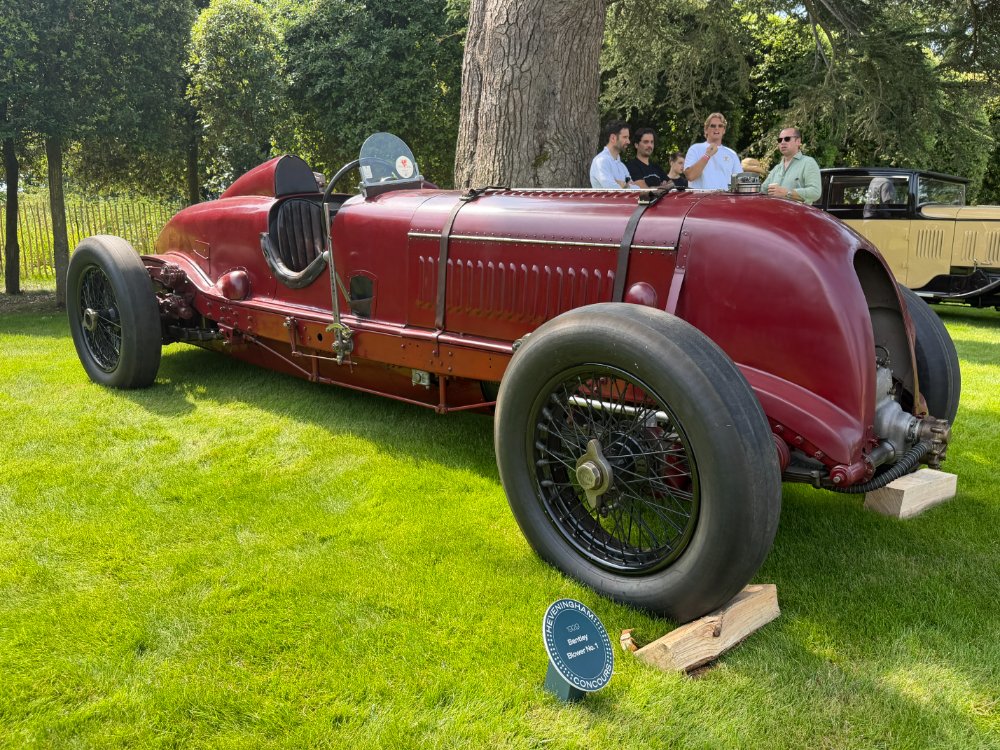
Here’s the 2026 Heveningham Concours Best in Show winner: 1929 Bentley Blower No. 1 is chassis HB3402, registration UU 5871, with engine SM3901. It was Sir Henry ‘Tim’ Birkin’s experimental supercharged Bentley and later his purpose-built Brooklands single-seater, financed by the Hon Dorothy Paget and developed at Birkin’s Welwyn Garden City works. The car initially appeared with narrow fabric-covered bodywork. At the 1929 BRDC 500 at Brooklands, Birkin recorded a 121mph lap before an exhaust fire ended the race. For 1930, Reid Railton designed the distinctive aluminium single-seat body, built by AP Compton & Co, with the driver offset beside the transmission.
Birkin gave HB3402 the first race victory for a supercharged Bentley in the Bedford Short Handicap at Brooklands. At the same meeting, he set an Outer Circuit record of 135.34mph. After Kaye Don reclaimed it, Birkin returned in March 1932 and raised the record to 137.96mph, a mark that stood until John Cobb’s Napier-Railton went faster in 1934. The car also defeated Cobb’s V12 Delage in a three-lap Brooklands race, Birkin winning by one-fifth of a second.
After Birkin’s death in 1933, Paget retained the Bentley until 1939. It was later converted into a two-seat roadster, but the original single-seat body survived and was eventually reunited with the chassis. Collector George Daniels owned it for decades. Following his death, Bonhams sold HB3402 at Goodwood in 2012 for £5,041,500, then a record auction price for a British-built car.
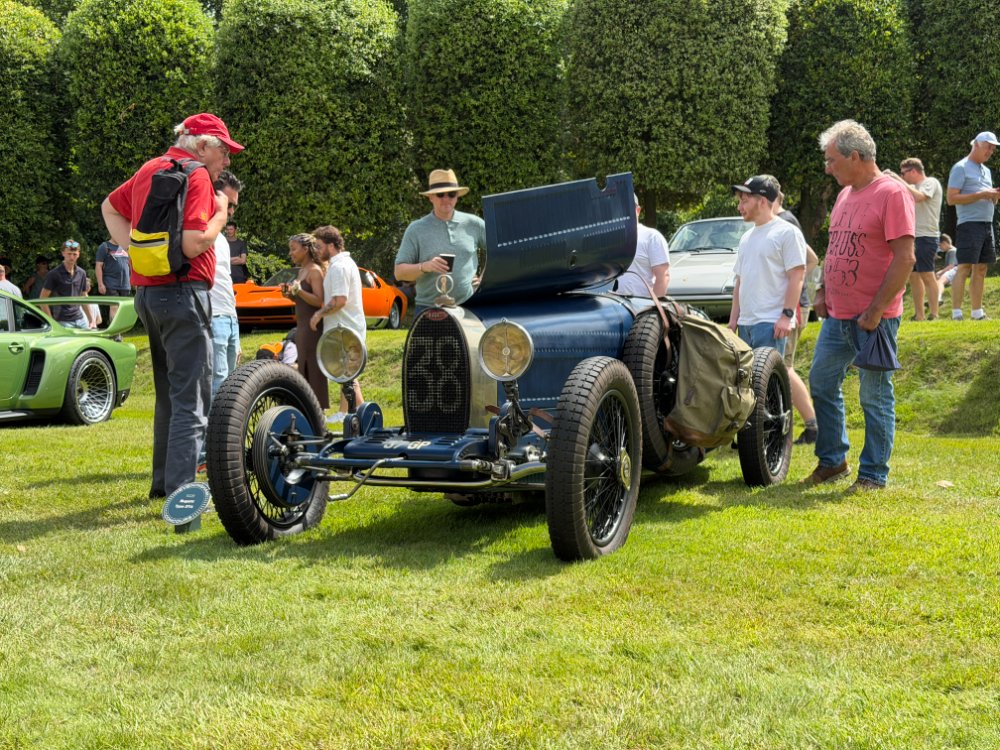
Catherine Coar’s 1928 Bugatti Type 37A won the 2026 Heveningham Concours Pioneers and Pre-War category. One of 67 Type 37As built, chassis 37342 was first owned by Juan Bielovucic, otherwise known by his racing name Valcourt. Aside from his racing life, he was also a keen aviator and best known for parachuting from the Eiffel Tower in the mid-1940s at the age of 57. He also crossed the Alps by plane in 1913. With this car, he finished sixth at the Grand Prix Bugatti one-make race at Le Mans in 1928.
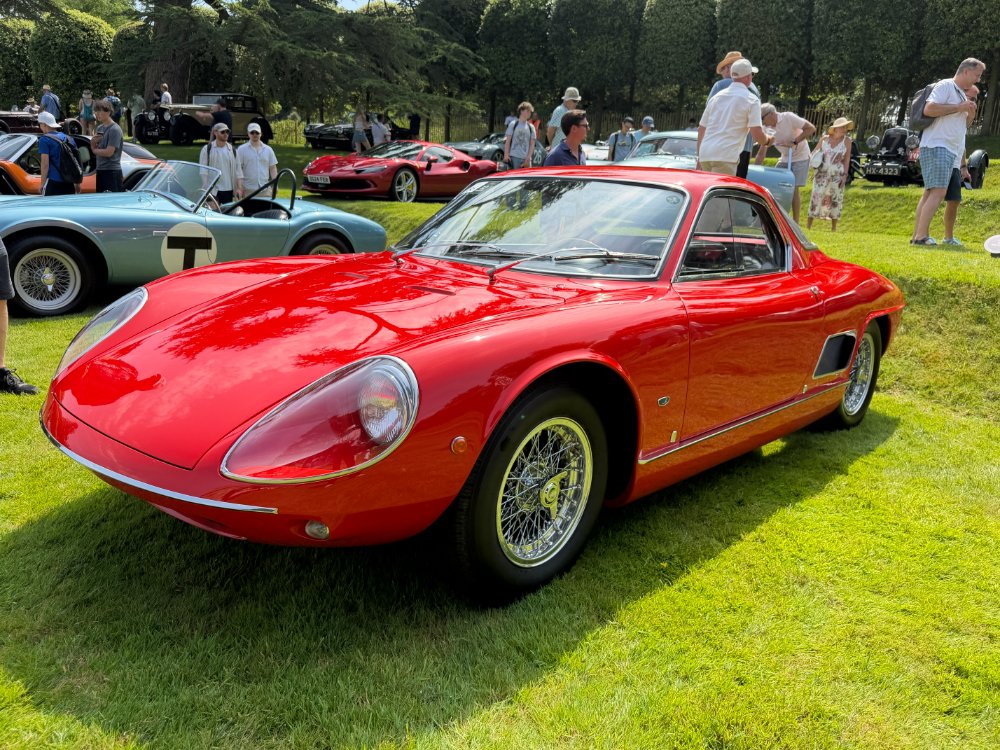
Meanwhile, the Mid-Century award at the 2026 Heveningham Concours went to the 1964 ATS 2500 GTS owned by Nick and Shelley Schorsch of the Audrain Collection. Chassis 2008 is one of 12 built, and six remaining cars. It’s also one of the two alloy-bodied examples and is fitted with ATS’s 3.0-litre all-aluminium V8, producing a quoted 256bhp through a five-speed manual gearbox. The car was originally supplied with tall ‘Nürburgring’ gearing, although a lower-ratio set was later installed to improve road usability.
Nicholas Begovich acquired chassis 2008 in 1974 and retained it for more than 45 years. In February 2020 it joined the Audrain Collection as part of a group of cars acquired from Begovich. Automotive Restorations in Connecticut subsequently carried out a comprehensive rebuild. Corrosion was discovered where the aluminium body met the steel structure, requiring repairs to both the coachwork and sections of the tubular frame. Surviving paint traces and period documentation guided the return to its red finish, while the V8, Weber carburettors, suspension, brakes and fuel tanks were rebuilt.
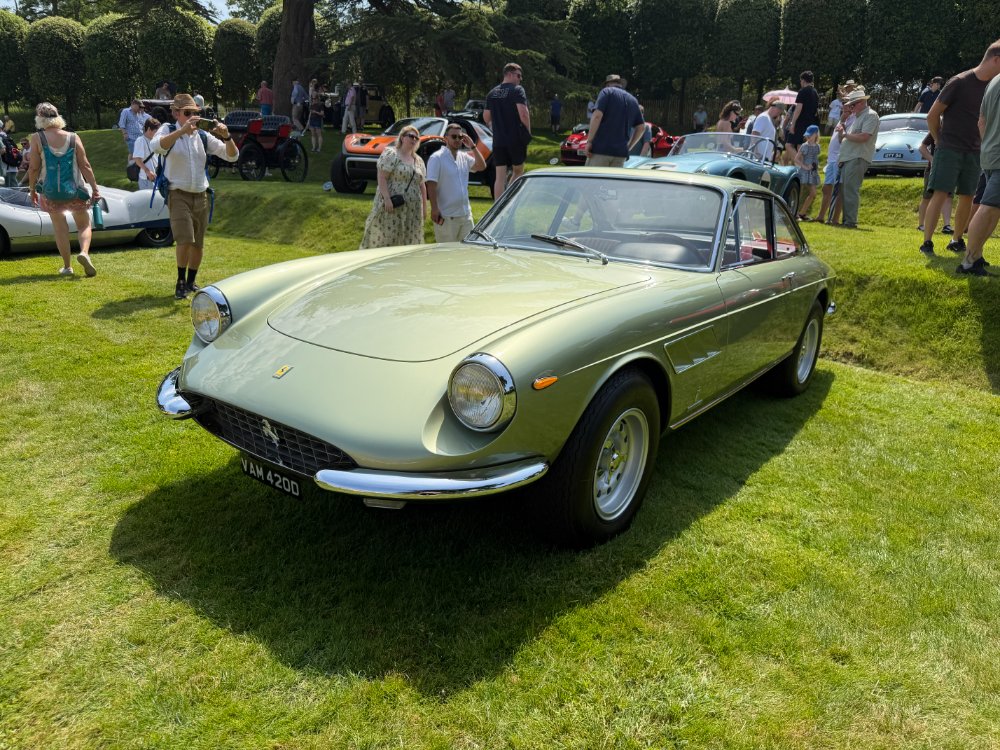
Christy Chiltern-Hunt’s 1966 Ferrari 330 GTC took the Post-Modern award at the 2026 Heveningham Concours. Chassis 9069 was first delivered to Baron Emmanuel ‘Toulo’ de Graffenried’s official Ferrari dealership in Lausanne, Switzerland, and sold to its first owner, Mr Alfred Pinkas, that October.
Subsequently exported to Caracas, Venezuela, the Ferrari passed into the hands of José di Mase, a senior executive at Banco Construcción. When Venezuela’s banking crisis struck in the early 1990s, di Mase fled the country, entrusting the car to Alvin Rafael Acevedo. Despite repeated attempts to reclaim the vehicle, Acevedo, who had become captivated by the Ferrari, refused to relinquish it. It took legal intervention from Ricardo Koesling to secure the car’s return.
The 330 then vanished for a time before resurfacing in November 2015, when it was exported via Cars USA of Long Beach, California, to Denisse Rodriguez in New York. Eventually it made its way to the United Kingdom, where Bell Sport & Classic acquired it for restoration, which was completed in 2022. That restoration saw it returned to its original Verde Chiaro Metallizzato paintwork; it’s believed to be the only 330 GTC to leave Maranello in this colour.
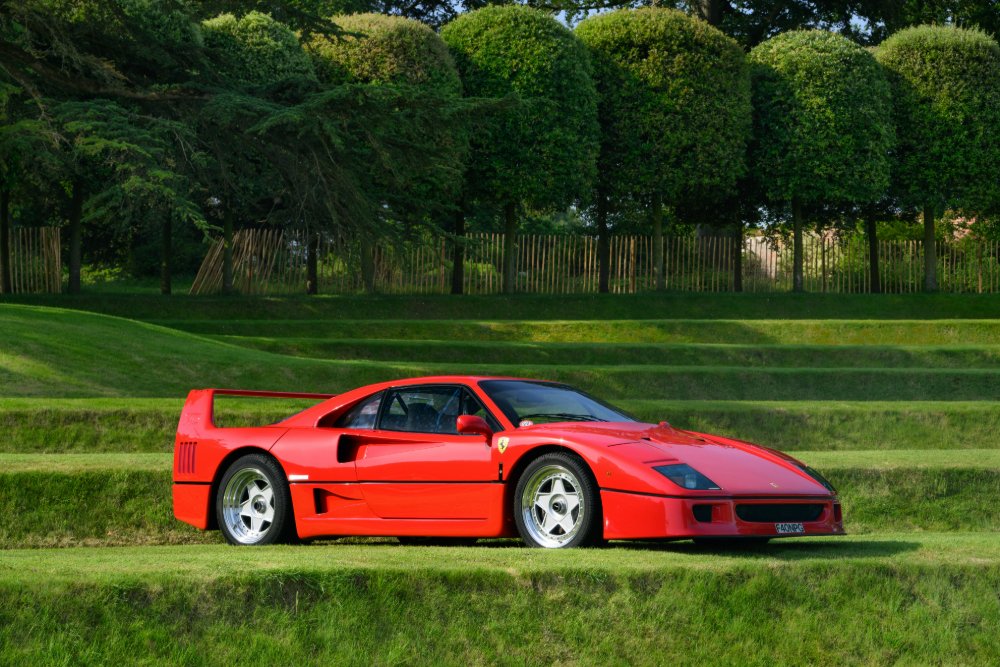
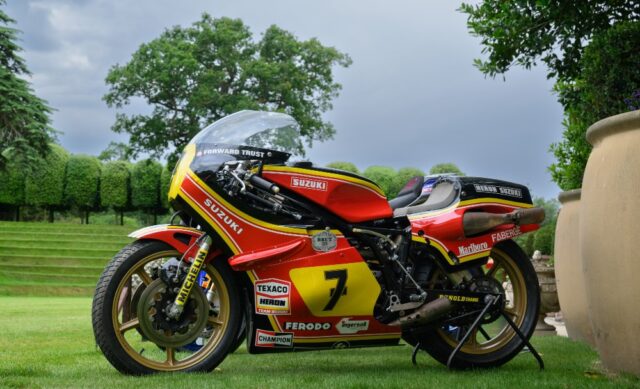
The Race and Rally award went to Harry Hunt’s 1973 Porsche 911 RSR Safari, while the 1978 Suzuki RG500 XR22A belonging to , Freddie Sheene, son of two-time 500cc World Champion Barry Sheene, led the motorcycle class. The Performance Supercar and Hypercar category produced two winners: Nick Mason’s 1989 Ferrari F40 (pictured above) and Chris Wilson’s 2008 Bugatti Veyron 16.4.
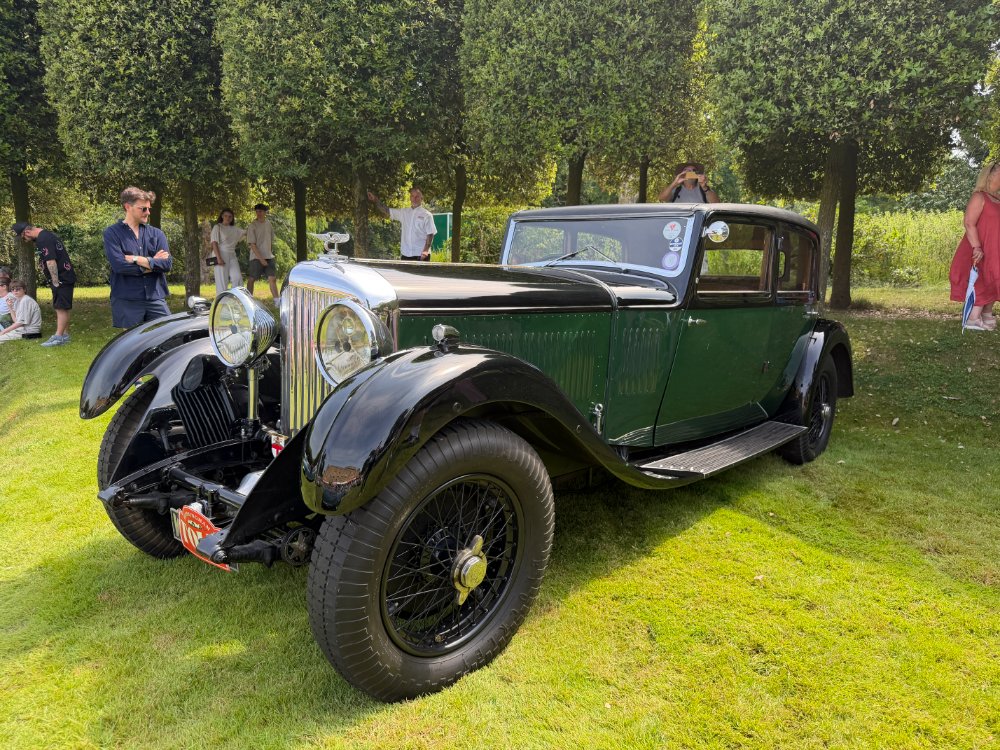
Two cars received Chairman’s Choice awards at the 2026 Heveningham Concours: Jason Barron’s 1990/2026 Singer DLS Turbo and the above 1932 Bentley 8 Litre saloon by HJ Mulliner (pictured above). The 64th Bentley 8 Litre built, chassis YM5039 remained unsold when the firm slid into receivership in July 1931. Rolls-Royce acquired the company in the autumn, and passed the car to dealer Jack Barclay, who then sold it to a Rugby-based businessman. He tasked HJ Mulliner with producing an owner-driver saloon (there’s no divider inside).
The Bentley remained in the UK through World War Two, but in 1947 Jack Charters took it Canada. He and his wife drove it 3500 miles from Nova Scotia to Soda Creek in British Columbia. A year later, Charters would perish after getting the car stuck in a blizzard and trying to walk to safety. The Bentley was rescued by Lawrence Goudy of Vancouver, who kept it for two decades. The current owner has had the car for nearly as long.
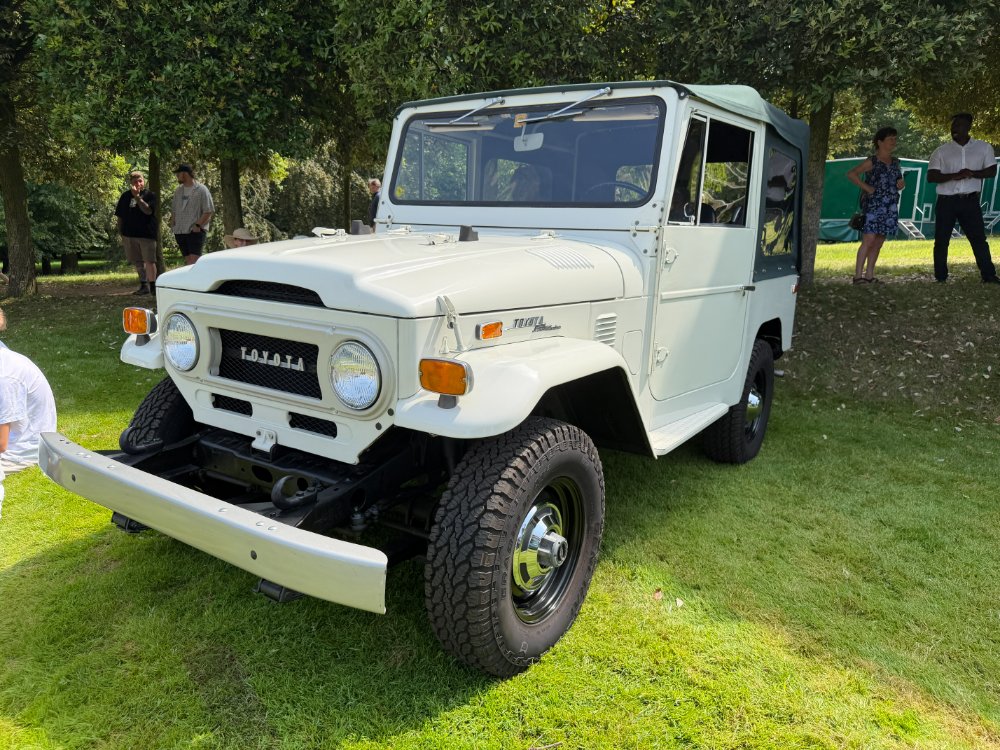
Other entries included Richard Tuthill’s 911K, while a 1973 Toyota FJ40 Land Cruiser was displayed with a recorded mileage of 400 miles from new (pictured above).
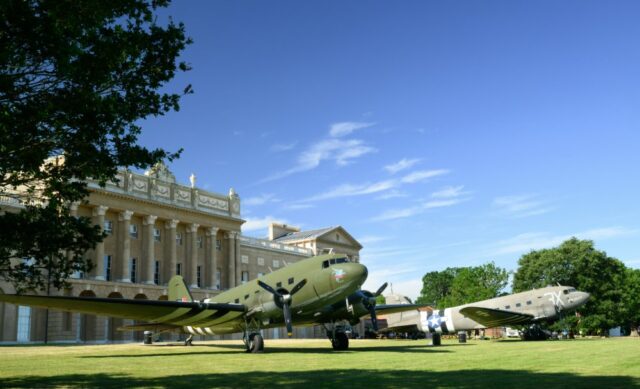
Aircraft remained a significant part of the event, with two Douglas DC-3s displayed on the lawn and flying demonstrations taking place above the estate. The Hanna Aviation Trophy was awarded to Ben Cox’s 1944 de Havilland DH.89A Dragon Rapide. A 1944 North American P-51D Mustang owned by Richard Tyrell and flown by Lee Proudfoot was runner-up.
Here are a few of our favourites from a wonderful weekend in Suffolk…
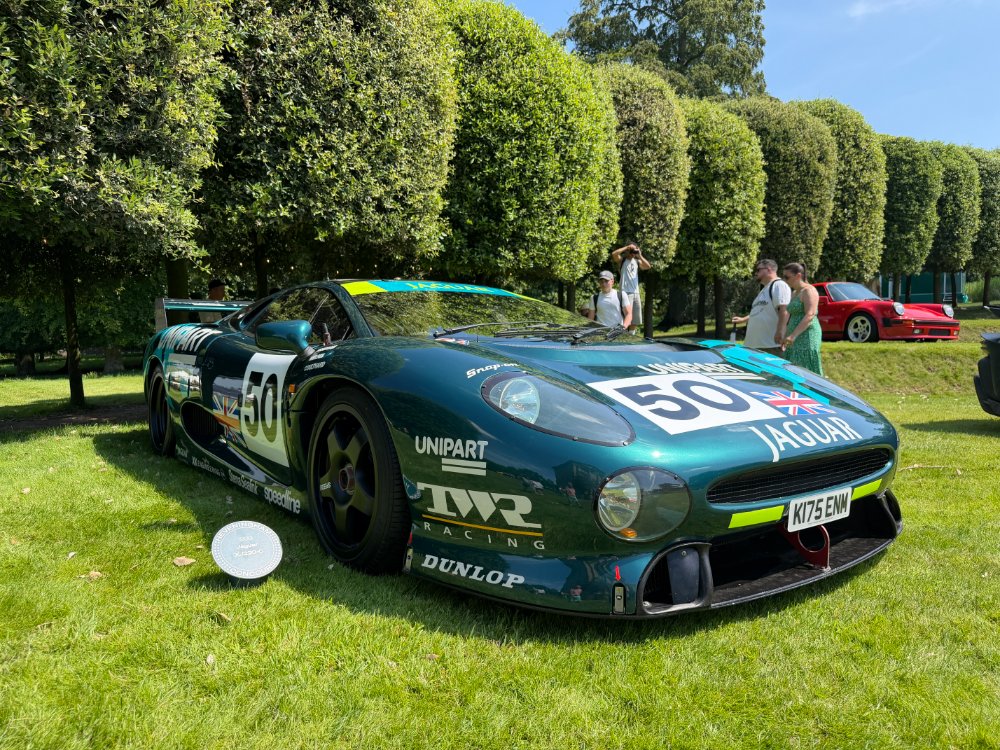
Chassis 002 was one of four XJ220-Cs prepared by Tom Walkinshaw Racing and one of three entered at the 1993 Le Mans 24 Hours. Driven by John Nielsen, David Brabham and David Coulthard, it lost time to a fuel leak during the night before recovering to cross the line first in the GT class. The result was later removed. The car had competed without catalytic converters under IMSA regulations while an appeal over their legality was considered. The appeal was supported by the FIA, but the ACO ruled that it had been submitted too late and disqualified the Jaguar. The 1993 race was Coulthard’s only Le Mans appearance, and the car was subsequently sold to the Sultan of Brunei and did not compete again in period.
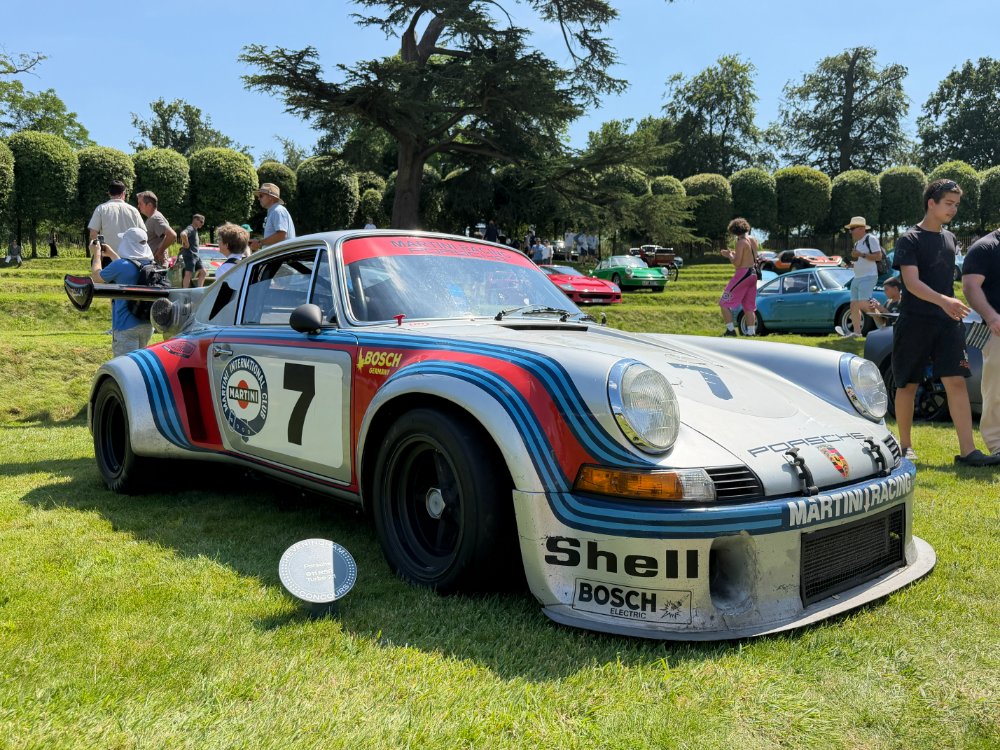
This 1974 Porsche 911 RSR Turbo 2.1 is the first of four RSR Turbos built. Chassis 911 360 0576, known within Porsche as R5, began its competition life in 1973 as a naturally aspirated 2.8-litre Works 911 Carrera RSR. It appeared in four races that season before being selected for Porsche’s early turbocharged competition programme.
During the winter of 1973-74, R5 was rebuilt as the first 911 RSR Turbo development car. Its 2.1-litre turbocharged flat-six produced around 500bhp, while its wider bodywork and greater weight led to the nickname ‘The Tank’. R5 raced once in turbocharged form, at the 1974 Imola 1000km with Manfred Schurti and Helmuth Koinigg, but was not classified. A later owner returned it to its 1973 naturally aspirated form while retaining the removed turbo components. The car has since been reconstructed in its 1974 development specification using those surviving parts.
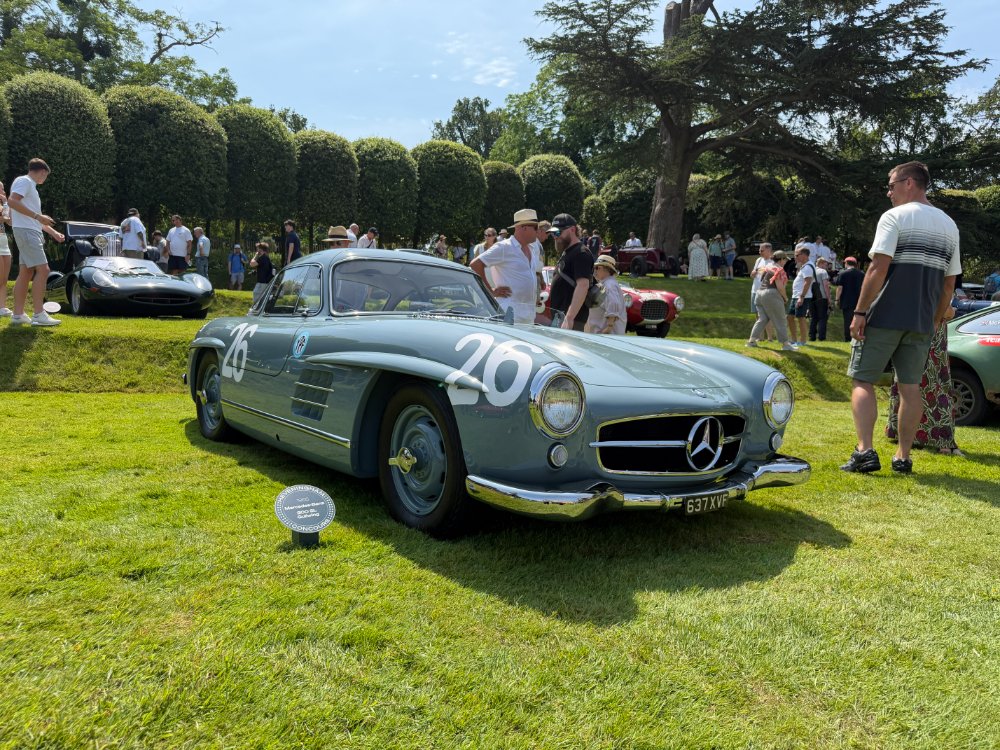
This 1955 Mercedes-Benz 300 SL Gullwing, chassis 5500297, was supplied new to Chilean driver Eduardo Kovacs-Jones and prepared for competition with Rudge knock-off wheels and additional racing equipment. Kovacs-Jones entered it in the 1956 Buenos Aires 1000km, the opening round of that year’s World Sportscar Championship, sharing the car with Raúl Jaras. They drove it from Valparaíso to Buenos Aires before facing Works-entered machinery from Ferrari and Maserati.
The Mercedes finished sixth overall and third in class. Its performance prompted Mercedes-Benz competition manager Alfred Neubauer to send Kovacs-Jones a letter of congratulations, which remains within the car’s history file. Chassis 5500297 also competed in other South American events before leaving Chile.
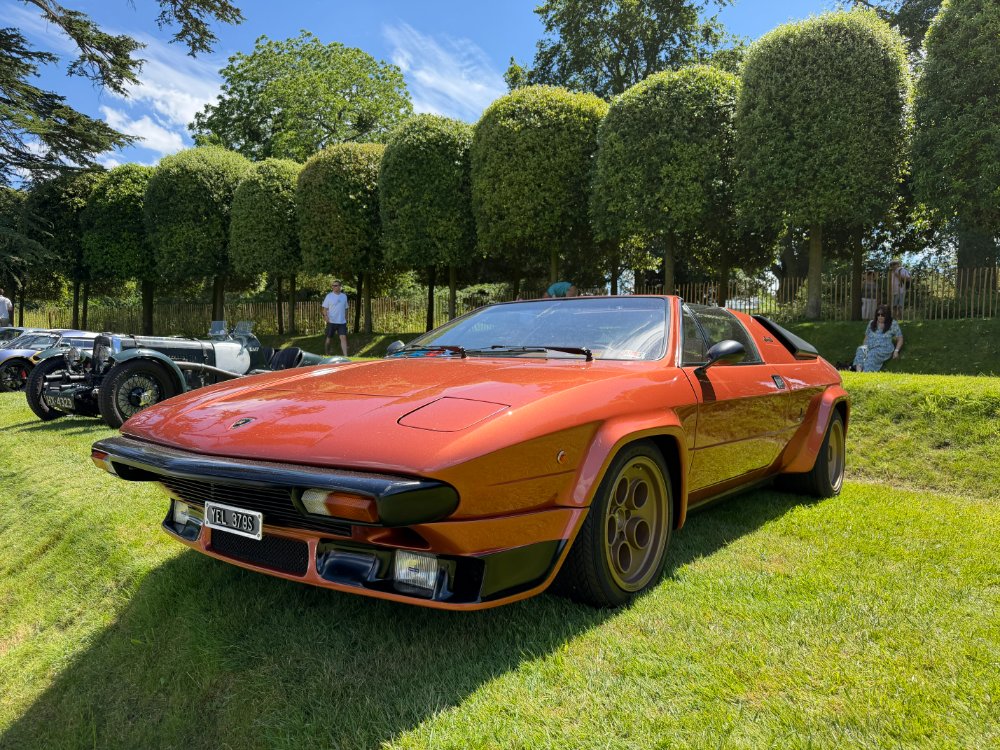
This 1977 Lamborghini Silhouette is chassis 50052, the only car out of the 52 built to be finished in the same Rame Colorado as the Bertone Stratos Zero.
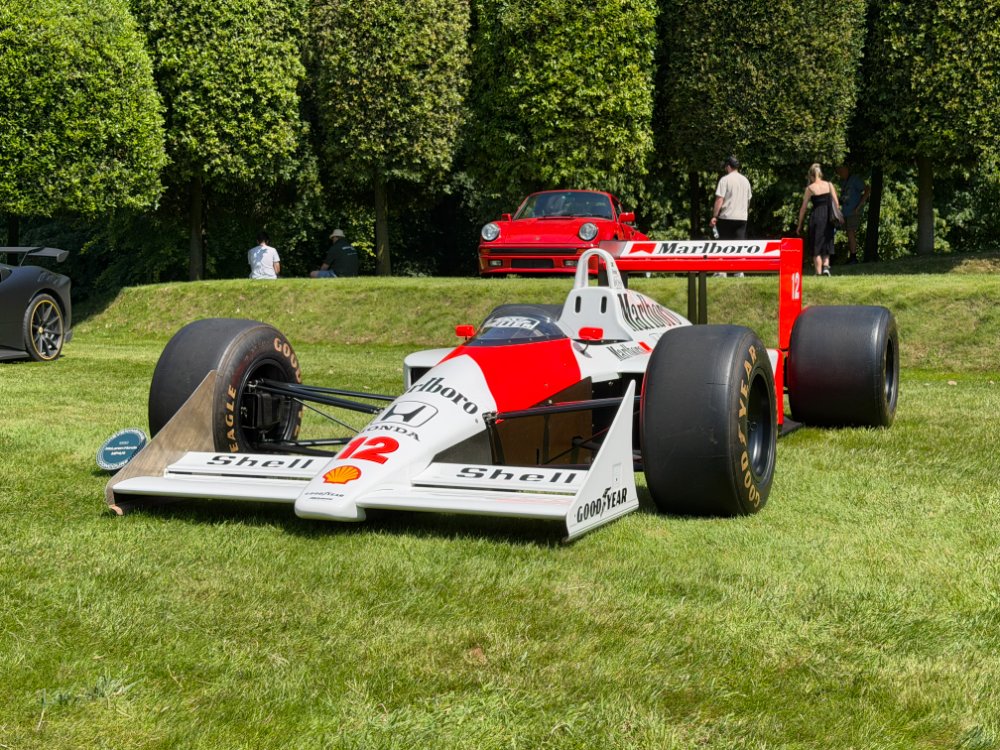
This 1988 McLaren-Honda MP4/4, chassis MP4/4-03, served as McLaren’s principal test car during 1988 and was taken to the opening Brazilian Grand Prix as a spare. It arrived in pieces and was assembled at the circuit, where its carbonfibre nose suffered delamination during practice and had to be repaired.
Ayrton Senna qualified on pole in MP4/4-01, but its gear selector failed at the end of the formation lap. He transferred to chassis 03 and started from the pit lane, climbing through the field to second place. Senna was then disqualified because he had changed cars after the signal beginning the starting procedure. Chassis 03 was the only one of the six MP4/4s built that did not win a Grand Prix. The other five contributed to McLaren’s total of 15 victories from 16 races during the 1988 season.
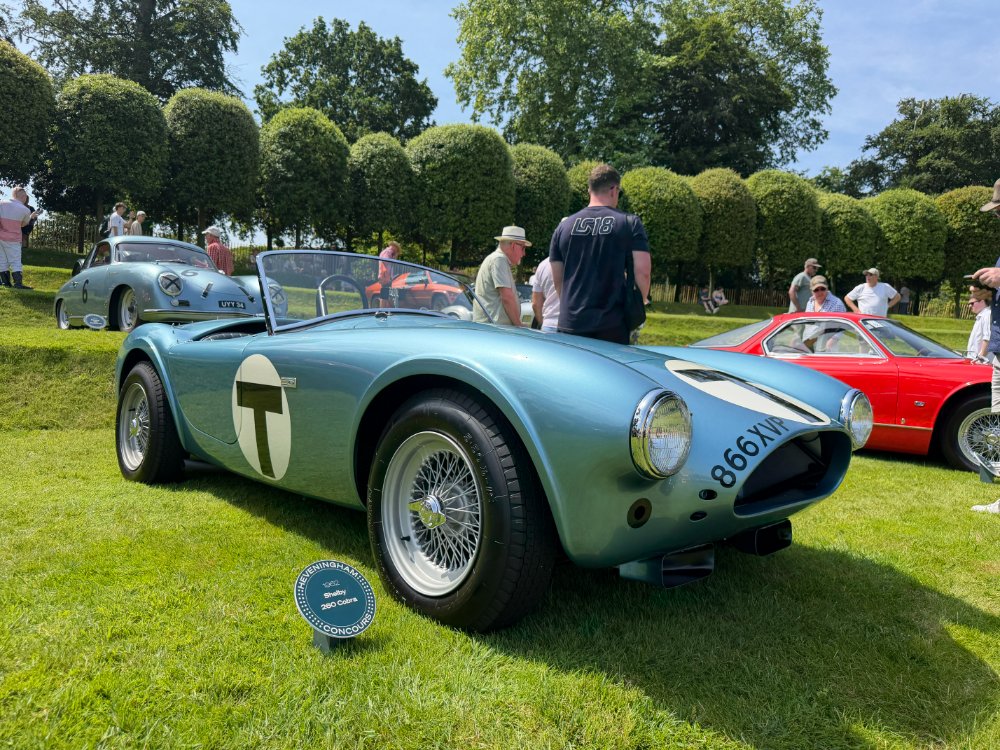
This 1962 Shelby 260 Cobra, chassis CSX2005, was the fifth production Cobra and the sixth built when prototype CSX2000 is included. It was also the first Cobra publicly offered for sale. Its first private owner, Dick Neil, later returned it to Shelby American and exchanged it for the rack-and-pinion CSX2151.
Shelby retained CSX2005 for publicity work. It was repainted black for the 1964 film The Killers, in which it appeared with John Cassavetes, then returned to promotional duties. In June 1964, CSX2005 joined Carroll Shelby’s School of High Performance Driving. It was repainted blue and given roundels for use as an instruction car. The Cobra was later sold and refinished, but has since been restored by Mike McCluskey to its driving-school appearance.
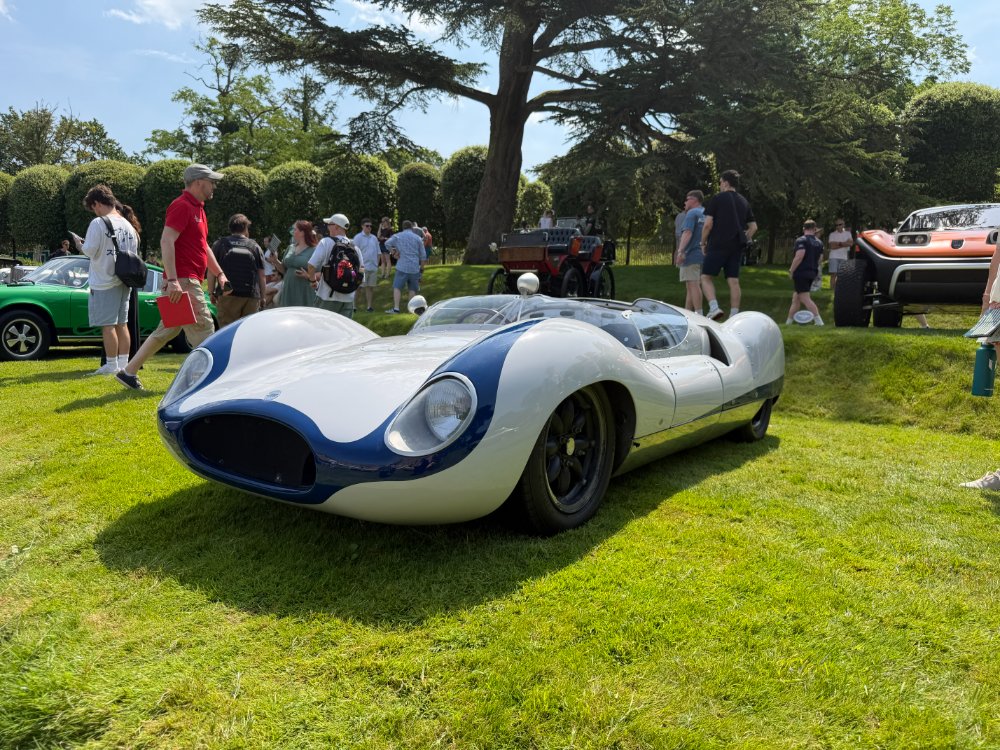
This 1959 Cooper-Climax T49 Monaco, chassis CM/4/59, was completed in April 1959 for Jack Brabham and initially fitted with a 2.0-litre Coventry Climax FPF engine. A 2.5-litre unit was installed for selected events. Run by John Coombs Racing, it finished fifth on its debut at the British Empire Trophy meeting and recorded the fastest lap. Brabham and Bruce McLaren later shared the car in the RAC Tourist Trophy.
Brabham also drove CM/4/59 at the Nassau Trophy in December 1959, six days before the US Grand Prix that decided the Formula 1 World Championship. Despite an eye injury sustained earlier during Bahamas Speed Week, he finished fourth overall and won his class. The Cooper later moved to the US, where Sam Weiss raced it successfully during 1960. It was subsequently modified with Buick V8 power, before later restoration work returned it to Coventry Climax specification.
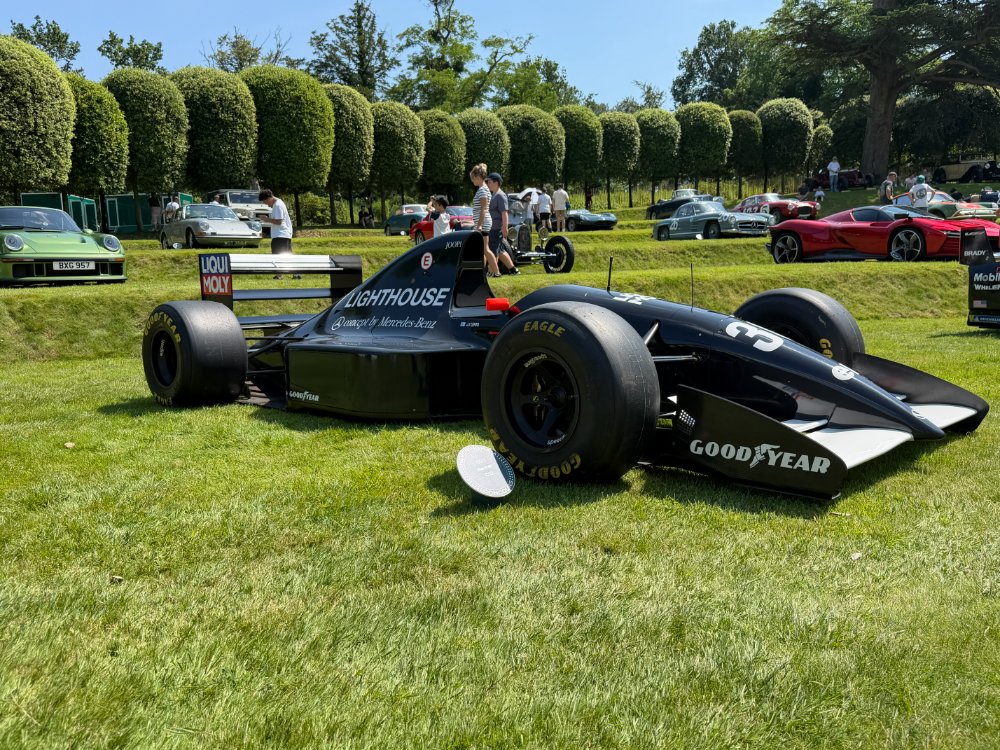
This Sauber C12 is the test car used by Karl Wendlinger and JJ Lehto during the team’s preparations for its first Formula 1 season. Its carbonfibre monocoque was designed under Leo Ress and housed a 3.5-litre Ilmor V10, badged as a Sauber and carrying ‘Concept by Mercedes-Benz’ branding. The car competed once, with Lehto at the 1993 Monaco Grand Prix. Lehto attempted to pass team-mate Wendlinger at Mirabeau, but the two Saubers collided and both retired.
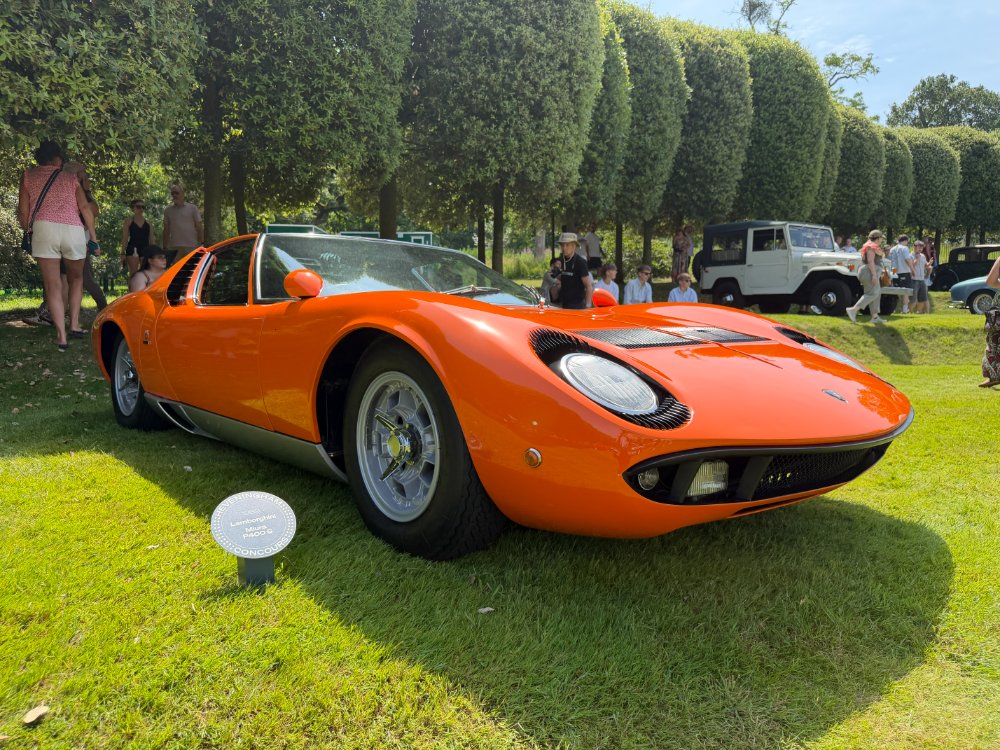
This 1969 Lamborghini Miura P400 S, chassis 3949, was delivered on May 30, 1969 through Lamborghini Concessionaires in London. It is one of 24 right-hand-drive Miura P400 S examples and was supplied new to Peter Hunter Associates. Its second long-term owner acquired the car from its original keeper in 1977 after reading LJK Setright’s account of driving a Miura S from the Lamborghini factory to Britain in Car.
The Lamborghini was used sparingly but enthusiastically, covering fewer than 20,000 miles before restoration began in 2011. Its original interior was preserved, while the bodywork and mechanical components were restored. The work also included a split-sump conversion separating the engine and gearbox lubrication systems.
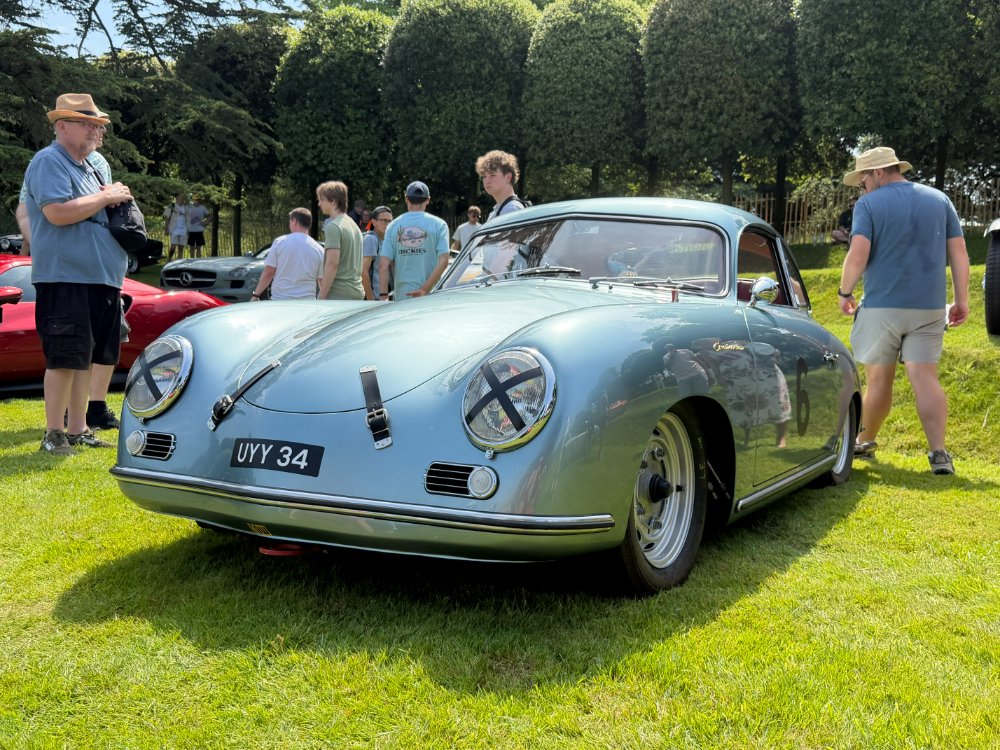
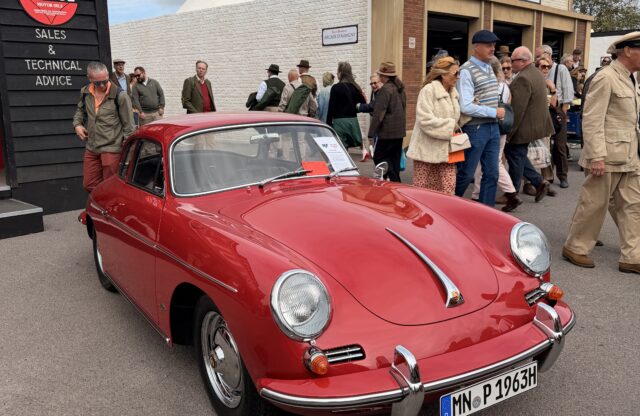
This Porsche 356 Continental, registration UYY 34, was supplied new in Britain to motoring writer Denis Jenkinson. Unlike most Continental-badged 356s, which were exported to the US through Max Hoffman, it remained in Europe. Jenkinson replaced its original 1.5-litre engine with a 1.6 Super unit and used the car extensively while travelling between motor races. He also competed in it, including an eventful appearance in the 1958 Six Hours Relay at Silverstone.
The Porsche later deteriorated and underwent unsuccessful body repairs before Tom Pead acquired it. Its subsequent restoration took 18 months, with the surviving dashboard paint, steering wheel and other original components retained wherever possible. The car returned to competition at the 2023 Goodwood Members’ Meeting.
For more on the 2026 Heveningham Concours, head here.
2026 Heveningham Concours results
Best in Show: 1929 Bentley Blower No. 1 (owner N/A)
Chairman’s Choices: 1932 Bentley 8 Litre Saloon by HJ Mulliner (owner N/A) and 1990/2026 Singer DLS Turbo (Jason Barron)
Hanna Aviation Trophy: 1944 De Havilland – DH.89A Dragon Rapide (Ben Cox)
Horsepower Hill: Porsche Taycan Weissach at 127mph (Gary Lambert)
Class winners
Pioneers & Pre-War: 1928 Bugatti Type 37A (Catherine Coar)
Mid-Century (1946-1965): 1964 ATS 2500 GTS (Nick and Shelley Schorsch of the Audrain Collection)
Post-Modern (1966-1999): 1966 Ferrari 330 GTC (Christy Chiltern-Hunt)
Performance Supercar & Hypercar: 1989 Ferrari F40 (Nick Mason) and 2008 Bugatti Veyron 16.4 (Chris Wilson)
Race & Rally: 1973 Porsche 911 RSR ‘Safari’ (Harry Hunt)
Motorcycles: 1978 Suzuki RG500 XR22A (Freddie Sheene)