

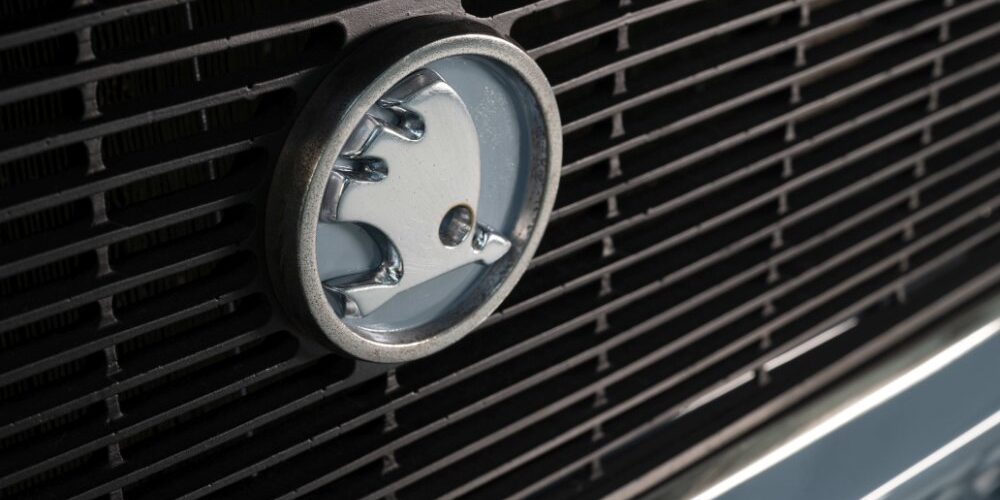
The Škoda Museum has expanded its exhibition programme with the opening of a second dedicated depository space, titled Concepts Unmasked. The new hall follows the launch of the Sleeping Beauties display in December 2025 and forms part of a broader effort to make more of the company’s collection accessible to the public.
Housed within a former factory building dating back to 1913, the new space presents 31 concept cars, design studies and prototypes spanning from the late 1950s to the present day. The exhibits are drawn from Škoda’s internal collection and reflect the marque’s evolving approach to design, engineering and future product development. Together with Sleeping Beauties, the new hall increases the number of additional vehicles on display by more than 50.
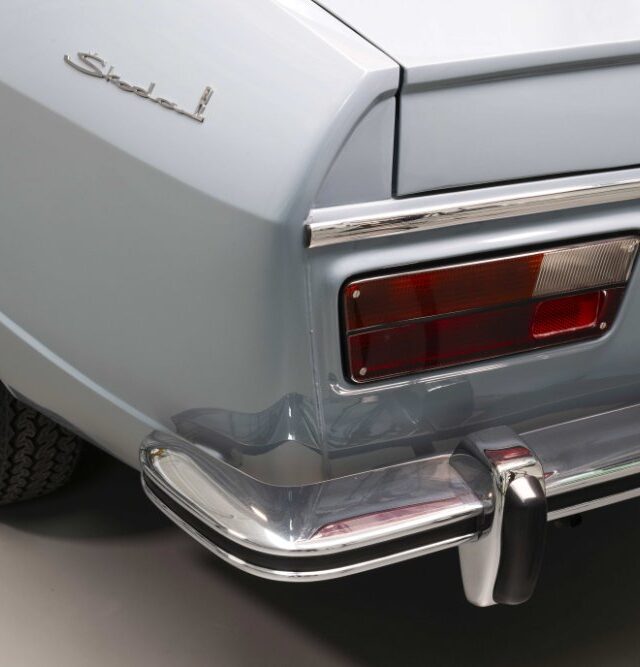
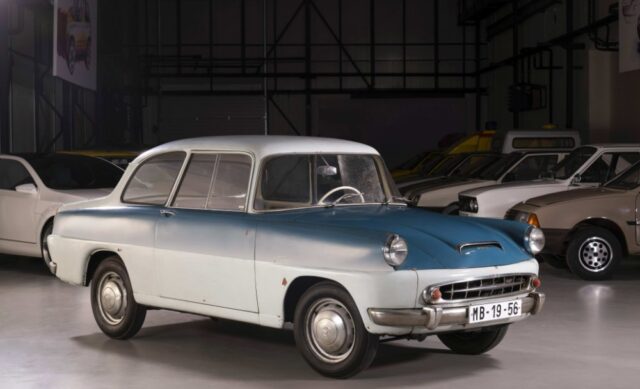
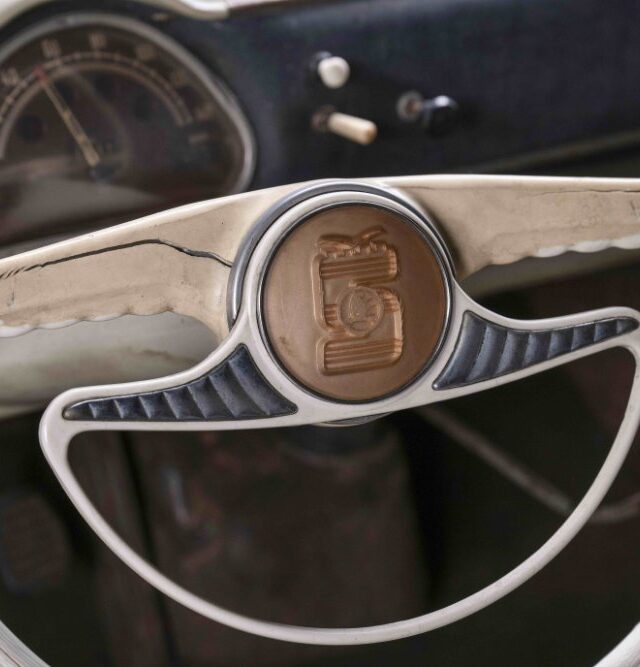
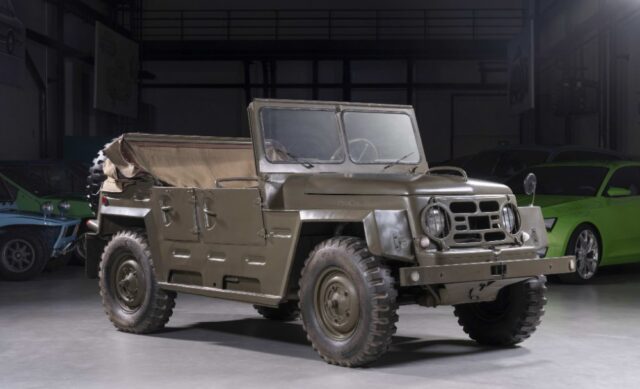
Among the earliest exhibits is the Škoda 973 Babeta (1953), a four-wheel-drive off-road prototype developed for military use, of which around 30 examples were built. It later gained wider recognition through its appearance in a 1960s Czech musical film. Other 1950s and early 1960s studies, including the Škoda 976 and 988, document the company’s exploration of different drivetrain layouts before settling on the rear-engined configuration that would lead to the production Škoda 1000 MB.
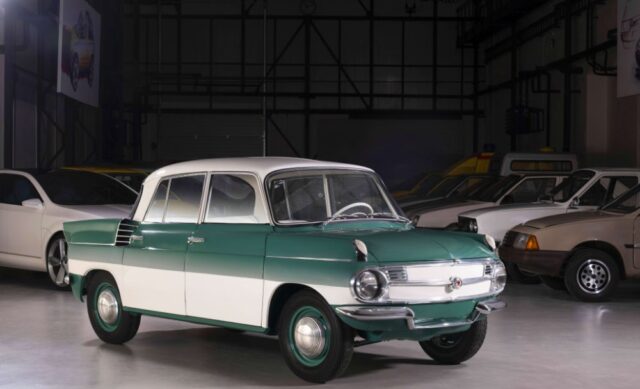
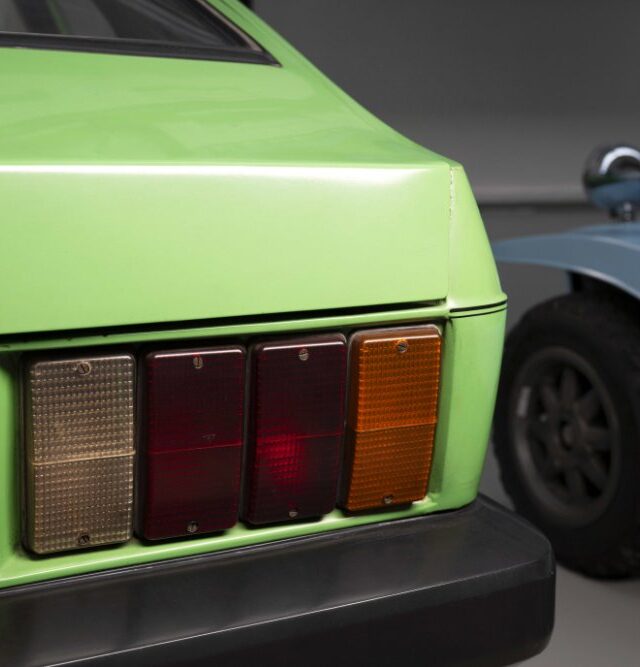
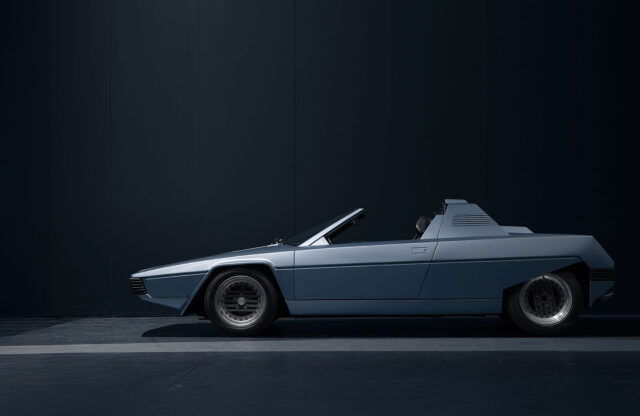
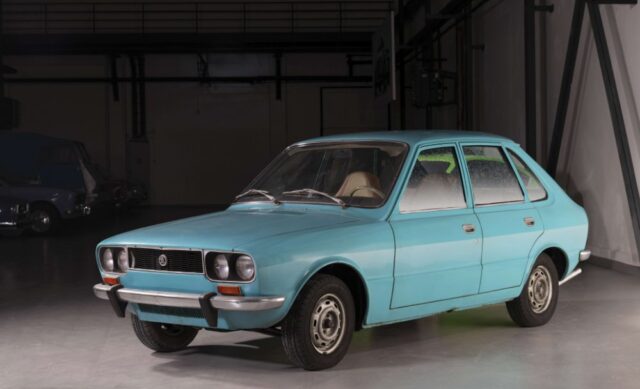
Several unfulfilled variants of that programme are also represented. The Škoda 990 NOV Combi (1963) explored an estate version, while the Škoda 998 Agromobil was conceived as a multi-purpose utility vehicle for agricultural and military use. Both remained at prototype stage. Through the late 1960s and early 1970s, projects such as the Škoda 720 and 740 – the former styled by Giorgetto Giugiaro – illustrate a shift towards more conventional front-engined layouts, although political and economic constraints prevented series production.
This pattern continues with the Škoda 760 and its derivatives, including the 763 coupé, which formed part of a broader but ultimately unrealised development line. Experimental engineering solutions are evident in vehicles such as the Škoda 742 P, which tested a front-mounted powertrain in a platform originally designed with a rear engine. Meanwhile, the Škoda 748 reflects efforts to develop a successor to the successful Škoda 130 RS, although this too remained limited to prototype form.
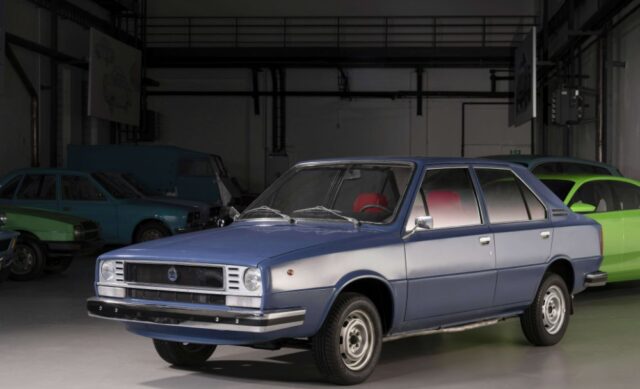
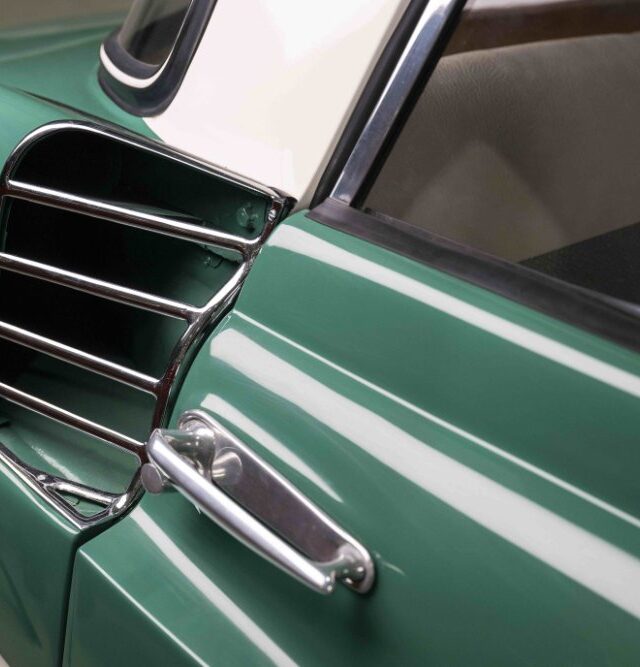
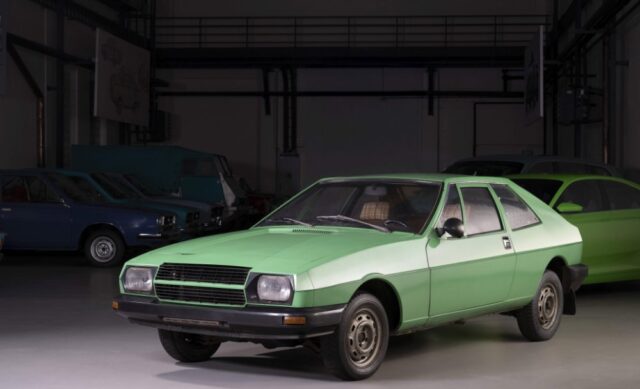
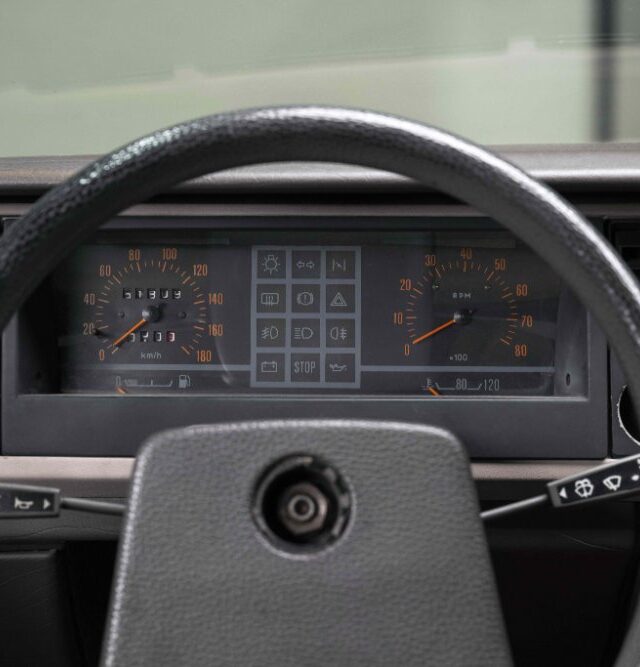
By the late 1970s and 1980s, attention turned to front-wheel-drive architecture, culminating in the Škoda 781 programme that would lead to the Favorit. Prototypes such as the 781 FV2 and related studies, including the 782 and 783, show the breadth of bodystyles considered, from saloons to coupés. Not all reached production, but they demonstrate the transition towards a more modern vehicle layout.
Later exhibits reflect Škoda’s integration into the Volkswagen Group. The Škoda FUN (1993), based on the Pick-up, marked the brand’s first dedicated show car and led to a limited production derivative. Concepts such as the Skoda Tudor (2002) and Roomster (2003) previewed design and packaging ideas that would influence future models, while the Yeti Cabrio (2005) explored alternative interpretations of emerging SUV themes.
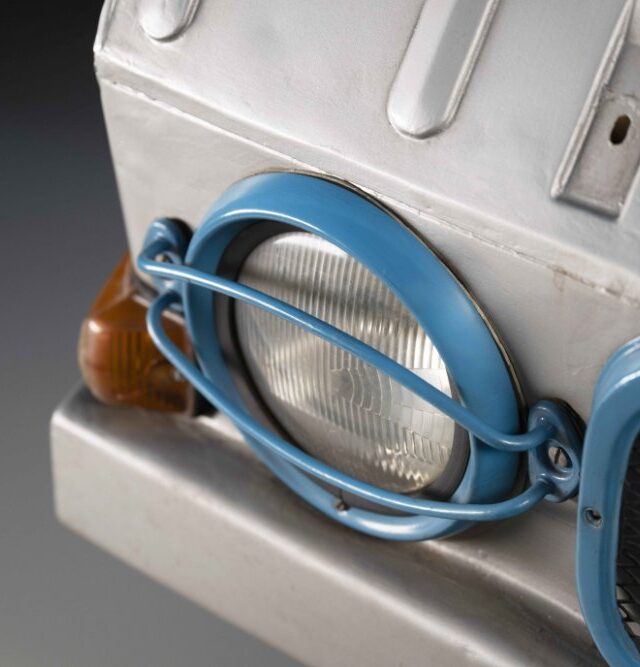
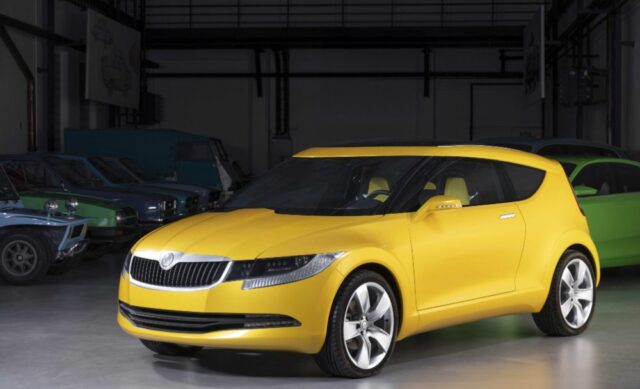
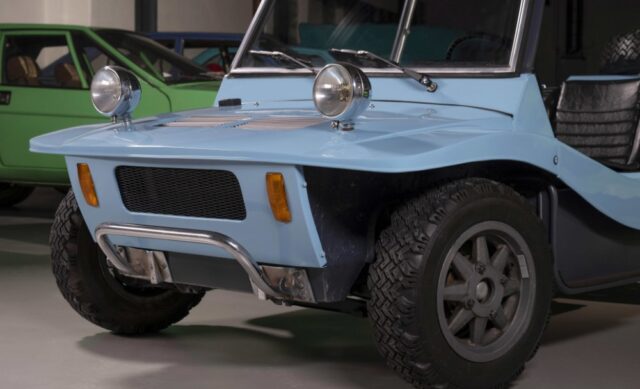
More recent studies, including the Vision D, Vision C and Vision S, illustrate the development of Škoda’s contemporary design language under successive design directors. These projects often served as direct precursors to production models such as the Rapid, Superb and Kodiaq. Electrification and new propulsion concepts are represented by the Vision E and Vision X, the latter marking the brand’s first hybrid concept. The display concludes with the Vision RS and the Modern Solid Small (2023).
The Škoda Museum itself traces the history of the company across more than 130 years, from its origins as Laurin & Klement through to current production and design studies. Opened in 1995 and comprehensively refurbished in 2012, the museum occupies approximately 1800 square metres within the original factory complex in Mladá Boleslav. Its displays include historic road cars, prototypes, competition vehicles and motorcycles, with one of the earliest exhibits being an 1899 Slavia bicycle. Access to both depository spaces is available through guided tours and requires advance booking.
More details on the Škoda Museum are available here.