

The 2026 Rétromobile Paris was perhaps the best yet, with David Lillywhite’s initial impressions here only becoming more vivid as further gems were uncovered over subsequent days. We’ll have more on the Parisian car auctions soon, but here are some of the highlights from this year’s show.
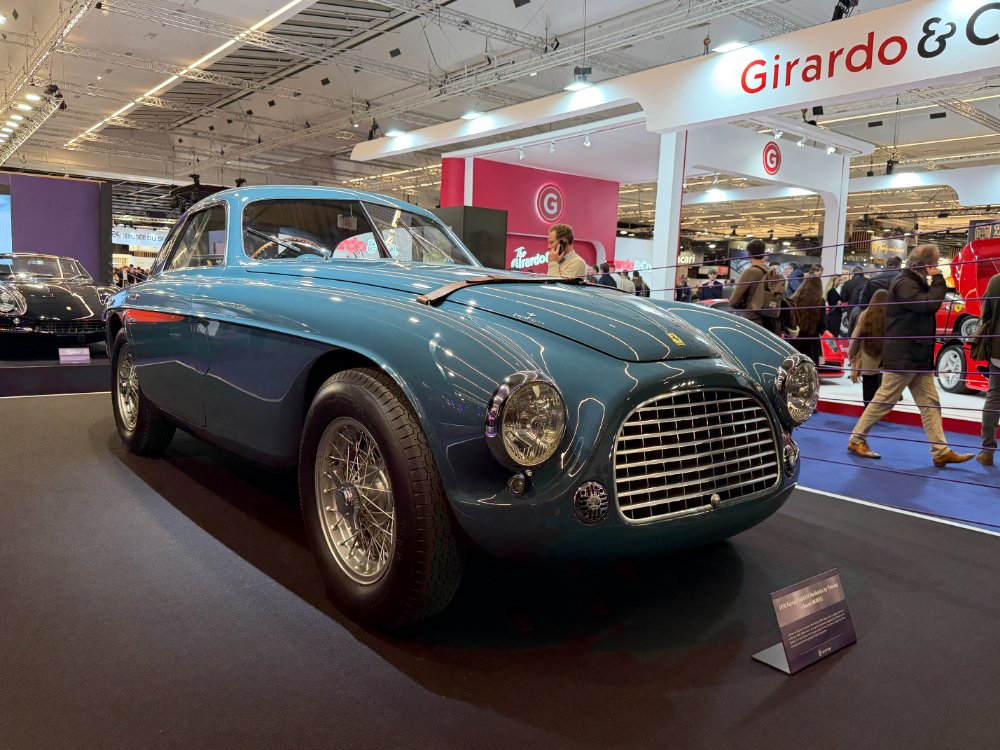
First up was the Kidston stand at the 2026 Rétromobile Paris. While many crowded around McLaren F1 chassis 007, this Touring-bodied 1950 Ferrari 166MM Berlinetta was an undercover hero. Freshly restored by Quality Cars in Padova, this one-of-five car – chassis 0048M – had competed in three original Mille Miglias.
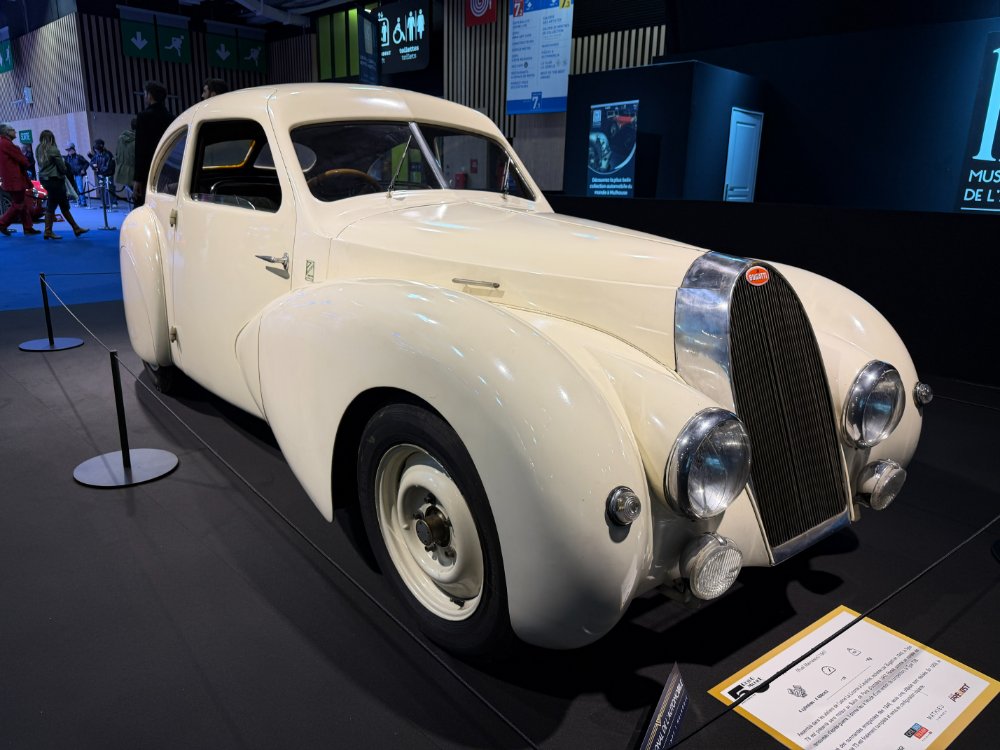
This Pourtout-bodied Bugatti Type 73 is one of only five Type 73 chassis built as an attempt to create a modern, smaller and more economical Bugatti. It featured a rear-mounted four-cylinder 488cc engine and independent rear suspension. Although originally planned as a post-war road model, the 73 morphed into a competition version, the Type 73B. This particular car was returned to road-going ‘Coach’ specification in 1950.
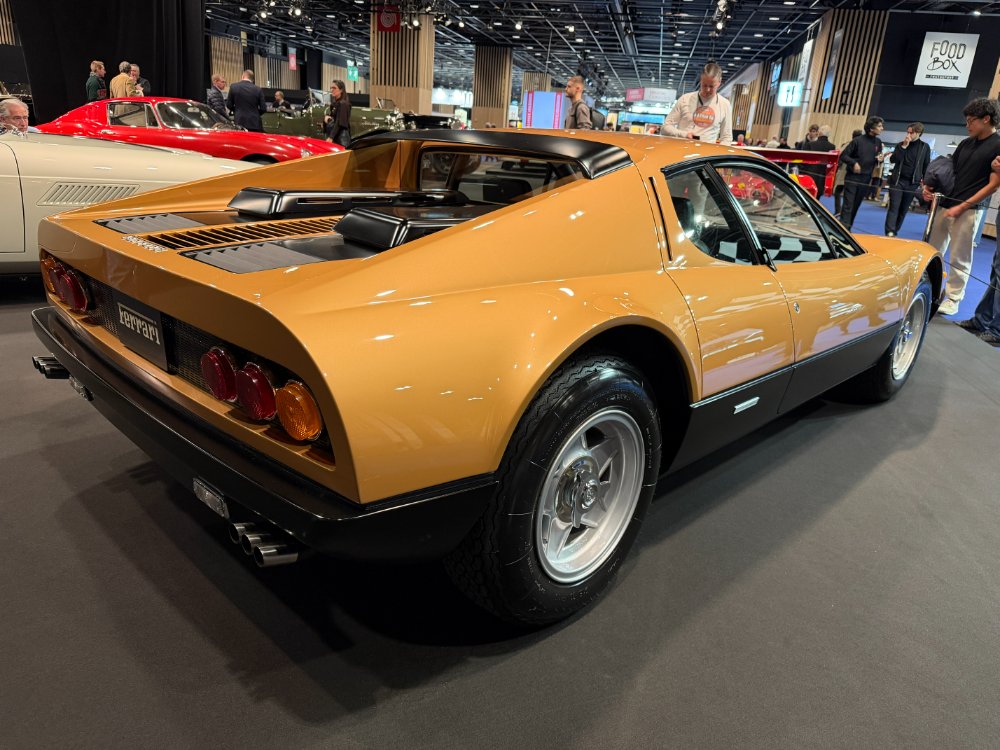
Chassis number 18417, this 1975 Ferrari 365 GT4/BB was delivered new to dealer E Ayache, the official representative in Beirut, Lebanon. It was finished in Nocciola Metallizzato, making it one of six in this colour. It was later repainted red and subsequently found its way to Switzerland, where it was then stored for over three decades before Niki Hasler – the presenting dealer – restored it to the original specification.
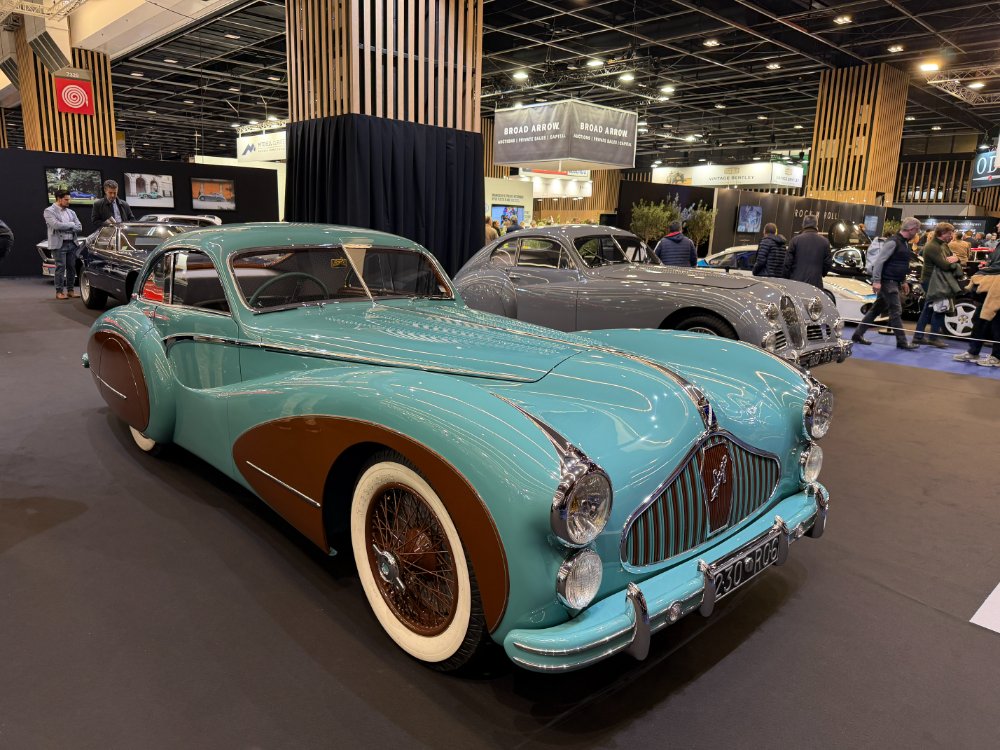
This 1948 Talbot-Lago T26 Grand Sport was on the Axel Schuette stand at the 2026 Rétromobile Paris. Chassis 110101 was the first rolling chassis to leave the Suresnes factory, and it was sent to Saoutchik to receive this body. One of two low-roof examples, it starred at the Paris Motor Show in 1948. More recently it was a nominated for Best of Show at the Pebble Beach Concours d’Elegance 2024, and it won the IHMA Award for the finest restoration worldwide in 2025.
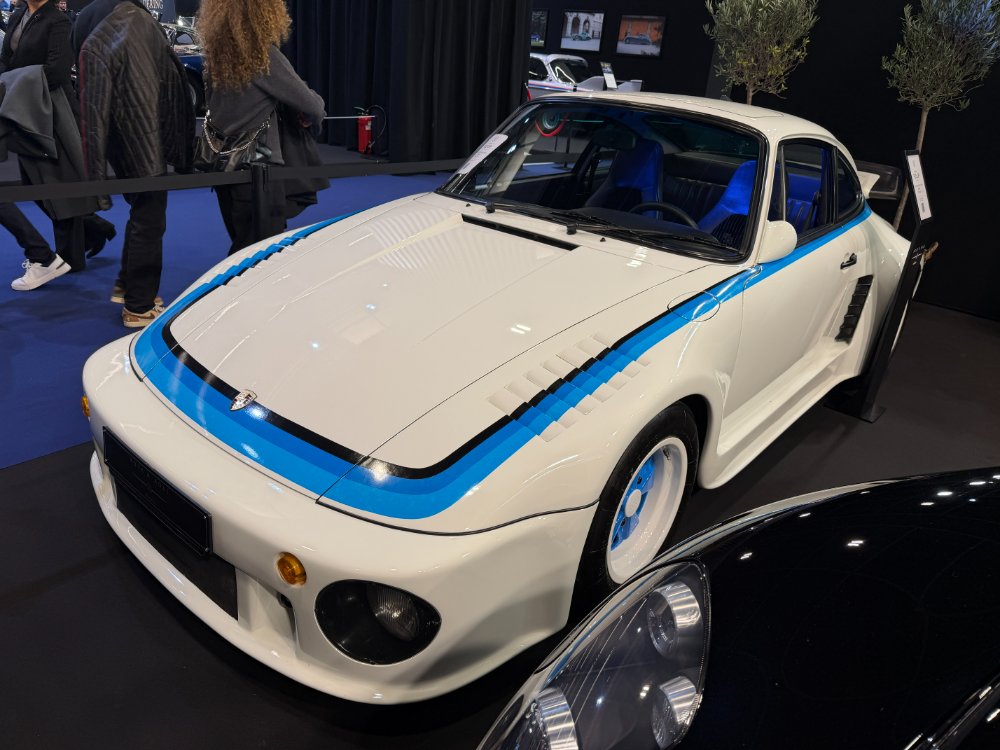
One of four built by DP Motorsport, this 1980 Porsche 935 DP began life as a standard Porsche 930 Turbo. However, it was quickly sent to DP Motorsport in Overath for conversion following the techniques laid out by Norbert Singer and Manfred Kremer for the Kremer K1-3. Mechanical upgrades include revised camshafts, a larger turbocharger, a modified wastegate and an enlarged air-to-air intercooler, as well as deep-dish Fuchs wheels and a 935-aping bodykit.
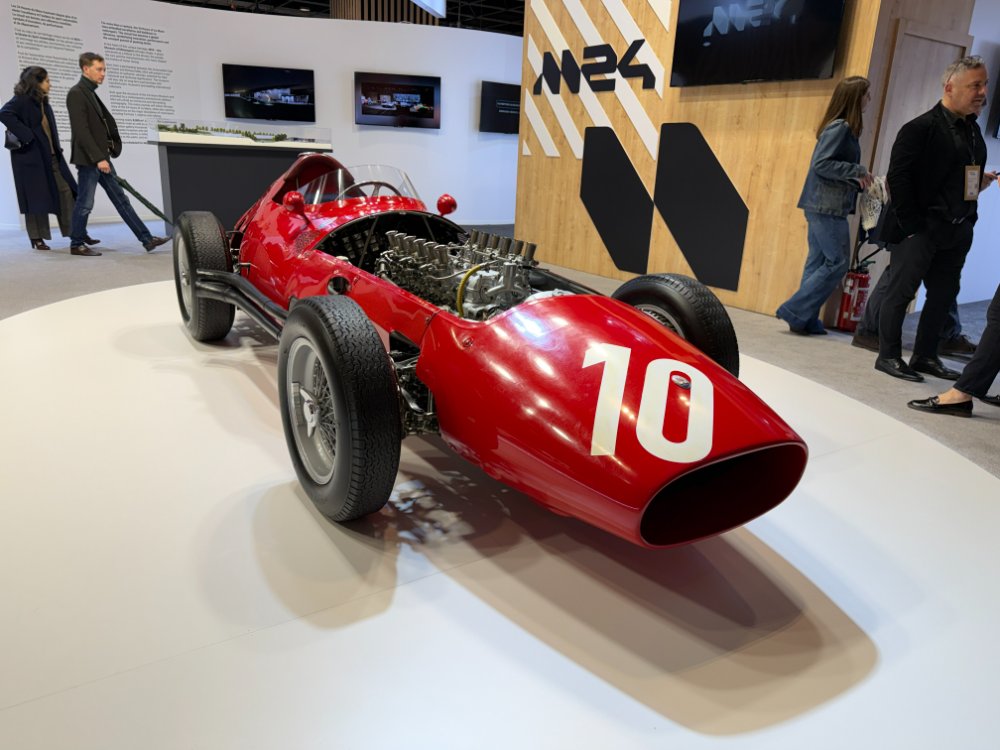
This Maserati 250F, chassis 2531, is one of three built with a V12 engine and the only one to race. Developed to improve smoothness and top-end power compared to the more familiar straight-six, the engine’s extra complexity and weight upset the car’s balance. After Jean Behra’s unsuccessful run in the 1957 Italian Grand Prix, the project was abandoned.
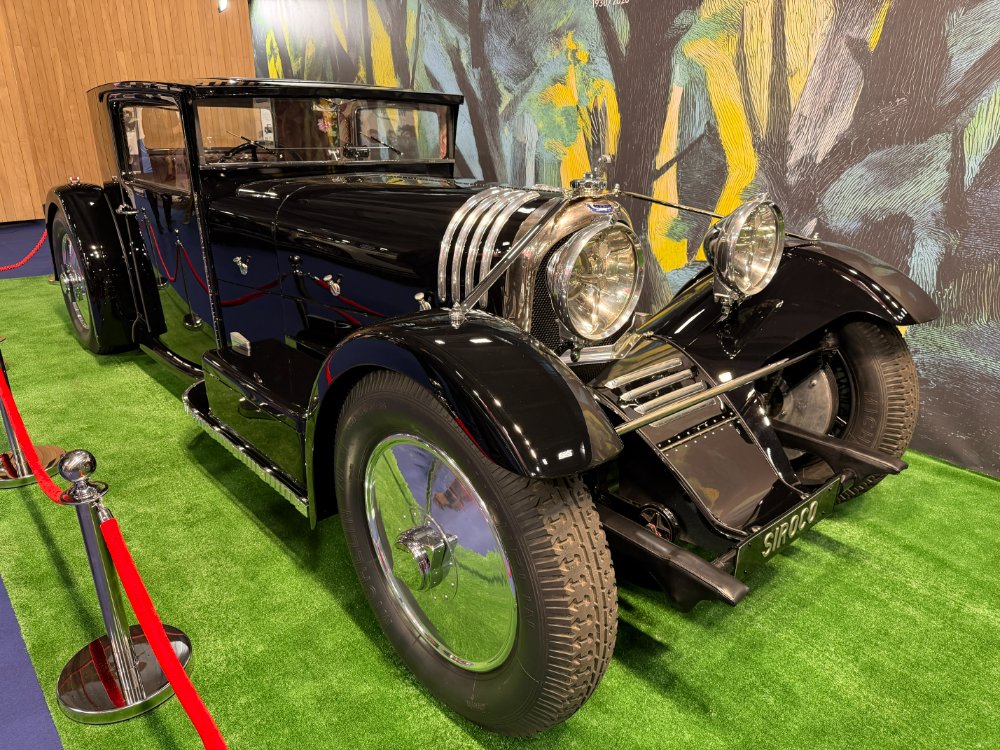
This Avions Voisin C22 Siroco is a Continuation, crafted by Ateliers Tessier, Don Foster and Yacco using original factory drawings and period mechanical solutions.
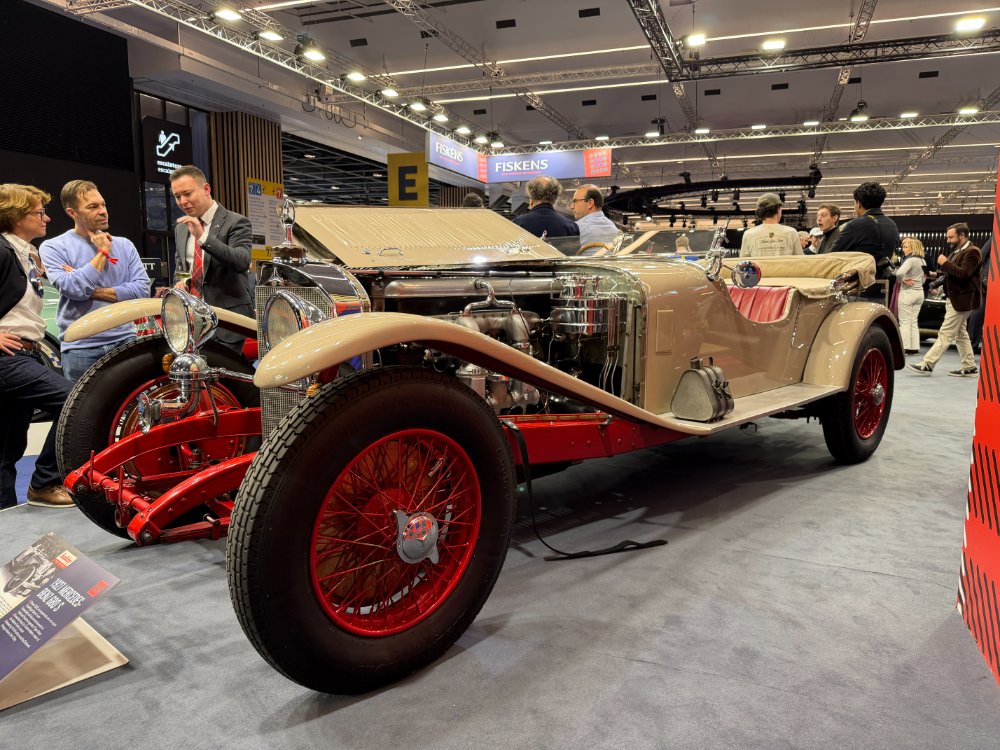
Resplendent on the Fiskens stand at the 2026 Rétromobile Paris, this 1927 Mercedes-Benz 680 S was first bought by Richard Klinger of Maschinen-und Metallwarenfabrik, better known as Klinger GmbH today. Specified with Sports Tourer coachwork via Sindelfingen itself, it remained with Klinger until 1932, when it was sold to American playwright Philip Barry. During Barry’s ownership the car was used primarily in southern France, and it later accompanied Barry and his wife Ellen to the US in 1934, where they settled in Hobe Sound, Florida.
In 1947, ownership passed to Barry’s friend, cartoonist Charles Addams, creator of The Addams Family. He made minor modifications to the Mercedes-Benz, including extending the rear bodywork to improve back-seat comfort. He also competed with the car in period events, including the inaugural Watkins Glen road race and SCCA races at Bridgehampton, where it achieved a class win in 1951.
The next owner, Barclay Morrison, a Mercedes-Benz Club member, undertook a restoration and retained the car until 1960. It then passed to Mark Tutti, who kept it until 1968, followed by Robert A Day of the Keck–Day family of Superior Oil. Subsequent ownership passed to film producer John Calley, who commissioned a comprehensive restoration in the early 1970s by Hill & Vaughn, the company associated with former F1 World Champion Phil Hill. This work included a full mechanical overhaul and the reversal of modifications made during the Addams period.
The Mercedes-Benz was refinished in a taupe-over-red colour scheme inspired by period Saoutchik-bodied 680 S examples. In 1975, shortly after completion of the restoration, the car was acquired by Japanese industrialist and inventor Yoshiyuki Hayashi. In 1995, Hayashi’s collection was sold in its entirety to Bernie Ecclestone, who retained the 680 S for a year before selling it at a Brooks auction held at the former Mercedes-Benz Museum in Stuttgart. The purchaser was Dutch collector Etienne Veen, who brought the car to the UK, where it remained for the next 17 years and participated in events such as the Mille Miglia Storica. In 2013, the Mercedes-Benz entered its current ownership and was returned to Germany for the first time since 1932.
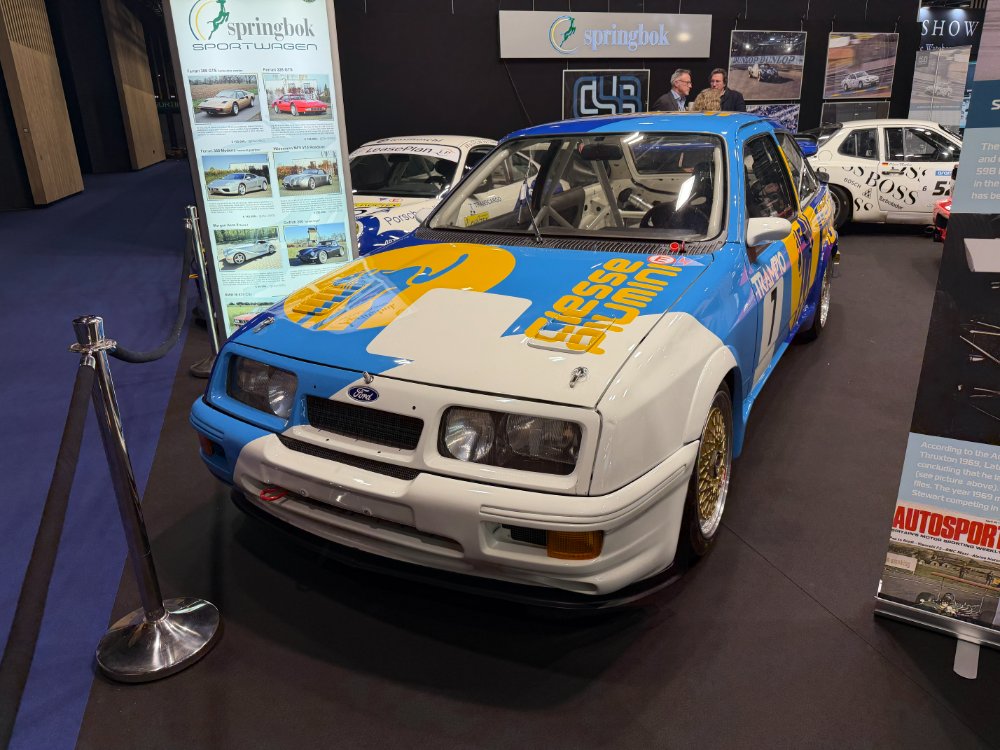
This Ford Sierra RS500 Cosworth was prepared for the Japanese Touring Car Championship’s Team Trampio by Eggenberger Motorsport. Klaus Niedzwiedz took the title and the prestigious Fuji 500 in this car. The livery went on to become even more famous via a highly popular Tamiya model kit, while the car itself raced in the JTCC for two further seasons before entering a private Japanese collection. It still retains its original Eggenberger engine.
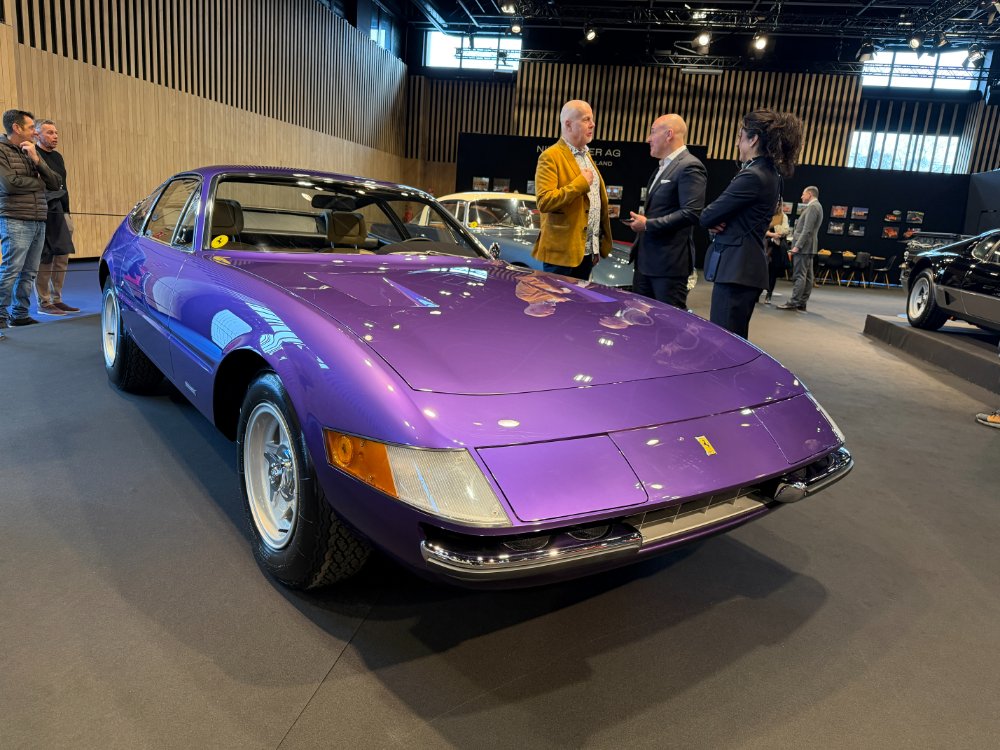
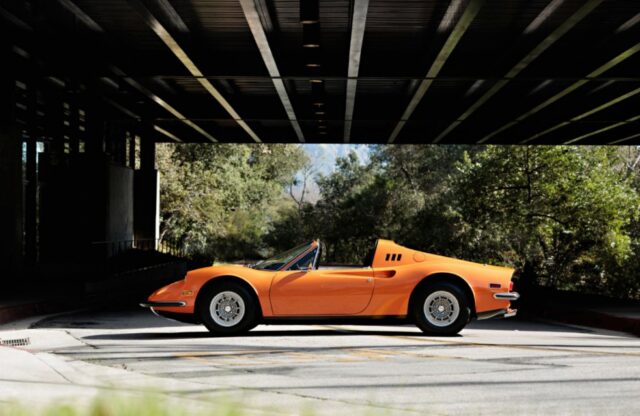
Chassis 15109, this Ferrari 365 GTB/4 Berlinetta is one of seven finished in Viola Dino Metallizzato and first delivered to WAVAF of Geneva, Switzerland in 1972. It was then sold to Willis R Fisher Performance in California, before passing through several German and Switzerland owners throughout its life. It was restored by Niki Hasler in 2022.
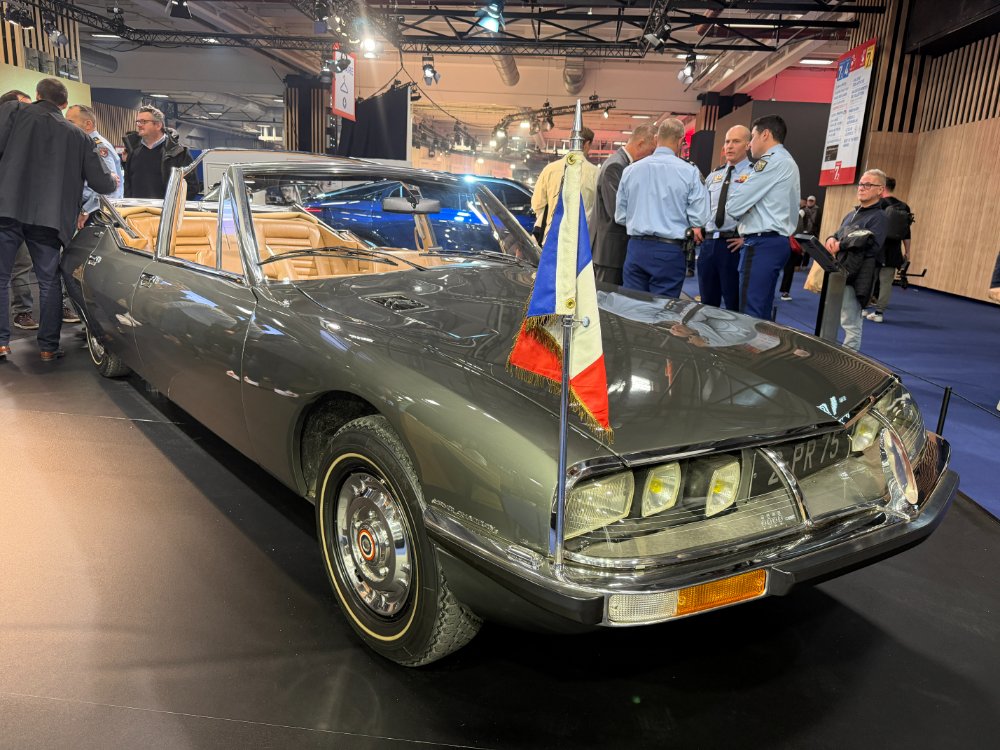
Announced at the Élysée Palace on May 12, 1972, this Citroën SM Présidentielle is one of two built by Henri Chapron. The body was comprehensively re-engineered, with the wheelbase stretched by 71cm to give a total length of 5.60 metres – a full 71cm longer than the production car. Kerbweight rose to 1780kg, necessitating revisions to braking, suspension calibration and tyres. Four-wheel disc brakes were retained, with altered brake bias to suit the longer, heavier car.
A five-speed manual gearbox was fitted, its ratios adapted for extended low-speed running – an acknowledgement that these cars would spend much of their lives progressing slowly through crowds. Interestingly, the front seats were spaced to allow the installation of a grab strap for an interpreter. Over the following years, the SM Présidentielle would serve successive Presidents of the French Republic: Georges Pompidou, Valéry Giscard d’Estaing, François Mitterrand and Jacques Chirac.
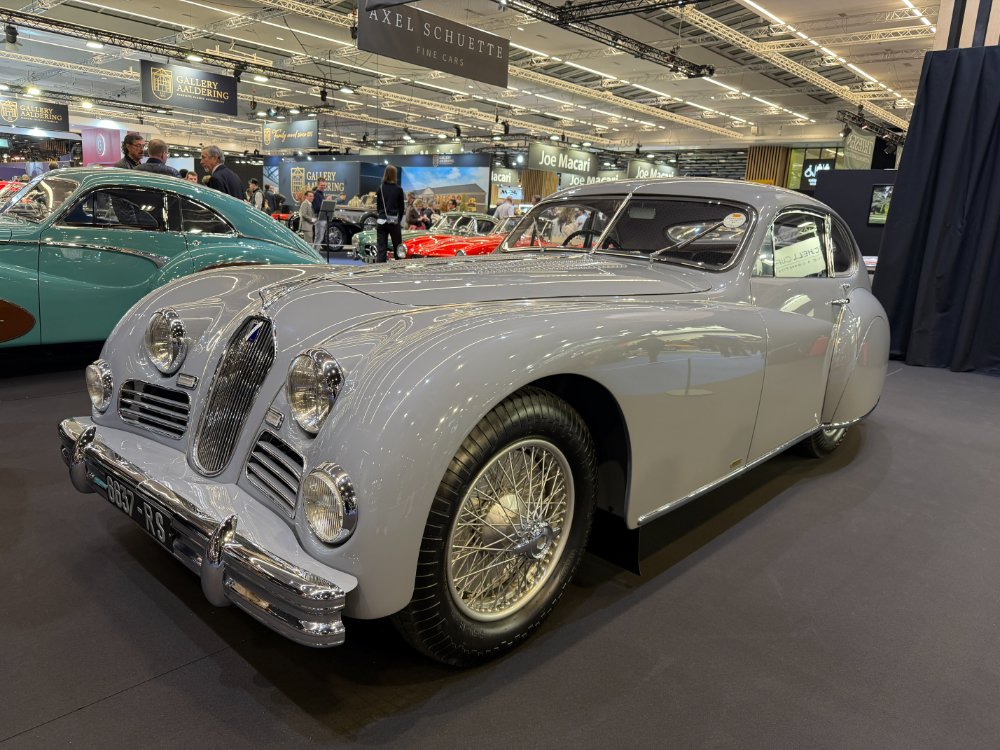
This 1949 Talbot-Lago T26 Grand Sport is one of three bodied by Antem. It was commissioned by Michel-Paul Cavallier, the French steel magnate and a member of the Talbot-Lago board, who would later hold a similar position at Ferrari. It’s one of two Grand Sport road cars built with a twin-spark, 12-plug cylinder head and an all-aluminium engine block, directly derived from Talbot’s Grand Prix cars. It also has a dry-sump lubrication system, high-compression pistons, a special exhaust, a large oil cooler and a Grand Prix braking system.
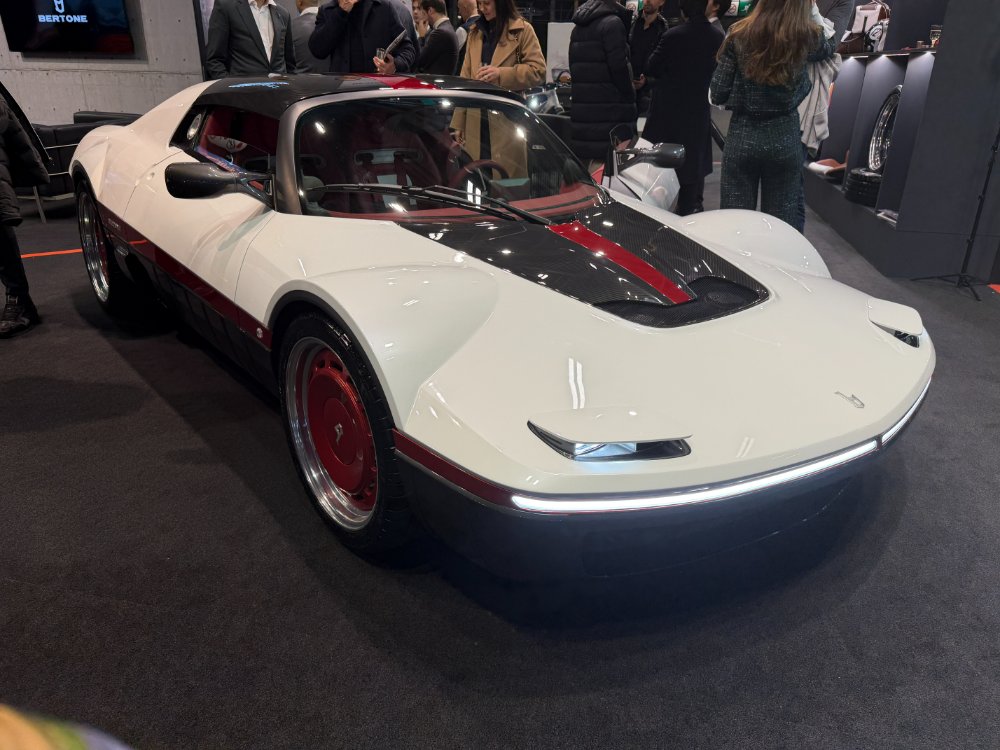
At the 2026 Rétromobile Paris, Bertone unveiled its Runabout publicly for the first time. A homage to the original Gandini-designed Autobianchi Runabout of 1969, the new car features a supercharged Toyota V6 sourced from a Lotus Exige, but sitting in a bespoke chassis. Just 25 will be built – more details here.
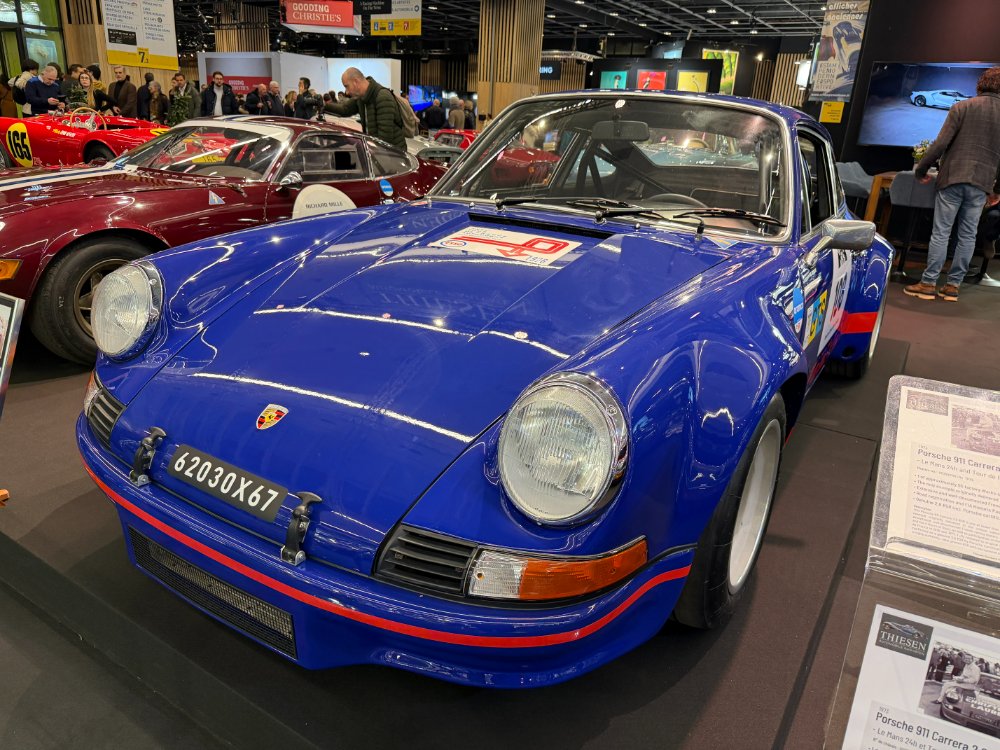
This 1973 Porsche 911 Carrera 2.8 RSR is one of 55 Works-built cars and the only one delivered in the Seeblau hue. Chassis 9113600711 won the Dijon Four Hours and Circuit Des Vosges with Dominique Thiry and Jacques Henry in 1973, and was used in several events in 1974 by Claude Pigeon. In 1975 it took part in the Le Mans 24 Hours, with Pigeon teaming up with Joël Laplacette and Alain Leroux to finish 25th.
In 1976 it was converted to Group 5 specification and took part in the Tour de France, a feat it repeated in 1977 with Bernard Béguin and Raymond Touroul, which ended in retirement. It returned to Group Four specification in 1978, and in 1978 it took part in the Tour de Corse. In 1980, it was used by Pierre Loubet for rallying.
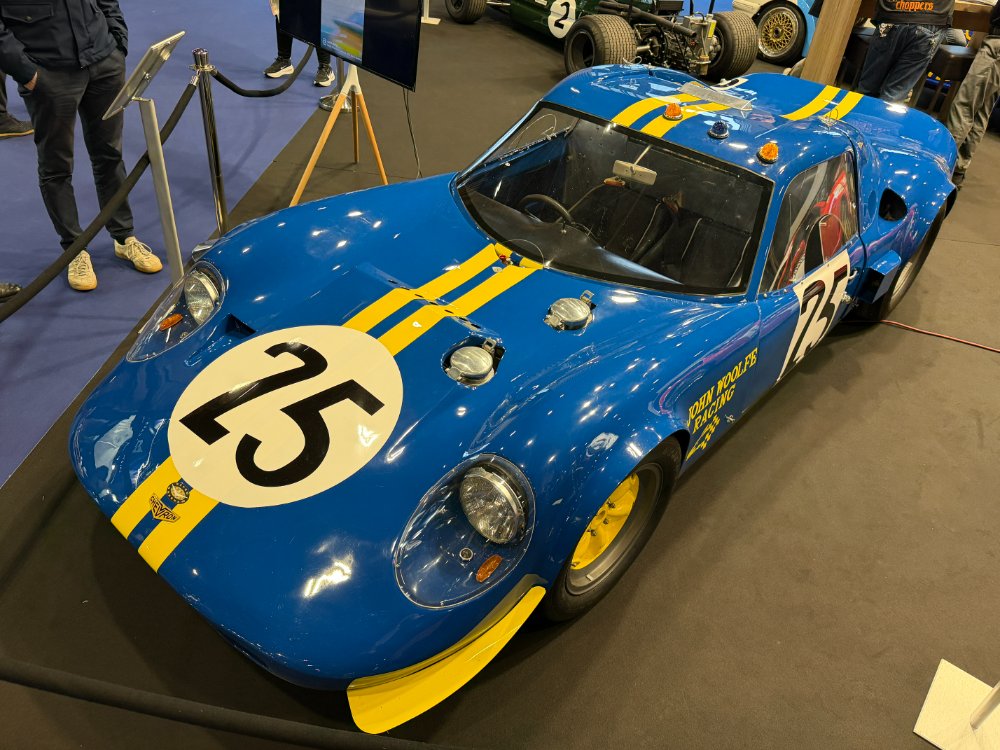
This Chevron B12 was built bespoke for John Woolfe with a Repco-Brabham 3.0-litre V8. Woolfe, who would die at Le Mans in 1969 in a Porsche 917, used his racing-industry contacts to acquire F1-spec magnesium uprights, brakes and wheels. Woolfe would race the Chevron throughout 1968 at events such as the Le Mans 24 Hours as well as at Brands Hatch, Monza, the Nürburgring and Watkins Glen.
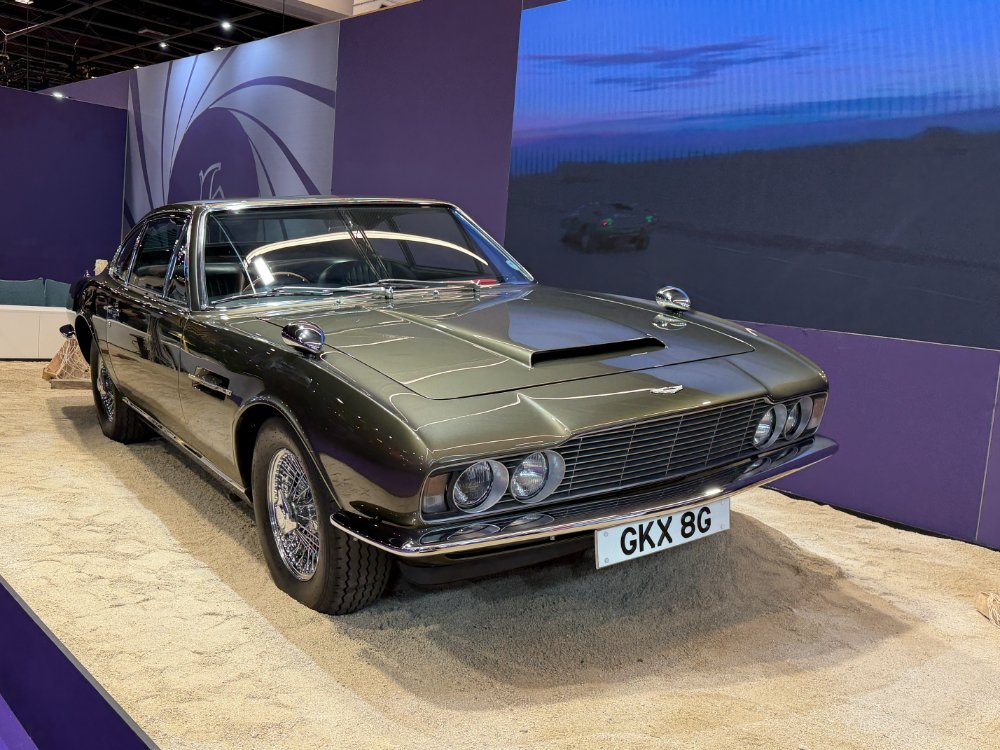
A very personal car on the Kidston stand – it’s not for sale – was this Aston Martin DBS. It wasn’t just any DBS, either – it was the hero car from James Bond film On Her Majesty’s Secret Service, and has just finished an extensive restoration.
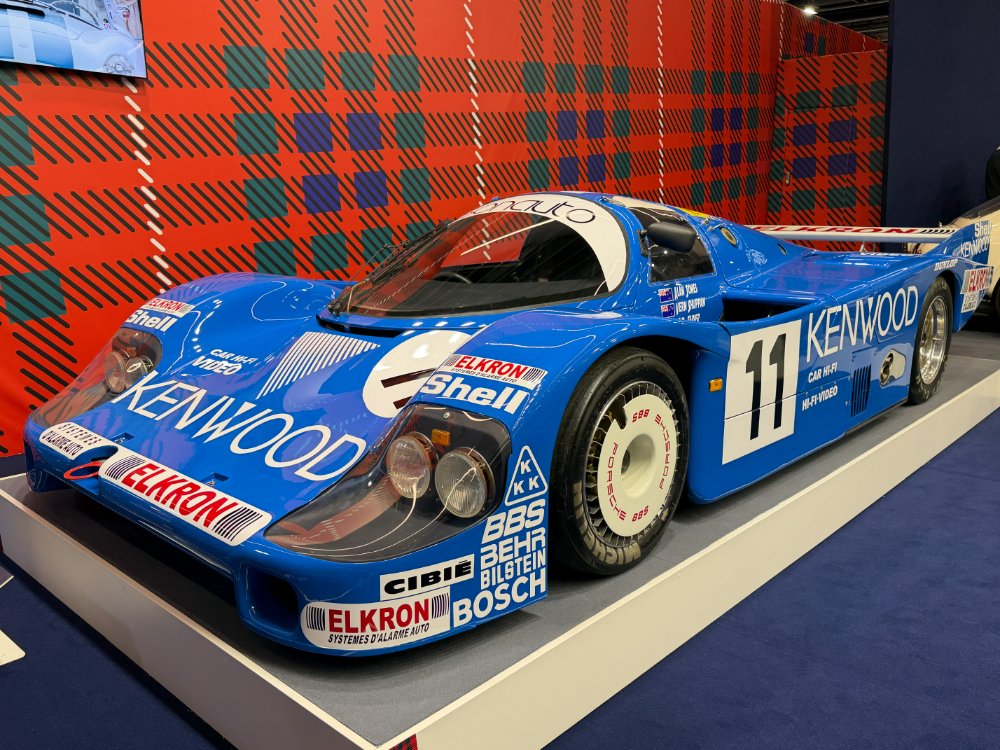
This 1984 Porsche 956B, chassis 115, is one of six B-specification examples built by the Porsche factory. It was destined for Kremer, who would prepare the car for Alan Jones, Vern Schuppan and Jean-Pierre Jarier for the 1984 Le Mans 24 Hours. After leading early on, by the sixth hour a tangle with the WM P83B meant a stop for bodywork repairs. The car was back up to third by Sunday morning, but engine problems with two hours to go dropped it to sixth. Two weeks later Manfred Winkelhock won at the Norisring, and it scored points in three of the remaining World Endurance Championship races that year.
In 1985 the 956B scored three top-eight finishes before returning to Le Mans with Sarel van der Merwe, George Fouché and Mario Hytten, which netted fifth. The car was then sold to Alpha Cubic Racing Team in Japan for two seasons in the All-Japan Sports Prototype Championship. Kremer bought the Porsche back, and in the late 1990s the car passed through the collections of Tony O’Neill and Henry Pearman before changing hands again.
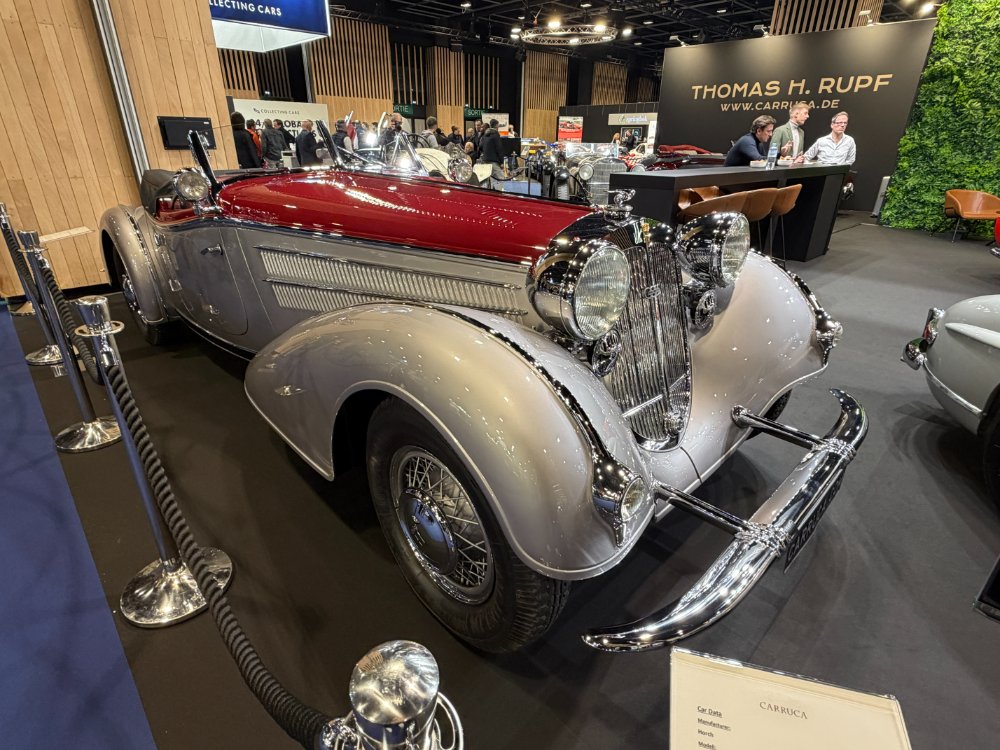
This 1938 Horch 855 Special Roadster is one of seven with a body produced by Gläser in Dresden. The roadster body has been rebuilt with an 853A engine and other contemporary Horch parts.
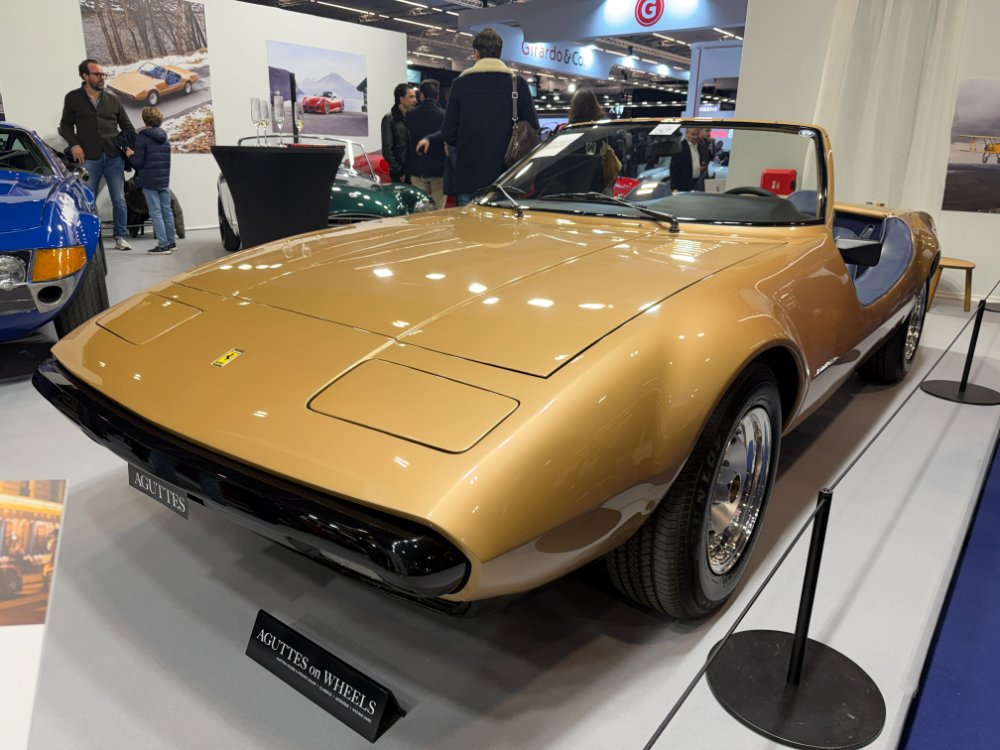
Built on Ferrari 365 GT mechanicals, this one-off Michelotti creation was developed and built for Sheikh Al Thani, the Emir of Qatar. Chassis 16017 had originally been sold to a surgeon in Switzerland, but by the mid-1970s it was in the hands of Willy Felber, a Ferrari importer and manufacturer. Michelotti replaced the doors with leather-clad sills, and the radio and heater were ditched. Al Thani pulled out of the deal as funds became tight in the aftermath of the 1973 oil crisis, and the car has passed through several European collections since.
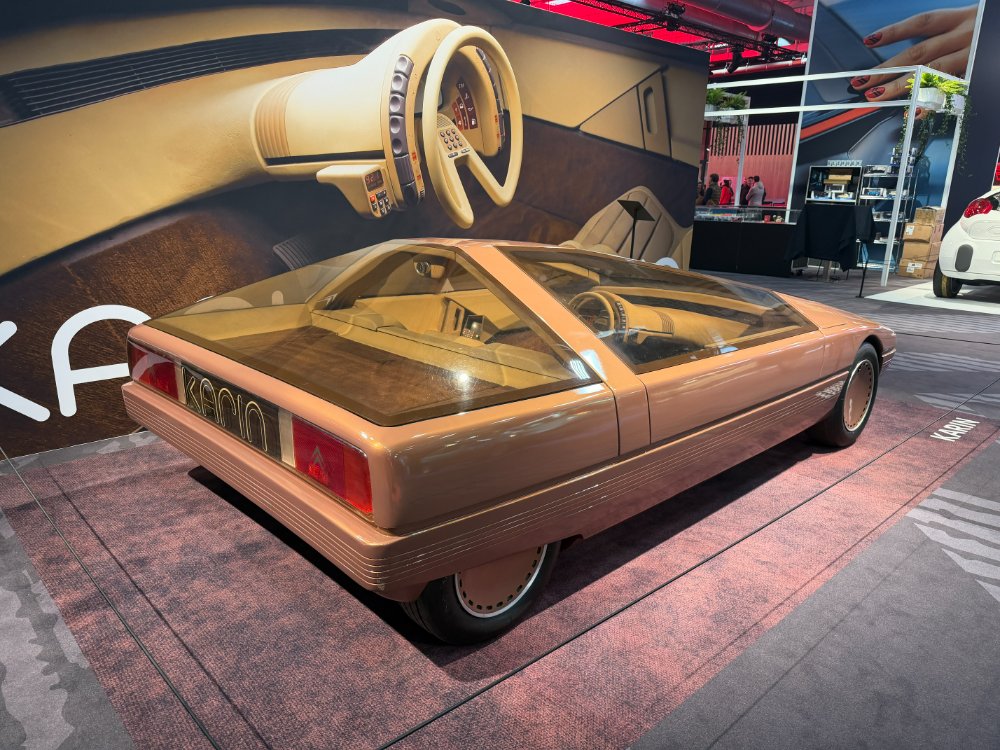
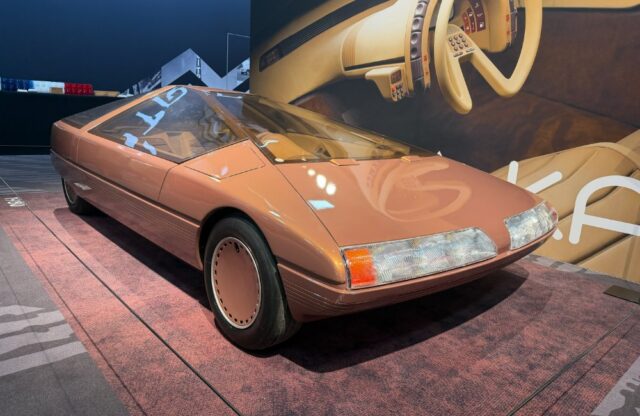
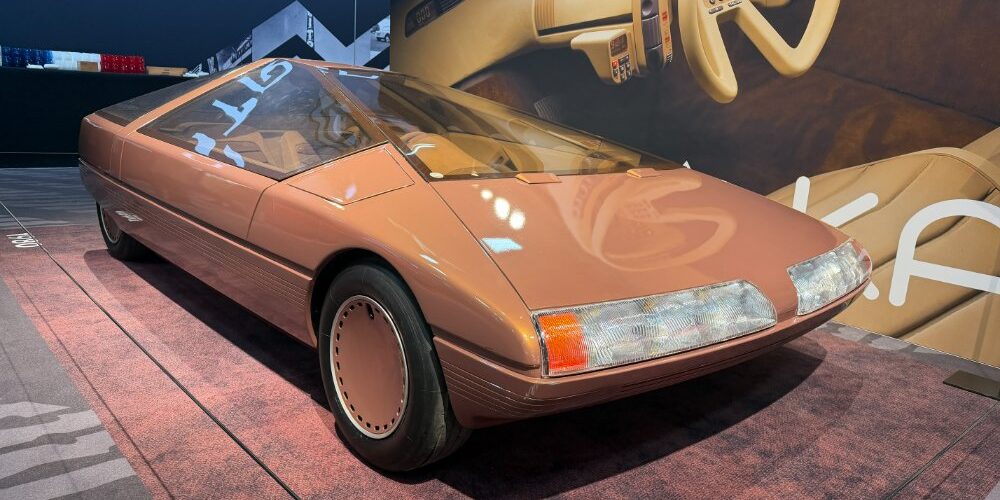
The Citroën Karin concept car was designed by Trevor Fiore for the 1980 Paris Motor Show. It features a central driving position, flush glass panels, faired wheels and butterfly doors – and it pioneered electronic screens, rather than traditional instruments; pop-up computers were also installed in the door panels.
More details on the 2026 Rétromobile Paris can be found here.