

How do we keep events relevant? How do we ensure that new generations of car owners come along to concours? And how do we even make concours judging work for more modern machinery? These questions have been asked for decades, but they are becoming ever more important.
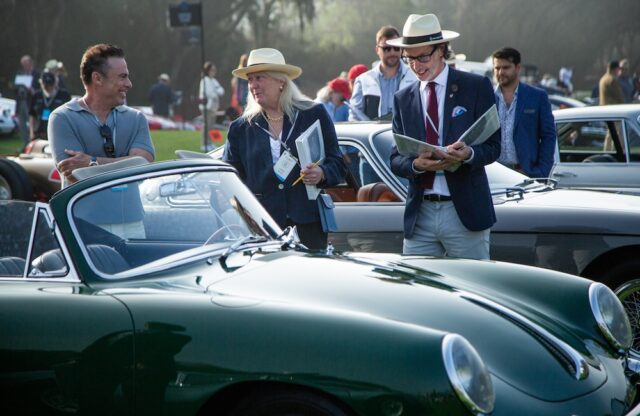
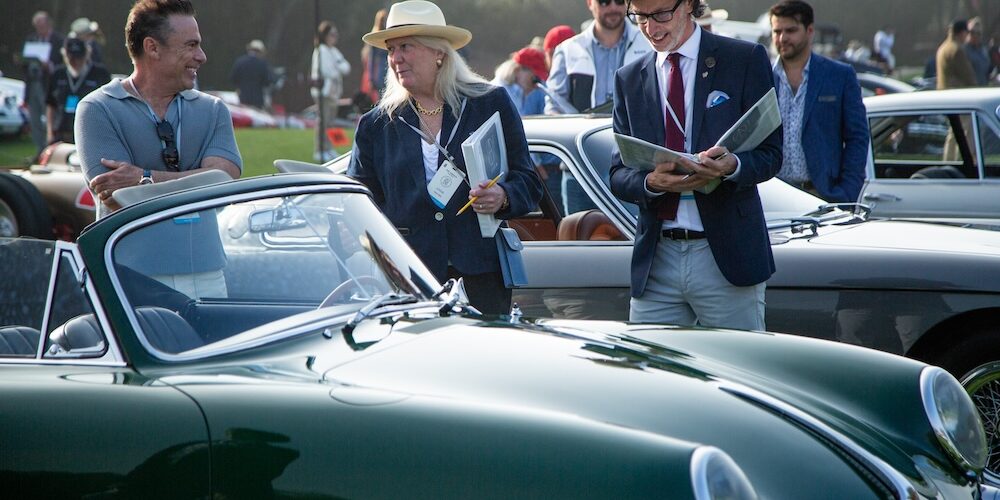
As the quality of restoration and preparation has improved over the years, concours judging has become stricter. There’s a fine line, though: if it’s too strict, it upsets the car owners and can result in very special vehicles missing out on the top prize to examples with less provenance but apparently more accurate adherence to originality, for example. Too lax, and owners of the best cars won’t take the event seriously.
A new concours judging standard, named M100 (for Modernised 100 points) aims to address some of the current pitfalls of judging. It doesn’t have all the answers, and it’s important to remember that many existing judging systems such as ICJAG already allow a certain number of points for subjective areas such as the history, the owner’s involvement and the rarity of the car in question.
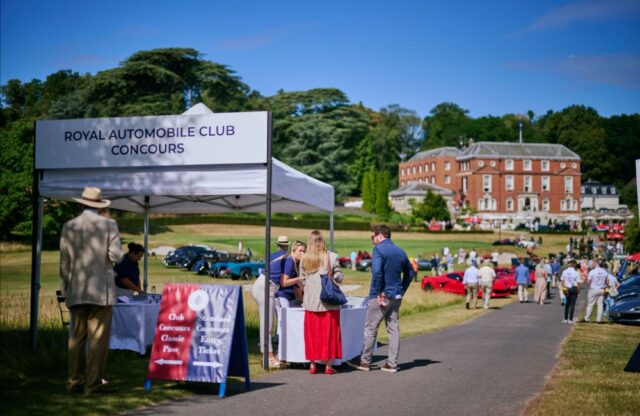
However, experienced judges Nigel Matthews and Chris Kramer have devised M100 to be more flexible. It made its debut in September 2025 at Salon Privé (below), and was then rolled out at Radnor Hunt, Concurso de Elegancia Costa del Sol and Concours at Wynn Las Vegas. Its biggest so far was The Amelia Concours in March, where Magneto editor David Lillywhite was one of the judges. La Jolla Concours, Lugano Elegance, Greenwich Concours, Icons Mallorca and 21 Gun Salute in India will follow.
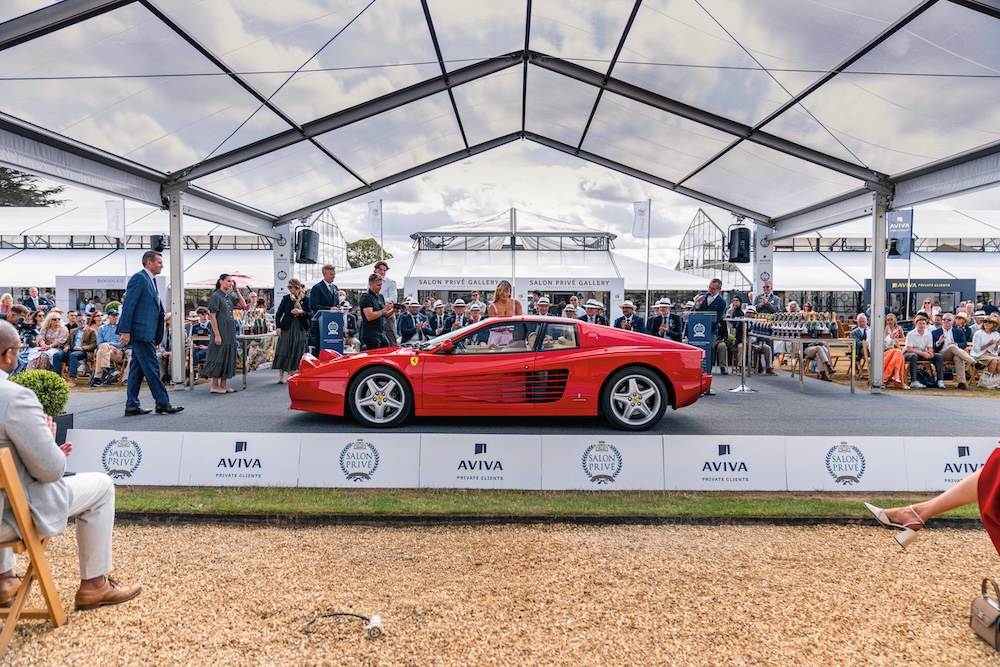
How and why is it different? Chris explains: “We’re heading towards the 2030s, and the judging processes that are around are either very subjective or super objective, meaning that every nut and bolt counts. What we’re seeing at club-level events, where we’re having a problem, is people getting really nitpicky and just pulling cars apart, forgetting what brings us together – which is to celebrate the car.
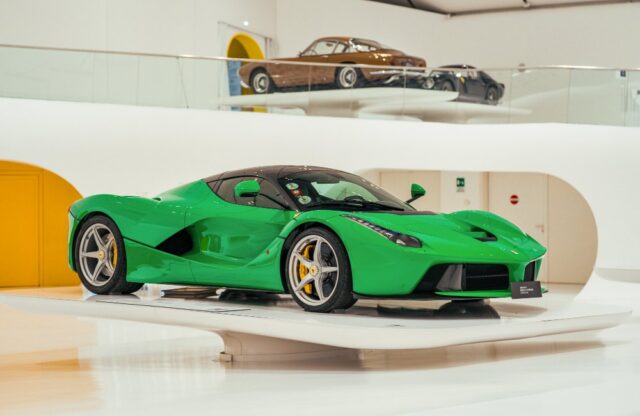
“We’re seeing a big change in demographics. The McLaren F1 is already more than 30 years old. It is already a classic car, but it’s also a supercar – even a hypercar. So how are we going to approach that?”
The answer is more flexibility and realism. The M100 concours judging forms are tailored to the requirements of each event, and to the types of cars – classics, supercars and hypercars, race cars and more. Also – and again, some other judging systems already do this to some extent – there will be allowances made for sensible and necessary modifications, such as changes to cope with modern fuels and cooling-system upgrades. For lighting, only the main systems will be judged, so an unfortunate failure of a minor bulb won’t lose the car marks.
Signs of regular driving won’t result in point deductions, either. More unusually, nor will deviations from the original paint material or colour be marked down, as long as the colour chosen is period correct. There are still a total of 95 points out of 100 achievable for objective judging, laid out in alphabetical order, plus five points for subjective judging.
“We need to be very customer friendly,” concludes Chris. “If we don’t have cars, and if we don’t have entrants, the events are going to die. So let’s ready these events for the 2030s. Let’s face it – if we don’t have the events, where are we?”