

Gerry McGovern’s long tenure at Jaguar Land Rover (JLR) appears to have come to an abrupt end. According to Autocar India, McGovern was “suddenly and forcibly removed” from his post and is said to have been escorted from the Gaydon design studio on December 1, 2025.
McGovern’s reported departure closely follows the arrival of new CEO PB Balaji at JLR’s parent company Tata Motors. The loss of long-standing support from the late Ratan Tata is rumoured to have weakened McGovern’s position within the company.
As the dust settles, it feels like the right moment to look back at the hits and misses that have defined McGovern’s career and shaped the JLR we know today.
HITS
MG EX-E
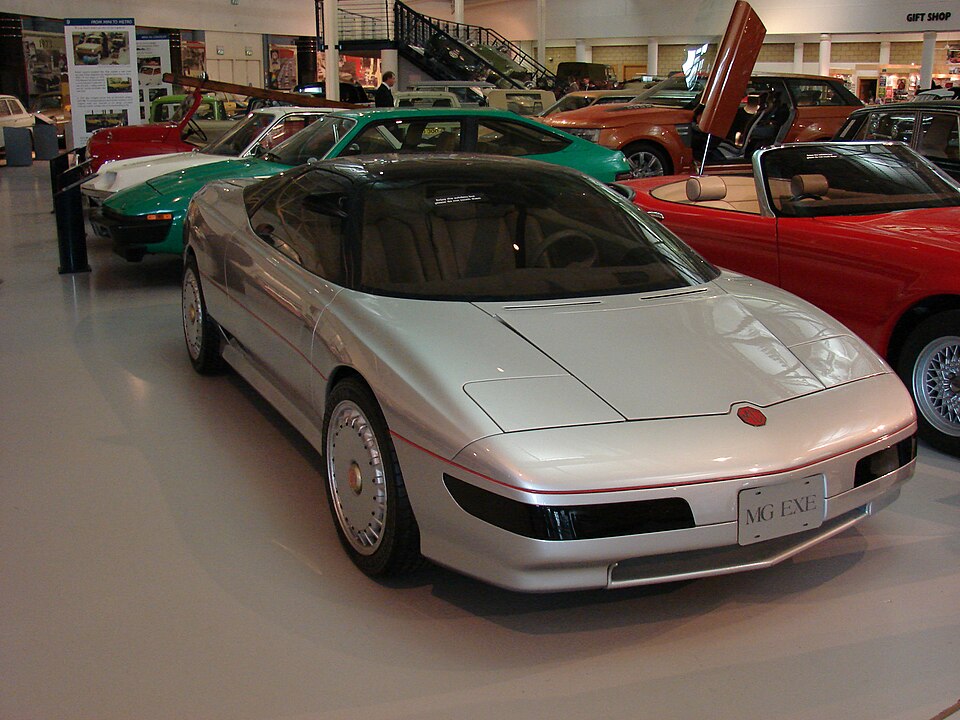
McGovern’s career. Unveiled to acclaim at the 1985 Frankfurt Motor Show, it looked almost otherworldly beside MG’s humble Maestro, Montego and Metro.
Though it never reached production, the EX-E foreshadowed major design and technology trends. Intended to house the Metro 6R4’s 3.0-litre V6, it featured a proposed all-wheel-drive system, double-wishbone suspension and active damping. It also previewed a suite of advanced electronic systems including a four-stage cruise control, a head-up display and satellite navigation.
From a design standpoint, the EX-E also introduced styling themes that would echo throughout McGovern’s later work – not least the mid-engined MGF a decade on. Its clean, unfussy surfacing and expansive smoked glass lent the concept a reductive, futuristic character. Today, the concept resides in the National Motor Museum in Gaydon, UK.
MGF
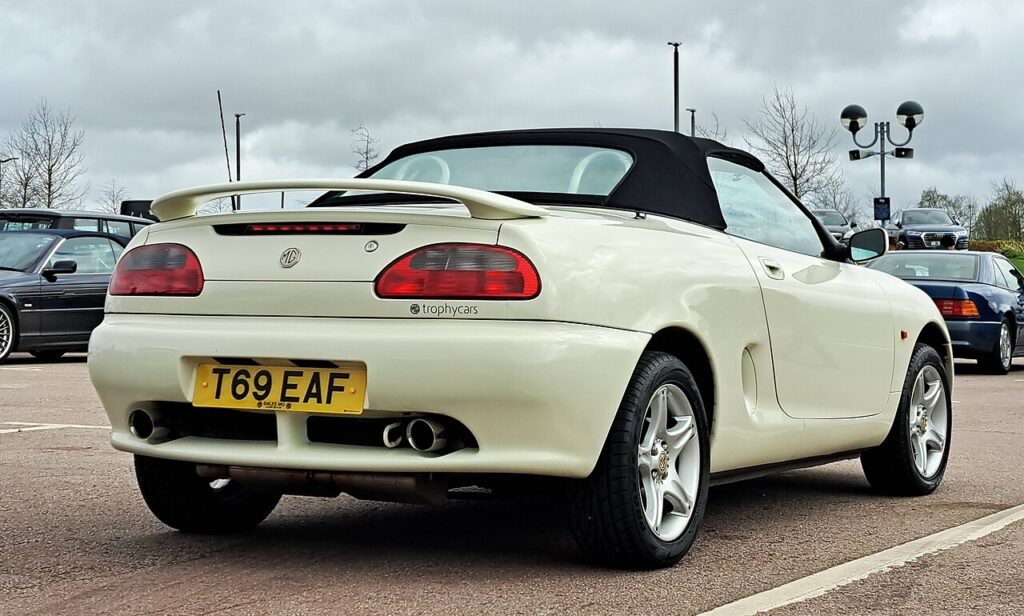
The long-awaited successor to the MGB finally materialised in 1995, two years after the Birmingham-based marque had been absorbed into BMW through its acquisition of the Rover Group. The original MGF proposal was sketched by Steve Harper, with Gerry McGovern’s in-house team refining the design into the production car.
Launched amid the 1990s boom in affordable sports cars, the MGF went head-to-head with the Mazda MX-5, Toyota MR2 and BMW Z3. Even so, the F held its own – and, aside from the MR2, it was the only car in the class to offer a more exotic mid-engined layout. Its styling quietly echoed the earlier EX-E concept, particularly at the rear.
Land Rover Freelander L314
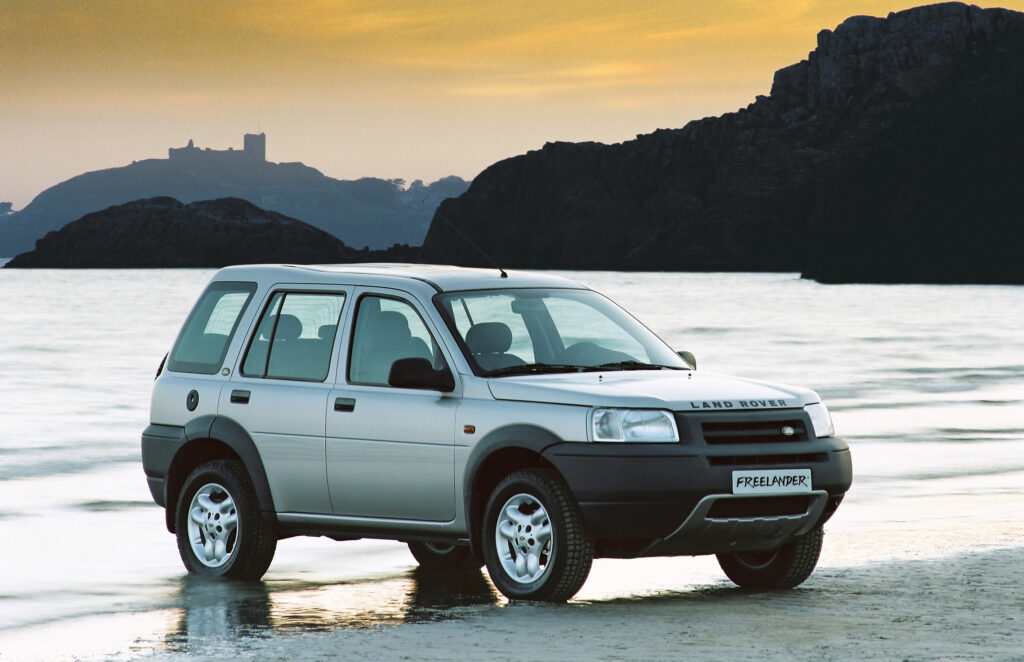
In many ways, the L314 set the template for modern Land Rover. Launched in 1997, it was the marque’s first unibody vehicle and was the carmaker’s first foray into the now wildly popular compact SUV market.
McGovern began working on the L314 shortly after moving into the Rover Group’s advanced design studio during the mid-1990s. Thanks to McGovern, the model benefitted from a more approachable, car-like design that contrasted the marque’s more traditional and utilitarian image.
The Freelander wasn’t, however, a total departure from tradition. Classic Land Rover styling cues, including the clamshell bonnet and upright grille were retained and – unlike many modern SUVs – the model was genuinely capable off-road and duly took part in the marque’s Camel Trophy and G4 Challenge off-road events.
Distilling Land Rover’s off-road credibility and brand appeal into a smaller, more affordable package paid off handsomely. The L314 became Europe’s best-selling SUV for five consecutive years after its launch and more than 500,000 examples were built.
Land Rover Discovery 4
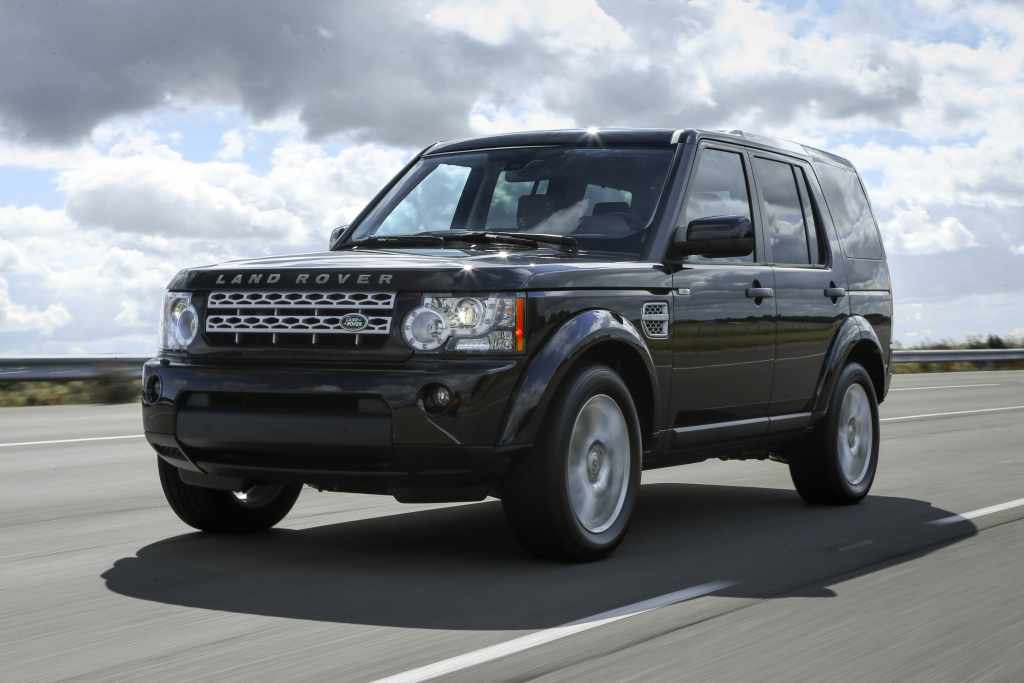
The Discovery 4 – essentially a heavily revised and upgraded evolution of the Discovery 3 – was the first model McGovern shaped after returning to Land Rover in 2003, following a three-year spell at Lincoln in the US. His return, and the Discovery 4 itself, helped set in motion the more upmarket, design-led identity of the marque today.
Aesthetic revisions, alongside a more luxuriously appointed cabin successfully shifted the car upmarket, providing it with greater showroom appeal that translated to better sales performance in key export markets.
Range Rover Evoque
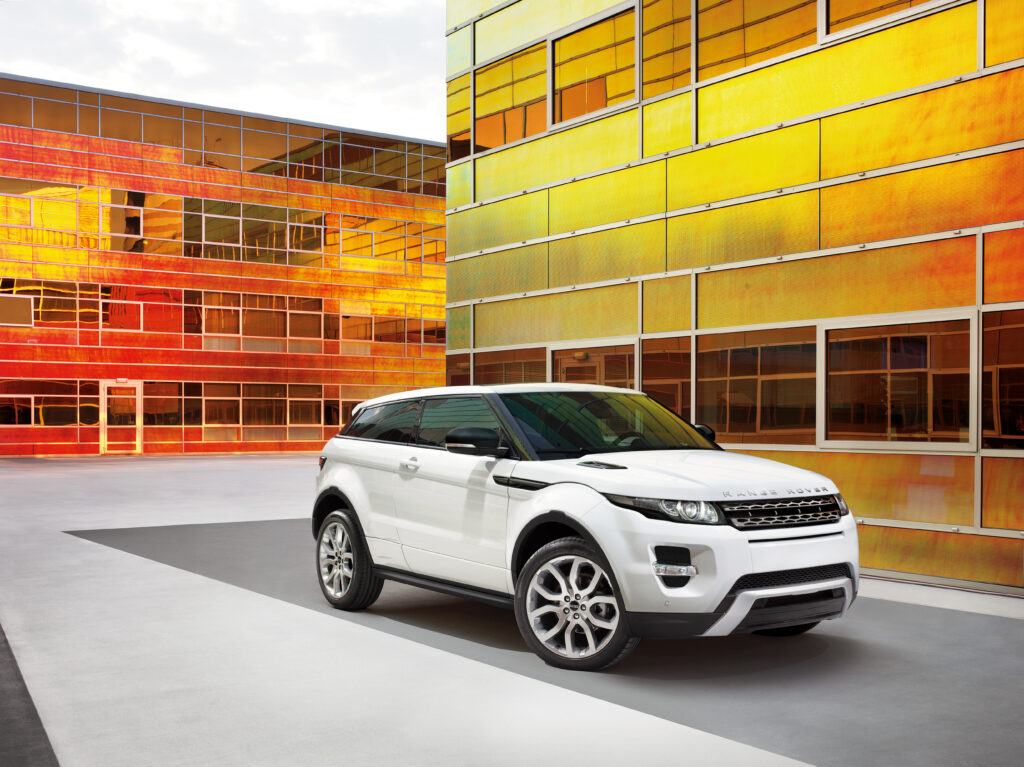
Near-identical to the radical LRX concept of 2008, the Range Rover Evoque is arguably the most important and influential model of the McGovern era. The car launched to great acclaim in 2011 and led to the birth of fashion-led compact SUVs that dominate today’s market.
Unsurprisingly, the Evoque rapidly became the marque’s best seller, accounting for more than a third of Land Rover’s total volume in its early years with more than 900,000 built during its nine-year production run.
The Evoque’s accessible pricing, compact footprint and striking styling drew younger and more diverse buyers than ever before, and further validated the design approach that would go on to shape the entire Range Rover line-up.
Range Rover L405
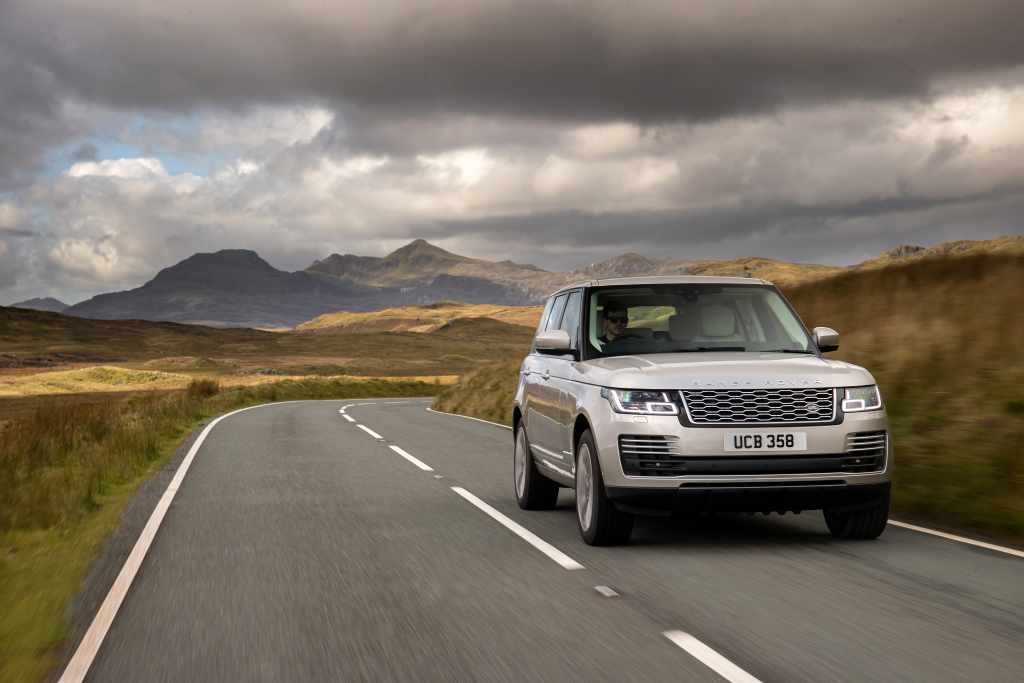
Designing a new generation of Range Rover is perhaps one of the trickiest tasks any designer can undertake – particularly the L405, which followed the revolutionary L322 model.
McGovern embraced the challenge, imbuing the fourth-generation flagship with cleaner, more modern styling while preserving its identity as a capable and luxurious off-roader. This approach was expressed through smoother body surfaces complemented by modern interpretations of classic Range Rover cues, including the clamshell bonnet, floating roofline and upright grille. Beneath McGovern’s styling was a new all-aluminium monocoque that made the L405 more than 400kg lighter than its predecessor, despite having a larger footprint.
The L405 proved immensely successful, with more than 800,000 examples sold throughout its ten-year production run. It also replaced the L322 as the car of choice for the Royal Family and British politicians.
Land Rover Defender L663
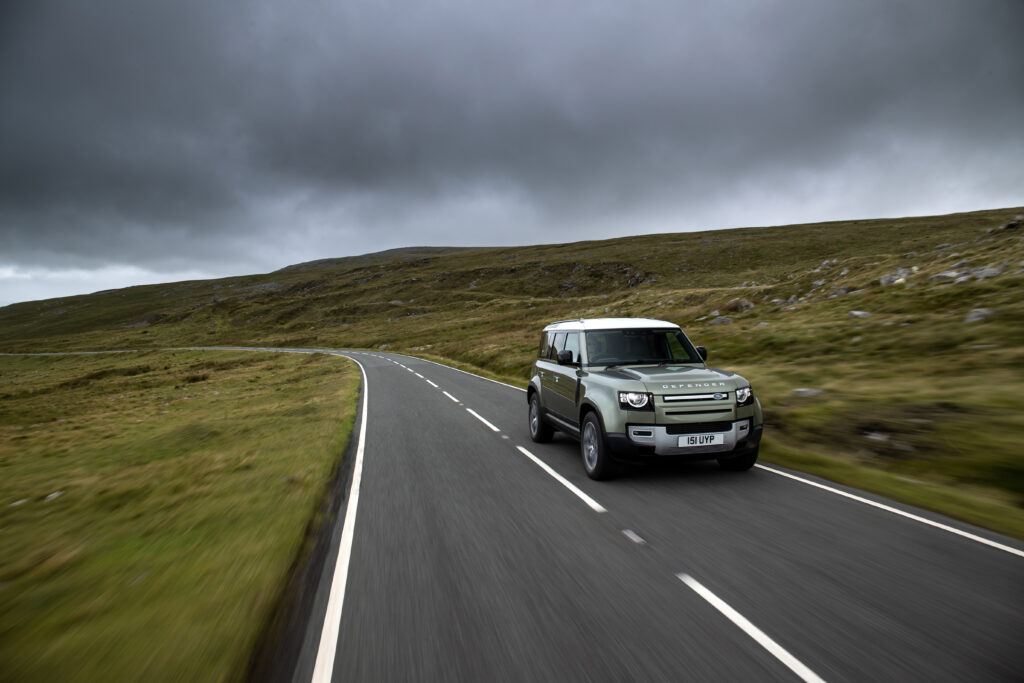
Conceived by Maurice Wilks in 1947, the original Land Rover – and its direct descendant, the Defender – had been woven into British life for nearly 70 years when production finally ceased in 2016. Its 2020 replacement was therefore always destined to be contentious, charged with the impossible task of honouring an icon while meeting modern expectations for safety, refinement and efficiency.
Given McGovern’s portfolio, it’s unsurprising that Land Rover resisted the urge to create an upmarket, retro pastiche in a similar vein to the current Mercedes-Benz G-Wagen and instead pursued a totally modern interpretation of the model’s identity.
Developed from the 2011 Land Rover DC100 concept, the production-ready Defender featured an upright stance, alpine windows and exposed fixings as subtle nods to the original, integrated into a clean, modern and cohesive design language.
Beneath the 21st century aesthetics was an all-aluminium monocoque, fully independent air suspension and a modern powertrain with permanent four-wheel drive and a twin-speed transfer box managed by the marque’s electronic Terrain Response system.
Despite early scepticism – enough for Defender devotee and INEOS CEO Jim Ratcliffe to create his own spiritual successor – the new, far less compromised Defender proved a success and has since established itself as Land Rover’s best seller.
MISSES
Discovery 5
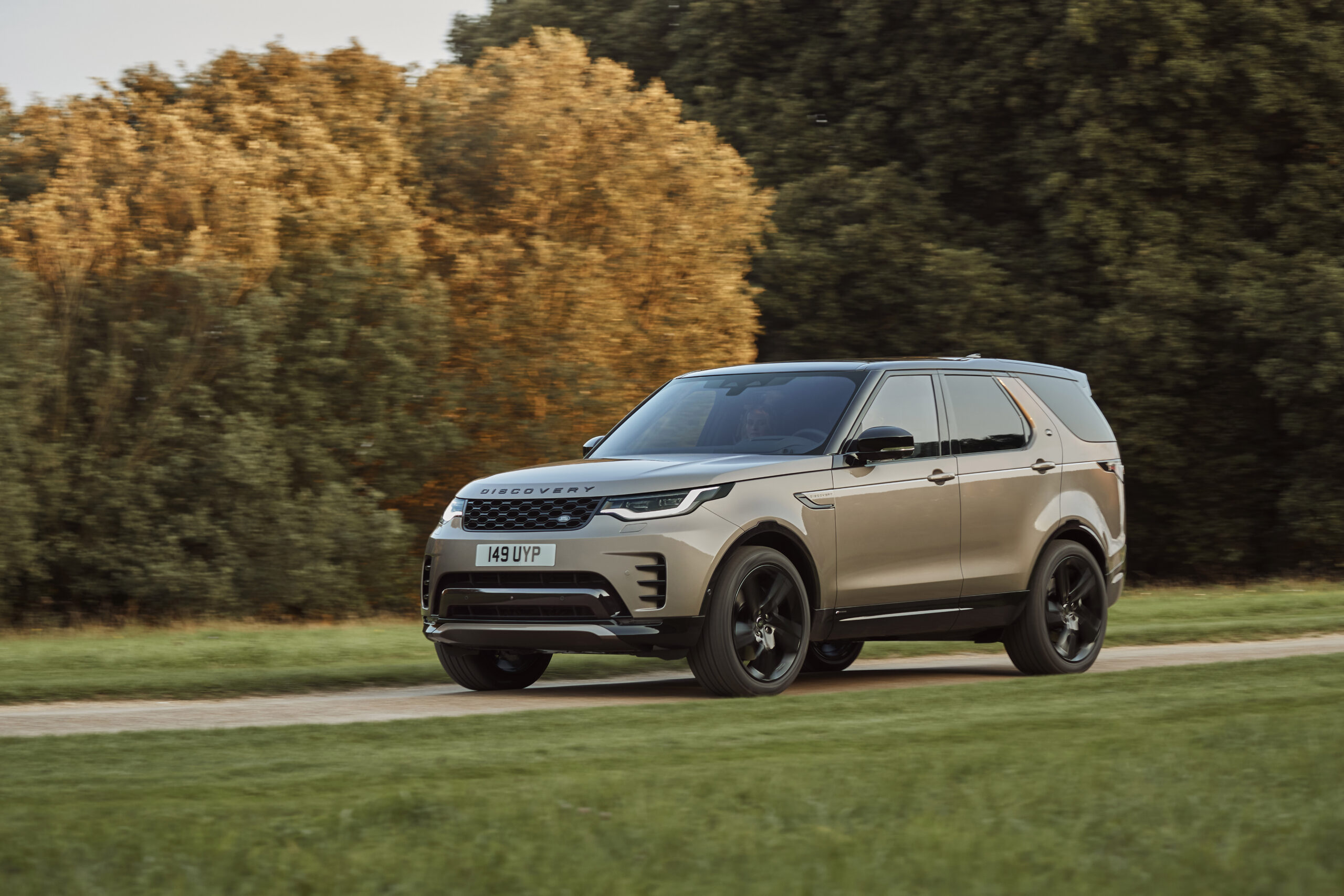
Unveiled at the 2016 Paris Motor Show, the Discovery 5 continued the more luxurious trajectory of its predecessor, edging it closer in character to the Range Rover. Mechanically, it was underpinned by the same aluminium architecture as its flagship sibling and shared much of its powertrain line-up, including the 3.0-litre V6 Ingenium diesel and supercharged petrol engines.
Objectively, the Discovery 5 is a far better car than its predecessor, but its softer styling and asymmetrical rear end proved divisive. Moving further upmarket and becoming less overtly utilitarian than the Discovery 4 also left it with a less defined purpose and identity. As a result, it was the first of McGovern’s designs that failed to resonate fully with buyers. The Discovery 5 continues to soldier on, although a replacement is rumoured for 2026.
Discovery Sport

Much like the full-size Discovery 5, the Sport has always felt compromised by its push upmarket, perhaps pushed a little too close to the more desirable Evoque. The result is a car that doesn’t feel as utilitarian as a Discovery or as aspirational as a Range Rover. In many ways, the Discovery Sport is the closest thing JLR offers to a generic crossover SUV, and it is less aesthetically convincing than most of McGovern’s creations.
That said, the Disco Sport has been a commercial success, just not on the scale of the original Freelander or the Evoque.
Jaguar Project 00
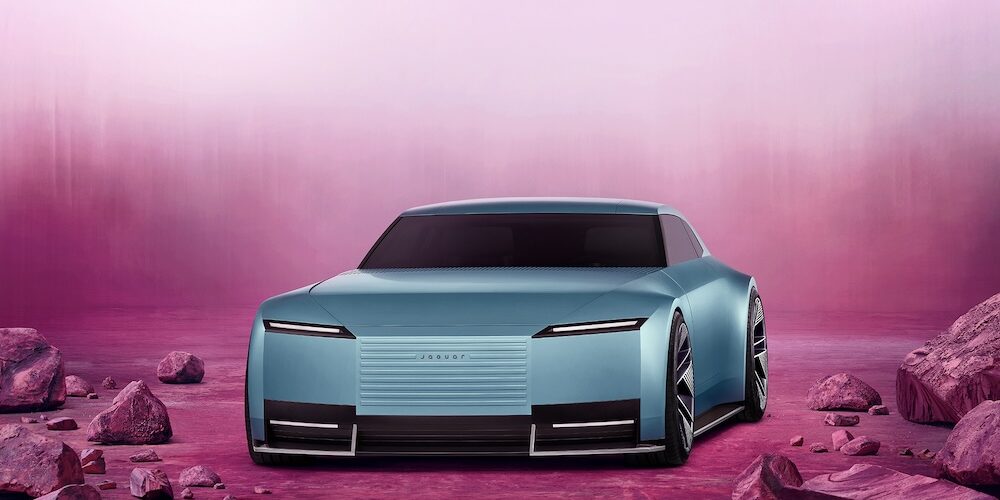
For Jaguar, the stakes couldn’t have been higher with Project 00. The concept was meant to signal the marque’s rebirth as a maker of luxury EVs, yet Jaguar’s controversial rebrand in November 2024 had already split opinion before the car broke cover.
When Project 00 finally debuted in December 2024, the reaction was predictably mixed. The launch images did it few favours. The large, imposing silhouette paired with McGovern’s trademark minimalism made the car appear slab-sided, especially at the rear, where a full-width grille housing the tail-lights proved divisive. The motoring press was generally more measured than the wider media, but it was still a muted response for a design meant to herald a bold new era.
Its public debut in 2025 was somewhat more convincing. Seen in the metal, the concept is more cohesive and less monolithic than the renders suggested. The damage, however, had already been done and the initial backlash continues to shape public opinion. Jaguar’s all-electric future still feels uncertain as a result – particularly in the wake of McGovern’s departure from JLR.